
Key Takeaways
- Spring and autumn offer the most comfortable weather overall.
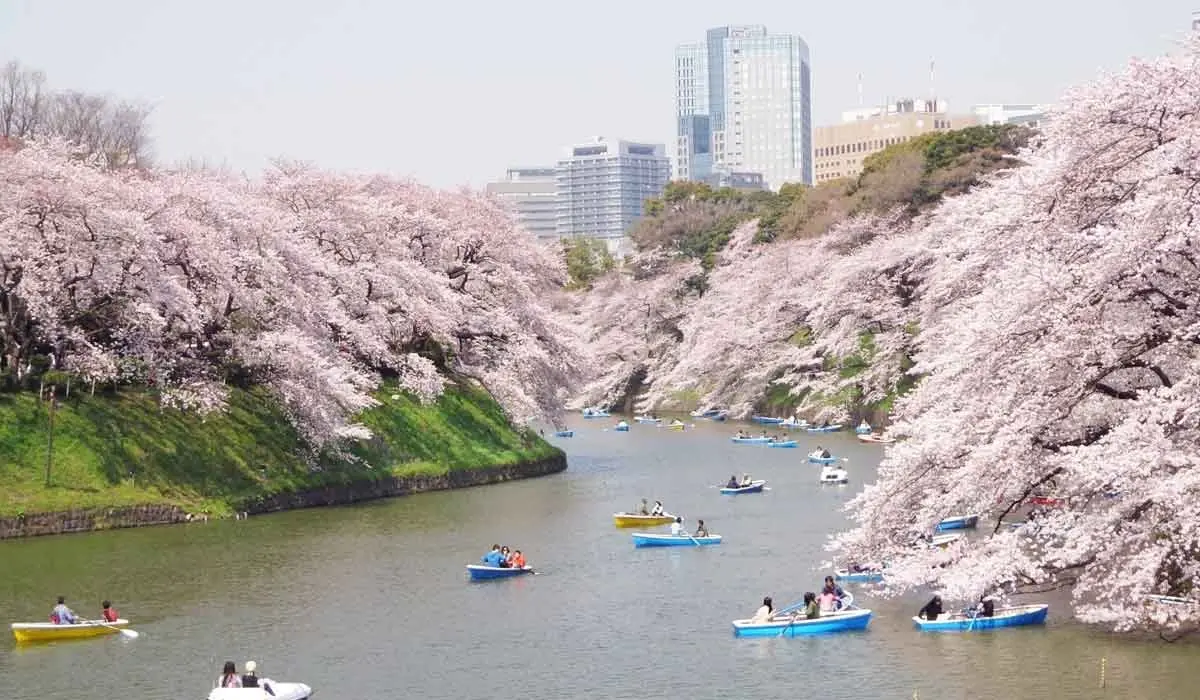
- Cherry blossoms peak from late March through early April.
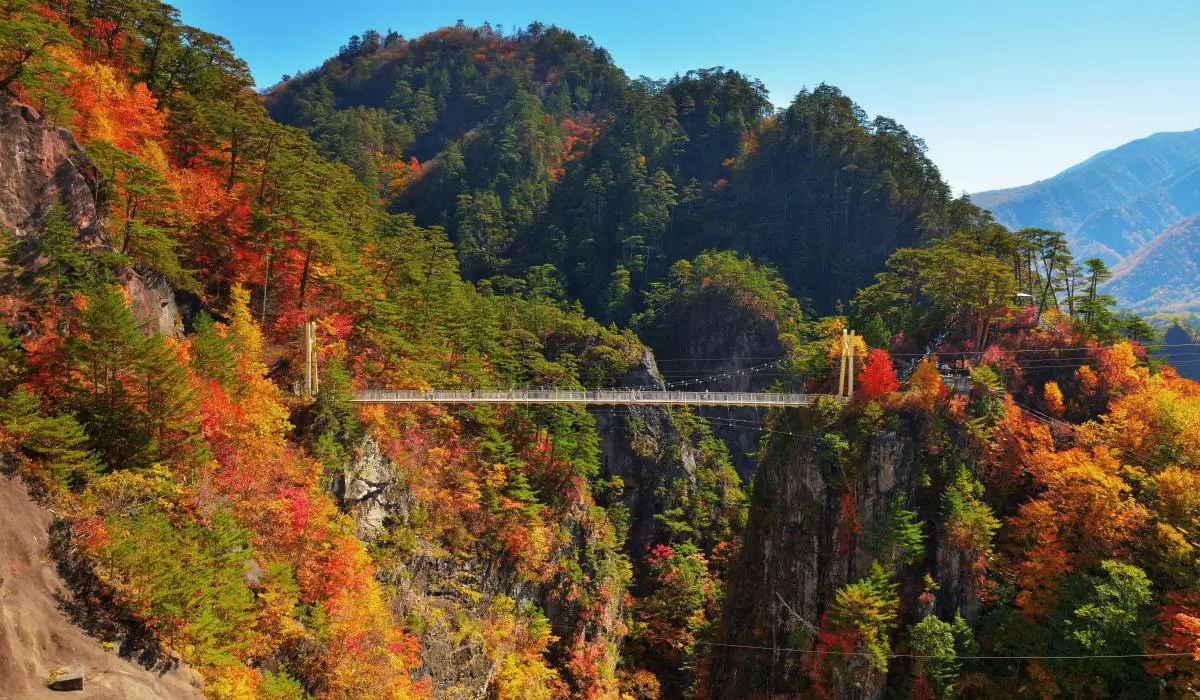
- Autumn foliage creates stunning natural backdrops in November.
- Winter provides budget-friendly hotel rates and premier skiing.
Have you been staring at photos of Kyoto bamboo groves or Tokyo neon lights, trying to decide when to lock in those flights?
Choosing the best time to visit Japan really boils down to what kind of experience you are dreaming about.
Generally, the best time to visit Japan is during spring (March to May) or autumn (September to November), when comfortable temperatures and dry days make walking around easy.
Whether you want to hunt for cherry blossoms, eat street food at a summer festival, or hit the ski slopes in Hokkaido, every season brings its own flavor.
In this comprehensive japan travel guide, we will break down the weather, crowds, costs, and local highlights for every single month.
That way, you can easily build a seamless japan itinerary that matches your budget and travel style without any unnecessary stress.
AI Overview
Finding the best time to visit Japan depends on your preferred activities and weather choices. Spring (March to May) brings world-famous cherry blossoms and mild conditions, while autumn (September to November) delivers crisp air and vibrant red leaves. Summer features lively festivals, though it gets hot and humid. Winter offers excellent skiing and lower crowds. Use this guide to balance your budget, weather expectations, and itinerary plans effectively.
Spring in Japan: Cherry Blossoms and Mild Weather
Spring is arguably the most famous time of year to visit, and for good reason.
The winter chill fades away, replaced by comfortably warm afternoons, blooming parks, and outdoor celebrations.
It is easily one of the most vibrant periods for anyone planning a vacation across the main islands.
Why Visit Between March and May?
March through May gives you lovely afternoon temperatures that sit comfortably in the mid-60s Fahrenheit.
It is ideal for spending full days outside exploring historic neighborhoods without freezing or sweating through your shirt.
You also get to witness sakura (cherry blossom) season as a pink blanket sweeps north across regions like Tokyo, Kyoto, and Osaka.
Locals and visitors alike gather in public parks for hanami (flower-viewing picnics) under the blooming trees.
The overall energy across major cities is cheerful and lively, making it an incredible time for first-time travelers.
Weather and Packing Insights
Early March can still feel quite chilly, so bringing a sturdy coat and a warm scarf is definitely necessary.
By May, you will mostly need light layers, comfortable t-shirts, and reliable walking shoes for long days on your feet.
Checking a local japan weather forecast right before packing helps you prepare for occasional spring rain showers.
A lightweight waterproof rain jacket or compact umbrella is always smart to tuck into your daypack.
Summer in Japan: Festivals, Fireworks, and Mountain Trails
If you love energetic crowds, traditional cultural events, and beautiful mountain hikes, summer offers a truly unique perspective.
While humidity levels rise, the country comes alive with evening festivities and lush green landscapes everywhere you look.
What Makes Summer Special?
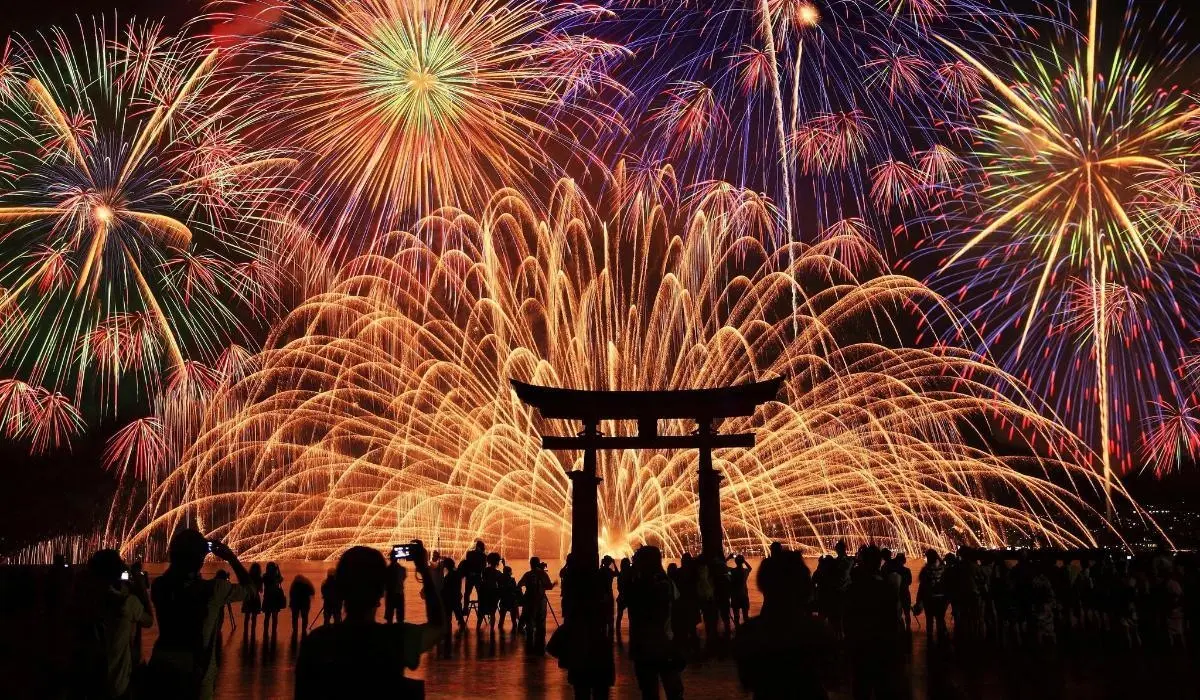
Summer is filled with colorful street festivals called matsuri, featuring traditional dancing, food stalls, and music.
Massive evening firework shows (hanabi) light up riverbanks across the country throughout July and August.
Mount Fuji officially opens its climbing trails to hikers during these warmer months.
It is also a great season to head up north to Hokkaido, where the climate remains noticeably cooler and countryside lavender fields bloom.
Managing the Heat and Rain
June typically brings a cloudy, wet stretch known locally as tsuyu (the rainy season).
July and August get quite hot, often climbing past 30°C (86°F) with high humidity.
Carrying a small hand fan, staying hydrated with vending machine tea, and keeping an umbrella nearby will keep you comfortable.
Planning indoor activities like visiting museums, shopping arcades, or air-conditioned teamLab digital art exhibits during peak afternoon heat works wonders.
Seasonal Comparison Overview
Here is how the four seasons stack up based on typical conditions and travel experiences across the country:
| Season | Months | Average Temp Range | Key Highlights | Travel Considerations |
| Spring | March – May | 10°C to 23°C (50°F – 73°F) | Cherry blossoms, mild weather, outdoor walking | Higher flight prices, large tourist crowds |
| Summer | June – August | 22°C to 31°C (72°F – 88°F) | Festivals, fireworks, Mount Fuji hiking | High humidity, rainy season in June |
| Autumn | Sept – Nov | 12°C to 25°C (54°F – 77°F) | Fall foliage, pleasant temperatures, clear skies | Popular season, moderate crowd sizes |
| Winter | Dec – Feb | 2°C to 12°C (35°F – 54°F) | Skiing, hot springs (onsen), winter illuminations | Cold days, potential snow in northern areas |
Autumn in Japan: Stunning Leaves and Crisp Air
Ask seasoned travelers for their opinion, and many will tell you that autumn is secretly the absolute best time to visit Japan.
The summer mugginess evaporates, leaving crisp blue skies and cool afternoon breezes that are perfect for walking tours.
Plus, the landscape transforms into dramatic shades of fiery red, deep orange, and bright gold.
Why Autumn is Ideal for Travelers
September brings a steady decline in summer heat, making long days of urban exploration much more enjoyable.
October and November provide some of the driest, clearest days of the entire year.
The fall leaves (koyo) usually peak around mid-to-late November in central spots like Kyoto and Nara.
Sightseeing around historic temples surrounded by bright maple foliage offers photo opportunities everywhere you turn.
Because the weather is so reliable, you rarely have to cancel outdoor plans due to heavy rain.
Crafting Your Autumn Experience
You can build a balanced japan itinerary focused on ancient shrines, traditional tea houses, and scenic mountain railways.
Walking through the famous Arashiyama bamboo grove or Hiroshima’s Miyajima Island feels magical under crisp autumn sunshine.
Packing layers like denim jackets, light sweaters, and comfortable jeans will keep you cozy during morning and evening strolls.
Don’t forget to sample seasonal autumn treats like roasted sweet potatoes, fresh chestnuts, and autumn-themed snacks.
Useful platforms like Johjos can help you streamline your daily planning so you don’t miss peak foliage spots.
Winter in Japan: Snow, Hot Springs, and Fewer Crowds
If you prefer peaceful streets, snowy scenery, and budget-friendly travel options, winter is a hidden gem.
While temperatures drop, the atmosphere in major cities remains crisp, clear, and far less crowded than in peak spring.
Snow Sports and Onsen Relaxation
Hokkaido and the Japanese Alps in Nagano receive world-famous powder snow, drawing skiers and snowboarders from across the globe.
Soaking in an outdoor natural hot spring (onsen) surrounded by falling snow is easily one of the most relaxing experiences imaginable.
Major metropolitan areas like Tokyo, Osaka, and Kobe set up breathtaking winter illumination displays that light up entire districts every night.
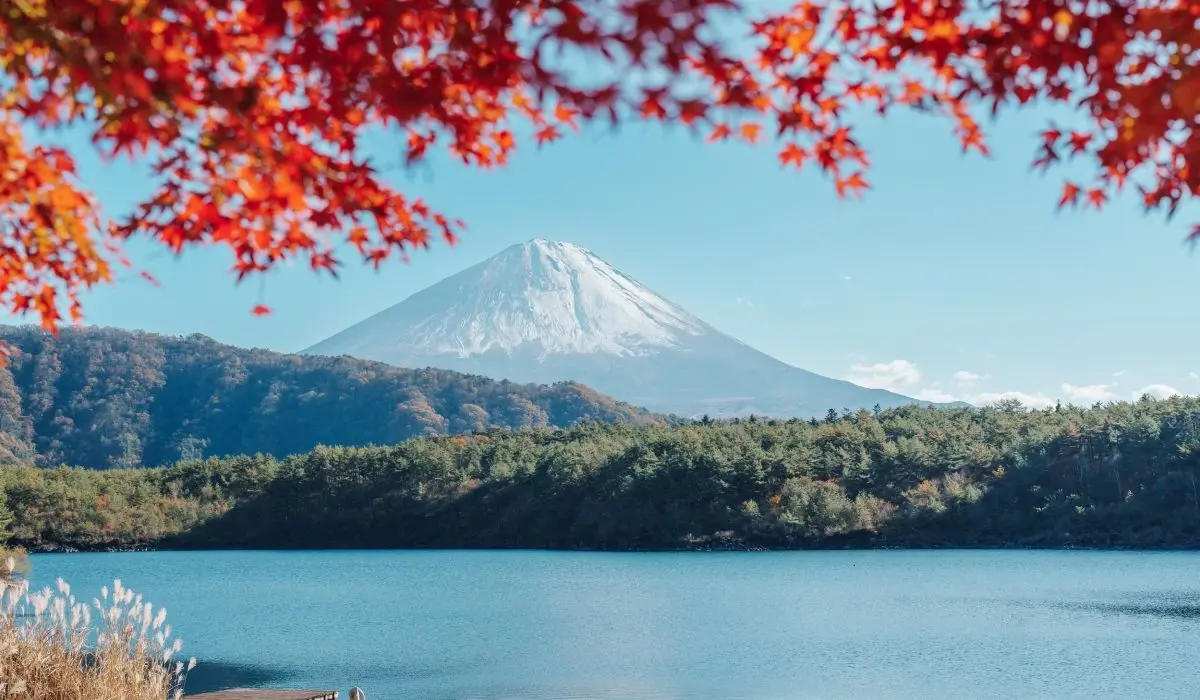
It is also the best season to catch unobstructed, crystal-clear views of snow-capped Mount Fuji from nearby lake towns like Kawaguchiko.
Winter Travel Advantages
- Lower Crowd Levels: Iconic sights like Fushimi Inari Shrine or Senso-ji Temple are significantly quieter, giving you space to wander peacefully.
- Budget Benefits: Hotel rates and domestic flights drop noticeably outside of the New Year holiday week, helping your money stretch further.
- Clear Views: Winter consistently brings dry, sunny days in Tokyo and central regions, ideal for skyline vistas.
- Comfort Food: Hearty winter dishes like hot pot (nabe), steaming bowls of ramen, and grilled yakitori taste exceptionally good in cold weather.
Practical Travel Planning and Itinerary Tips
When setting up your travel plan, matching your personal budget with real-world seasonal conditions makes a massive difference.
Leveraging helpful tools and guides from Johjos can make structuring your train routes and daily activities much simpler.
Taking time to review practical travel tips beforehand keeps your trip stress-free from the moment you land.
Balancing Cost, Crowds, and Weather
If saving money is your top travel goal, target low-season months like January or early February.
If witnessing world-famous scenery is your priority, prepare to book spring cherry blossom or fall foliage dates months in advance.
Keeping your departure dates flexible by even a few days can help you secure significantly cheaper flight tickets.
Essential Packing Guidelines
- Comfortable Footwear: You will easily walk 10,000 to 20,000 steps daily on concrete pavement, station stairs, and gravel temple paths.
- Easy-to-Remove Shoes: Many traditional restaurants, historic temples, and accommodations require you to take off your shoes at the door.
- Layered Clothing: Trains and department stores are heavily heated in winter and air-conditioned in summer, making removable layers essential.
- Portable Power Bank: You will rely heavily on phone apps for navigation, train schedules, and live translation, which quickly drains battery life.
Frequently Asked Questions
What is the cheapest month to visit Japan?
January and February are generally the cheapest months for flights and hotel bookings, excluding the New Year holiday period.
When is the rainy season in Japan?
The main rainy season typically runs from early June through mid-July across most central islands like Honshu and Kyushu.
How far in advance should I plan a trip?
It is recommended to book flights and accommodations four to six months early, especially for peak spring blossom trips.
Is winter a good time for sightseeing in big cities?
Yes, winter offers clear skies, lower crowds, and cheaper room rates across major urban destinations like Tokyo and Osaka.
Ultimately, finding the best time to visit Japan depends on what matters most to your travel style. Spring delights visitors with iconic pink blossoms, autumn brings cool weather and dazzling colorful leaves, summer lights up the night with lively street festivals, and winter offers world-class skiing and relaxing hot springs. By carefully balancing your budget, seasonal preferences, and destination goals, you can craft a trip that you will remember for a lifetime.
