
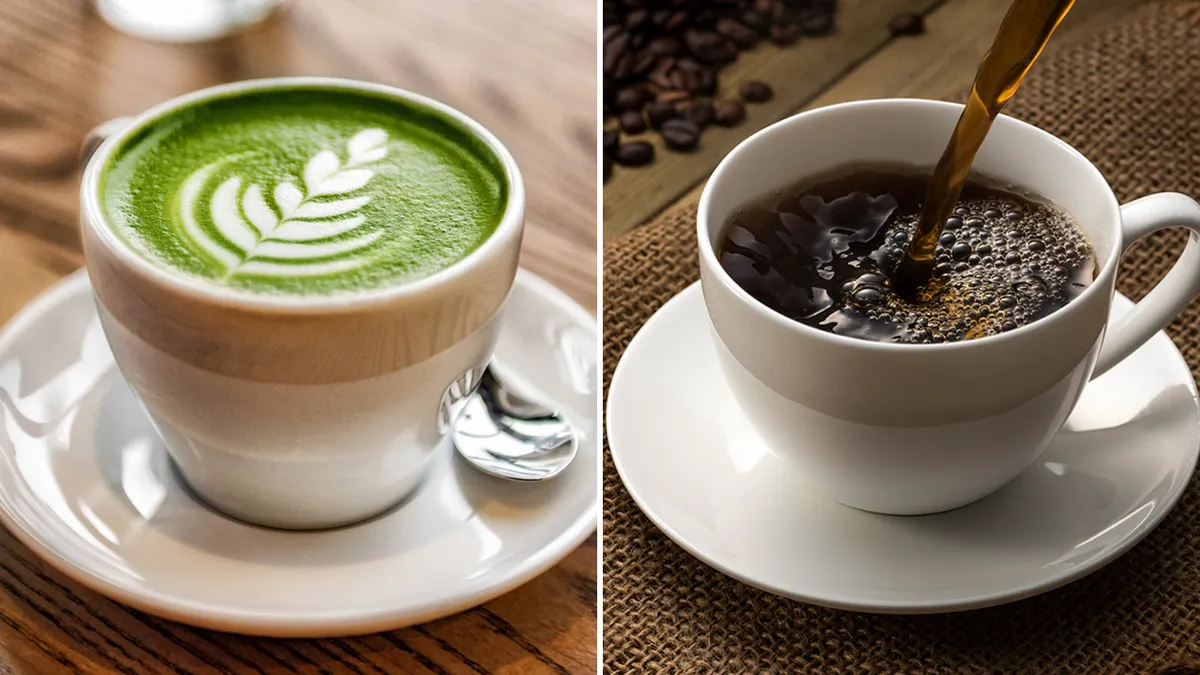
Key Takeaways
-
Matcha gives steady focus without post-drink crashes
-
Coffee acts faster for immediate morning wakefulness
-
L-theanine in matcha buffers jitters and jitters-induced anxiety
-
Coffee delivers higher caffeine per individual serving size
-
Both healthy drinks offer distinct metabolic and antioxidant benefits
Are you tired of hitting that dreaded afternoon energy wall after your morning mug? You are definitely not alone. When comparing matcha vs coffee, millions of us face this exact daily struggle while trying to stay alert, focused, and productive without crashing before dinner.
If you need a quick answer, coffee provides a fast, powerful spike in alertness, while matcha delivers a smoother, long-lasting focus that generally avoids the sudden crash. Neither drink is universally superior; the right choice simply depends on how your unique body handles caffeine throughout the day.
At johjos, we love breaking down everyday habits so you can feel your absolute best every single day. Let’s take a look at how these two classic beverages stack up against each other in terms of energy duration, health perks, and daily performance.
AI Overview
When evaluating matcha vs coffee, the best choice depends on how you want to experience energy. Coffee packs 80–140 mg of caffeine per cup, delivering a rapid energy spike that works great for quick wakefulness. Matcha contains 30–70 mg of caffeine combined with L-theanine, producing sustained alertness for 4–6 hours without sharp crashes or jitters. Both serve as fantastic healthy drinks, but matcha offers a gentler focus while coffee gives maximum early intensity.
How Their Energy Profiles Really Compare
Ever wonder why three sips of hot coffee make your heart race while a bowl of green tea feels completely different? It all comes down to natural chemistry and how fast your digestive system processes what you drink. Coffee hits your bloodstream almost instantly. That quick spike gives you an immediate surge of wakefulness within 15 to 30 minutes of your first sip.
It works wonders when you need to wake up fast for an early shift or an intense workout. But that sharp rise can sometimes trigger a noticeable mid-day crash later on. Matcha behaves completely differently inside your body. Because you consume ground whole green tea leaves, your stomach absorbs its nutrients gradually over time. This creates a steady energy curve that can comfortably last 4 to 6 hours. You stay clear-headed and alert without feeling like your motor is running too fast.
Breaking Down the Caffeine Comparison
To understand the caffeine comparison, we have to look closely at the exact numbers per standard serving size. A standard cup of brewed coffee generally packs between 80 to 140 mg of caffeine. That is a solid dose designed to block adenosine receptors in your brain fast. On the flip side, a traditional 2-gram serving of matcha usually lands between 30 to 70 mg of caffeine.
Even though matcha has less total stimulant, many people report feeling focused and alert for much longer periods. Why does that happen? It is all thanks to a special naturally occurring amino acid named L-theanine. L-theanine slows down caffeine absorption while promoting calm alpha brain waves. It essentially takes the sharp, nervous edge off the stimulant effect.
Understanding L-Theanine: The Secret Behind Matcha’s Calm Energy
When you look at green tea leaves, L-theanine is the star compound that changes how caffeine feels in your central nervous system.
In coffee, caffeine enters the bloodstream quickly, causing a sharp peak in cortisol and adrenaline. This is why coffee lovers often report feeling sweaty palms, an elevated heart rate, or a sense of inner restlessness when they drink a second cup too fast.
In matcha, L-theanine acts as a natural brake pedal. It readily crosses the blood-brain barrier and increases the activity of GABA, an inhibitory neurotransmitter that has anti-anxiety effects.
At the same time, it increases dopamine and alpha wave production in the brain. Alpha waves are the brain signals present when you are deeply relaxed yet fully alert—a state often described by artists and athletes as being in “the flow.”
When combined with caffeine, L-theanine creates a synergistic relationship. You gain the cognitive enhancement, fast processing speed, and reaction time of caffeine, but without the physiological stress response. This unique pairing makes matcha one of the most balanced energy boosters nature has to offer.
The Side-by-Side Comparison
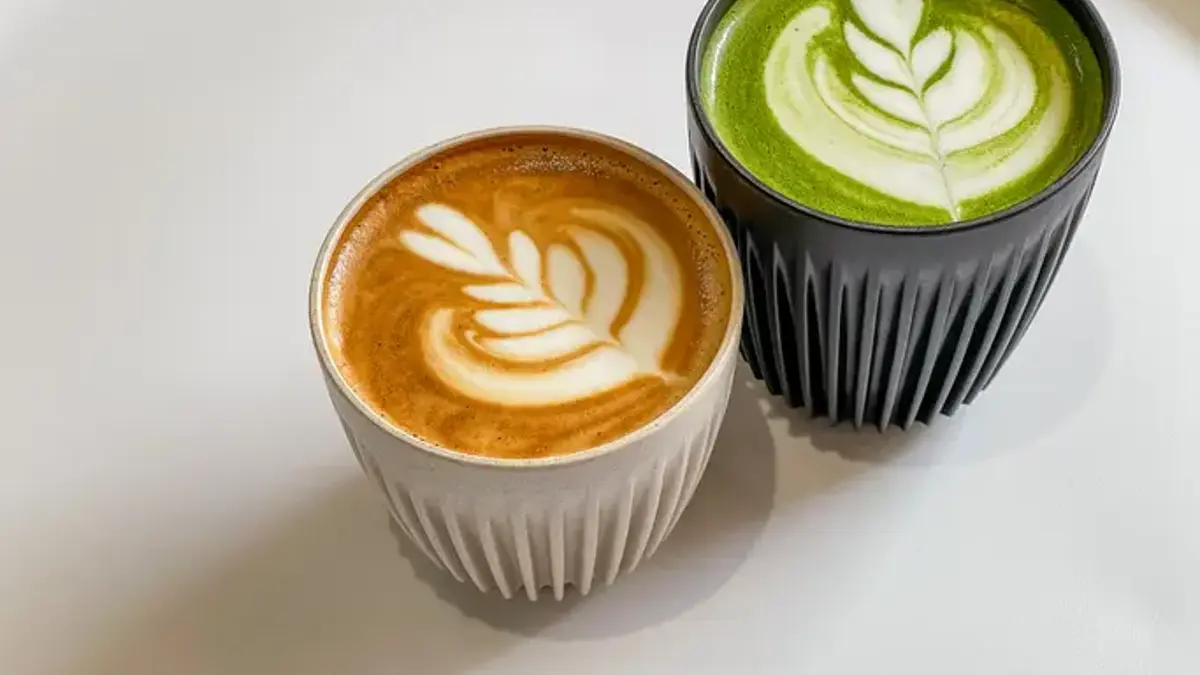
| Feature | Matcha Green Tea | Standard Brewed Coffee |
| Average Caffeine | 30–70 mg per serving | 80–140 mg per serving |
| Energy Onset | Gentle (30–45 mins) | Rapid (15–30 mins) |
| Energy Duration | 4 to 6 hours | 1 to 3 hours |
| Crash Potential | Low in most cases | Moderate to high |
| Key Amino Acid | High L-theanine | None naturally present |
| Stomach Impact | Generally alkaline & mild | Slightly acidic |
Looking at Matcha Benefits
Beyond sustained alertness, exploring matcha benefits opens up a world of daily wellness advantages for your body and mind.
When you drink whisked matcha, you consume the whole leaf rather than just steeped water. That simple detail means you get a massive concentration of vital nutrients and plant compounds.
Here is what makes this vibrant green drink stand out:
-
Rich in EGCG Antioxidants: Packed with catechins that help protect your cells from oxidative stress and inflammation.
-
Calm Alertness: L-theanine works with caffeine to build smooth focus without nervous jitters or anxiety.
-
Gentle Digestion: Its natural alkaline profile is usually easy on sensitive stomachs early in the morning.
-
Metabolic Support: Regular consumption generally helps support a balanced metabolic rate and fat oxidation over time.
We love highlighting options at johjos.com that help you stay clear, grounded, and productive all day long. Matcha really excels when your goal is calm productivity during long computer desk sessions or quiet creative work.
Looking at Coffee Benefits
We cannot ignore how much joy a warm mug of fresh coffee brings to morning routines around the globe.
The list of coffee benefits extends far beyond its delicious aroma and rich, comforting flavor profile.
It has been studied extensively for decades, proving itself as one of the world’s favorite functional beverages for human health.
Check out these core perks:
-
Immediate Wakefulness: Fast caffeine absorption gives you a quick physical and mental jumpstart when waking up.
-
High Antioxidant Capacity: Serves as a primary source of dietary polyphenols for millions of adults worldwide.
-
Athletic Performance: Taken 30 minutes before exercise, it estimatedly boosts physical endurance, strength, and power output.
-
Brain Health: Regular moderate drinking generally supports long-term cognitive wellness and sharp memory as you age.
If you have an intense morning workout scheduled or need to wake up fast for an early meeting, coffee is tough to beat.
Impact on Digestion and Gut Health
How your stomach feels after your morning drink plays a huge role in your overall daily energy. A nervous or upset stomach can ruin your focus just as quickly as a caffeine crash.
Coffee is naturally acidic and stimulates the production of stomach acid. For many people, drinking coffee on an empty stomach leads to heartburn, acid reflux, or a hyperactive digestive response. Furthermore, coffee triggers the release of gastrin, a hormone that speeds up movement in the lower gastrointestinal tract. While some people appreciate this morning regularity, others find it uncomfortable or unpredictable.
Matcha, by contrast, tends to be much gentler on the gastric lining. Because shade-grown green tea leaves contain chlorophyll and alkaline compounds, matcha balances digestive pH levels rather than spiking acidity. The tannins present in matcha also have a mild soothing effect on the intestinal lining.
If you frequently experience a sour stomach or morning nausea after your standard dark roast, making the switch to matcha could provide immediate relief while keeping your daily energy intact.
Analyzing the Acidity and Dental Impact
Beyond internal digestion, the physical effect of these beverages on your teeth is worth keeping in mind.
Coffee has a low pH level, making it moderately acidic. Over time, regular coffee consumption can wear down tooth enamel if proper dental hygiene isn’t maintained. Additionally, the dark chromogens in coffee beans easily attach to enamel, leading to noticeable yellowing or surface staining over months and years.
Matcha contains natural polyphenols that actually help inhibit the growth of oral bacteria linked to cavity formation and bad breath. While matcha can leave a temporary light green tint on your tongue or teeth, it does not permanently stain enamel the way dark coffee compounds do. Drinking water after your cup keeps your smile bright while protecting your enamel integrity over the long run.
Which One Is Better for Your Daily Routine?
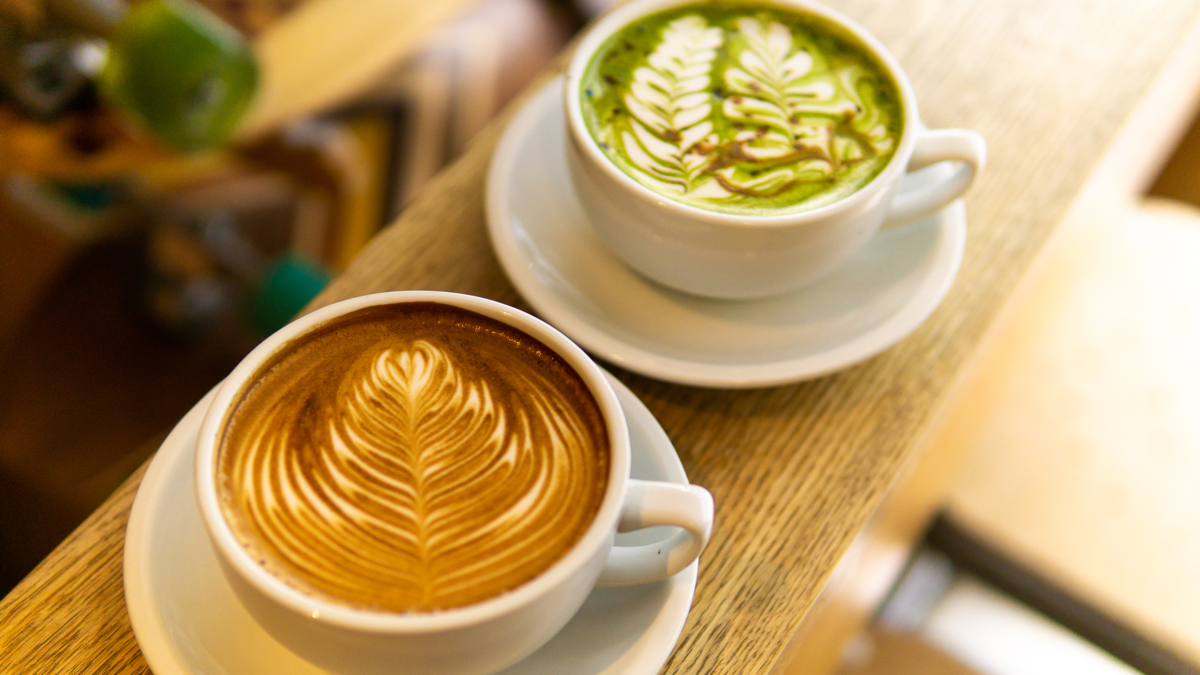
Choosing between healthy drinks comes down to your personal lifestyle, body chemistry, and daily work environment.
Do you get anxious, sweaty, or shaky when drinking strong espresso or dark roasts?
If so, switching your main morning brew over to matcha might completely transform your workday routine. You still get nice physical energy, but without the unpleasant heart racing or sudden brain fog.
On the other hand, if you tolerate stimulants well and love intense early energy, coffee remains a fantastic choice.
Many readers at johjos actually enjoy combining both into their lifestyle! They drink a bold coffee early in the morning to kickstart their day, then switch to matcha after lunch to avoid late-day crashes and protect their night’s sleep.
How to Make the Transition Smoothly
If you decide to switch from coffee to matcha, doing so abruptly can sometimes cause mild caffeine withdrawal symptoms like headaches or light lethargy for a day or two.
To make the transition seamless, consider swapping just one cup of coffee for matcha during the first week. This allows your nervous system to adjust to lower total caffeine while benefiting from L-theanine right away.
Experiment with how you prepare your matcha as well. While traditional matcha is whisked with warm water, adding oat milk, almond milk, or a touch of raw honey creates a creamy, satisfying latte that easily matches the comfort of your traditional morning coffee ritual.
Conclusion
When weighing matcha vs coffee, there is no single winner for everyone. Coffee takes the crown for fast, high-intensity energy when you need to wake up immediately for physical tasks or early shifts. Matcha wins for smooth, long-lasting focus that keeps you calm, clear-headed, and productive without a sharp afternoon crash.
Listen to your body, test both options in your routine, and pick the brew that best fits your daily rhythm!
Frequently Asked Questions
Does matcha have more caffeine than a regular cup of coffee?
No, a standard 2-gram matcha serving contains 30–70 mg of caffeine, whereas 8 ounces of drip coffee generally has 80–140 mg.
Can I drink both matcha and coffee on the same day safely?
Yes, most healthy adults can enjoy both as long as total daily caffeine stays under the recommended 400 mg limit.
Why does coffee give me jitters while matcha feels smooth?
Matcha contains L-theanine, an amino acid that slows caffeine absorption and promotes relaxed brain focus without sudden spikes.
Is matcha better than coffee if I have a sensitive stomach?
Generally yes, because matcha is less acidic than coffee, making it much gentler on your digestive system during morning hours.
Will switching to matcha help prevent afternoon sleepiness?
In most cases yes, because matcha releases caffeine gradually over several hours, preventing the steep adrenaline drop associated with coffee.
