
Key Takeaways
-
Core strength vs full-body flexibility balance
-
Mindful breathing and stress relief focus
-
Low-impact home workout versatility options
-
Distinct fitness comparison for individual goals
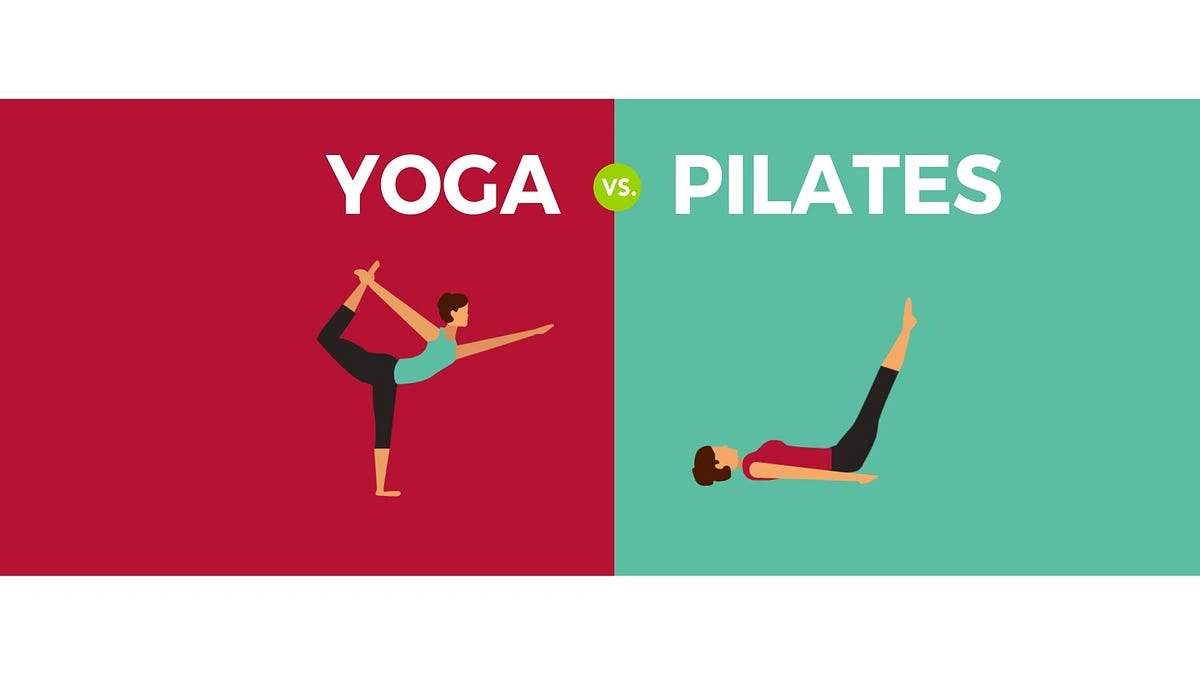
Ever stared at your workout mat wondering if you should do a soothing stretch session or a core-burning mat routine? You are definitely not alone. When deciding between pilates vs yoga, the better choice simply comes down to your personal goals. If you want core strength, posture control, and muscle tone, choose Pilates. If you want mental clarity, deep flexibility, and stress release, choose yoga. Both offer an incredible low-impact home workout, so you really cannot lose either way.
Ai Overview
Choosing between pilates vs yoga comes down to your personal goals. Pilates focuses on core strength, posture, and muscle tone through targeted, controlled movements. Yoga prioritizes flexibility, stress relief, and mindfulness using held poses and breathwork. Both provide a great home workout. Combine both to maximize total yoga benefits alongside powerful pilates benefits for full-body results.
What Is the Real Difference?
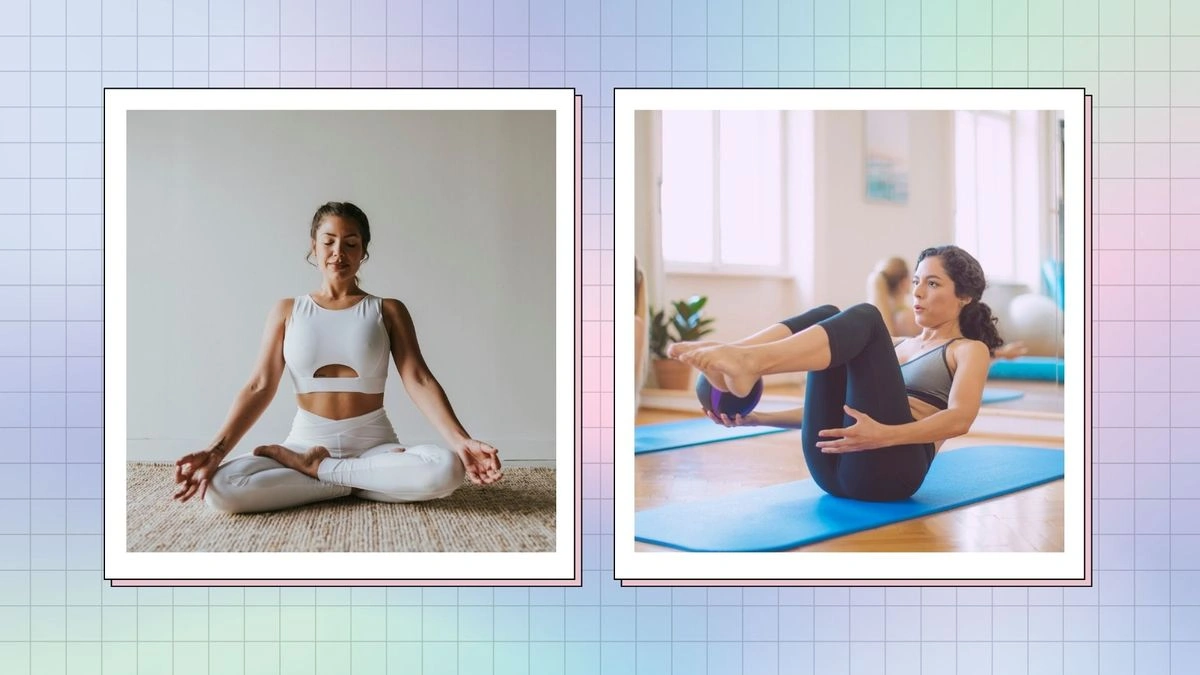
It is super easy to mix these two up. After all, both happen on a mat, use your body weight, and make you feel amazing afterward. But once you start moving, the vibe changes completely. Yoga has been around for thousands of years. It connects your body, mind, and breath through continuous poses.
Pilates started much more recently in the 1920s as a rehabilitation method. It focuses on small, controlled movements that light up your deep core muscles. At johjos.com, we love looking at movement through a practical lens. Thinking of them as dynamic tools rather than strict rules helps you pick what feels right today.
Unpacking the Unique Pilates Benefits
If you have ever done a single Pilates session, you know the burn is very real. The focus stays almost entirely on what instructors call the “powerhouse.” That includes your abdomen, lower back, hips, and glutes.
Posture and Core Power
Pilates teaches you how to stabilize your spine. You move your limbs while keeping your trunk steady as a rock. Over time, this builds long, lean muscle mass without adding bulky mass. It pulls your shoulders back and straightens your spine naturally.
Rehabilitation and Precision
Because it originated as a recovery system, it is exceptionally gentle on your joints. You get an intense muscle workout without any heavy pounding or jumping. Many people turn to a Pilates routine when recovering from minor joint pain or lower back issues.
Exploring the Deep Yoga Benefits
While Pilates works the core, yoga works the whole system including your mind. It treats physical movement as a moving meditation.
Stress Relief and Mental Clarity
The biggest draw for most people is how yoga clears mental clutter. Matching your movement to your breath activates your parasympathetic nervous system.
That is just a fancy way of saying it tells your brain to calm down, drop cortisol levels, and relax.
Flexibility and Joint Mobility
Yoga holds poses for longer periods. This stretches your muscles, deepens connective tissue elasticity, and improves total joint range of motion. regular practice keeps your body feeling loose, fluid, and comfortable throughout daily life.
Side-by-Side Fitness Comparison
Let us break down how these two stack up side-by-side so you can see which matches your current routine.
| Feature | Pilates | Yoga |
| Primary Focus | Core strength, posture, stability | Flexibility, mindfulness, balance |
| Breath Technique | Exhale on effort (through mouth) | Deep diaphragmatic breath (through nose) |
| Movement Style | Small, repetitive, precise control | Flowing transitions or held poses |
| Mind-Body Element | High physical concentration | Deep meditation and stress relief |
| Best Equipment | Mat, resistance bands, reformer | Mat, blocks, yoga strap |
When looking at this fitness comparison, remember that neither practice is superior overall. They simply target different aspects of your well-being.
Setting Up an Effective Home Workout
One of the best things about both practices is that you do not need an expensive gym membership to start. You can transform your living room floor into a sanctuary in less than two minutes.
Here is how you can set up a great home workout space:
-
Find a quiet spot with enough space to stretch your arms out wide.
-
Invest in a thick, comfortable mat to protect your spine and knees.
-
Keep basic props nearby like water, a towel, or a yoga block.
-
Set a soft lighting mood to help your mind transition away from work stress.
Whether you follow a quick morning video or build your own flow, a home workout gives you full control over your time. We frequently share simple routine ideas on johjos.com to keep your daily practice fresh and enjoyable.
Pilates vs Yoga for Weight Loss and Toning
Can you lose weight doing these workouts? Generally, yes, but they work differently than high-intensity cardio.
Pilates builds lean muscle mass. Muscle tissue naturally burns more energy at rest than fat tissue, which helps support a healthy metabolic rate over time.
Yoga especially active styles like Vinyasa or Power Yoga, keeps your heart rate elevated while burning steady calories. Additionally, the stress-reduction yoga benefits help curb emotional eating and improve sleep quality, which is crucial for healthy weight management.
For overall body toning, Pilates takes a slight edge because of its targeted resistance work. However, combining both creates a balanced approach to strength and recovery.
Can You Combine Both Practices?
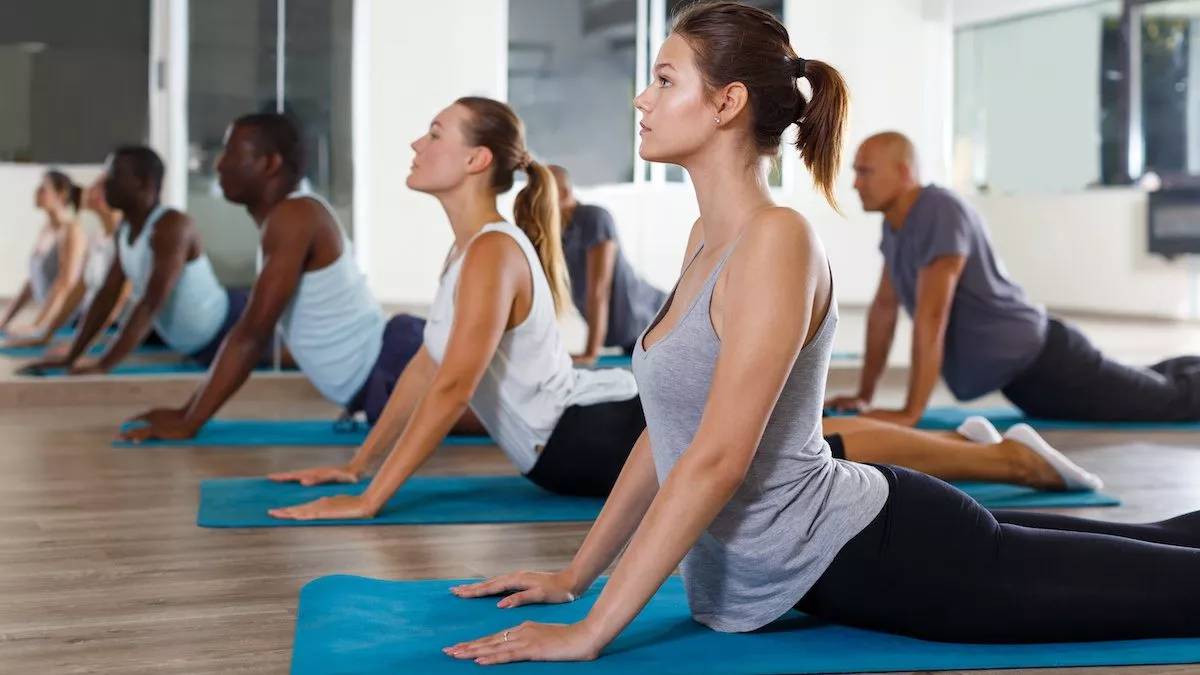
You do not have to pick just one side in the pilates vs yoga debate. Combining them is often the ultimate secret to staying consistent and injury-free.
Here is a simple structure you can try across your week:
-
Monday: Core-focused Pilates mat routine
-
Tuesday: Gentle, relaxing Hatha yoga flow
-
Wednesday: Active Pilates upper body work
-
Thursday: Deep stretching Yin yoga session
-
Friday: Dynamic Pilates lower body routine
-
Saturday: Full-body yoga flow
-
Sunday: Total rest and light walking
Mixing these styles keeps your brain engaged and prevents physical burnout. You enjoy the core-building pilates benefits on one day and the relaxing yoga benefits the next.
How to Choose What Your Body Needs Today
Listen to your body before stepping onto the mat each morning. Some days you need energy and strength; other days you need calm and space. If you woke up feeling sluggish, foggy, or physically tight, choose a gentle yoga flow. The deep breathing will wake up your nervous system without exhausting your energy reserves.
If you feel energetic and want a physical challenge that targets your abs and back, pick Pilates. Our team at johjos.com always encourages listening to your inner voice rather than forcing a intense session when your body asks for rest.
Common Myths Debunked
Let us clear up a few misunderstandings that often hold people back from starting.
Myth 1: You need to be flexible to do yoga
You do not join a gym only after you are fit, and you do not start yoga only after you are flexible. Flexibility is the result of practice, not the entry requirement.
Myth 2: Pilates is only for women or younger adults
Pilates was created by a male boxer and gymnast named Joseph Pilates. It is widely used by professional male athletes, physical therapy patients, and seniors alike to build durable core stability.
Myth 3: You can’t get strong with just body weight
Controlling your own body against gravity requires immense physical control. Both practices build functional strength that directly carries over into everyday movements like lifting, carrying, and bending.
Finding Your Perfect Movement Balance
Choosing between pilates vs yoga is not about finding a winner. It is about discovering what makes your body feel strong, energized, and clear-headed. Pilates gives you exceptional posture, deep core stability, and targeted muscle control. Yoga gives you fluid mobility, mental peace, and holistic stress relief.
Try testing both in your low-impact home workout routine this week. Pay attention to how your muscles feel and how your mind responds after each session. The best routine is always the one you look forward to doing every single day.
Frequently Asked Questions
Which option is better for beginners?
Both options work well for beginners because you can easily modify every movement to fit your current comfort and strength level safely.
Can I do Pilates and yoga on the same day?
Yes, you can easily combine them by starting with strength-focused Pilates and finishing with a calming yoga stretch session.
How many times a week should I practice?
Practicing two to three times a week generally delivers noticeable improvements in core strength, posture, flexibility, and overall mood balance.
