
Key Takeaways
-
Linen offers maximum breathability; cotton provides soft daily comfort
-
Both are excellent natural choices for summer clothing
-
Linen lasts longer; cotton feels softer right out of the box
-
Your choice depends on style preference and climate needs
Have you ever stood in front of your closet on a sweltering July afternoon, wondering why your outfit feels like a portable sauna? Trust me, we have all been there!
When the heat hits, choosing between linen vs cotton becomes the ultimate style decision for staying cool and looking effortlessly put together.
So, which fabric actually wins the crown? Here is the quick answer: Linen is the ultimate king of breathability and quick drying for hot weather, while cotton wins on instant softness, affordability, and easy everyday care.
Neither is strictly better than the other; it all comes down to what you need most in your daily wardrobe!
AI Overview
Comparing linen vs cotton comes down to structure, comfort, and performance. Linen is crafted from flax fibers, making it exceptionally airy, durable, and quick-drying, though prone to natural wrinkles. Cotton comes from the cotton plant, offering softer texture, easy maintenance, and versatile wear. For hot climates, linen excels in ventilation, while cotton provides smooth everyday comfort for versatile outfits.
Understanding the Roots: What Are Linen and Cotton Made Of?
To really understand this fabric comparison, we have to start at the root literally! Both options come from natural plant fibers, but they grow, feel, and behave very differently from the moment they are harvested.
Linen is crafted from the resilient stalks of the flax plant. These flax fibers are naturally long, crisp, and slightly thick with a hollow core. That unique hollow center acts like a natural air conditioning system, allowing fresh air to flow through the material effortlessly while releasing trapped body heat.
On the other hand, cotton comes from the soft, fluffy bolls surrounding the seeds of the cotton plant. These individual fibers are naturally short, fine, and flexible. When spun into yarn, they create smooth, gentle threads that feel instantly soft against your skin right out of the box.
At johjos.com, we love working with natural textiles because they let your skin breathe naturally without trapping moisture or heat like synthetic materials often do. When you choose plant-based fabrics, you are giving your body the comfort it naturally craves throughout the day.
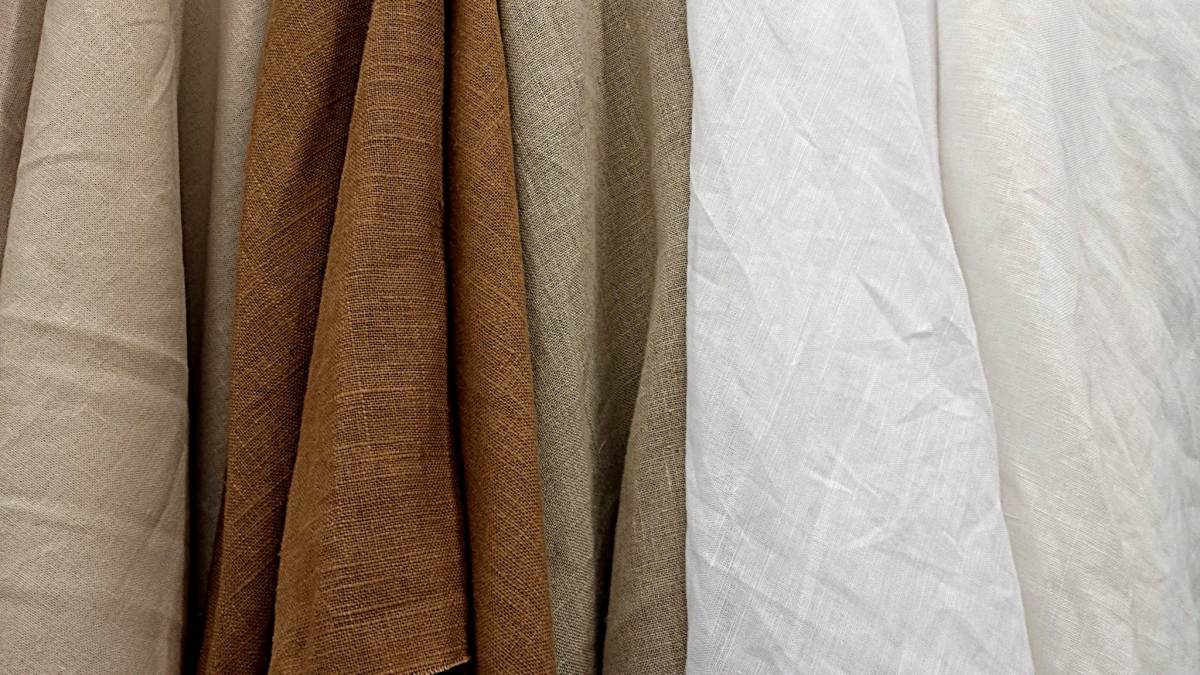
Linen vs Cotton: Direct Comparison
Let us break down how these two heavyweights stack up across key factors:
| Feature | Linen | Cotton |
| Breathability | Extremely high | High |
| Softness Out of Box | Slightly crisp (softens with age) | Soft immediately |
| Moisture Wicking | Absorbs and dries super fast | Absorbs well, dries slower |
| Durability | Exceptionally high (lasts decades) | High (lasts years) |
| Wrinkle Resistance | Low (embraces natural wrinkles) | Medium to high |
| Best Season | Peak summer & humid heat | Year-round versatility |
The Ultimate Breathability Test: Beating the Heat
When the temperature rises, everyone searches for true breathable fabrics to stay fresh and dry. So how do these two popular options compare when you step out into the blazing sun?
Linen takes the lead in hot conditions thanks to its loose weave and structural stiffness. Because the fibers are rigid, linen clothing sits slightly away from your skin rather than clinging to it. Air passes through the weave continuously, creating a cooling sensation that feels like a constant personal breeze. It also pulls sweat away from your body and evaporates it almost instantly.
Cotton is also wonderfully breathable, but its soft, flexible weave allows the fabric to sit closer to your body. Cotton fibers absorb moisture extremely well, but they hold onto that water longer than flax does. If you sweat heavily on a humid afternoon, a cotton shirt can start to feel slightly damp against your skin for a short period.
If you are putting together your favorite summer clothing pieces for a tropical vacation or a weekend beach getaway, linen gives you that breezy, relaxed look while keeping sweat completely at bay.
Comfort, Softness, and Daily Wearability
How do these two classic fabrics feel during an ordinary day of work, chores, or lounging?
Cotton is the undisputed king of initial comfort. From lightweight everyday t-shirts to cozy lounge pants and warm bedding, high-quality cotton feels soft and inviting from day one without any break-in period required. It stretches slightly with your movements, adapting easily to active days.
Linen starts its lifecycle with a slightly stiffer, crisp texture. But here is the secret magic of flax fibers: every single wash makes them softer, smoother, and more flexible. A well-cared-for linen shirt worn for two years often feels far softer and more luxurious than brand-new cotton!
When reviewing wardrobe staples at johjos, we generally find that people who prefer smooth, neat, and snug-fitting garments lean toward cotton, while those who love relaxed texture and airy freedom choose linen every single time.
Care, Maintenance, and the Wrinkle Question
Let us be completely honest about the elephant in the room: wrinkles!
Linen wrinkles quickly and easily it is simply a natural part of its organic charm! That relaxed, slightly rumpled look is an iconic element of classic warm-weather style. If you hate ironing or prefer a crisp, uniform appearance at all times, wearing linen might require a quick mindset shift toward embracing its easygoing aesthetic.
Cotton holds its shape significantly better throughout the day. While pure cotton can certainly wrinkle after washing, it responds quickly to a light steam or a quick iron session. This makes cotton garments much easier to maintain for formal office environments, structured uniforms, or polished evening events.
When it comes to laundering, both materials are happily machine washable in cold or lukewarm water. However, linen dries much faster on the line, whereas cotton can safely handle low-heat tumble drying without losing its shape.
Durability and Lifespan in Your Closet
Which fabric actually lasts longer when subjected to regular wear and weekly laundry cycles?
Linen fibers are generally estimated to be up to 30% stronger than cotton fibers. Because flax is so robust, linen garments do not pill, stretch out of shape, or thin out easily over time. In fact, vintage linen heirlooms can easily last for decades without losing their structural integrity or distinctive charm.
Cotton is also very durable for everyday laundering and wear, but frequent washing and high-heat drying eventually break down cotton fibers over several years. Over time, cotton tees may lose their original shape or develop small holes near stress points.
In terms of pure longevity and long-term value, linen wins the endurance test hands down!
Environmental Impact: Which Fabric Is Greener?
If you care about eco-friendly fashion choices, both natural options are vastly superior to synthetic polyester and nylon, but they have different environmental footprints.
Flax requires significantly less water and fewer chemical pesticides to grow than conventional cotton. It thrives in poor soil conditions where other crops struggle, and almost every part of the flax plant is utilized during production, leaving behind minimal agricultural waste.
Cotton is a resource-intensive crop that generally requires substantial water irrigation and agricultural management to yield high quantities. However, choosing organic cotton significantly reduces pesticide use and protects local soil health.
Overall, linen generally edges out conventional cotton as the more sustainable natural fiber for eco-conscious shoppers.
Which One Should You Choose for Your Wardrobe?
Selecting between cotton vs linen ultimately comes down to your personal routine, local climate, and aesthetic preferences.
Choose Linen If:
-
You live in a hot, humid climate and need maximum cooling performance.
-
You love a relaxed, effortless, textured aesthetic.
-
You want high-quality pieces that get softer and better with age.
-
You want fast-drying, lightweight outfits for warm travel destinations.
Choose Cotton If:
-
You want soft, smooth comfort straight out of the package.
-
You prefer neat, wrinkle-free outfits for professional or formal settings.
-
You need versatile, budget-friendly clothing for year-round layering.
-
You prefer low-maintenance, worry-free laundry routines.
Conclusion
Both materials have earned their iconic status in modern wardrobes for very good reason. Linen stands out as the ultimate choice for airy summer clothing, superior heat relief, and long-lasting durability that improves over time. Cotton remains the undisputed global standard for daily softness, easy care, and versatile year-round wear across every season.
By keeping a thoughtful balance of both natural materials in your closet like the versatile collections curated at johjos you can stay comfortably stylish no matter what season or weather comes your way!
Frequently Asked Questions
Is linen better than cotton for summer heat?
Yes, in most cases linen offers better airflow and dries faster than cotton during hot weather.
Does linen shrink more than cotton when washed?
Generally, high-quality linen can shrink if washed in hot water, so cold water is always recommended.
Can you blend linen and cotton together?
Yes, linen-cotton blends combine linen’s cool breathability with cotton’s soft, wrinkle-resistant qualities.
