
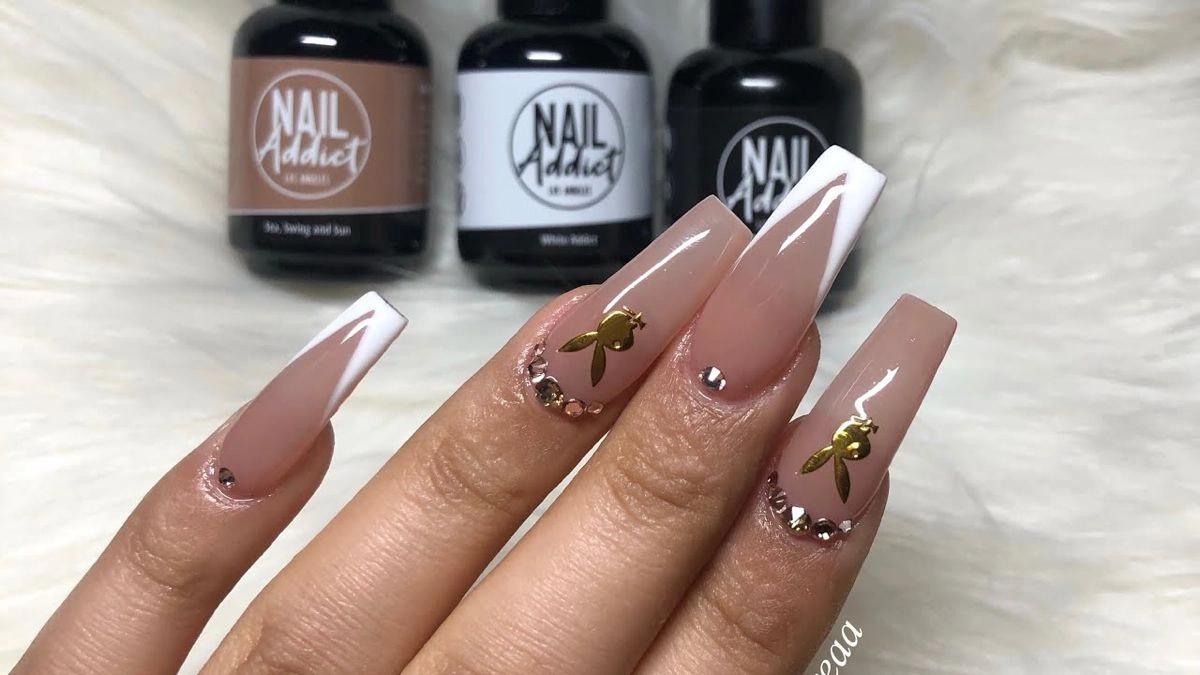
Acrylic nails have remained a salon favorite for a reason: they can transform the look of your hands, add length to short natural nails, and provide a sturdy base for everything from a simple nude manicure to intricate nail art.
You might notice them as long, sculpted French tips, glossy red nails, soft pink extensions, or elaborate designs covered in chrome and crystals. But acrylic nails are more than a beauty trend.
Choosing the right set also means understanding how acrylics are applied, how long they last, what maintenance they need, and how to protect your natural nails underneath. Whether you’re considering acrylics for the first time or looking for a new design, this guide covers the essentials to help you make an informed choice.
What Are Acrylic Nails?
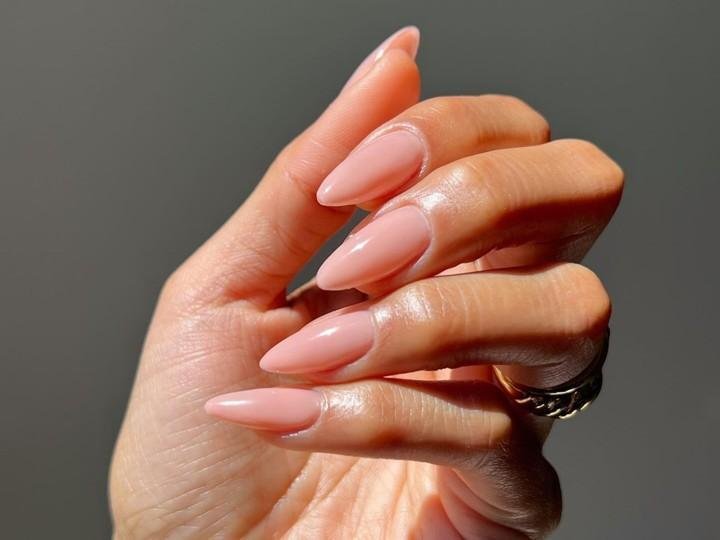
Acrylic nails are artificial nail enhancements created by combining a liquid monomer with a powdered polymer. The mixture forms a workable material that a nail technician shapes over the natural nail or a nail extension. It hardens as it cures, creating a durable surface that can be filed, polished, and decorated.
Acrylics can add length, reinforce the appearance of the nail, and provide a foundation for nail art. They can be shaped into short, natural-looking extensions or longer, more dramatic designs. Unlike ordinary nail polish, acrylic is a structural enhancement rather than just a colored coating. A complete set may include nail tips or sculpted extensions, acrylic product, filing, and a final polish or design.
Acrylic nails are often compared with gel extensions, but the materials and application methods differ. Traditional acrylic systems generally harden through a chemical reaction, while many gel systems require curing under a suitable nail lamp.
How Are Acrylic Nails Applied?
A professional acrylic manicure usually follows several steps. The exact process depends on the technician’s technique and the condition of your natural nails.
- Nail preparation: The technician cleans the nails, shapes the edges, and prepares the nail surface. The cuticle area should be handled gently to avoid injury.
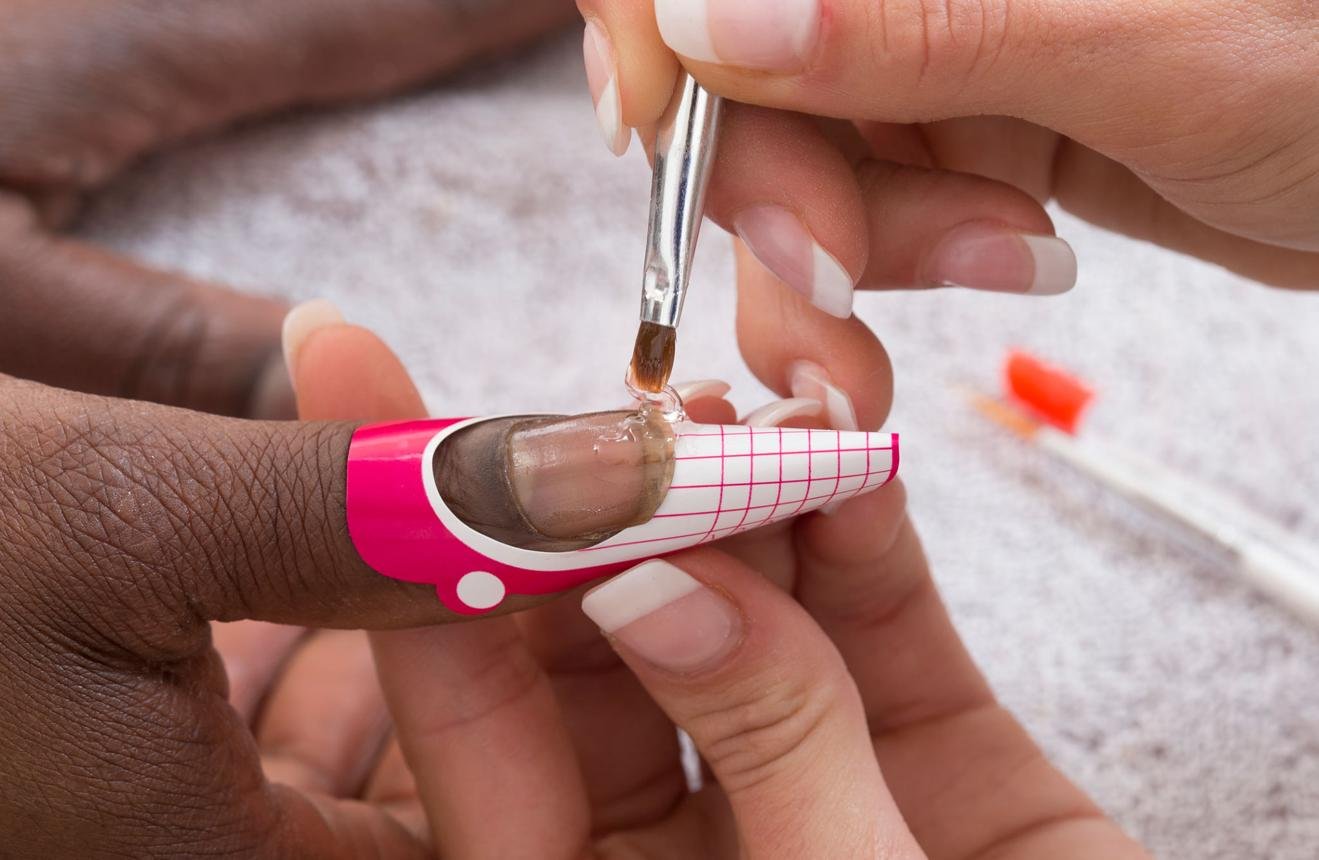
- Adding length: Nail tips may be attached to extend the natural nail, or the technician may use a form to sculpt an extension.
- Applying acrylic: The liquid-and-powder mixture is placed and shaped over the nail.
- Shaping and refining: Once the material has hardened, the technician files the enhancement to create the desired length, thickness, and shape.
- Finishing the manicure: Polish, gel color, French tips, chrome, or nail art can be added to complete the design.
The finished result should feel balanced rather than excessively thick or painful. Acrylic should not be applied over damaged or infected nails without appropriate assessment, and the product should not be allowed to irritate the surrounding skin.
12 Acrylic Nail Designs Worth Trying
Acrylic nails are popular partly because they offer so many design possibilities. Your choice can be simple and understated, colorful and playful, or bold enough to become the centerpiece of an outfit.
1. French Tip Acrylic Nails
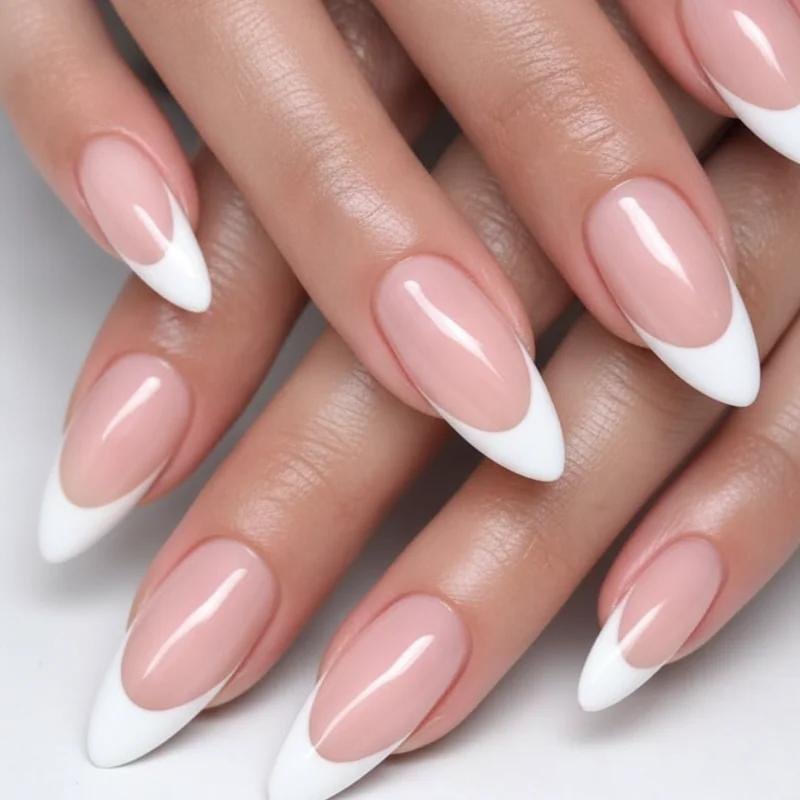
French tip acrylics combine a sheer pink or nude base with crisp white tips. The style works with short square nails, long almond extensions, and modern coffin shapes. For a contemporary twist, try micro-French tips, colored edges, or a chrome finish.
2. Nude Acrylic Nails
Nude acrylics are ideal if you prefer a polished look without bright colors or elaborate designs. Shades range from peachy beige and caramel to rosy pink and milky brown. Choosing a nude shade that complements your skin tone can help create a cohesive, natural-looking finish.
3. Pink Acrylic Nails
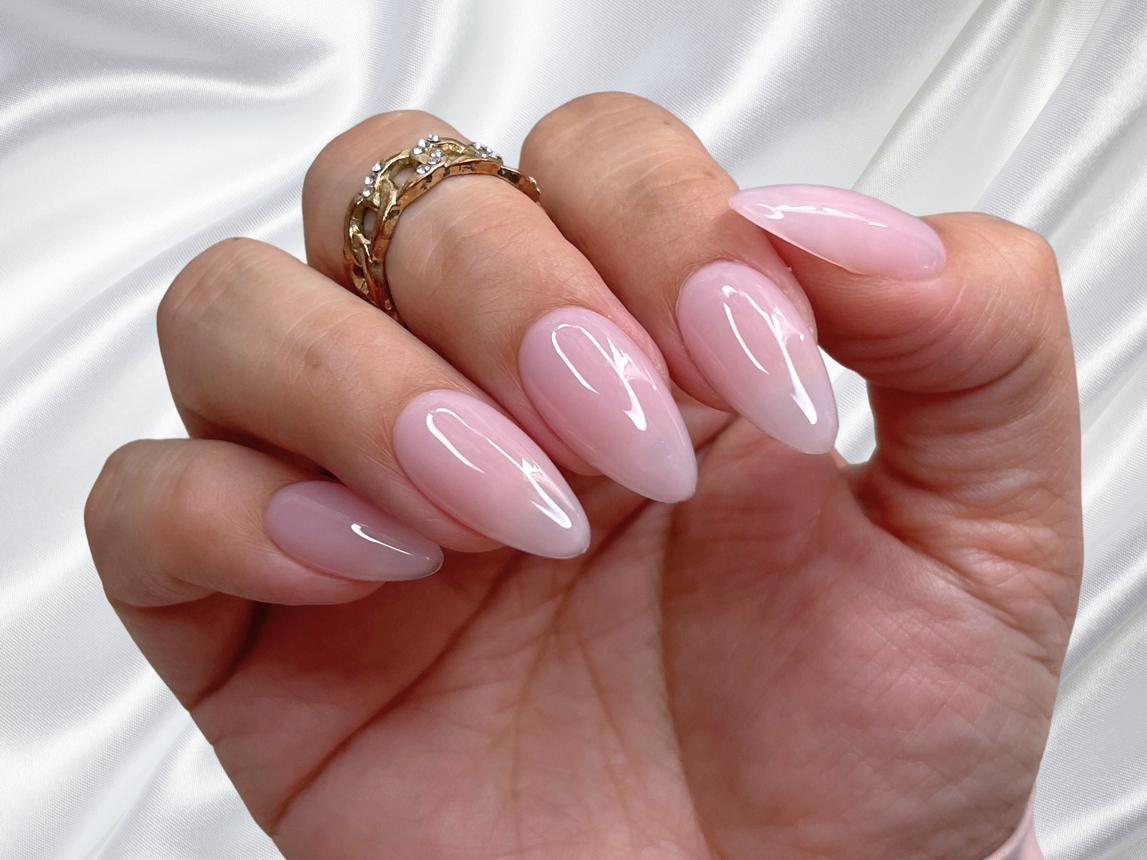
Pink acrylics can be soft and understated or bold and playful. Baby pink and milky blush suit minimalist manicures, while hot pink and fuchsia make a stronger statement. A glossy finish keeps the design classic, while a matte top coat gives it a more modern appearance.
4. Red Acrylic Nails
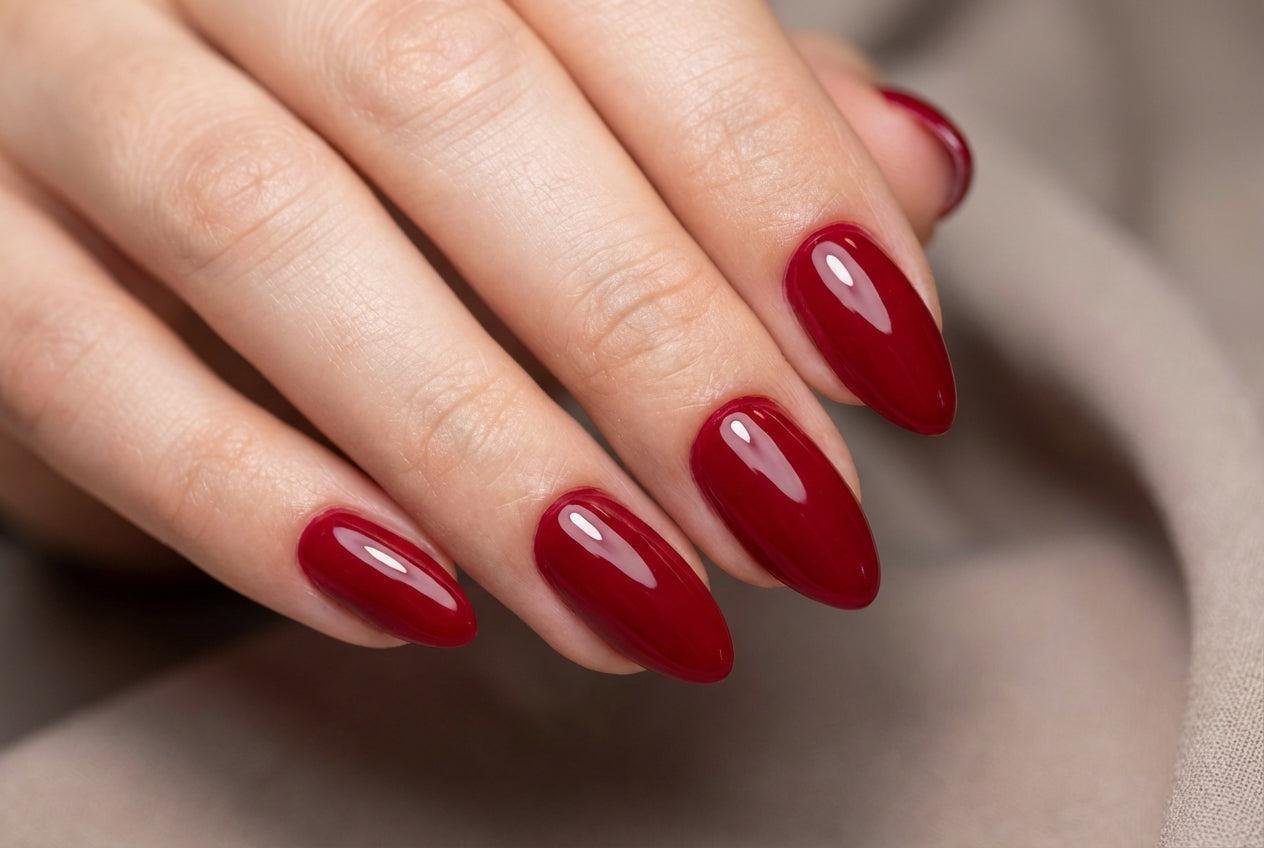
Red acrylic nails are a timeless option for anyone who wants a manicure that stands out. Cherry red feels bright and fresh, while burgundy and oxblood create a deeper, more dramatic look. A single solid color is often all you need.
5. Black Acrylic Nails
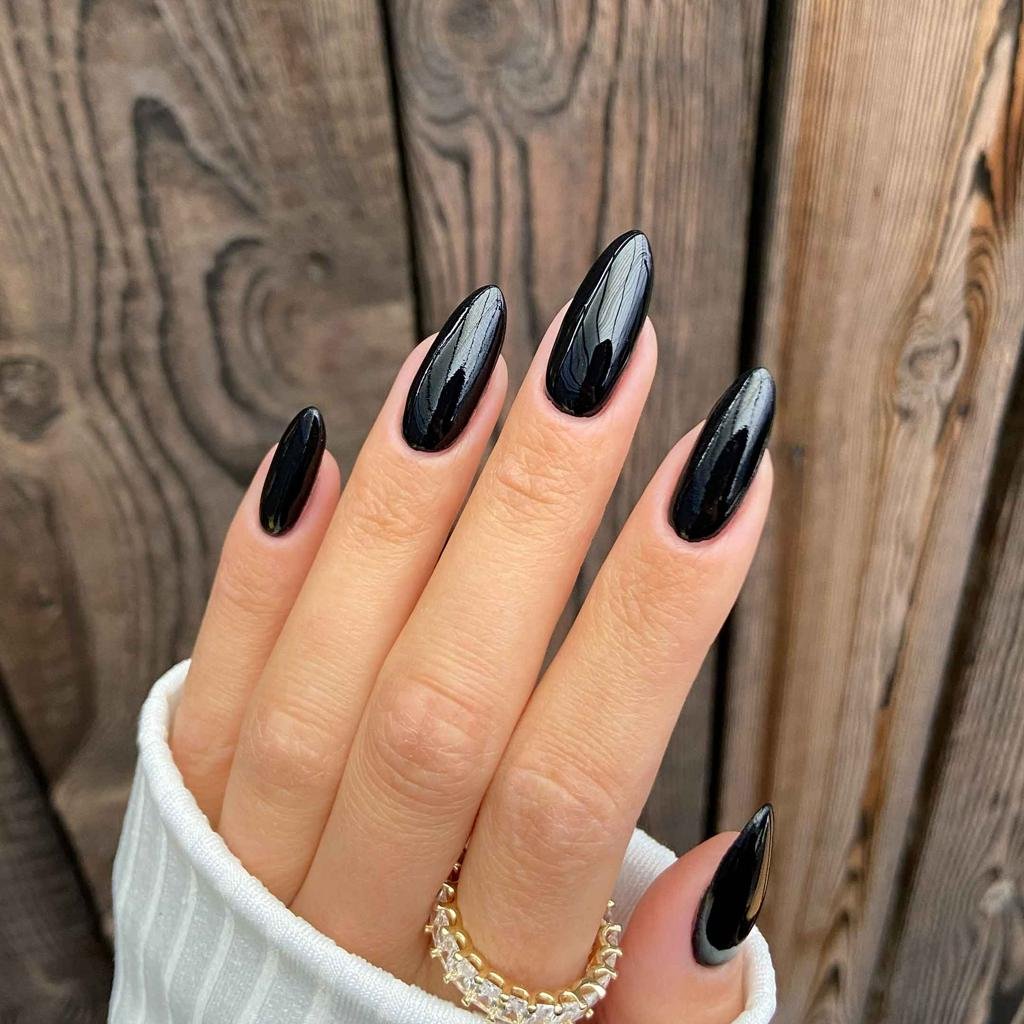
Black acrylics offer a sleek, high-contrast finish. Wear them as a simple glossy set or add silver chrome, geometric details, or a matte accent nail. If you want a softer alternative, try charcoal or black French tips over a nude base.
6. White Acrylic Nails
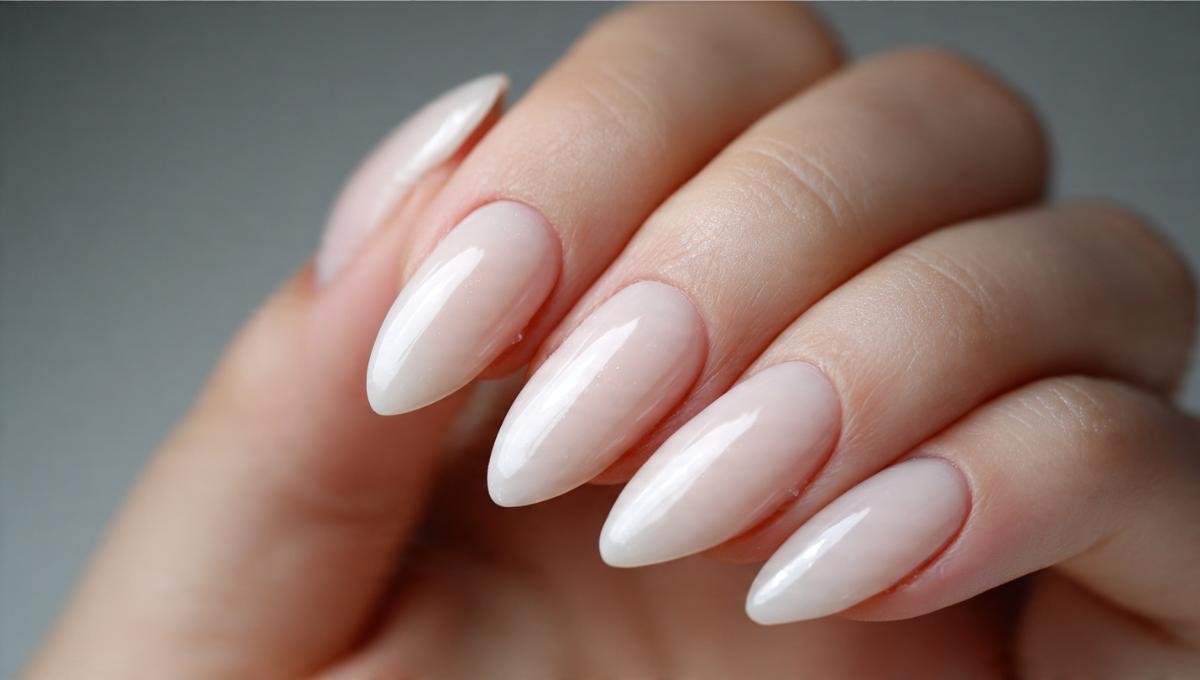
White acrylics can look clean, modern, and elegant. Milky white gives a softer appearance than opaque white, while bright white creates a more striking finish. They work especially well with almond and oval shapes and can be paired with delicate pearl or silver accents.
7. Chrome Acrylic Nails
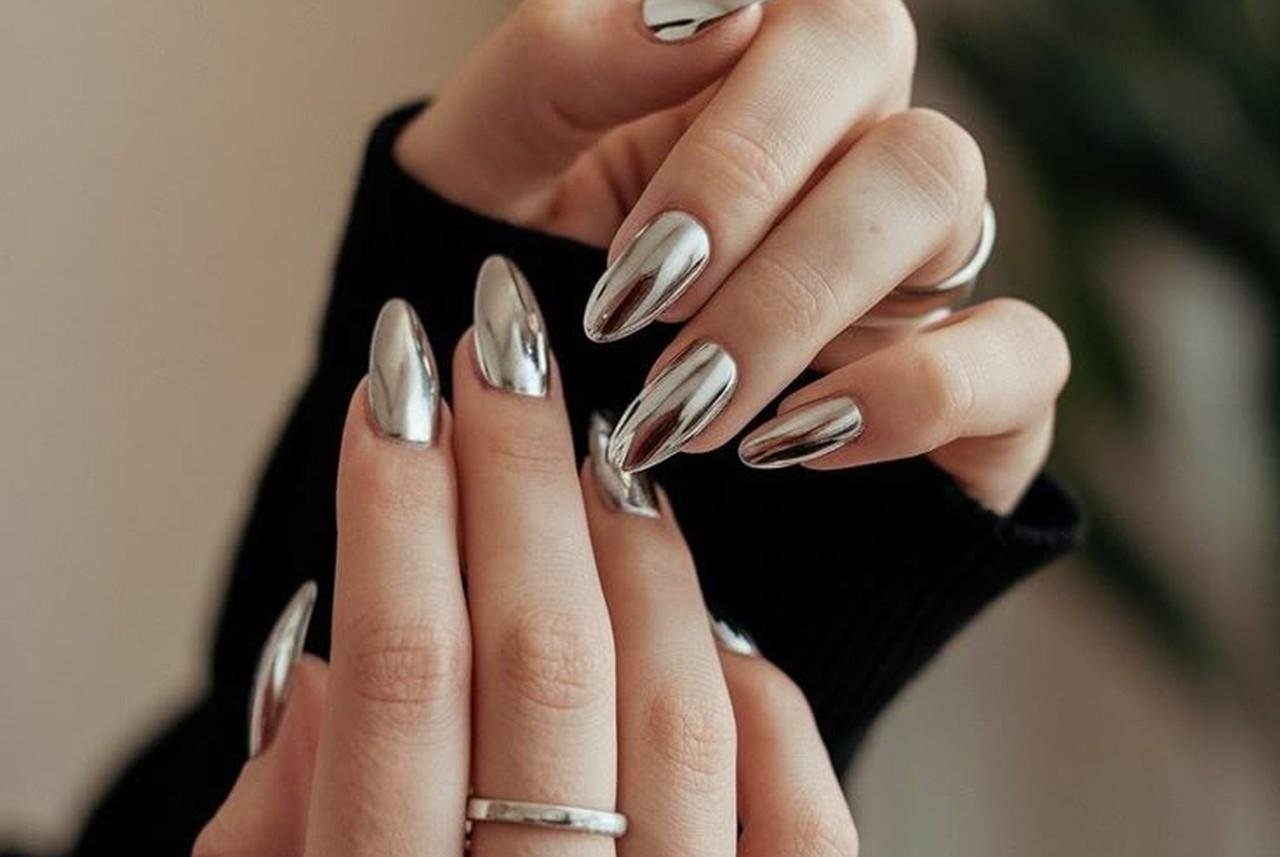
Chrome acrylics use a reflective finish that can resemble polished metal. Silver, rose gold, champagne, and glazed pearl effects are popular choices. Because the finish is already eye-catching, simple nail shapes and minimal additional decoration often produce the most balanced result.
8. Ombre Acrylic Nails
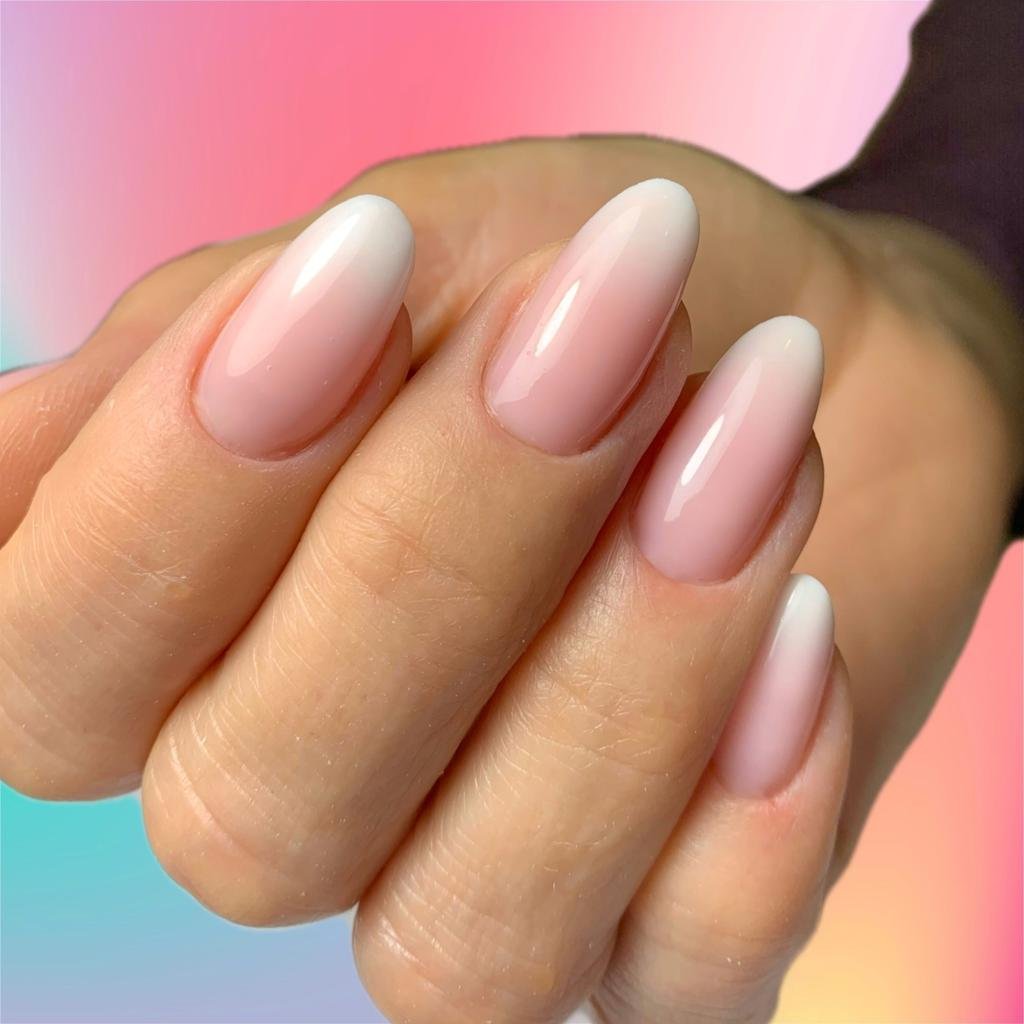
Ombre acrylics blend two or more colors gradually. The classic pink-to-white version, often called a baby boomer manicure, offers a softer alternative to a traditional French tip. Other combinations include nude and brown, pink and purple, or black and red.
9. Glitter Acrylic Nails
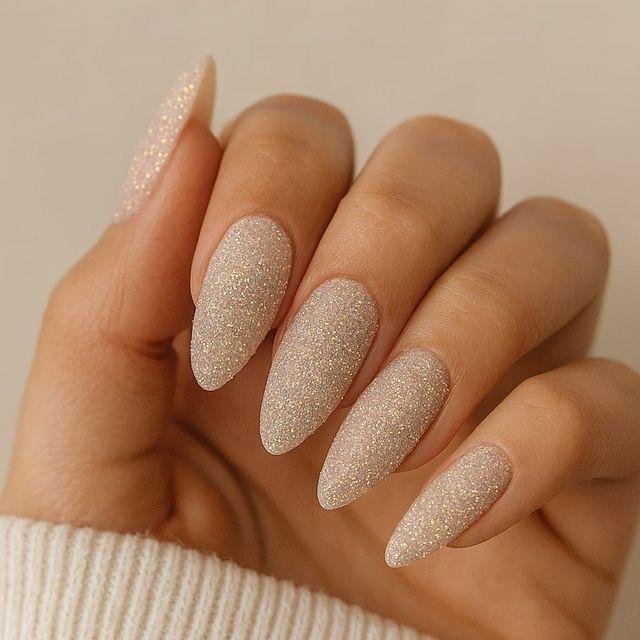
Glitter acrylics are well suited to celebrations, parties, and festive occasions. You can cover every nail in fine shimmer or keep the glitter to one or two accent nails. Champagne and silver create a delicate sparkle, while multicolor glitter makes the manicure more playful.
10. Floral Acrylic Nails
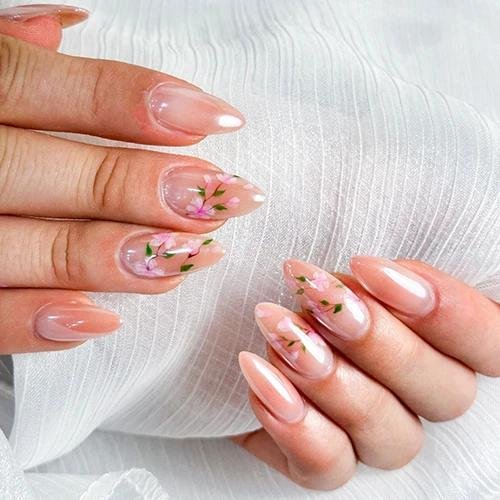
Floral acrylics range from tiny daisies to detailed botanical illustrations. A nude or pastel base helps delicate flowers stand out without making the entire set feel busy. This design works particularly well for spring, weddings, and anyone who enjoys romantic nail art.
11. Cat Eye Acrylic Nails
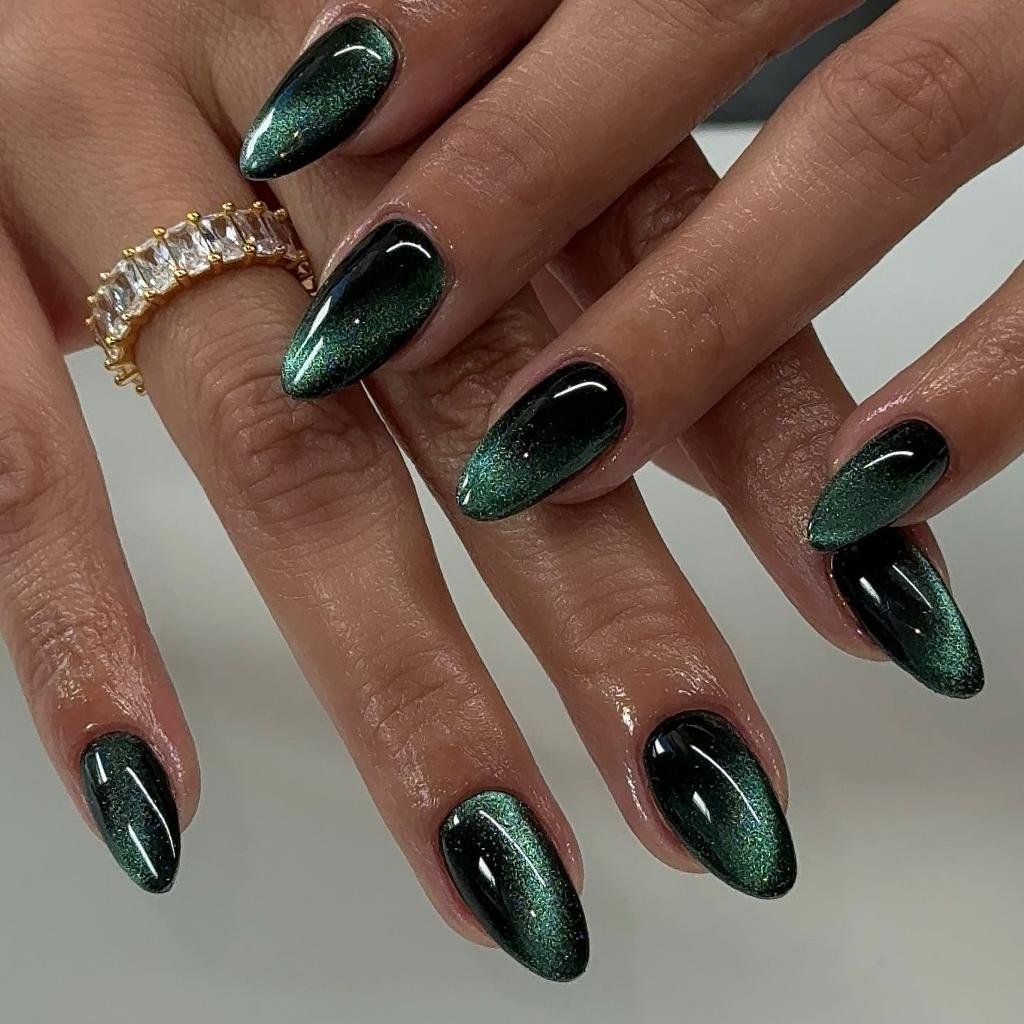
Cat eye acrylics combine the structure of acrylic extensions with the shifting, magnetic effect of cat eye polish. Emerald, navy, burgundy, and black are especially striking options. The acrylic provides the shape and length; the magnetic polish creates the reflective design.
12. Short Acrylic Nails
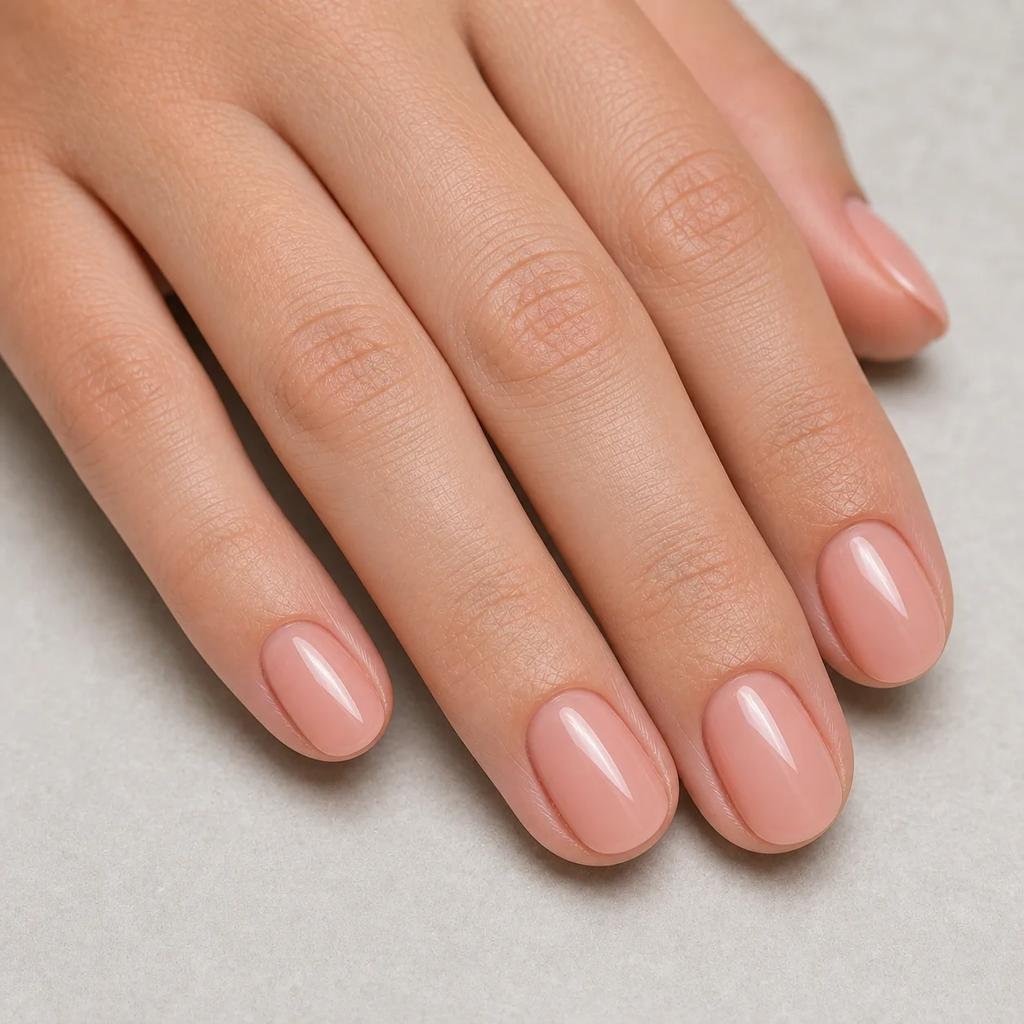
Acrylics don’t have to be long. Short extensions can provide a uniform shape and a neat finish while keeping the manicure relatively understated. Try short square French tips, rounded nude nails, or a solid burgundy color if you want a style that feels practical for everyday activities.
Which Acrylic Nail Shape Is Best?
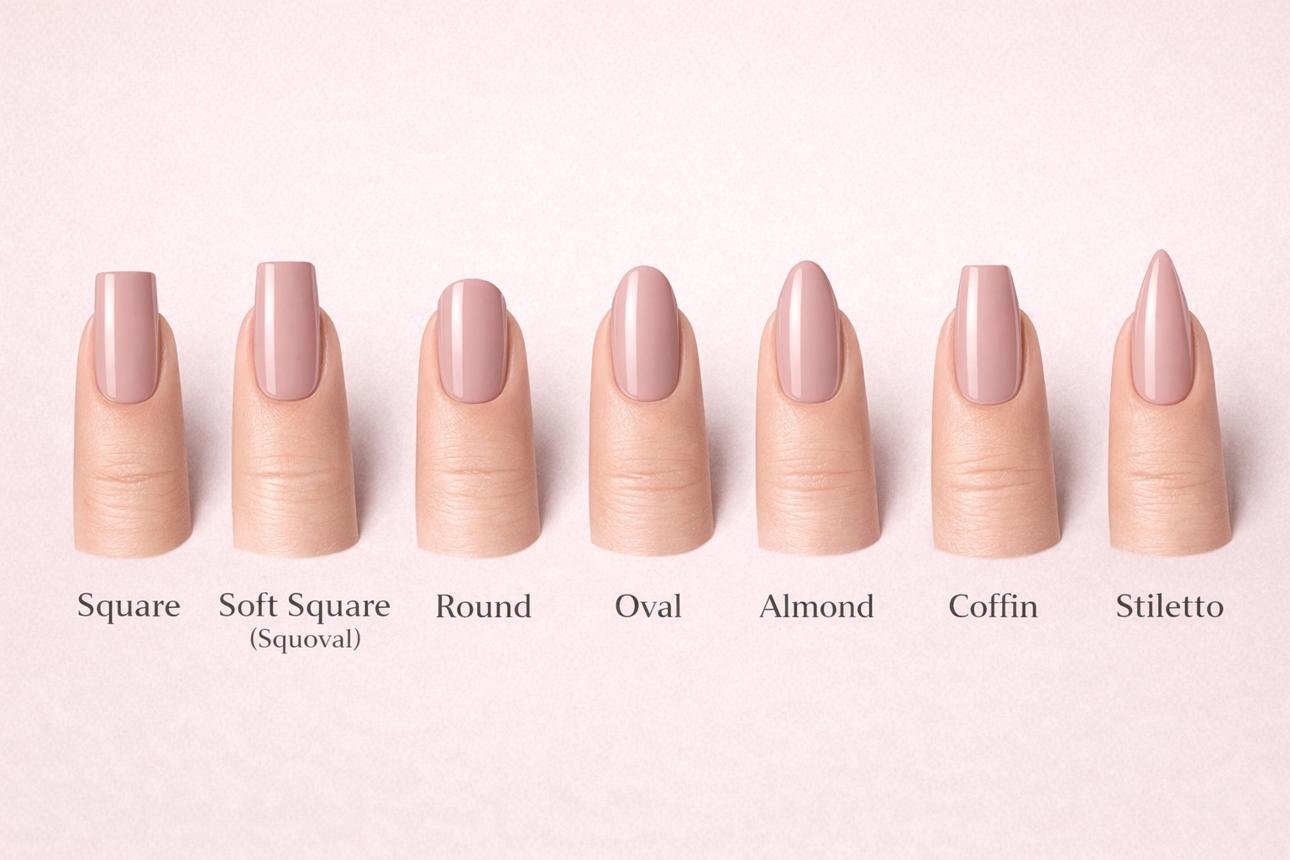
Your nail shape affects the overall look of an acrylic manicure, but comfort and everyday activities matter just as much as appearance.
| Shape | What it looks like | Works well for |
| Almond | Tapered sides with a rounded point | Elegant, elongated designs |
| Square | Straight sides and a flat tip | French tips and clean, modern looks |
| Coffin | Tapered sides with a flat end | Long, dramatic designs |
| Oval | Smooth, rounded edges | Classic and understated manicures |
| Stiletto | Long, sharply pointed tip | Bold statement nails |
| Squoval | Square shape with softened corners | A practical, versatile finish |
If you’re new to acrylics, a shorter oval, squoval, or square shape is often a sensible place to start. Extremely long or pointed nails may require more adjustment when typing, exercising, handling small objects, or performing household tasks.
Acrylic Nails vs. Gel Nails: What’s the Difference?
Acrylic and gel enhancements can both create length and a polished finish, but they use different materials and application processes.
| Feature | Acrylic nails | Gel nail enhancements |
| Main material | Liquid monomer and powdered polymer | Gel-based nail product |
| Hardening process | Generally hardens through a chemical reaction in air | Usually requires a compatible UV or LED lamp |
| Feel | Often rigid and firm | Varies by gel system; some are more flexible |
| Shape options | Short, long, sculpted, and extended | Short, long, sculpted, and extended |
| Removal | Usually involves filing and an appropriate removal process | Depends on the gel system; some soak off, others require filing |
Neither option is automatically harmless to natural nails. Preparation, product exposure, application quality, and removal technique all influence the risk of damage. The American Academy of Dermatology notes that artificial nail enhancements can leave natural nails thinner, brittle, or dry, especially with repeated filing and touch-ups.
How Long Do Acrylic Nails Last?
Acrylic nails commonly need maintenance every two to three weeks as natural nails grow and a gap develops near the cuticle. The exact timing depends on nail growth, the length of the extensions, product quality, and everyday wear. A fill appointment addresses the new growth and checks the existing enhancement. It is not simply a cosmetic step: lifted acrylic can leave spaces where moisture and debris collect.
Don’t wait for a scheduled appointment if an acrylic nail becomes painful, lifts substantially, or develops unusual discoloration. Have it assessed by a qualified professional, and seek medical advice if you suspect an infection or allergic reaction.
How Much Do Acrylic Nails Cost?
The price varies considerably by country, salon, technician experience, and design complexity. A basic set with a simple polish generally costs less than long sculpted extensions featuring chrome, intricate artwork, or crystals.
The final price may also depend on whether you need a full set, a fill, repairs, or removal of an existing manicure. Before booking, ask whether the quoted price includes the desired length, shape, polish, and nail art. This makes it easier to compare salons without being surprised by extra charges.
Are Acrylic Nails Bad for Your Natural Nails?
Acrylic nails can look beautiful, but they are not risk-free. Natural nail damage may occur when the surface is filed too aggressively, enhancements are pulled off, or repeated applications leave the nail plate thin and brittle. Nail products can also cause skin irritation or allergic reactions in some people.
A few precautions can reduce unnecessary risk:
- Choose a salon that maintains clean tools and good hygiene.
- Avoid aggressive cuticle cutting, which can compromise the skin’s protective barrier.
- Never pull or pry acrylics off your natural nails.
- Ask a qualified technician to remove or repair damaged enhancements.
- Give your natural nails a break if they become weak or brittle.
- Avoid covering nails that are already damaged, discolored, or potentially infected.
If you develop persistent itching, swelling, redness, pain, or nail separation, stop using the suspected product and seek medical advice. If you prefer a simpler manicure while your natural nails recover, explore these short nail designs for stylish, low-maintenance inspiration. Acrylate-related allergies can be significant, so don’t dismiss a rash as an ordinary part of getting your nails done.
How to Care for Acrylic Nails?
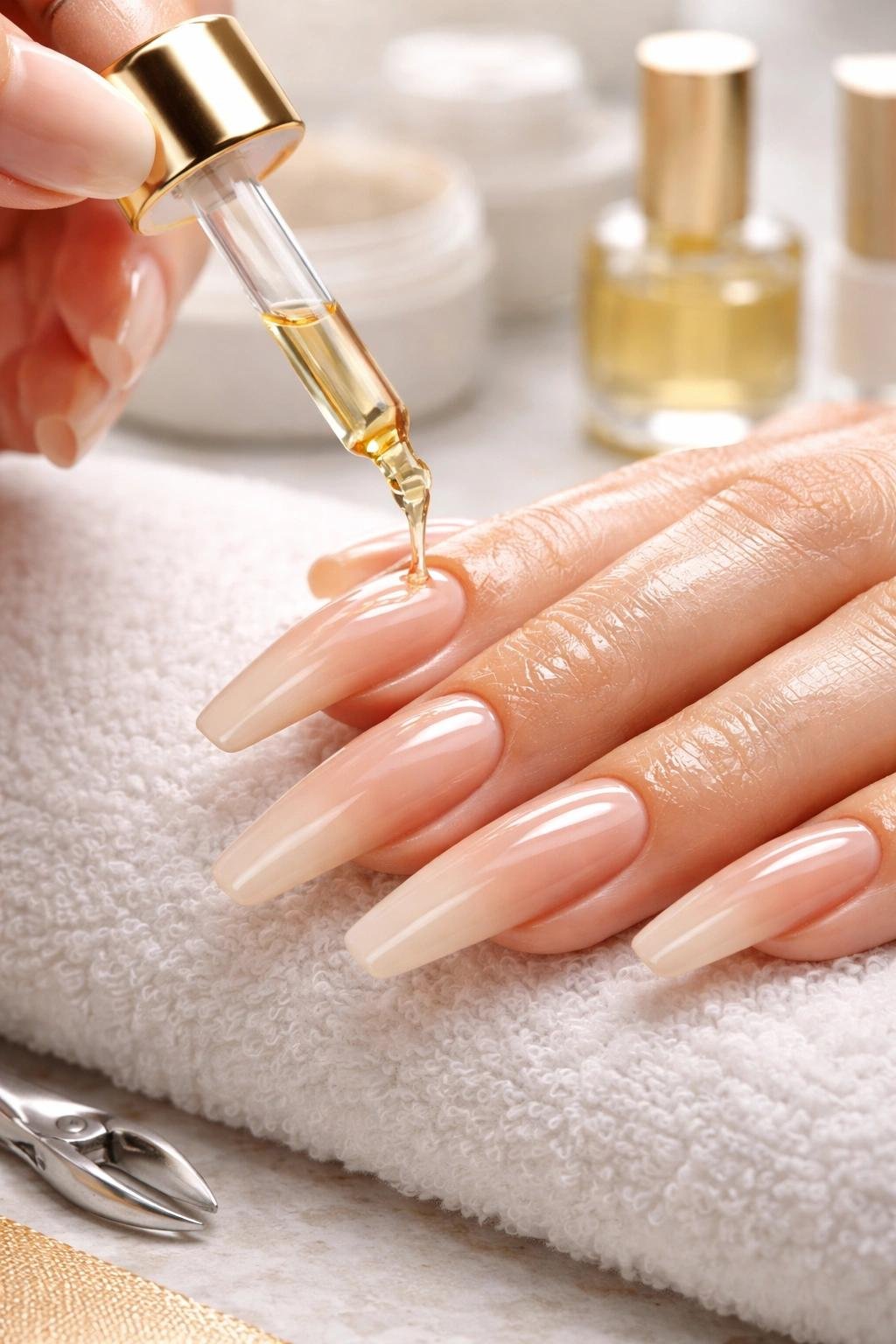
Good aftercare helps keep the manicure looking neat while reducing avoidable stress on your natural nails. Keep your hands and nails clean. Gently clean around the nails rather than digging underneath them with sharp objects. Moisturize regularly. Hand cream and cuticle oil help prevent dry skin around the nail folds. Wear gloves for cleaning. Household detergents and prolonged water exposure can affect the skin and contribute to lifting or wear.
Don’t use acrylic nails as tools. Opening cans, scraping labels, or forcing objects apart can put excessive pressure on the enhancement and natural nail. Don’t ignore lifting. Avoid gluing down a lifted enhancement yourself, especially if moisture, discoloration, or pain is present. Ask a qualified nail technician to assess it.
Remove them properly. Don’t bite, peel, or pull acrylic nails off. Arrange appropriate removal, then moisturize your hands and allow weakened natural nails to grow out. If you’re exploring other manicure styles for your next appointment, take a look at these chrome nail ideas. Dermatologists advise against continuously wearing artificial nails when this is damaging the natural nail.
Frequently Asked Questions About Acrylic Nails
Do acrylic nails damage natural nails?
They can. Excessive filing, forceful removal, repeated touch-ups, and product-related allergic reactions can damage the nail plate or surrounding skin. Proper application and removal reduce avoidable risks, but don’t eliminate them.
How long does it take to get acrylic nails?
A full set often takes around one to two hours, depending on the technician, the starting condition of your nails, and the complexity of the design. Elaborate nail art may take longer.
Can acrylic nails look natural?
Yes. Short oval or squoval extensions with a sheer pink, nude, or milky finish can create a natural-looking manicure. The right shade, length, and thickness make a significant difference.
Can you paint acrylic nails?
Yes. Acrylic enhancements can be finished with many types of compatible nail polish, including regular polish and gel polish. Follow the product instructions, especially when curing gel products.
How often should acrylic nails be filled?
Many people schedule fills every two to three weeks, but the right interval depends on growth and the condition of the enhancement. Pain, lifting, or unusual discoloration should be assessed sooner.
Are acrylic nails better than press-on nails?
Neither is best for everyone. Acrylics are salon-applied enhancements that can be sculpted and maintained over time. Press-on nails are removable artificial nails that can be convenient for temporary looks. Your choice depends on your preferred wear time, budget, and willingness to maintain the manicure.
Can you remove acrylic nails at home?
Removal can be difficult and may damage natural nails if done incorrectly. The safest option is to have a qualified professional remove them. Never rip, peel, or force an enhancement off.
Final Thoughts
Acrylic nails offer an enormous range of possibilities, from a short nude manicure to long coffin extensions with elaborate nail art. Their versatility makes them appealing for everyday wear, special occasions, and personal style experiments. The best set isn’t necessarily the longest or most decorated. It’s one that suits your lifestyle, feels comfortable, complements your preferred look, and is applied and removed with care.
Start with a shape and length you can manage comfortably, choose a design you genuinely enjoy, and explore seasonal inspiration like these fall nail colors to find a look that suits your style. Prioritize the health of your natural nails alongside the finished appearance.
Editorial note: This article provides general beauty information, not individualized medical advice. If you notice persistent pain, swelling, skin irritation, or nail separation, consult a qualified healthcare professional.
