
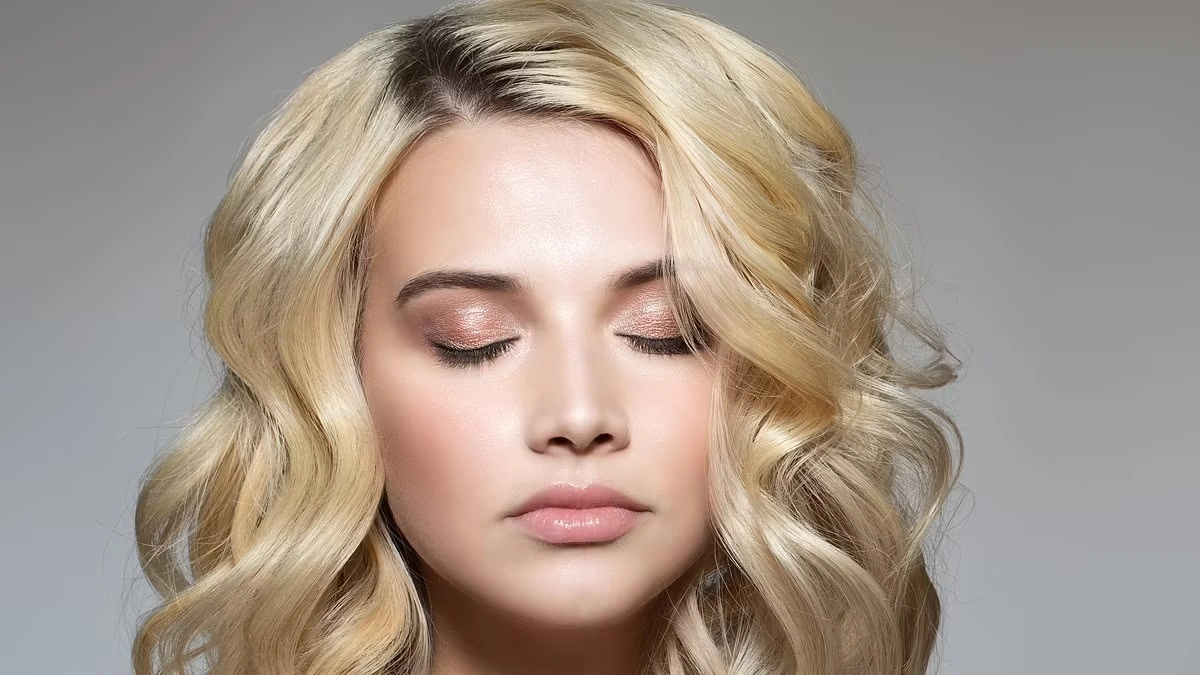
Blonde hair is a timeless statement. Whether you are considering a full-blown bleaching session for the first time, maintaining your natural flaxen strands, or updating your current shade, going blonde involves much more than selecting a color from a salon swatch. The transformation requires an understanding of color undertones, ongoing maintenance, and targeted hair care strategies to protect your hair’s structural integrity.
Achieving and keeping the perfect shade of blonde depends on matching the right tone to your skin, neutralizing unwanted brassiness, and establishing a protective care routine. This guide breaks down popular blonde shades, maintenance essentials, and practical steps to ensure your hair stays vibrant, hydrated, and healthy.
Understanding Blonde Hair Shades and Undertones
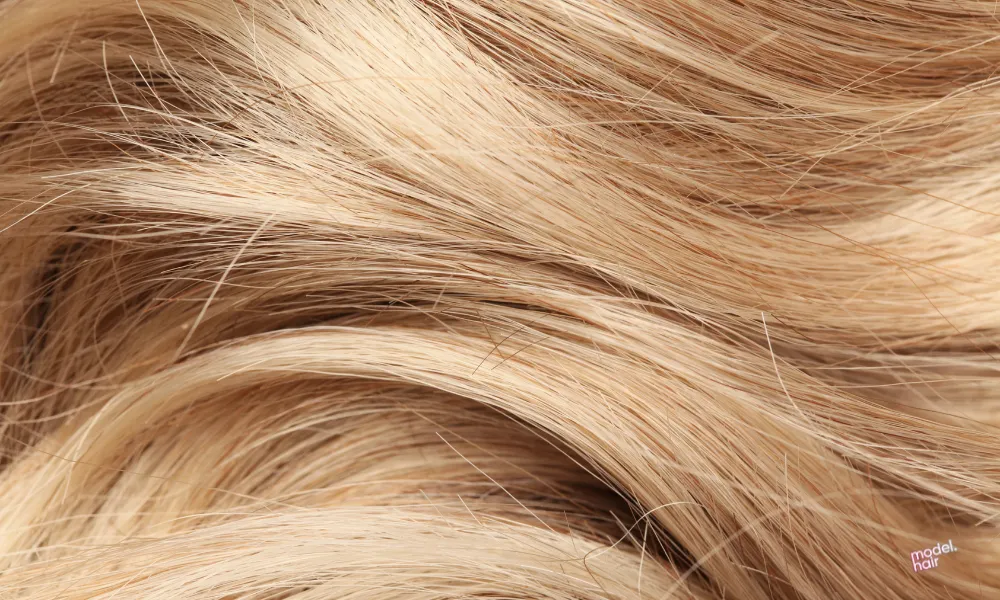
Blonde is not a single color, it exists on a spectrum ranging from soft, subtle warmth to stark, cool brilliance. Choosing the right shade depends heavily on your natural base color, eye color, and skin undertone.
Cool-Toned Blondes
Cool blonde shades rely on silver, violet, ash, or blue bases to neutralize warmth. These shades work exceptionally well for individuals with cool skin undertones (pink, red, or blue undertones) or those looking for a dramatic, high-contrast look.
-
Platinum Blonde: The lightest of all blonde shades, platinum is nearly white with minimal warmth. It requires substantial lift via bleach and frequent toning treatments to keep yellow hues at bay.
-
Ash Blonde: Featuring cool gray and smoky undertones, ash blonde offers a muted, sophisticated finish that tones down natural red or orange pigment in darker hair.
-
Icy Blonde: Sitting between platinum and ash, icy blonde features crisp, pale metallic reflections often accented with faint blue or silver tones.
Warm-Toned Blondes
Warm blonde shades incorporate gold, honey, butter, and light copper hues. These tones bring warmth to the face and are often lower-maintenance because they align more closely with natural underlying hair pigments.
-
Honey Blonde: A rich, golden shade that blends light brown and warm yellow tones. Honey blonde provides a natural glow that flatters medium and warm skin tones effortlessly.
-
Golden Blonde: Radiant and sun-kissed, golden blonde captures bright yellow and amber reflections without turning brassy.
-
Butter blonde: A soft, creamy yellow shade that strikes a balance between bright light blonde and warm gold.
Neutral and Dimensional Blondes
If you want flexibility without committing entirely to cool or warm spectrums, dimensional blonde coloring techniques offer balanced, low-maintenance options.
-
Beige Blonde: A neutral blend of cool ash and subtle gold, beige blonde creates a balanced, natural-looking finish that flatters almost all skin tones.
-
Strawberry Blonde: A reddish-blonde shade that merges warm copper with bright gold, ideal for fair complexions with warm or neutral undertones.
-
Dirty Blonde / “Bronde”: Combining light brown and blonde tones using balayage or highlights, this shade creates depth while minimizing root regrowth visibility.
Popular Dyeing Techniques for Blonde Hair
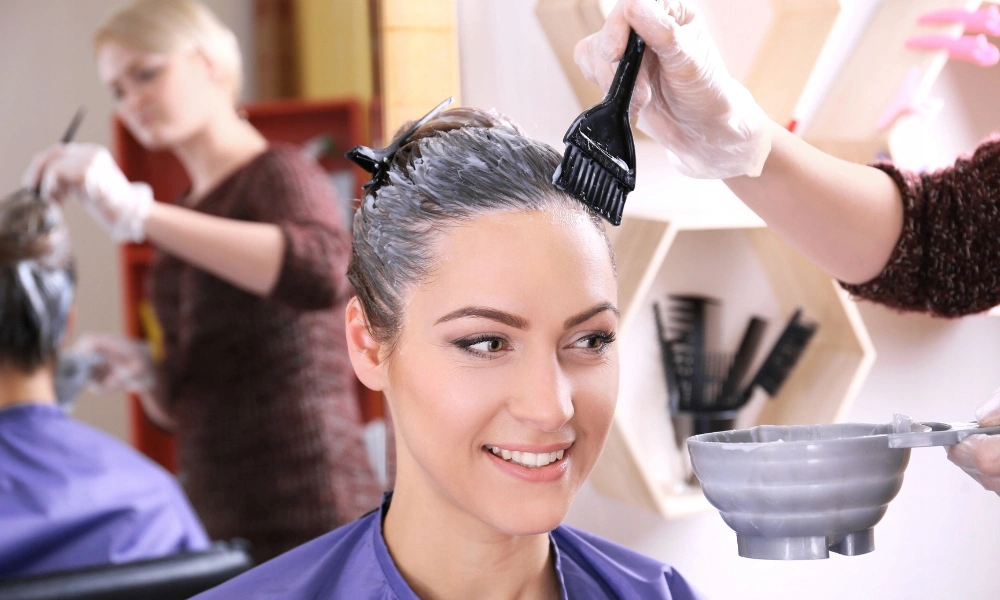
How your color is applied dictates both the final aesthetic and the upkeep schedule. Modern hair colorists utilize several key techniques to achieve customized blonde results:
| Technique | How It Works | Maintenance Level | Best For |
| Full Highlights | Woven foils applied from root to tip across the entire head. | High (Touch-ups every 6–8 weeks) | Maximum brightness and uniform lightning. |
| Balayage | Freehand painted highlights swept onto sections of hair. | Low to Medium (Touch-ups every 12–16 weeks) | Natural, sun-kissed look with soft root regrowth. |
| Ombré | Gradient transition from a darker root to lighter blonde ends. | Low (Touch-ups every 3–6 months) | Low-maintenance styles and dramatic color transitions. |
| Babylights | Delicately woven, fine highlights mimicking childhood hair. | Medium (Touch-ups every 8–10 weeks) | Subtle dimension and seamless blending. |
| Single-Process Blonde | Bleach or high-lift color applied uniformly across all hair. | High (Touch-ups every 4–6 weeks) | Solid platinum, icy, or uniform all-over blonde shades. |
The Essential Maintenance Routine for Blonde Hair
Lighting hair removes natural pigment (melanin) through oxidation. This process alters the hair’s outer cuticle layer, leaving strands more porous and susceptible to moisture loss, breakage, and color fading. A dedicated maintenance routine is essential to keep your hair bright and strong.
1. Counteract Brassiness with Purple Shampoo
Over time, environmental factors, mineral deposits from tap water, and thermal styling reveal natural warm pigments underneath the blonde color, leading to “brassiness” (unwanted yellow or orange tones).
Purple shampoo contains violet pigments. On the color wheel, purple sits directly opposite yellow. Applying a purple shampoo once a week neutralizes yellow casts and restores cool tones. Avoid using purple shampoo daily, as excessive use can deposit dark pigment, leaving hair looking dull or prematurely gray.
2. Prioritize Bond Builders and Protein Treatments
Bleaching breaks the structural disulfide bonds within the hair shaft. To restore strength:
-
Integrate bond-building treatments into your routine to re-link broken chemical bonds.
-
Use protein-enriched hair masks once every two weeks to repair structural damage. Balance protein treatments with deep conditioners to prevent hair from becoming stiff or brittle.
3. Hydrate with Deep Conditioning Masks
Porous, lightened hair loses moisture rapidly. Replace your standard conditioner with an intensive hydrating mask once a week. Look for ingredients like argan oil, shea butter, jojoba oil, and keratin to seal the cuticle and lock in moisture.
4. Guard Against Heat and UV Damage
Lightened strands are vulnerable to heat degradation. High temperatures from flat irons, curling wands, and blow dryers can yellow blonde tones and melt protective cuticle layers.
-
Always apply a lightweight thermal protectant spray before using heat styling tools.
-
Keep heat tools set to lower temperatures (below 350°F / 175°C).
-
Wear hats or apply hair products containing UV filters when spending extended periods in direct sunlight to protect color from fading.
How to Protect Blonde Hair from Common Enemies?
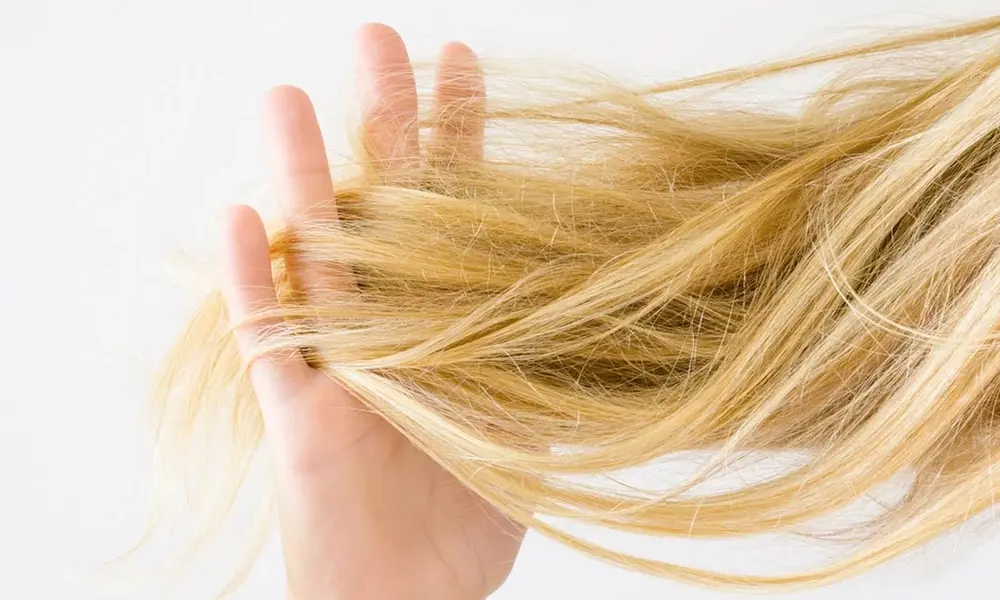
Mineral Deposits and Hard Water
Hard water contains iron, magnesium, and calcium deposits that attach to porous blonde hair, turning bright shades copper, green, or muddy brown. Installing a filtering showerhead or using a clarifying, chelating shampoo once a month helps remove metallic buildup without stripping color. When styling your hair after washing, using a quality Dyson hair dryer can also help you achieve a smooth finish with controlled heat.
Chlorine Protection
Chlorine in swimming pools reacts with copper oxide compounds in the water, turning light blonde hair a greenish hue.
-
Pre-soak: Drench your hair with clean tap water and apply a leave-in conditioner before swimming. Hair behaves like a sponge; saturating it with clean water leaves less room for chlorinated water to absorb.
-
Rinse Immediately: Wash hair with fresh water and a gentle shampoo immediately after exiting the pool.
Common Mistakes to Avoid with Blonde Hair
-
Washing Hair Too Frequently: Over-washing strips away natural scalp oils, leaving fragile blonde strands dry and prone to breakage. Aim to wash 2–3 times per week using sulfate-free formulas.
-
Over-Toning: Using purple shampoo or leave-in toners on every wash can cause pigment buildup, making your blonde look darker and flatter than intended.
-
Skipping Regular Trims: Bleached ends split more easily. Schedule regular trims every 8–12 weeks to keep split ends from traveling up the hair shaft.
-
Lightening Too Quickly: Attempting to transition from dark brown or black hair to bright blonde in a single appointment can cause severe breakage. Gradual lightening sessions protect the health of your scalp and hair strands.
Frequently Asked Questions
Can you go blonde without using bleach?
If your natural hair is dark, bleach is necessary to lift the pigment. However, if your natural base is light brown or dark blonde, high-lift permanent color dyes can lift hair up to 3–4 shades without traditional bleaching powder.
How often do blonde roots need to be touched up?
Root touch-ups typically occur every 4 to 8 weeks, depending on your natural hair growth rate and the styling technique used. All-over platinum requires touch-ups every 4 to 6 weeks, while balayage or root-shadowed styles can go 12 to 16 weeks between salon visits.
Why does blonde hair turn yellow or brassy?
Blonde hair turns brassy when warm underlying pigments (yellow and orange) show through as the toner fades. Factors such as hard water minerals, sun exposure, pollution, and heat styling accelerate this process.
Is purple shampoo safe for all shades of blonde?
Purple shampoo is best suited for cool, ash, platinum, and icy blonde shades. If you have warm golden, honey, or strawberry blonde hair, frequent purple shampoo use can strip away those desirable warm tones and make the color look muted.
How can I stop blonde hair from breaking after bleaching?
To reduce breakage, limit heat styling, use sulfate-free moisturizing shampoos, apply weekly deep-conditioning treatments, and use a bond-repairing product. Avoid tight hairstyles that put tension on weakened roots.
Final Thoughts
Adopting and maintaining blonde hair is an ongoing process that blends personal style with proper hair care practices. Selecting the right shade involves balancing cool, warm, or neutral undertones with your natural skin tone and commitment level.
Keeping your color bright and healthy requires a consistent routine: protect your strands from heat, use purple shampoo selectively to control brassiness, and restore moisture with weekly conditioning treatments. You can also explore different easy hairstyles that complement your blonde shade while minimizing excessive heat styling. With thoughtful care and realistic maintenance habits, your blonde hair will remain vibrant, shiny, and resilient.
