
Key Takeaways
- Prioritize Quality Over Quantity: Invest in well-fitting pieces and natural fabrics.
- Master Neutral Color Schemes: Focus on navy, beige, cream, white, and soft earthy tones.
- Embrace Quiet Luxury: Avoid loud logos, excessive branding, and fast fashion trends.
- Build a Versatile Capsule: Create endless old money outfits with interchangeable staples.
- Focus on Subtle Grooming: Polished shoes, neat hair, and delicate jewelry make the look.
Have you ever seen someone walk into a room wearing a simple sweater and trousers, yet they look like a million bucks?
That effortless, high-end look is not an accident.
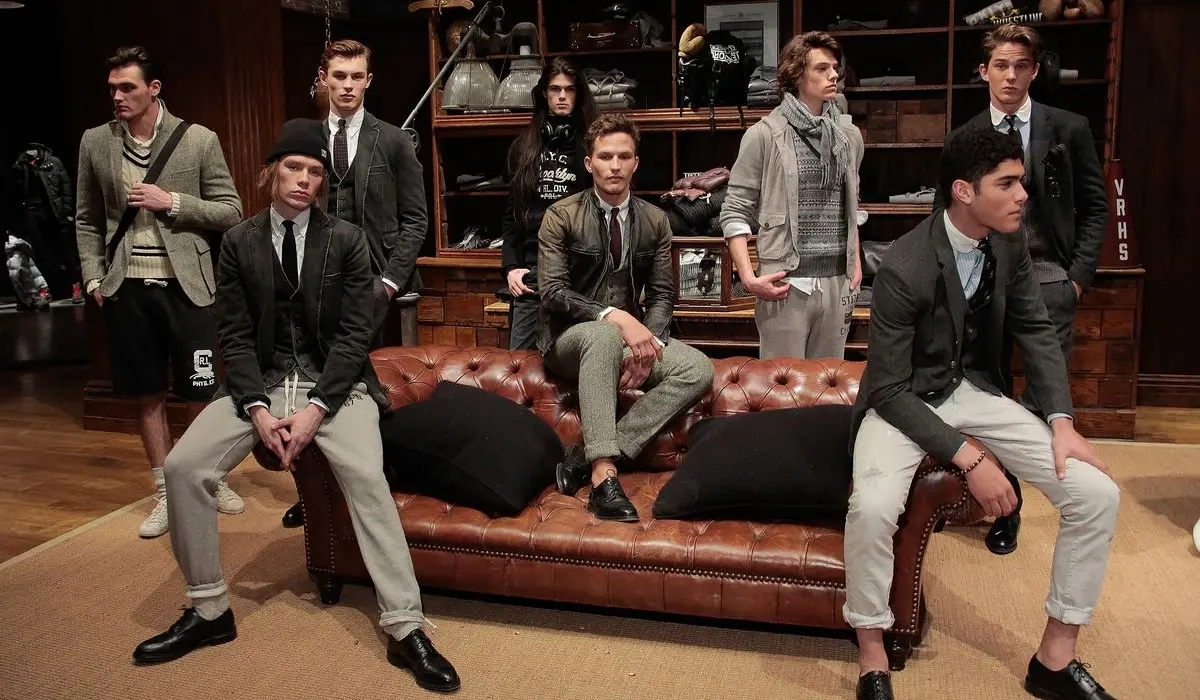
It is the hallmark of the old money aesthetic, a timeless approach to dressing that prioritizes quality, fit, and subtle elegance over flashy trends.
In this guide, we are breaking down everything you need to know about mastering this iconic look from scratch.
AI Overview
The old money aesthetic is a classic fashion movement centered around quiet luxury, refined tailoring, and understated elegance. Rooted in traditional high-society style, it shuns loud logos and temporary trends in favor of natural fabrics like wool, silk, and linen. Building old money outfits relies on a neutral color palette and timeless wardrobe staples that create an effortlessly polished appearance for any occasion.
What Is the Old Money Aesthetic?
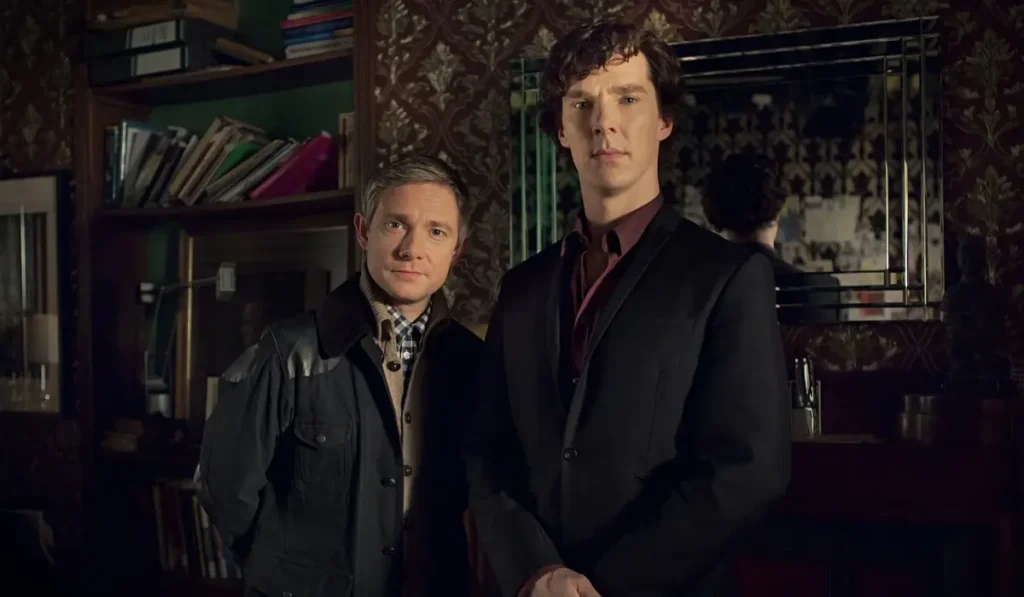
At its core, this style celebrates the clothing choices historically associated with wealthy families who inherited their status.
Think heritage sports like tennis, polo, and sailing, alongside relaxed weekends spent at private country estates.
However, you do not need an inheritance or a trust fund to dress this way today.
In most cases, the look is really just about intentional styling and choosing classic silhouettes that never go out of date.
It is less about how much money you spend and more about how thoughtful your choices are.
Why Is Old Money Style Popular Right Now?
Fashion trends move faster today than ever before, leaving many people feeling exhausted by constant shopping cycles.
Micro-trends come and go every few weeks, filling closets with items that feel outdated almost immediately.
That is exactly why so many people are turning back to classic fashion.
Choosing timeless garments allows you to build a reliable wardrobe that looks amazing season after season.
It saves you money in the long run while ensuring you always look polished and put together.
Core Pillars of Old Money Style Women
If you want to master old money style women outfit choices, you need to follow a few simple rules.
These foundational pillars will guide every single purchase and outfit combination you make.
1. Exceptional Fit and Tailoring
Clothes that do not fit properly will instantly make an outfit look cheap, no matter how much they cost.
Garments should skim your body cleanly without feeling overly tight or excessively baggy.
Taking a simple pair of trousers to a local tailor for minor adjustments can completely transform your appearance.
Custom-fit clothes naturally look high-end because they look made specifically for you.
2. A Muted and Neutral Color Palette
Loud neons and bright graphics rarely have a place in this aesthetic.
Instead, stick to a muted color scheme where almost every item matches everything else in your closet.
Great base colors include rich navy, soft cream, camel, ivory, slate gray, and deep olive green.
When your clothes share a cohesive palette, assembling chic daily looks becomes completely effortless.
3. Natural and High-Quality Fabrics
Synthetics like polyester often lack structure and degrade quickly after a few washes.
Always check garment care labels and look for natural fibers whenever possible.
Materials like organic cotton, pure linen, silk, and merino wool instantly elevate your overall silhouette.
Brands like jhojos prioritize thoughtful tailoring and premium-feeling fabrics so you can look elevated on any budget.
Essential Tops and Knitwear for Your Wardrobe
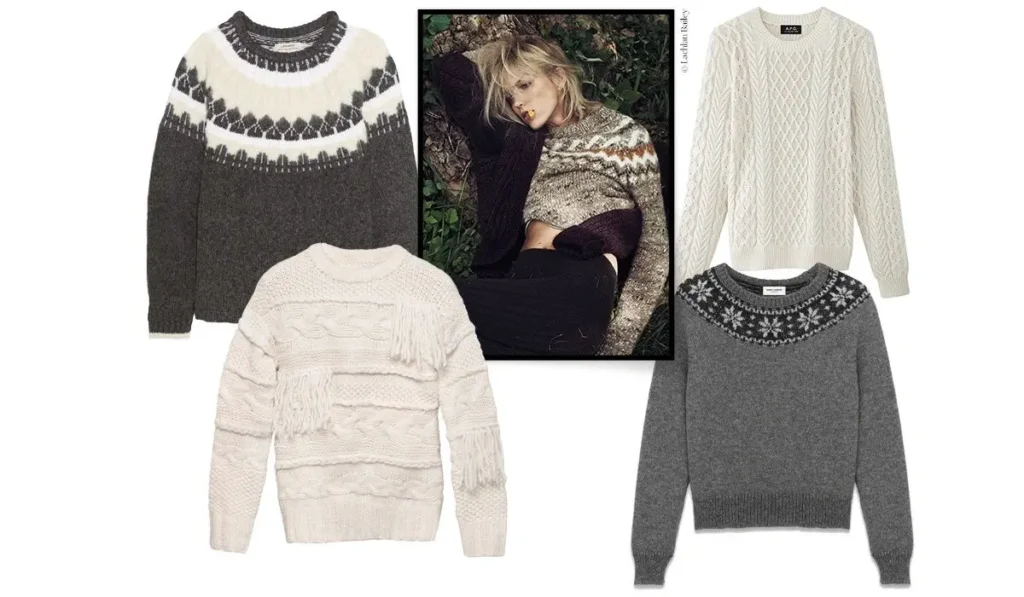
Your upper layers do a lot of heavy lifting when building authentic old money outfits.
Having a clean selection of versatile tops makes morning dressing quick and stress-free.
The Classic Crisp Button-Down Shirt
A structured white or light blue Oxford button-down shirt is an absolute non-negotiable staple.
You can wear it buttoned up with trousers, layered under a sweater, or open over a tank top.
Ensure the fabric has enough weight to hold its shape throughout the day.
Linen versions are perfect for summer, while crisp cotton works best for year-round layering.
Elevated Knitwear and Sweaters
Knitwear adds texture and depth to your daily outfits without feeling overly formal.
Look for cable-knit crewnecks, lightweight cashmere jumpers, and classic polo-collar sweaters.
Neutral sweaters layered over your shoulders immediately give off that relaxed resort vibe.
Stick to subtle textures like ribbing or fine knits to keep the look clean and sophisticated.
Layering, Outerwear, and Blazers
Outerwear is often the first thing people notice about your look during cooler months.
Investing in structured jackets instantly pulls together even the simplest base layers.
Tailored Blazers
A well-fitted double-breasted blazer in navy or charcoal is a true style powerhouse.
Tweed and houndstooth blazers also add a wonderful heritage touch to simple denim or trousers.
Make sure the shoulder seams align neatly with your natural shoulder line for the best silhouette.
Pairing a tailored jacket over a basic tee elevates your style in seconds.
Classic Trench Coats and Overcoats
Long outer coats provide immediate drama and elegance to winter and autumn outfits.
A traditional double-breasted camel trench coat is a perfect investment piece for rainy or brisk days.
During colder winter months, choose a long wool coat that falls below your knees.
Keep lines clean and belt ties neat to maintain a streamlined appearance.
Trousers, Skirts, and Bottoms
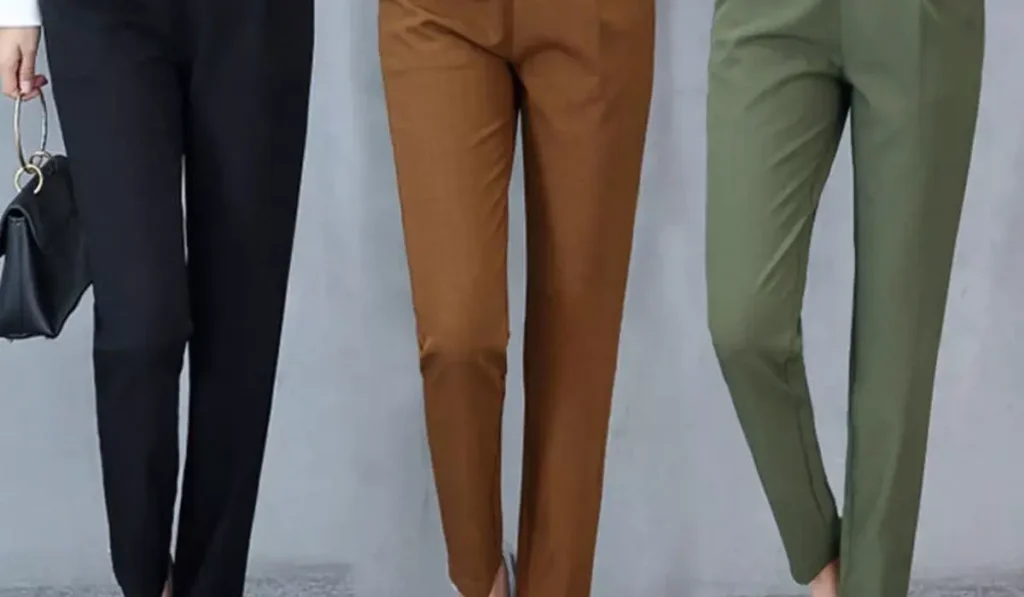
The bottom half of your outfit provides the structure needed to ground your tops and outerwear.
Focus on clean cuts, high waistlines, and classic tailoring when selecting bottoms.
High-Waisted Pleated Trousers
Wide-leg or straight-cut pleated trousers are essential for old money fashion.
They create a long, elegant line down your legs and feel incredibly comfortable to wear all day.
Choose neutral shades like beige, taupe, black, or navy to maximize versatility.
Pair them with a tucked-in shirt or a fitted sweater for instant polish.
A-Line Skirts and Clean Denim
For skirts, pleated tennis skirts and sleek midi-length A-line styles work remarkably well.
When it comes to jeans, skip distressed denim, ripped knees, and extreme acid washes.
Instead, opt for dark or medium-wash straight-leg denim with a clean hem line.
Pairing structured jeans with a classic belt keeps your look refined rather than casual.
Old Money vs. Fast Fashion Comparison
To help you understand the differences clearly, here is a detailed breakdown of how these styles differ.
| Style Element | Old Money Aesthetic | Fast Fashion Trends |
| Logos & Branding | Invisible, minimal, or hidden | Large graphics, prominent logos |
| Color Choices | Navy, cream, camel, earth tones | Bright neons, loud seasonal prints |
| Fabric Types | Wool, linen, silk, heavy cotton | Polyester, acrylic, synthetic blends |
| Garment Fit | Tailored, structured, flattering | Extremely oversized or ultra-tight |
| Wardrobe Goal | Long-term wear for years | Short-term wear for weeks |
| Jewelry Style | Simple gold, silver, pearls | Chunky plastic or bold costume pieces |
Seasonal Guide: How to Wear Old Money Outfits Year-Round
Adapting your look to different weather conditions is easy once you understand fabric swapping.
You keep the same classic aesthetic while staying comfortable in hot or cold temperatures.
Spring and Summer Looks
Warm weather is all about breathable textures and lighter color palettes.
Pair a loose white linen button-down with high-waisted tailored shorts in stone or beige.
Complete the outfit with leather slides, dark sunglasses, and a structured woven straw bag.
For a preppy twist, drape a lightweight cable-knit sweater over your shoulders.
Autumn and Winter Looks
Colder months let you experiment with rich textures, heavy wools, and smart layering.
Layer a fine-knit beige turtleneck underneath a fitted tweed blazer or wool overcoat.
Combine them with dark navy trousers and leather riding boots or polished loafers.
Add a simple cashmere scarf in a complementary neutral shade to wrap up the look nicely.
How to Style Old Money Outfits for Specific Occasions
Versatility is one of the best parts of building a timeless wardrobe.
You can easily adapt your key pieces to fit almost any setting on your weekly calendar.
1. Casual Weekend Routine
Running errands or meeting friends for coffee does not mean you have to wear basic sweatpants.
Combine dark straight-leg denim with a crisp white tee and a navy cardigan.
Add clean white leather sneakers and a simple leather belt for an effortless off-duty look.
2. Office and Professional Settings
Looking professional comes naturally when you focus on old money style women outfit guidelines.
Wear pleated cream trousers with a silk blouse and a tailored double-breasted blazer.
Finish the look with pointed-toe flats or low block heels and a structured tote bag.
You will look authoritative, capable, and impeccably styled for any meeting.
3. Evening Dinners and Special Events
For evening events, keep things simple and avoid overly complicated dress designs.
A sleek black or navy slip dress paired with a tailored blazer over your shoulders is stunning.
Add subtle gold earrings, a delicate wrist watch, and pointed-toe heels.
Let the clean cut of your dress do all the talking.
4. Coastal Vacation Style
Heading on a weekend trip or beach vacation requires light, breezy resortwear.
Choose a matching linen shirt and trouser set in soft white or cream.
Add leather sandals, a wide-brim straw hat, and tortoiseshell sunglasses.
It creates an instant Mediterranean vibe that feels incredibly luxurious.
The Essential Rules of Classic Fashion
Here are five key rules to keep in mind whenever you are assembling an outfit:
- Avoid Loud Logos: Keep your clothing unbranded so the focus stays on your overall outfit line.
- Keep Shoes Immaculate: Scuffed shoes can ruin a clean look, so clean and polish your footwear regularly.
- Accessorize Mindfully: Stick to subtle gold studs, pearl necklaces, and slim leather-strap watches.
- Prioritize Neat Grooming: Clean nails, simple hairstyles, and fresh, natural makeup enhance your clothing choice.
- Maintain Garment Structure: Use garment steamers to keep your button-downs and trousers wrinkle-free.
Choosing Accessories and Footwear
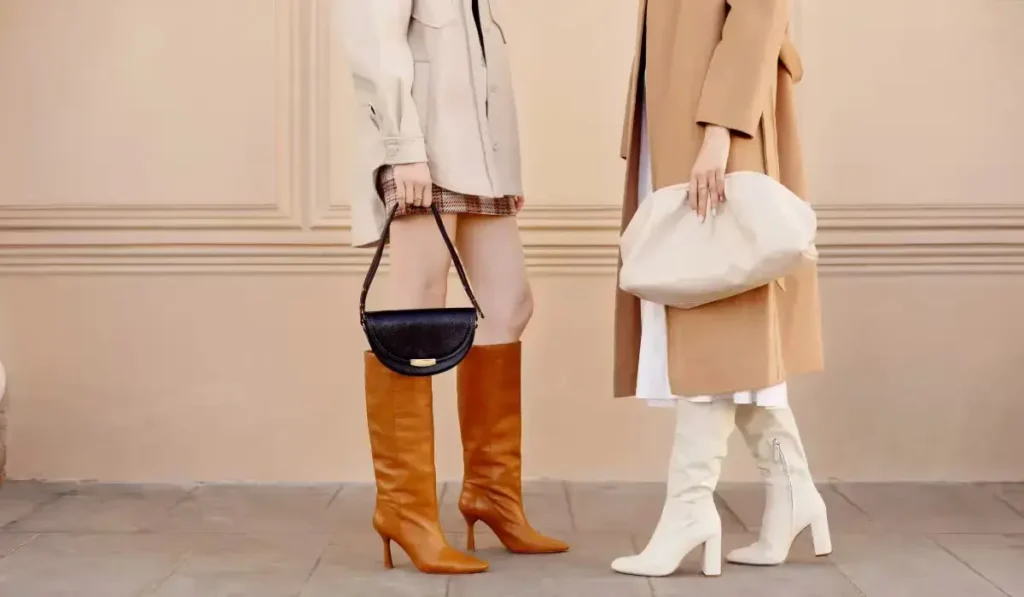
Accessories are the subtle details that convert a simple outfit into a complete statement.
When dressing in this style, accessories should quietly support your clothes, not compete with them.
Timeless Footwear Options
Footwear should always be practical, elegant, and made from good-quality materials.
Ditch chunky platform shoes in favor of classic silhouettes like penny loafers or ballet flats.
Leather riding boots, low kitten heels, and clean white leather sneakers are also fantastic choices.
Ensure your shoe color harmonizes with your belt or handbag for a cohesive finish.
Jewelry, Watches, and Handbags
When it comes to jewelry, thin gold hoops, simple chain necklaces, and pearl studs are ideal.
A vintage-inspired watch with a slim leather band adds instant intelligence and class.
For bags, look for structured leather totes or shoulder bags without oversized metal logos.
Simple, high-quality leather accessories from brands like jhojos help complete your outfit cleanly.
Budget-Friendly Ways to Dress Old Money
You do not need an endless shopping budget to look incredibly stylish and rich.
Based on available data, achieving this look is more about smart shopping than high spending.
Shopping Vintage and Second-Hand
Thrift stores and consignment shops are absolute goldmines for high-quality vintage clothing.
You can frequently find vintage wool blazers, silk scarves, and real leather coats for low prices.
Older garments were often constructed with better materials and craftsmanship than modern fast fashion.
Look out for natural fabric tags whenever you are browsing second-hand racks.
Simple Alterations and Maintenance
Buying affordable basics and spending a few dollars on alterations makes a world of difference.
Hemming pants to the correct length or taking in a blazer waist creates a custom fit.
Additionally, keeping your clothes clean, steamed, and free of lint extends their lifespan significantly.
In most cases, well-cared-for budget items will look far better than neglected designer clothes.
Common Mistakes to Avoid
Even with the best intentions, it is easy to make mistakes when trying this aesthetic for the first time.
Here are a few common traps to keep an eye out for.
Over-Accessorizing
Trying to wear all your favorite accessories at once can make your outfit look busy.
If you are wearing statement earrings, skip the heavy necklace and keep your rings simple.
Remember that understated simplicity is the ultimate goal of old money fashion.
Buying Clothing That Fits Poorly Just for the Brand
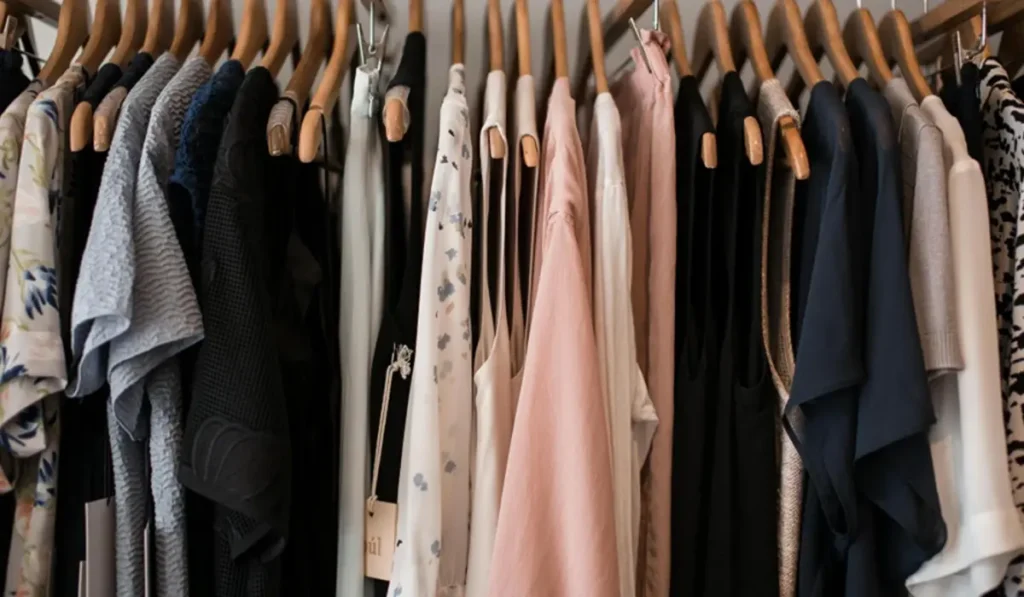
Never buy an item simply because it has a famous brand tag attached to it.
If the shoulders sag or the waist bunches awkwardly, it will not look good on you.
Fit should always take priority over the brand name on the label.
Conclusion
Embracing the old money aesthetic is not about chasing expensive price tags or trying to impress others with labels.
It is simply about cultivating an appreciation for timeless cuts, clean tailoring, and effortless daily elegance.
By building a thoughtful capsule wardrobe with versatile neutrals and natural fabrics, you can look put-together every single day.
Focus on great fit, take care of your garments, and enjoy the confidence that comes with classic fashion.
Frequently Asked Questions
What is the old money aesthetic in simple words?
It is a timeless style focused on quiet luxury, simple neutral colors, tailored fits, and high-quality fabrics without loud brand logos.
Can I build old money outfits on a budget?
Yes, generally you can achieve the look by thrifting vintage blazers, tailoring basic garments, and sticking to affordable neutral items.
What colors are best for old money style?
Focus on classic neutral colors like navy blue, cream, beige, camel, white, slate gray, and deep forest green.
Are jeans allowed in old money fashion?
Yes, in most cases clean, dark-wash straight-leg denim fits the aesthetic perfectly when styled with a blazer or sweater.
