

Key Takeaways
- Effortless daily styling with versatile year-round outfits.
- Stress-free morning routines using smart clothing basics.
- Sustainable fashion choices that save both time and money.
- Simple seasonal transition strategies for a clutter-free closet.
Have you ever opened a closet completely packed with clothes and still felt like you had nothing to wear?
You are definitely not alone in feeling that frustration.
Most of us spend way too many precious minutes every morning rummaging through overflowing hangers.
We try on three different shirts, toss clothes onto the bed, and leave the house feeling less than confident.
What if you could eliminate that morning stress entirely while looking effortlessly put-together every single day?
Building a functional capsule wardrobe is the ultimate solution to ending closet chaos for good.
At Johjos, we believe dressing well should feel simple, enjoyable, and completely aligned with your real lifestyle.
In this comprehensive guide, we are sharing practical advice, creative capsule wardrobe ideas, and an easy checklist to build your ideal collection.
AI Overview
A capsule wardrobe is a intentionally curated collection of essential clothing items designed to easily mix and match across all seasons. By focusing on quality over quantity, you can create dozens of stylish outfits with just a few core pieces. This guide breaks down year-round clothing essentials, seasonal transitions, and smart planning tips to help you build a functional, clutter-free closet that saves time every morning.
What Is a Capsule Closet and Why Does It Work?

A capsule closet is simply a small, intentional collection of versatile clothing items that work together harmoniously.
Instead of chasing short-lived fashion trends, you curate timeless items that reflect your personal style.
The concept was originally introduced in the 1970s, but it has quickly become a modern lifestyle favorite.
Why do so many people love switching to a minimalist wardrobe?
The biggest benefit is the immediate reduction in decision fatigue.
When every top in your closet pairs smoothly with every bottom, choosing an outfit takes less than two minutes.
You also save a substantial amount of money over time by avoiding quick impulse buys.
Instead of purchasing ten cheap items you wear once, you invest in durable wardrobe essentials that last for years.
How to Audit Your Current Closet Before Starting
Before you buy anything new, you need to take a clear inventory of what you already own.
Schedule a couple of quiet hours on a weekend to go through every single garment in your closet.
Create three distinct piles: items you wear constantly, items to donate, and items needing repairs or tailor adjustments.
Be completely honest with yourself during this auditing process.
If an item does not fit comfortably right now, set it aside rather than keeping it out of guilt.
Ask yourself if each garment feels great against your skin and fits your actual daily activities.
Notice which colors and silhouettes appear most often in your keep pile.
This gives you immediate insight into your genuine style preferences.
Core Year-Round Essentials: The Foundation of Your Style
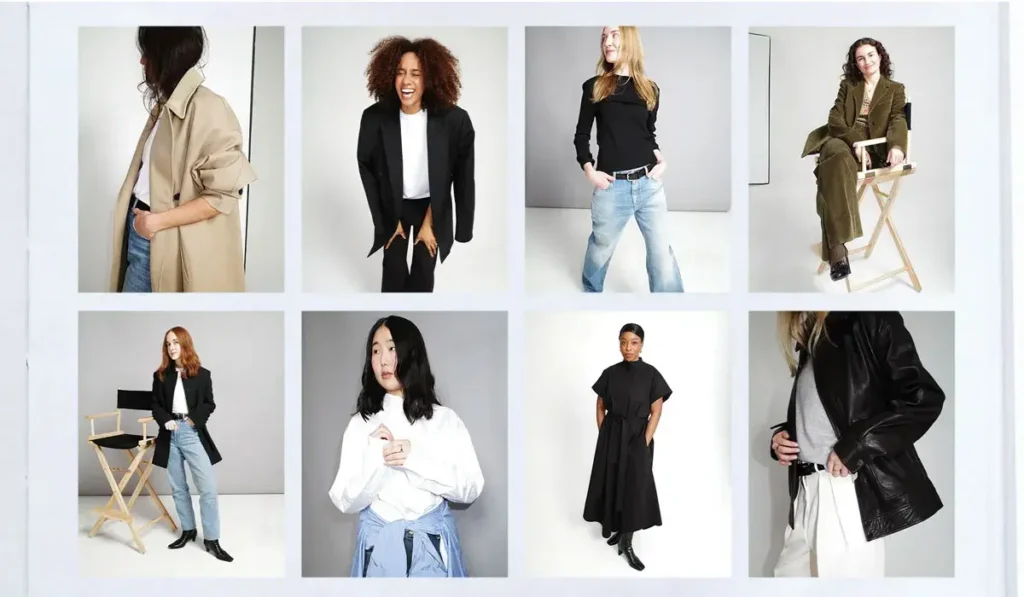
Every great outfit begins with dependable base pieces that work regardless of the month or weather.
These core wardrobe essentials act as the glue holding your entire personal collection together.
| Item Category | Recommended Quantity | Color Recommendations | Styling Note |
| Classic Crewneck Tops | 3 to 5 items | White, Black, Heather Gray | Layer under blazers or wear alone |
| Tailored Denim | 2 to 3 pairs | Dark Wash, Medium Blue | Choose straight-leg or slim fits |
| Neutral Blazers | 1 to 2 items | Beige, Charcoal, Navy | Instantly structure casual outfits |
| Button-Down Shirts | 2 to 3 items | Crisp White, Soft Blue | Roll sleeves for relaxed looks |
| Tailored Trousers | 2 pairs | Black, Camel | Transition easily from day to night |
| Minimalist Sneakers | 1 pair | Clean White Leather | Pair with denim, trousers, or dresses |
Investing in high-quality versions of these basic pieces pays off quickly.
A well-fitting white button-down can take you from a morning client meeting to a relaxed weekend brunch.
Dark denim pairs just as smoothly with a basic casual tee as it does with an elegant silk blouse.
When these foundational pieces fit properly, styling your morning outfit becomes entirely effortless.
Seasonal Capsule Checklist
Spring Capsule Checklist
Spring weather is notoriously unpredictable, bringing chilly mornings, warm afternoons, and sudden rain showers.
Your spring collection should focus on lightweight layering pieces and breathable natural fabrics.
- Lightweight Trench Coat: Provides classic protection against spring breezes and light rain showers.
- Cotton Knit Cardigans: Perfect for adding quick warmth over simple t-shirts or light blouses.
- Medium-Wash Straight Jeans: Offer a fresh, brighter feel as warmer weather approaches.
- Linen-Blend Button-Downs: Breathable options that keep you comfortable through fluctuating temperature changes.
- Leather Slip-On Loafers: Polished, comfortable footwear that looks stylish for work or weekend errands.
Summer Capsule Checklist
Summer styling requires light, airy clothing options that keep you cool while maintaining clean polish.
Focus on natural fibers like cotton and linen to stay comfortable on hot sunny days.
- Breathable Linen Tops: Allow maximum airflow while looking effortlessly relaxed and chic.
- Classic Denim Shorts: A reliable foundation for casual park walks and weekend beach trips.
- Flowy Midi Dresses: Easy one-and-done outfit solutions that keep you cool all day long.
- Neutral Leather Sandals: Versatile footwear that coordinates effortlessly with dresses, skirts, or shorts.
- Structured Straw Sun Hat: Offers essential sun protection while adding a stylish summer touch.
Autumn Capsule Checklist
Autumn introduces crisp weather, rich color tones, and soft textured fabrics.
This season is all about cozy knits, warm color palettes, and durable outerwear options.
| Autumn Must-Haves | Primary Material | Ideal Combination |
| Chunky Knit Sweaters | Wool or Cotton Blends | Drape over button-down shirts with dark denim |
| Classic Leather Jackets | Real or Vegan Leather | Layer over fitted crewneck tops and trousers |
| Versatile Ankle Boots | Suede or Finished Leather | Pair with midi skirts, dresses, or slim denim |
| Warm Scarf Accessories | Cashmere or Fine Knit | Add instant texture and warm contrast to coats |
Rich earth tones like warm camel, deep rust, olive green, and chocolate brown thrive during autumn months.
You can easily mix these shades with your core white and black base pieces for cozy visual warmth.
Winter Capsule Checklist

Winter requires smart insulating layers that protect you from low temperatures without adding uncomfortable bulk.
High-quality wool outerwear and thermal underlayers are crucial during colder weather conditions.
| Winter Must-Haves | Key Benefit | How to Style |
| Tailored Wool Overcoat | Superior warmth and structure | Layer over chunky knits and dark trousers |
| Thermal Base Tops | Thin insulating layer | Wear discreetly under sweaters and blouses |
| Knee-High Boots | Weather protection and warmth | Combine with warm wool skirts or dark denim |
| Cashmere Crewnecks | Lightweight insulation | Style with tailored trousers for daily workwear |
Choosing the right cold-weather outerwear ensures you stay cozy while maintaining an elegant silhouette.
Step-by-Step Guide to Transitioning Between Seasons
Changing your closet between seasons does not have to be an overwhelming weekend chore.
When autumn arrives, you do not need to pack away every single summer item you own.
Many lightweight summer dresses transition smoothly into autumn when paired with chunky knits and ankle boots.
Similarly, your spring trench coat works exceptionally well during early autumn days.
Store off-season garments in clean, breathable cotton storage bins to protect them from dust and humidity.
Before placing items into storage, make sure every garment is thoroughly washed and completely dry.
This simple step prevents unwanted odors and keeps your clothes fresh for the following year.
Keeping your active seasonal pieces clearly visible helps you make fast, creative styling choices each day.
Creative Styling Ideas to Maximize Your Collection
One common misconception is that a capsule closet leads to repetitive, boring outfits.
In reality, having fewer items encourages far greater outfit creativity.
For instance, a single black slip dress can produce five completely different looks throughout the week.
Wear it alone with sandals on a warm afternoon for a clean minimalist feel.
Layer a graphic tee over it and tie a knot at the waist for a casual weekend look.
Drop a structured blazer on top with sleek pumps for an elegant business dinner.
Add a thick turtleneck sweater over the dress to transform it into a textured midi skirt.
Exploring creative capsule wardrobe ideas reveals how versatile a compact closet truly is.
Choosing the Right Color Palette for Your Style
Selecting a cohesive color scheme is the secret to making a small collection work seamlessly.
Your palette should generally consist of core neutrals, supporting shades, and a few careful accent colors.
| Palette Tier | Suggested Colors | Function in Your Wardrobe |
| Core Neutrals | Black, White, Navy, Cream | Form the base of pants, coats, and jackets |
| Supporting Tones | Beige, Gray, Olive, Khaki | Add soft contrast for tops, knits, and cardigans |
| Accent Colors | Burgundy, Soft Pink, Cobalt | Provide visual interest through accessories or tops |
When eight-percent of your clothes belong to neutral color families, mixing items becomes completely foolproof.
You will never have to worry about whether your top matches your trousers again.
Accent colors can be swapped out depending on seasonal trends or your personal mood shifts.
This keeps your look feeling current without requiring an entire closet overhaul.
Smart Fabric Selection and Long-Term Care
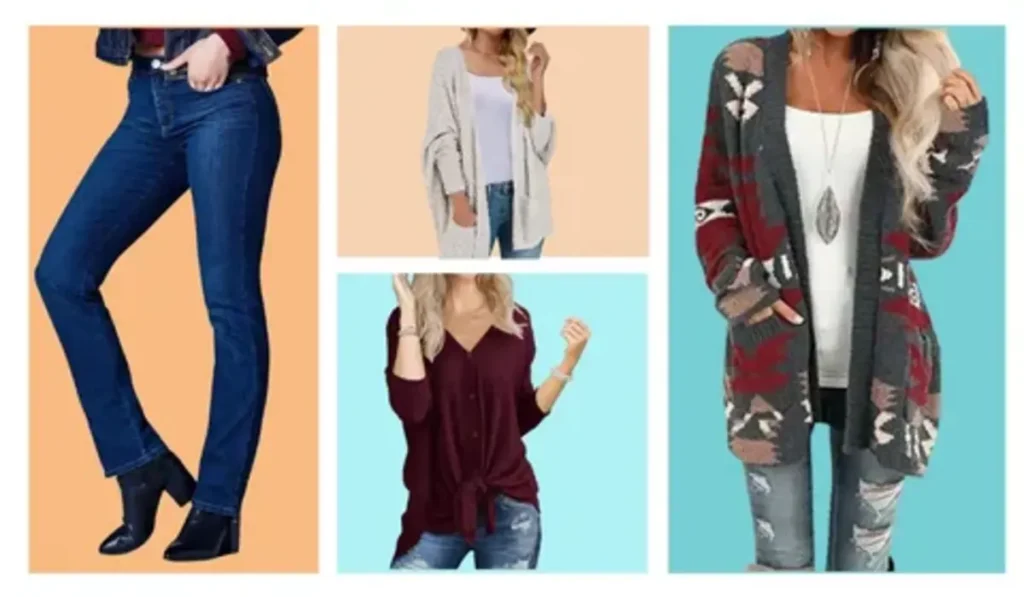
Building a lasting collection requires paying close attention to garment construction and fabric quality.
Natural fibers generally offer better breathability, comfort, and long-term durability than synthetic alternatives.
At Johjos, we emphasize selecting fabrics that handle regular daily wear while maintaining their original shape.
Cotton, linen, merino wool, and silk represent excellent natural fabric choices for your core staples.
Synthetic fabrics like polyester can be useful in activewear, but natural materials feel far better for daily outfits.
Always check garment care labels before washing your valuable basic clothing pieces.
Wash delicate items in cold water and hang them to air dry whenever possible to avoid heat shrinkage.
Proper garment maintenance extends the life of your clothes by several years.
The Environmental and Financial Benefits
Shifting toward a minimalist wardrobe offers profound benefits that extend far beyond your daily morning routine.
Fast fashion culture encourages constant overconsumption, creating millions of tons of textile waste annually.
By choosing well-made items and wearing them repeatedly, you significantly lower your personal environmental footprint.
You also develop a far healthier financial relationship with personal shopping and fashion trends.
Instead of making frequent small purchases on cheap clothes, you save money for higher-quality pieces.
In most cases, spending slightly more upfront for a durable wool coat saves money over five years.
You spend less overall while consistently enjoying higher quality, better-fitting garments.
Mistakes to Avoid When Building Your Collection
Many people make predictable mistakes when attempting to build their first simplified closet.
The most common error is copying someone else’s exact checklist without considering your actual lifestyle.
If you work from home, a collection filled with structured corporate suits will not serve your needs.
Make sure your clothing selection reflects what you actually do every day, not an idealized fantasy version.
Another mistake is discarding clothes too aggressively before testing your new routine.
Keep your potential giveaway items in a temporary storage box for one month before donating them.
If you do not reach into that box once, you can donate those items with absolute confidence.
Take your time during this transition phase and build your collection gradually over several months.
Conclusion
Simplifying your closet is one of the most rewarding lifestyle upgrades you can make for yourself.
By establishing a curated capsule wardrobe, you take the stress out of getting dressed each morning.
Focus on durable, comfortable pieces that fit your body well and complement your authentic routine.
Start reviewing your current closet today, identify your favorite core staples, and embrace effortless everyday style with Johjos.
Frequently Asked Questions
How many total items belong in a standard capsule wardrobe?
Most classic collections include between thirty to forty total pieces per season. This count includes tops, bottoms, dresses, outerwear, and footwear, while excluding basic sleepwear, undergarments, and workout clothes.
Can a minimalist wardrobe include bright colors and bold patterns?
Yes, absolutely! A minimalist wardrobe relies on cohesion, not monochrome colors. You can easily incorporate your favorite bright shades or classic patterns like stripes as accent pieces within your neutral base palette.
How often should I replace my core wardrobe essentials?
High-quality wardrobe essentials like tailored blazers or heavy wool coats should easily last three to five years with proper care. Basic cotton t-shirts or daily footwear may need replacement every one to two seasons.
Will building a capsule closet help me save money over time?
Yes, curating a capsule closet prevents impulsive fast fashion buying habits. Investing in fewer, better-made pieces generally lowers your long-term apparel spending while dramatically improving your daily outfit quality.
