
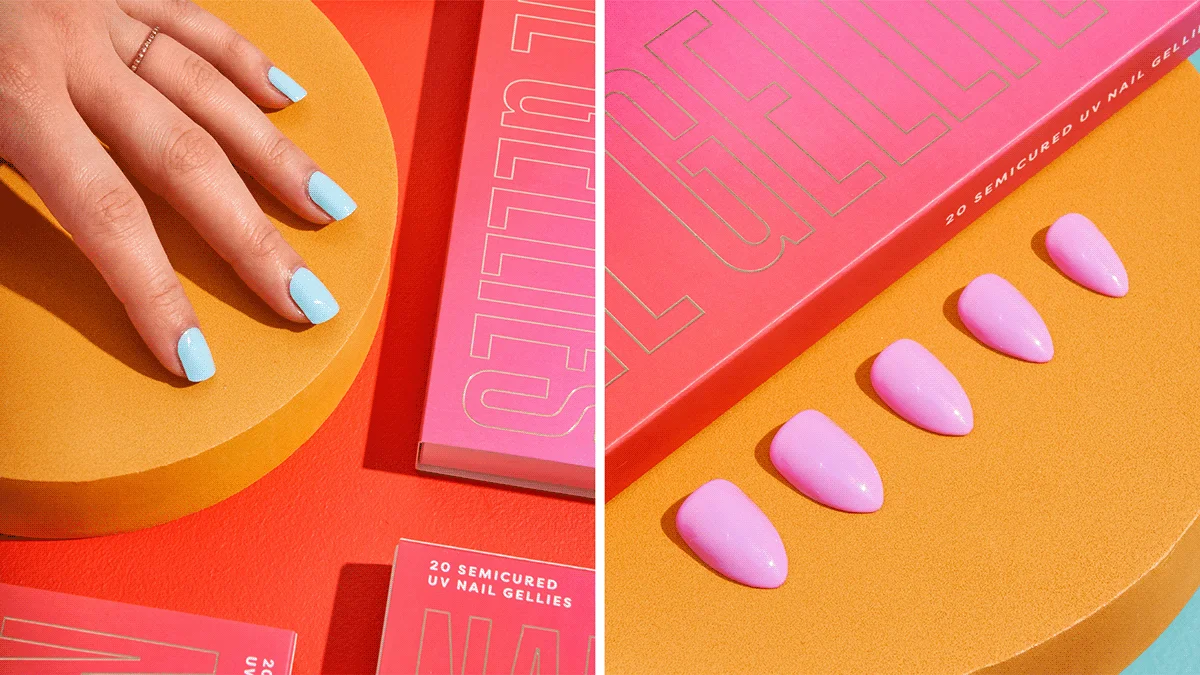
Finding the best press on nails means balancing style, durability, comfort, and nail health. The days of rigid, ill-fitting plastic nails that popped off within hours are over. Today’s high-performance press-on manicures feature flexible gel polymers, contoured fit designs, and advanced adhesives that deliver a flawless finish lasting up to two weeks. Whether you want to save time, reduce salon costs, or protect your natural nails from heavy drill work, press-ons offer a versatile solution for every aesthetic.
Press-on nails are pre-designed artificial nails applied using temporary tabs or nail glue. The best press on nails feature flexible gel materials, realistic apex curves, and customized sizing options to mimic professional salon enhancements. When applied to clean, prepared nail beds, high-quality press-on manicures can last anywhere from a few days to two full weeks without causing damage to the underlying natural nail.
Kye Takeaways
-
Modern press-on nails utilize medical-grade adhesives and flexible gel polymers, offering a durable, damage-free alternative to traditional acrylics.
-
Proper nail plate preparation, including dehydrating the natural nail and matching tip sizes accurately, is essential for achieving a multi-week wear time.
-
Gel-based reusable press-on sets provide superior longevity and flex, contouring naturally to different nail bed shapes.
-
Safe removal requires gentle soaking in warm water and oil rather than harsh mechanical force, preserving the health of the underlying natural nail.
The Evolution of At-Home Manicures
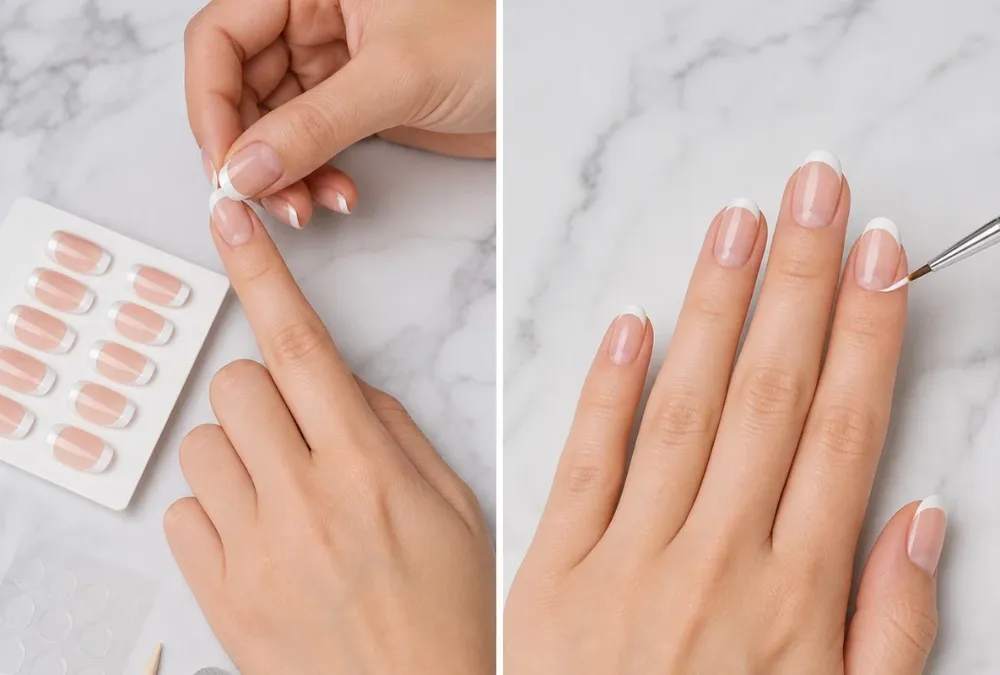
The cosmetic industry has seen a massive shift in how artificial nails are engineered. Early iterations relied on rigid ABS plastic, which created leverage points whenever the nail bumped an object. This rigidity caused premature pop-offs and occasional damage to the natural nail plate.
Modern enhancements focus on material flexibility and ergonomic architecture. Contemporary sets utilize molded gel acrylics that flex under pressure, absorbing impact rather than transferring force directly to the adhesive bond. The result is a lighter, more comfortable wear that moves naturally with your fingers.
Industry data indicates that consumer interest in DIY nail enhancements continues to rise as remote lifestyle patterns and cost-conscious beauty habits take root. Retail collections available through platforms like johjos.com showcase how far the technology has come, offering everything from understated short-almond shapes to intricate, hand-painted gel art.
Key Factors When Choosing Press-On Nails
Selecting the right set requires evaluating several factors beyond color and design. Matching the nail architecture to your natural hands ensures both comfort and retention.
Material Quality: ABS Plastic vs. Soft Gel
Standard press-ons are molded from ABS plastic. While affordable and available in endless designs, they lack the structural realism of soft gel options. Soft gel press-ons feature a tapered base that sits flush against the cuticle and a reinforced free edge that resists bending or chipping.
Sizing and Apex Contour
A proper fit requires accurate sizing. Placing a press-on that is too small pinches the nail bed and leads to premature lift, while an oversized tip overlaps the skin, allowing water to weaken the adhesive. Look for brands that offer wide size ranges (usually 10 to 14 sizes per hand) or customizable sizing packs.
Adhesive Type: Adhesive Tabs vs. Liquid Glue
Adhesive tabs are double-sided, pressure-sensitive tapes ideal for short-term wear, such as a weekend event. They remove effortlessly without chemical intervention. Liquid nail glue (cyanoacrylate formulas) forms a semi-permanent bond capable of holding tips securely for 7 to 14 days.
| Feature | Adhesive Tabs | Liquid Nail Glue |
| Wear Duration | 1 to 3 days | 7 to 14 days |
| Reusability of Nails | High (easy to clear residue) | Moderate (requires gentle buffer cleanup) |
| Application Time | 5 minutes | 10 to 15 minutes |
| Water Resistance | Low to moderate | High |
| Best For | Events, weekend wear, frequent style changes | Extended daily wear, heavy hand use |
Step-by-Step Application for Maximum Retention
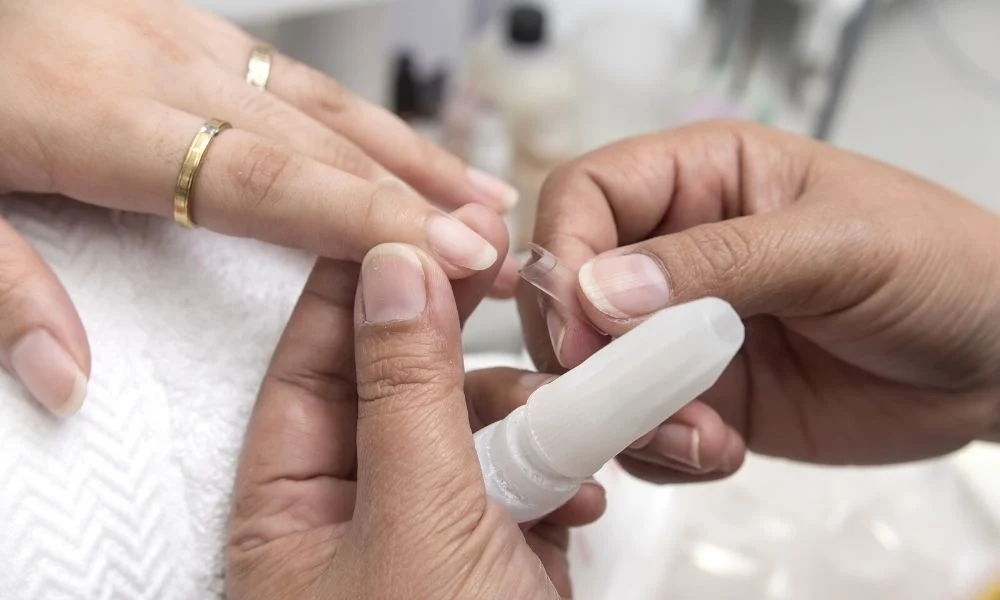
Achieving salon-level durability relies almost entirely on nail prep. Skipping steps creates surface oils and moisture pockets that prevent adhesives from curing or bonding correctly.
1. Prep the Natural Nail
Start by washing your hands with plain soap to remove lotions. Gently push back the cuticles using a wooden stick. The adhesive will not stick to dry cuticle skin resting on the nail plate. Lightly buff the surface of each nail with a fine-grit buffer to remove the natural shine, creating a micro-textured surface for the glue to anchor to.
2. Dehydrate the Surface
Wipe each nail thoroughly with an alcohol prep pad or pure isopropyl alcohol. This step strips away remaining dust and surface moisture. Avoid touching your face or hair after this step to prevent re-introducing oils.
3. Apply the Adhesive Correctly
If using liquid glue, apply a thin, even layer across your natural nail and a small drop inside the press-on tip. Align the press-on right up to but not overlapping your cuticle line at a 45-degree angle.
4. Press and Hold Firmly
Slowly rock the press-on down toward the tip of your finger to push out any trapped air bubbles. Hold firm, continuous pressure for at least 30 seconds per nail. Air pockets are the leading cause of early popping and trapped moisture.
Maintaining fingernail health while wearing enhancements requires consistent cuticle care and avoiding harsh acetone contact during wear. For curated nail care sets and high-durability tips, exploring options at johjos.com can provide the tools needed to maintain strong natural nails underneath.
Understanding Sizing, Shapes, and Lengths
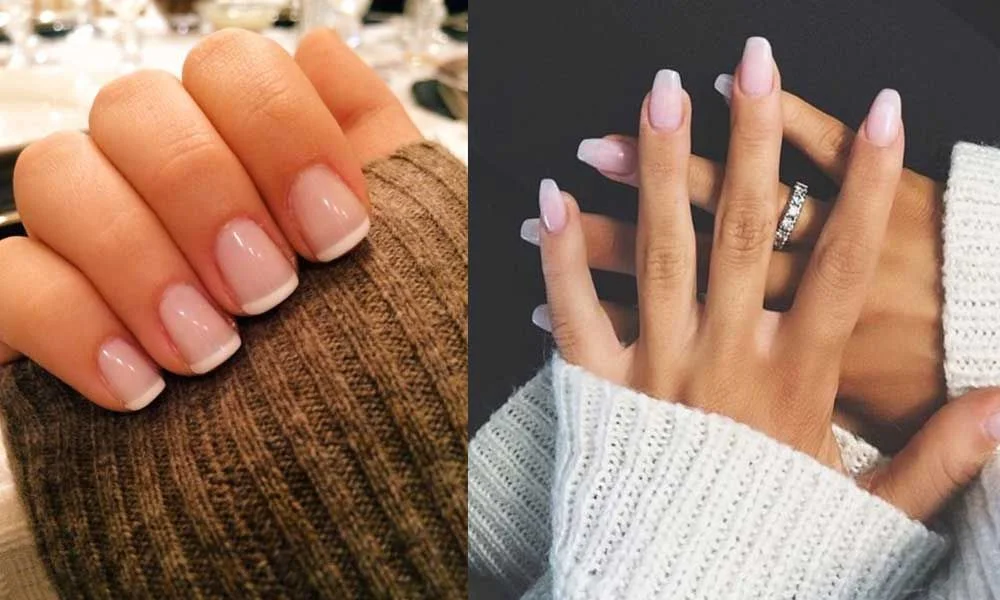
Selecting the correct shape and length impacts not only aesthetics but also daily practical functionality.
-
Coffin and Ballerina: Flattering and trendy, but longer variations create additional leverage, making them best suited for those comfortable with extra length.
-
Almond and Oval: Classic shapes that elongate the fingers. The tapered tips reduce snag points, making them comfortable for everyday tasks.
-
Square and Squoval: Straight edges offer strong structural integrity. Squoval (softened square) is ideal for active individuals and shorter natural nail beds.
-
Round: The most natural-looking shape, offering maximum durability for typing, manual tasks, or hands-on routines.
Matching the nail shape to your natural cuticle line (e.g., round cuticles pair best with round or oval tips) creates a seamless, natural transition.
How to Safely Remove Press-On Nails Without Damage
Never rip, pry, or force off press-on nails. Ripping off glued enhancements pulls away the top layers of your natural nail plate, leaving them thin, brittle, and prone to peeling.
Warm Water and Oil Soak Method
-
Fill a bowl with warm water, a few drops of liquid hand soap, and a generous splash of cuticle oil or olive oil.
-
Submerge your fingers for 10 to 15 minutes. The oil and warm water work together to break down the cyanoacrylate glue bond safely.
-
Gently nudge the edges of the press-on using a wooden orange stick. If the nail does not lift easily, soak for another 5 minutes.
-
Once removed, gently buff away any remaining glue residue with a fine buffer, then apply cuticle oil to rehydrate the nail bed.
Acetone Soak Method (For Non-Reusable Nails)
If you do not plan to reuse the press-on set, soak your fingertips in pure acetone. Acetone dissolves both plastic tips and glue rapidly. However, this process destroys the press-on nails and requires immediate post-soak hydration to restore lost moisture to your skin and nails.
Finding reliable beauty accessories and nail prep guides through platforms like johjos.com helps ensure you have the right tools for safe removal and upkeep. You can also explore creative styles like aura nails for inspiration when planning your next manicure.
Troubleshooting Common Press-On Nail Issues
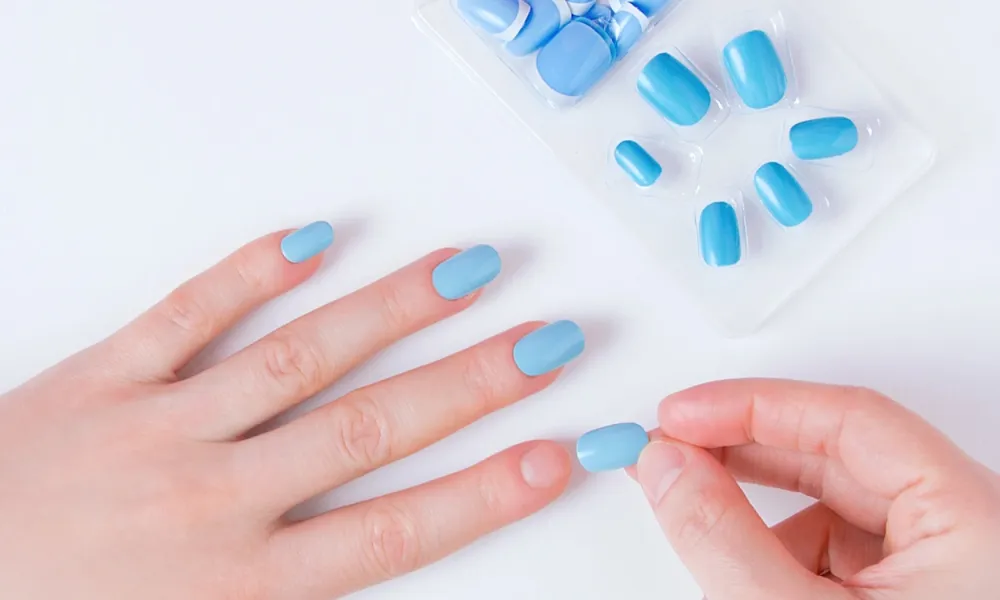
Even high-quality press-on manicures can run into issues if the application environment isn’t ideal.
Preventing Green Nail Syndrome (Pseudomonas)
Green spots occur when bacteria get trapped between the natural nail and the artificial tip in a moist pocket. To avoid this, ensure your nails are 100% dry during application, and replace any press-on immediately if it starts lifting or trapping water underneath.
Stopping Air Bubbles
Air bubbles reduce the adhesive surface area and cause tips to pop off early. Apply glue to both the natural nail and the back of the press-on, then press down from the cuticle to the tip to push out air smoothly.
Dealing with Shine Loss
Daily exposure to hand sanitizers and household cleaners can dull the surface of press-ons. Applying a thin coat of clear gel or traditional top coat over your press-ons right after application adds extra protection against scratching and fading. For a stylish alternative, explore chrome nail ideas that combine reflective finishes with a polished, eye-catching look.
Frequently Asked Questions
How long do press on nails typically stay on?
When applied with liquid nail glue after proper surface prep, high-quality press-on nails generally stay secure for 7 to 14 days. When using adhesive tabs, they are designed for temporary wear lasting 1 to 3 days.
Do press on nails damage your natural nails?
Press-on nails do not inherently damage natural nails. Damage usually occurs during aggressive removal, such as prying or scraping off the nails before the adhesive has been dissolved with oil or soak-off solutions.
Can you reuse press on nails after taking them off?
Yes, high-quality press-on nails especially soft gel types can be reused. If applied with adhesive tabs, simply peel off the old tab. If applied with glue, gently buff away old glue build-up inside the tip before reapplying.
How do I choose the correct press on nail size?
Measure the widest part of your natural nail bed with a flexible tape measure or place press-on tips over your nails before applying glue. The tip should cover the nail from side to side without resting on skin or cuticles.
Can I shorten or file press on nails after applying them?
Yes, you can trim or file press-on nails just like natural nails. Use a fine-grit nail file to shape the edges gently. If working with gel-based tips, file inward from the corners to keep the structure intact.
Conclusion
The best press on nails offer an easy, affordable, and customizable way to enjoy professional-looking manicures at home. By prioritizing high-quality gel materials, taking time for surface preparation, and using gentle removal techniques, you can achieve long-lasting results without compromising the health of your natural nails.
For an elegant and timeless manicure, almond French tip nails also provide beautiful inspiration for your next at-home look. With the right techniques and proper care, press-on manicures provide a flexible, reliable beauty solution for any occasion.
