
Key Takeaways
- Easy skin undertone identification
- Seasonal palette matching made simple
- Flattering fashion colors for daily wear
- Effortless color matching clothes strategies
- Johjos expert wardrobe elevated tips
Introduction
Ever put on a shirt and immediately notice your skin looks dull or tired? Or maybe you slipped on a simple jacket and suddenly your eyes popped?
That magic isn’t an accident. It comes down to color analysis.
Color analysis is the simple process of matching clothing shades to your natural skin undertone, hair, and eye color. Finding your personal color palette makes shopping easy, saves money, and ensures every outfit looks incredible.
When you know which shades make you shine, picking clothes stops being a daily struggle. You instantly build a wardrobe that works together effortlessly.
At Johjos, we believe style should feel simple, natural, and fun. Let’s dive in and find your perfect shades together!
AI Overview
Color analysis helps you discover which shades make your natural skin tone shine. By evaluating skin undertones and contrast, you can easily identify your unique seasonal palette. This guide explains how to match fashion colors, skip tricky shades, and build a cohesive wardrobe effortlessly with Johjos.
What Is Color Analysis and Why Does It Matter?
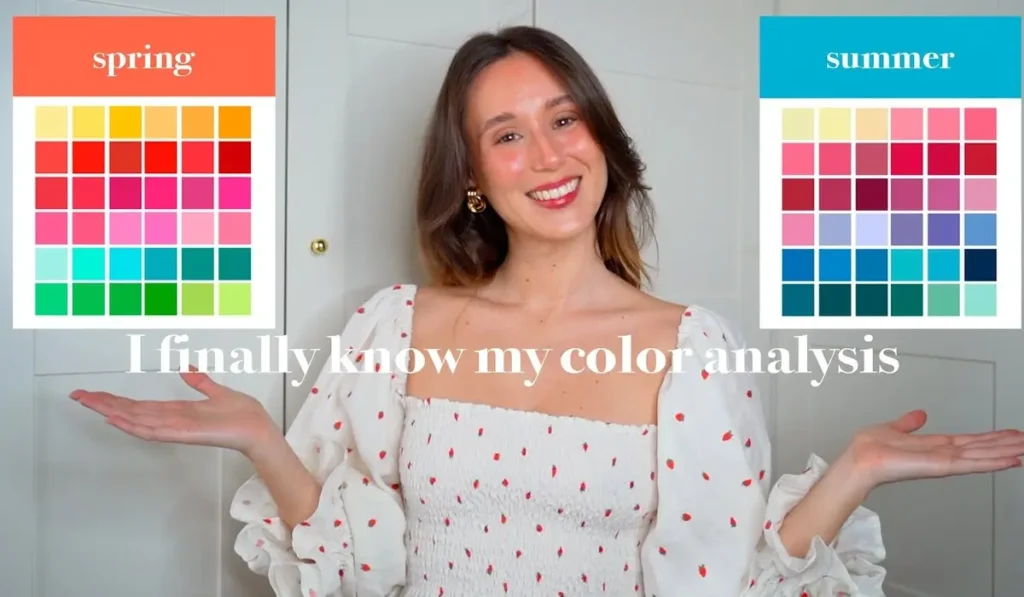
Have you ever wondered why certain clothes sit in your closet untouched? You love the cut, but something feels off every time you try it on.
Usually, the color is fighting your natural skin tone.
Color analysis takes out the guesswork. It gives you a clear roadmap so you buy pieces you actually love to wear.
The Basics of Personal Color Matching
Color analysis pairs the natural tones in your skin, eyes, and hair with complementary fabric shades.
When you wear your ideal colors, your face instantly looks brighter, clearer, and more awake.
Wearing mismatched shades, however, can make you look washed out or cast dark, gray shadows under your eyes.
When you get your colors right, you do not need heavy makeup or complicated styling to look put together. The right sweater or shirt does all the hard work for you.
Understanding Your Skin Undertone
Before jumping into complex palettes, you need to check your skin undertone.
Your undertone is the subtle shade beneath your skin surface. While your surface tone changes with a tan or skin condition, your undertone always stays identical throughout your life.
Warm, Cool, or Neutral?
- Warm Undertones: Golden, yellow, or peach hues beneath the skin surface.
- Cool Undertones: Pink, blue, or rosy hues beneath the skin surface.
- Neutral Undertones: A balanced mix of warm and cool tones beneath the skin surface.
Here is a quick reference table to help you test yourself at home using daily items:
| Test Method | Warm Undertone | Cool Undertone | Neutral Undertone |
| Vein Color | Greenish veins | Blue or purple veins | Blue-green mix |
| Jewelry Test | Gold looks best | Silver looks best | Both look great |
| Sun Response | Tans easily | Burns easily | Tans slowly, rarely burns |
| White Paper Test | Skin looks yellowish | Skin looks pinkish | Skin looks balanced |
Finding your undertone makes color matching clothes so much easier when building a capsule wardrobe with Johjos basics.
The Four Main Seasons in Seasonal Color Analysis
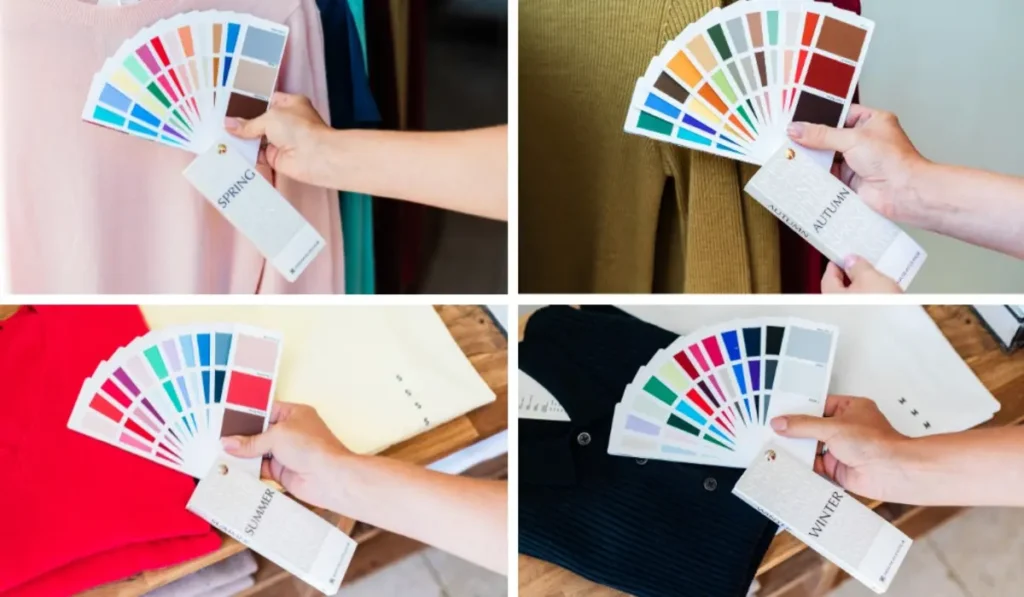
Professional seasonal color analysis divides people into four main groups: Spring, Summer, Autumn, and Winter.
Each season matches specific lighting, contrast levels, and climate tones found in nature.
Spring: Warm and Bright
Spring types generally feature light, warm undertones paired with bright eyes and hair.
Think clear golden skin, blonde or auburn hair, and vibrant blue or green eyes.
Your best fashion colors include bright coral, warm peach, clear golden yellow, warm turquoise, and bright poppy red.
These high-energy tones complement your natural radiance without washing you out.
Avoid dusty tones like muted mauve, dusty charcoal gray, and harsh jet black.
Summer: Cool and Soft
Summer types feature cool undertones with soft, low-contrast features.
Think ash brown or blonde hair, light gray-blue or cool hazel eyes, and soft pink skin.
Your best colors include sky blue, soft lavender, dusty rose, sage green, and cool navy blue.
These soft, muted shades blend smoothly with your gentle features.
Avoid warm golden shades like mustard yellow, neon orange, and deep terracotta.
Autumn: Warm and Deep
Autumn types have rich, warm undertones with deeper natural features.
Think rich brown hair, warm hazel or dark brown eyes, and golden skin.
Your ideal shades are mustard yellow, deep olive green, warm rust, warm chocolate brown, and rich burnt orange.
Earth tones pull out the deep golden tones in your skin and eyes naturally.
Avoid icy pastel colors like baby blue, soft lilac, and harsh stark white.
Winter: Cool and Dark
Winter types feature sharp contrast between their skin, dark hair, and bright eyes.
Think porcelain or deep cool skin, jet black or dark brown hair, and vivid dark or cool blue eyes.
Your top shades feature jet black, crisp white, deep emerald green, true royal blue, and bold crimson red.
High-contrast, jewel-toned shades match your bold natural coloring perfectly.
Avoid muted beige shades like warm taupe, peach, and soft golden brown.
How to Do a DIY Color Analysis at Home
Ready to figure out your season without spending a fortune on a studio consultation?
You can run a simple test right in your living room using natural daylight and clothes you already own.
The Sunlight Mirror Test
First, clean your face completely so you have no makeup or lotion residue.
Find a window with strong, natural daylight, but avoid harsh direct sunlight that creates hard shadows.
Tie your hair back if it is dyed so you only see your natural skin contrast.
Testing Fabrics step by step
Hold a piece of bright golden-yellow fabric under your chin while looking in the mirror.
Pay close attention to your under-eye area, jawline, and forehead.
Does your skin look glowing and warm, or does it look yellowish and uneven?
Next, swap the yellow fabric for an icy blue or cool silver piece.
Watch if your skin suddenly looks bright and clean, or if it looks pale and washed out.
If the golden fabric makes you glow, you naturally lean warm. If the cool blue lifts your complexion, you lean cool!
Quick Tips for Color Matching Clothes Daily
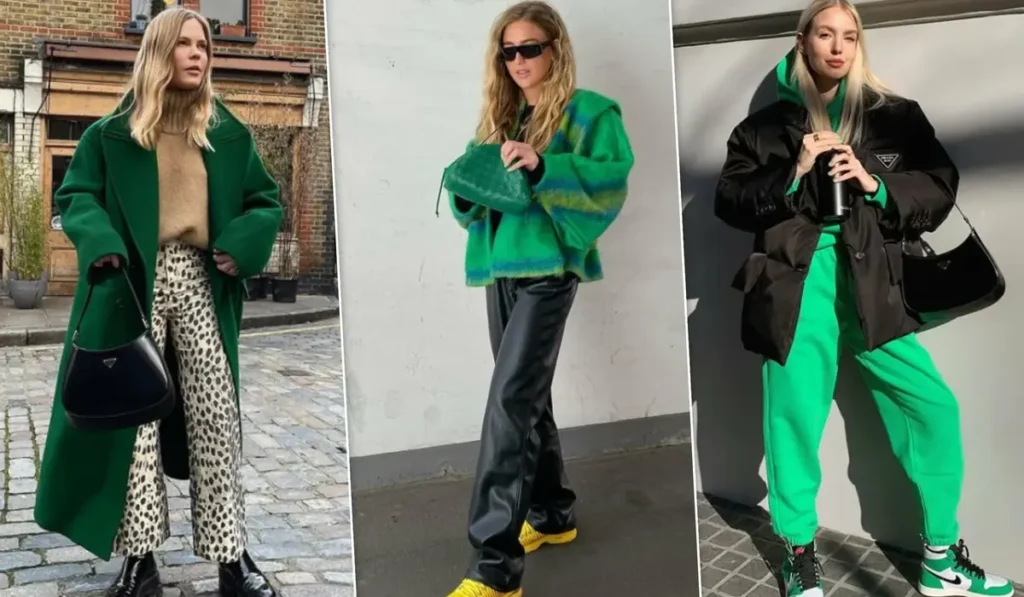
Once you find your personal color palette, dressing up becomes fun again.
You do not need to replace every single item in your wardrobe overnight. Small adjustments make a huge impact on your overall look.
Building Out Fit Combinations
Start by focusing on base layers and tops, as these sit closest to your face.
Use your season’s best neutral shades for big staple pieces like coats, jackets, and trousers.
Neutrals like navy, slate gray, cream, or warm camel create solid foundations for daily outfits.
Layer in your bright seasonal colors through tops, scarves, or knitwear.
When you shop for wardrobe staples at Johjos, stick to your primary seasonal neutrals first.
Solving Common Color Analysis Mistakes
Sometimes people get stuck when doing a self-assessment at home. Let’s fix those common missteps!
Don’t Focus Only on Hair Color
Dyed hair or highlights can throw off your self-test completely.
Always focus primarily on your skin tone, undertone, and natural eye color when checking contrast levels.
If you color your hair, try draping a neutral towel over your hair during your mirror test.
Don’t Panic Over Black Clothes
Many people worry that their seasonal palette excludes basic black.
If black isn’t in your season, you do not need to toss out your favorite black jacket!
Simply open up the neckline with a lower cut top underneath.
You can also wear a scarf or statement necklace in your best fashion colors right near your chin.
This creates a flattering buffer between the black fabric and your face.
At Johjos, we always recommend pairing tricky shades with face-flattering accessories to balance your look.
Advanced Color Harmony Techniques
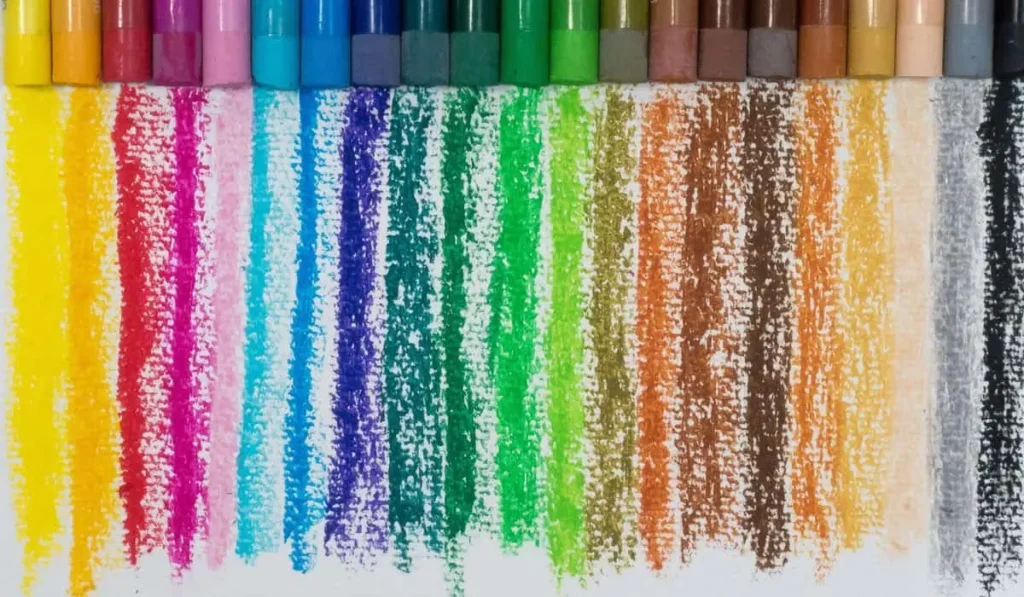
Once you feel comfortable with your main season, you can play with color harmony to elevate your daily style.
Combining colors correctly keeps your outfits looking fresh and intentional rather than chaotic.
Monochromatic Styling
Monochromatic styling means wearing different shades and tints of a single color family.
For example, a Summer season can pair a sky blue shirt with deep navy trousers and a dusty blue sweater.
This technique creates a clean, streamlined silhouette that elongates your body while staying completely within your palette.
Analogous Color Pairing
Analogous colors sit right next to each other on the color wheel.
Think of pairing olive green with mustard yellow, or rust orange with warm brown for an Autumn palette.
These combinations feel natural and harmonious because they share the same underlying base tones.
Complementary Accents
Complementary colors sit opposite each other on the color wheel, like deep blue and warm terracotta.
Using complementary shades creates high energy and high visual interest.
If you want a bold look, pair your seasonal main color with its direct complement in small doses, like a bag or shoes.
Organizing Your Wardrobe with Your Personal Palette

Knowing your colors makes closet organization remarkably satisfying.
When every piece in your closet harmonizes, pulling together an outfit takes seconds in the morning.
The Closet Edit Method
Go through your closet and group your clothes into three distinct piles.
- Pile One: Clothes in your ideal personal color palette that fit well.
- Pile Two: Neutral pieces that work reasonably well as base layers.
- Pile Three: Items in shades that wash you out or make you look tired.
Keep pile one at the front of your closet where you can reach them easily.
Keep pile two for layering under jacket or cardigan pieces.
For pile three, consider re-homing them or styling them strictly away from your face with pants, skirts, or footwear.
Shopping becomes far more focused when you know your target palette beforehand.
Instead of getting distracted by trendy colors on display, you quickly scan for shades that match your personal seasonal card.
This saves time, reduces impulse buys, and ensures every new purchase from Johjos integrates into your current wardrobe.
Conclusion
Understanding color analysis takes the guesswork out of getting dressed every day.
By identifying your skin undertone and matching your seasonal color analysis palette, you can pick out clothes with complete confidence.
You no longer have to wonder if a sweater will look good on you before buying it.
Whether you love bold winter reds or soft summer blues, knowing your shades helps you build a wardrobe you truly love.
Start experimenting with fabrics at home and see how much brighter your complexion looks in the right lighting.
Explore the latest collections at Johjos to find high-quality, flattering pieces in shades tailored specifically for your natural beauty.
Frequently Asked Questions
Can my seasonal color palette change as I age?
Your undertone stays consistent throughout your lifetime. However, natural hair graying or fading contrast may shift you toward softer tones within your main cool or warm family.
What if I love colors outside my seasonal color analysis?
Wear whatever makes you feel confident! If a shade falls outside your palette, wear it as a skirt, pants, or accessory away from your face.
Is white better than off-white for cool undertones?
Crisp white usually flatters cool undertones best, while off-white or cream enhances warm undertones without looking harsh.
Can neutral undertones wear every fashion color?
Neutral undertones can wear a broad range of shades, but usually look best in soft, balanced hues that avoid extreme warmth or extreme cool tones.
