

When you get out of bed, look in the mirror, and realize you look rounder and puffy than you did maybe last week after you started working out and eating healthier, it may be a message your body is sending you. Some individuals experience extra fat deposits in their cheeks, chin and jawline at specific times in life. This physical change is a release on the outside of the body of the change on the inside, known as cortisol face.
Cortisol face is the term used when facial water retention, swelling and soft tissue puffiness are caused by high cortisol levels. Your adrenal glands secrete hormones on a day-in, day-out basis during weeks or months of high stress. This ongoing chemical secretion causes your body to retain more salt and water than usual, giving you a wider, fatter look on your lower face.
Once you grasp how this works, it’s much easier to handle. There are a few simple ways to reduce inflammation, boost your nervous system, and help your skin get back to its natural state, all with diet and lifestyle changes.
What Is Cortisol Face?
Cortisol is a very controversial hormone, yet it is vital for human life! It regulates energy metabolism, controls blood pressure, maintains normal levels of background inflammation and regulates carbohydrate, fat and protein metabolism during emergency situations. If you find yourself facing a sudden challenge, a quick release of cortisol will release energy reserves to act fast.
The difficulty begins when pressure becomes a way of life instead of a fleeting occasion. Your body’s hormonal balance can be thrown off by elevated hormones when your nervous system remains in fight-or-flight response. Your under-eye area, jawline and cheeks are likely the first areas to reveal that trapped water in your face due to their rich supply of small blood vessels and soft tissue.
In medicine, a very rounded face due to serious internal endocrine problems is called moon face. This is a common symptom of Cushing syndrome and among individuals who take high levels of oral corticosteroid medications for a prolonged time.
What Causes High Cortisol Levels?
Facial fluid is not stored in your body for no reason. Stress hormone levels are typically raised above normal levels by a combination of daily stresses, habits and physiological factors.
Ongoing Mental and Emotional Stress
If you have high pressure work or family demands, economic concerns, or even personal stresses that last on for many weeks without a pause, your nervous system is always on. The continual state puts your adrenal glands on overdrive, resulting in your soft tissues retaining water.
Poor Sleep Quality
Less than 7 hours of good quality sleep disrupts your natural biological clock. It is the loss of deep sleep that prevents hormones from falling while you sleep at night. This usually results in skin swelling around the face at the moment of waking up in the morning.
High Sodium and Highly Processed Foods
Too many fast foods, salty snacks, or refined sweets result in a lot of spikey insulin. High insulin levels, combined with high levels of stress factors, will cause your kidneys to retain additional water in your body.
Long-Term Corticosteroid Medications
Medications like prednisone, which are used to treat serious asthma, autoimmune reactions or swelling in the joints, are similar to the natural stress hormones your body makes. A buildup of fluid in the face and fat deposits elsewhere are common side effects of chronic steroid use.
Common Cortisol Symptoms and How to Recognize Them
There are few changes that occur on the face that do not occur on other parts of the body as well. They are nearly always associated with other physical symptoms of cortisol occurring across your whole body.
Here is a quick breakdown of the difference between puffiness of the face due to the morning and stress:
| Feature | Everyday Morning Bloating | Cortisol Face (Stress Face) |
| Duration | Resolves in an hour or two after activity | Remains soft and swollen all day long. |
| Main Cause | Late night salty meal, alcohol or lying on their back to sleep | Chronic high cortisol and water retention. |
| Skin Feeling | Normal skin texture and fast elasticity. | Tendency to redness, an excessive amount of oil or breakouts along the jaw line |
| Body Clues | A slight puffiness of the eyes and normal energy levels | Persistent tiredness, fluctuations in mood and weight in the middle of the body |
KPIs To Monitor
It can be helpful to look for other physical signs to determine if there is a relationship between the internal stress and how it is manifesting on the outside.
Lower or Raised Ridge at the Sides of the Face and Jawline
The fat bulges that occur in the lower cheeks and lower chin area are fluid and subtle, creating a less distinct jawline and a rounder appearance to the head.
Facial Flushing and Skin Sensitivity
Avoid using any product that causes it to flush, as this can cause irritation. If you have elevated hormones for too long, your natural barrier may be compromised and small blood vessels close to the skin’s surface may become dilated, resulting in long-lasting redness all over your face and nose.
Stubborn Jawline Breakouts
When exposed to stress, your oil glands release more sebum, which is thicker and stickier. This excess oil combines with dead skin cells and often results in large acne spots on your face’s jawline and chin.
Delayed Healing and Loss of Collagen
Over time, too much stress hormones will affect collagen production. This may cause soft skin under the eyes to appear translucent and make small blemishes or dark spots appear to last a lot longer.
Reduce Stress, Face It Easy Ways
You can drain away excess fluid through simple and achievable changes to your daily routine, diet, activity and sleep patterns.

Emphasize Good Sleep Routines
Get a minimum of 7-9 hours of undisturbed sleep each night. Make your bedroom quiet, dark and cool and avoid having bright screens at least an hour before you go to sleep. Having a regular sleep schedule allows your body to get the dedicated time it requires to release excess fluids and relieve your adrenal reaction.
Create a “Meal Plan” for an Anti-Inflammatory Diet
The small adjustments you can make to your diet can have a major impact on how fluid your body is during the week:
-
Eat Potassium Rich Foods: Incorporate bananas, spinach, sweet potatoes, avocados and coconut water into your diet to naturally balance out sodium.
-
Add Healthy Fats: Add wild salmon, chia seeds, walnuts and extra virgin olive oil to help calm systemic tissue inflammation.
-
Stay Hydrated: Your kidneys will know to get rid of sodium and retained water if you drink more water.
-
Reduce Processed Snacks: Replace processed snacks, salty chips and sugary drinks with whole nutritious foods to help maintain a stable blood sugar.
Practice Low-Impact Movement
If your body is already stressed from chronic stress, you can experience a temporary rise in stress hormones with high levels of exercise. Replace long workouts with a walk, a light bike ride, a swim or a simple yoga class. These activities are not too strenuous and maintain the circulation while not exhausting your recovery system.
Make Use of Gentle Facial Massage
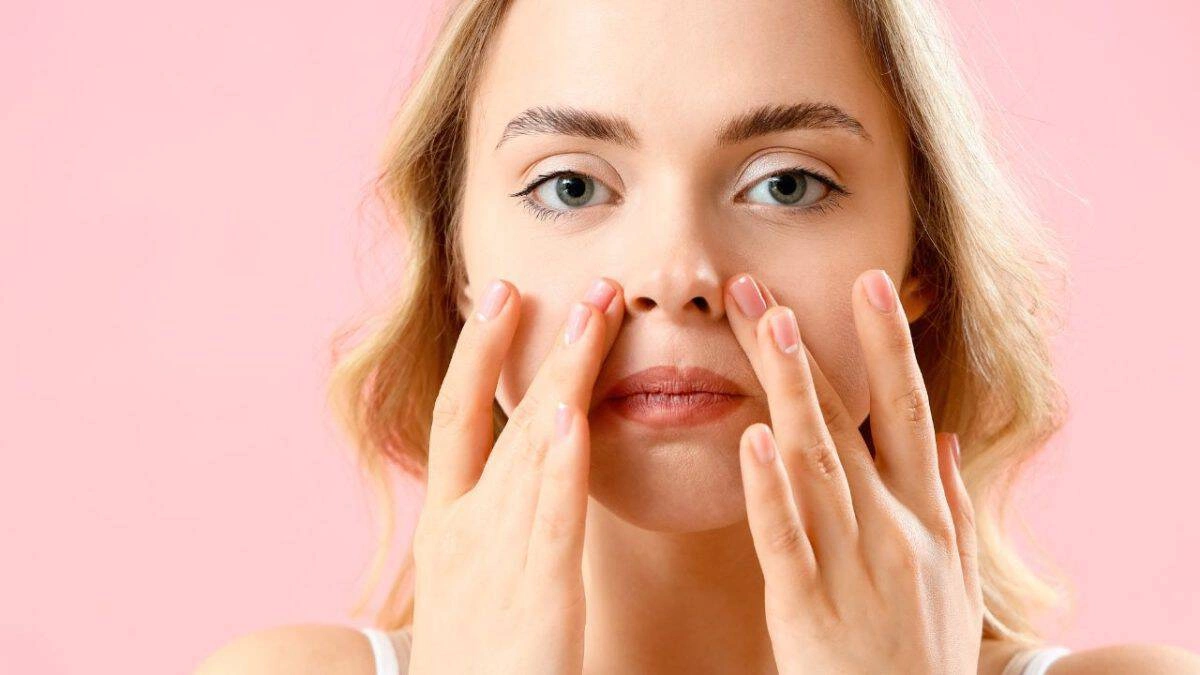
Practice light lymphatic massage to help get trapped fluid moving out of your face. With clean fingertips, cool wash cloth or a jade roller, gently stroke from the center of your face to the ears, and down the side of your neck. This can help to improve the drainage of fluid in the morning after just 2 or 3 minutes.
Practice Simple Daily Breathwork
Learn and practice Simple Daily Breathwork. Quick breaks in the day to relax the nervous system allow the fight or flight mechanism to switch off. Slow, deep breathing: breathe in and out through the nose, in 4-second increments, then hold for 4 seconds, then exhale slowly through your mouth for 4 seconds. This cycle can be repeated four or five times, which resets the body.

When It Is Appropriate to Discuss With a Medical Professional
Most puffiness of the face subsides with better rest, a healthy diet and simple stress-reduction techniques, but significant or rapid alterations should be treated by a professional.
When your face starts to look very round, particularly if you start to have high blood pressure, an increase in weight around the tummy, muscles begin to feel weak, or you get very tired, visit your GP or endocrinologist. They can carry out routine blood tests which can determine your hormone levels and exclude underlying medical problems.
The Complete Guide to Achieving a Natural Balance
If you are tired and have a puffy reflection it is probably a request for a little break from your body. With a commitment to getting a good night’s sleep, eating a whole food diet, managing your daily stressors and helping to balance your cortisol levels, you can restore your natural facial contour and improve your overall health.
Visit our full archive of articles at johjos for straight-to-the-point health information and everyday health tips.
Frequently Asked Questions
What does a cortisol face look like?
It typically appears as a constant lump beneath the lower cheeks, chin and jaw line. The face is rounder, softer and may appear red, have a skin sensitivity or be shiny all day long, instead of only after waking up.
How fast can you reverse cortisol face?
If puffiness is linked to daily lifestyle or stress, changes to sleep, fluids and stress management techniques generally result in a noticeable improvement within 2-6 weeks.
Does water really help to diminish facial swelling?
Yes. Keeping hydrated will cause your kidneys to excrete excess sodium and fluid, causing soft tissue puffiness throughout your body to be reduced directly.
Do hard exercises aggravate facial swelling?
Intensely training when your body is already stressed could result in short term increases in stress hormones. When recovering from burnout, activities such as walking, swimming or gentle stretching are far better for your system than more strenuous activities.
Do stress hormones always cause puffiness?
Facial swelling may be caused by many other conditions such as seasonal allergies, excessive intake of salt, sinus problems, thyroid disorders, or side effects of certain prescription drugs.
