
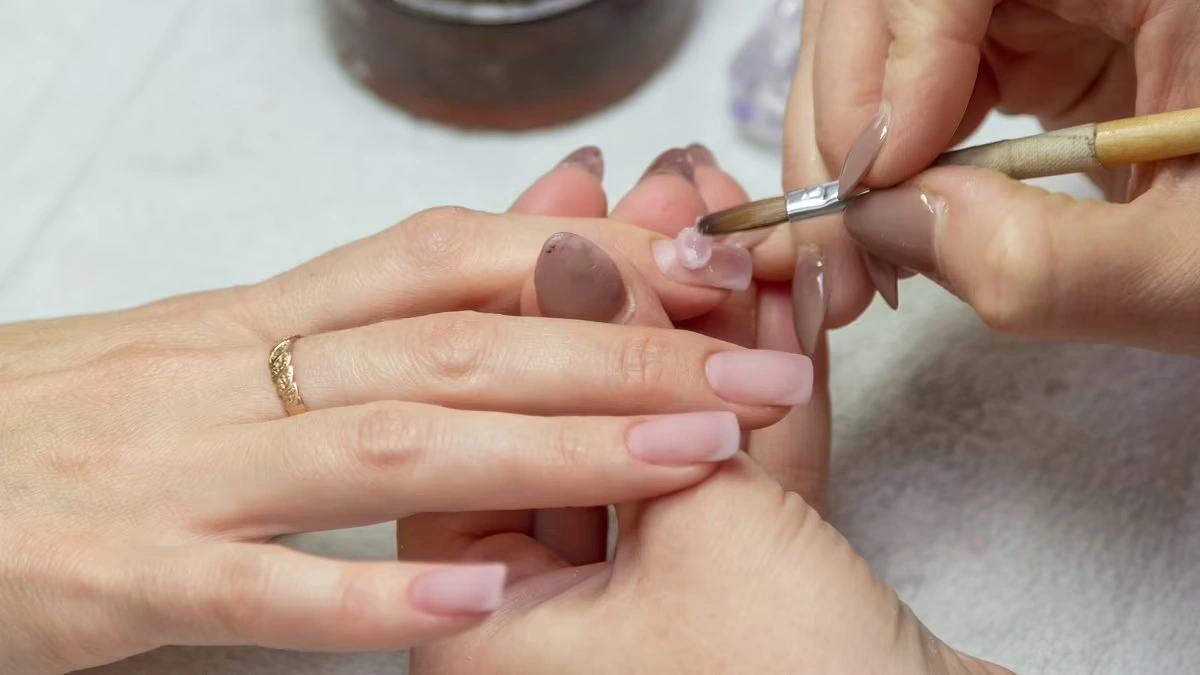
Fake nails are artificial nail enhancements applied over your natural fingernails to add length, strength, or decorative style. Whether you want a quick manicure for a weekend event or durable salon extensions that last for weeks, modern artificial nails offer options for every budget, lifestyle, and skill level.
Choosing the right type of nail enhancement matters because each material interacts differently with your natural nail plate. Some options, like press-ons, take ten minutes to apply at home and cause minimal wear, while salon-sculpted acrylics or hard gels offer unmatched durability for hands that take daily wear and tear. Understanding how each system works helps you get the look you want without compromising the health of your natural nails.
What Are Fake Nails and How Do They Work?
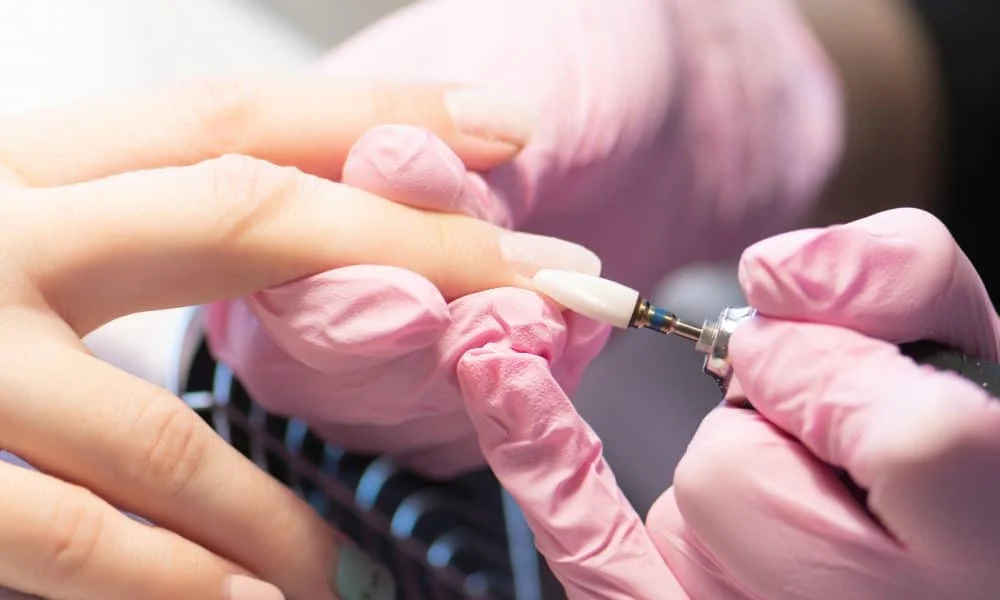
Artificial nails are pre-formed shells or sculpted overlays made from polymers, resins, or plastics that adhere to the natural nail bed. Depending on the system, they are either bonded with a cyanoacrylate nail glue, adhered with pressure-sensitive tabs, or cured under an ultraviolet (UV) or light-emitting diode (LED) lamp.
At their core, all nail enhancements serve two purposes: creating a smooth, uniform canvas for polish and nail art, and reinforcing weak or short nails so they can grow without snapping. Salon technicians typically prep the natural nail by lightly buffing away surface shine and removing oils so the enhancement can form a secure mechanical or chemical bond.
Popular Types of Fake Nails
The artificial nail market has expanded far beyond traditional salon acrylics. From elegant almond French tip nails to bold dark chrome nail ideas and seasonal fall nail colors, there are plenty of styles to explore. Below are the most common types of artificial nails available today, each suited to different preferences and maintenance routines.
Press-On Nails
Press-on nails are pre-shaped, pre-painted plastic or soft-gel tips applied at home using either liquid nail glue or double-sided adhesive tabs. Modern press-ons are thinner and more flexible than older versions, allowing them to sit flush against the cuticle for a natural appearance.
-
Best for: Beginners, budget-conscious shoppers, and people who like changing styles frequently.
-
Wear time: 1 to 3 days with adhesive tabs; 1 to 2 weeks with nail glue.
-
Removal: Soaking in warm, soapy water with a bit of oil gently loosens the bond without harsh chemicals.
Acrylic Nails
Acrylic nails are created by combining a liquid monomer with a powder polymer to form a malleable bead that hardens upon exposure to air. A nail technician sculpts this mixture over your natural nail or a glued-on plastic tip, then files it into your desired shape.
-
Best for: Maximum durability, dramatic lengths, and intricate 3D nail art.
-
Wear time: 2 to 3 weeks before requiring a fill at the base as your natural nail grows out.
-
Removal: Must be soaked in pure acetone until the acrylic softens enough to be gently pushed away.
Gel Extensions (Soft Gel and Hard Gel)
Gel enhancements use light-cured oligomers instead of air-drying monomers. Hard gel is sculpted onto a nail form or tip and cures into a rigid, non-porous surface that cannot be soaked off with acetone it must be filed down by a professional. Soft gel tips (often known by system names like Gel-X) are full-cover tips made entirely of soft gel that are bonded to the natural nail with a layer of gel base coat and cured under an LED lamp.
-
Best for: A lightweight, glossy, natural-looking finish with less odor than acrylics.
-
Wear time: 2 to 4 weeks.
-
Removal: Soft gel tips soak off in acetone; hard gel requires careful filing.
Builder Gel (BIAB)
Builder in a Bottle, commonly called BIAB, is a thick, self-leveling soft gel applied directly over the natural nail like regular polish to add structure and strength. While it can be used with forms to add modest length, it is most popular as an overlay for people growing out their own nails.
-
Best for: Strengthening brittle natural nails without adding heavy extensions.
-
Wear time: 3 to 4 weeks, often maintained with infills rather than full removals.
-
Removal: Can be soaked off with acetone or filed down to a thin protective base layer.
Dip Powder Nails (SNS)
Dip powder nails involve brushing a resin base onto the nail, dipping the finger into a finely milled colored acrylic powder, and sealing the layers with an activator liquid. No UV lamp is required for curing, and the finished result is thicker and sturdier than standard gel polish.
-
Best for: Chip-resistant color and added strength without sculpted length (unless paired with tips).
-
Wear time: 2 to 4 weeks.
-
Removal: Soaking in acetone after buffing off the shiny top coat.
Comparing Fake Nail Types at a Glance
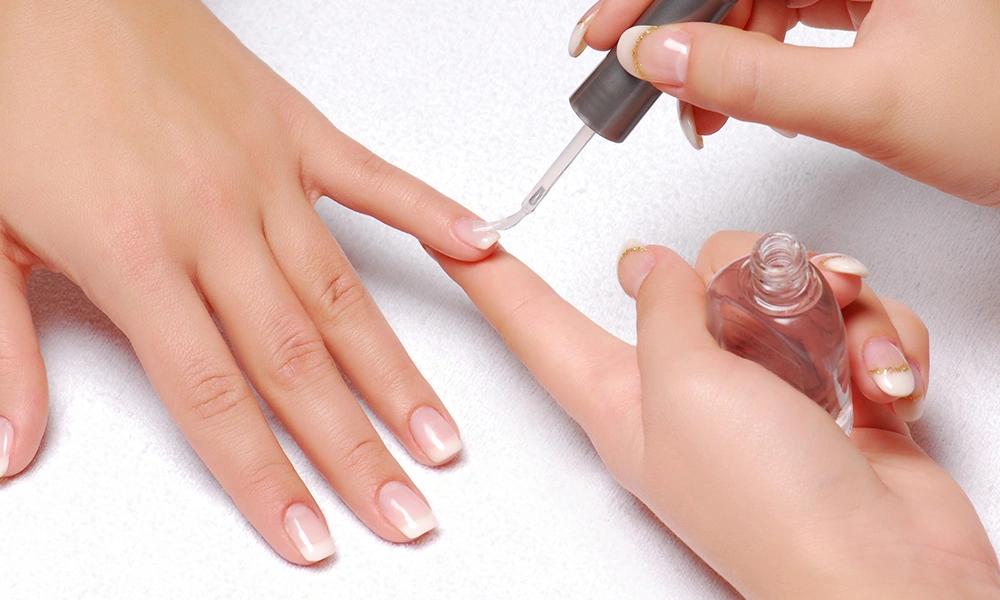
Choosing between enhancement methods becomes easier when you compare wear time, cost, and removal requirements side by side. You can also explore versatile short nail designs and trendy aura nails for inspiration when deciding which nail enhancement and style best suit your preferences.
| Nail Type | Average Cost | Typical Wear Time | UV/LED Lamp Needed? | Removal Method |
| Press-On Nails | $8 – $25 (at home) | 2 days – 2 weeks | No | Warm soapy water & oil |
| Acrylic Nails | $45 – $90+ (salon) | 2 – 3 weeks (per fill) | No | Acetone soak |
| Soft Gel Tips | $60 – $110+ (salon) | 3 – 4 weeks | Yes | Acetone soak |
| Hard Gel | $65 – $120+ (salon) | 3 – 4 weeks (per fill) | Yes | Electric/hand filing |
| Builder Gel (BIAB) | $50 – $85+ (salon) | 3 – 4 weeks (per fill) | Yes | Acetone soak or infill |
| Dip Powder | $40 – $70+ (salon) | 2 – 4 weeks | No | Acetone soak |
Note: Salon prices vary widely depending on location, technician experience, nail length, and custom art.
How to Choose the Right Fake Nails for Your Lifestyle
The best nail enhancement is one that fits your daily routine and maintenance habits rather than just a trend photo.
-
Consider how you use your hands: If you type heavily, work in healthcare, cook frequently, or lift weights, shorter lengths with rounded, squoval, or almond shapes will resist snagging and breakage much better than long stiletto or coffin shapes.
-
Decide on commitment level: If you work a job that restricts nail enhancements during the week, press-on nails with adhesive tabs give you a polished look for weekends without long-term commitment. If you want zero daily upkeep for a month, salon BIAB or soft gel extensions are more reliable.
-
Factor in ongoing maintenance: Salon acrylics, hard gel, and builder gel are designed to be filled every two to three weeks. Leaving grown-out extensions on too long shifts the stress point toward the tip of your nail, increasing the risk of painful breaks.
How to Apply Press-On Nails So They Actually Last
At-home press-ons often pop off early because of improper nail prep rather than poor glue quality. Follow these steps for a hold that lasts over a week:
-
Size every nail beforehand: Lay out all ten tips in order before opening the glue. Each press-on should cover your natural nail from sidewall to sidewall without touching the surrounding skin. If you are between sizes, choose the slightly larger tip and file the sides down to fit.
-
Prep the cuticle and nail plate: Push back your cuticles gently with a wooden stick. Lightly buff the surface of your natural nails with a fine-grit buffer just to remove shine—do not over-file.
-
Dehydrate thoroughly: Wipe each nail with 90% or higher isopropyl alcohol or pure acetone on a lint-free pad. Avoid touching your hair, face, or lotion afterward, as any oil will weaken the adhesive bond.
-
Apply glue strategically: Place a small drop of brush-on nail glue onto your natural nail and a thin swipe on the back of the press-on. Applying glue to both surfaces prevents air pockets.
-
Press at a 45-degree angle: Align the base of the fake nail just shy of your cuticle line, lower it toward the free edge to push out trapped air, and hold firmly for 20 to 30 seconds.
-
Avoid water for one hour: Give the adhesive time to cure completely before washing dishes, showering, or applying cuticle oil.
Nail Safety and Common Mistakes to Avoid
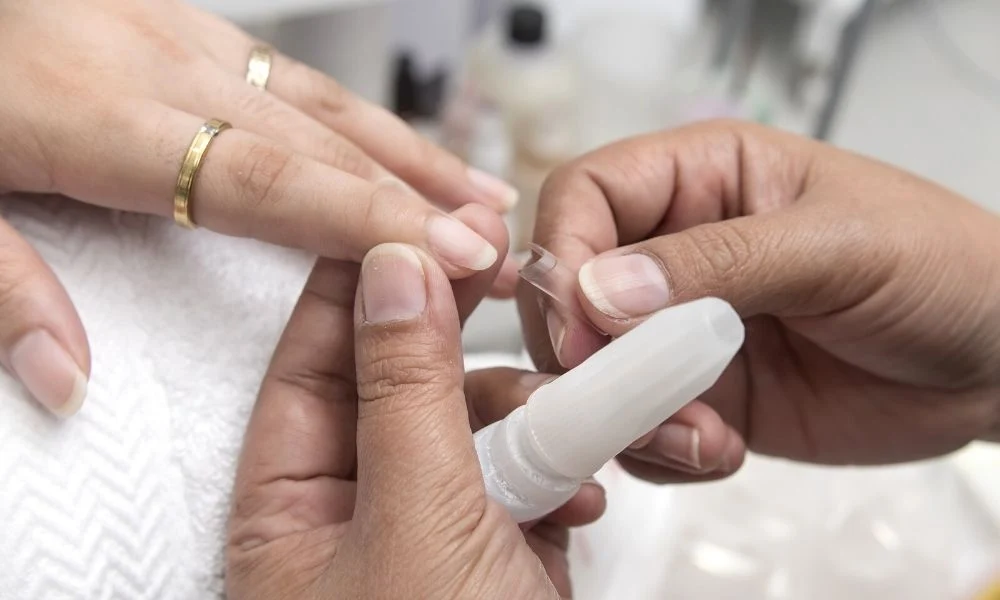
Fake nails do not inherently ruin natural nails; improper application and rushed removal cause almost all damage. Whether you prefer classic pink nails, convenient Glamnetic nails, or a complete beauty refresh with hairstyles for short hair, choosing styles that suit your lifestyle matters. Keep these essential nail safety practices in mind to protect your natural nails.
-
Never peel, bite, or pry off enhancements: Pulling off glued-on or cured nails rips away the top layers of keratin from your nail plate, leaving nails paper-thin, sensitive, and prone to splitting. Always soak or file enhancements off patiently.
-
Watch out for trapped moisture: If an artificial nail lifts at the edges, water can seep underneath and create a warm, damp environment where bacteria most commonly Pseudomonas, which leaves a harmless-looking greenish stain can grow. If a nail lifts, remove and re-prep it promptly rather than gluing over the gap.
-
Do not skip cuticle care: Daily cuticle oil keeps the surrounding skin supple and maintains flexibility in your natural nail plate beneath the enhancement, reducing lifting and brittleness.
-
Allow ventilation and proper curing: When using gel products at home, ensure your lamp matches the manufacturer’s recommended wavelength and curing time. Uncured or under-cured gel touching the skin can trigger contact allergies to acrylates over time.
Frequently Asked Questions
Do fake nails ruin your natural nails?
No, fake nails themselves do not ruin your natural nails when applied and removed properly. Damage almost always comes from overly aggressive filing during prep or peeling and prying the enhancements off instead of soaking them in acetone or warm soapy water.
Which type of fake nails is least damaging to natural nails?
Press-on nails applied with adhesive tabs are the gentlest option because they require no harsh filing or acetone removal. Among salon enhancements, builder gel (BIAB) and soft gel tips are generally gentler than traditional acrylics because they are more flexible and require less aggressive surface etching.
How long do fake nails typically last?
Wear time depends on the application method and your daily activities. Press-on nails last 1 to 3 days with adhesive tabs and 1 to 2 weeks with nail glue, while salon acrylics, gel extensions, BIAB, and dip powder manicures typically last 2 to 4 weeks before needing a fill or removal.
Can you shower and wash your hands normally with fake nails?
Yes, once the adhesive or gel has fully set, you can shower, wash your hands, and swim normally. However, waiting at least one hour after applying glued-on press-ons before exposing your hands to water helps ensure the bond cures completely.
How do you remove fake nails safely at home?
For glued-on press-ons, soak your fingertips in a bowl of warm water mixed with dish soap and a few drops of cuticle or olive oil for 15 to 20 minutes, then gently slide a wooden stick underneath the edges. For acrylics, dip powder, or soft gel, buff off the shiny top coat, soak cotton balls in 100% acetone, wrap them onto each nail with foil for 15 minutes, and gently push away the softened product.
What is the difference between acrylic nails and gel nails?
Acrylic nails are formed by mixing a liquid monomer and powder polymer that hardens in the air, creating a very rigid, durable extension. Gel nails use a pre-mixed resin that stays workable until cured under a UV or LED lamp, resulting in a lighter, more flexible, and glossier finish with virtually no chemical odor.
Final Thoughts
Fake nails offer an accessible, customizable way to achieve polished, durable manicures at home or in the salon. If you want low-commitment versatility on a budget, well-prepped press-on nails deliver impressive results in minutes. If you prefer long-lasting strength and low daily maintenance, salon options like builder gel, soft gel tips, or classic acrylics provide reliable wear for weeks at a time. Whatever style you choose, prioritizing gentle prep, proper sizing, and patient removal will keep your natural nails healthy underneath.
