
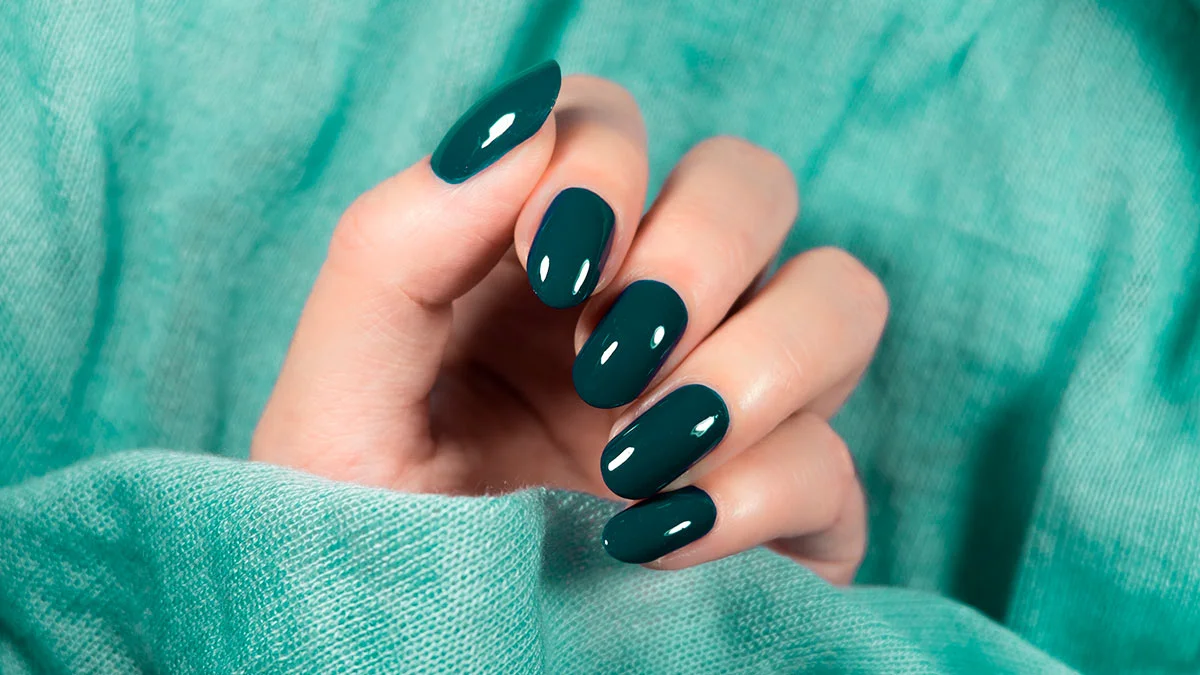
Green nails can mean two very different things. You might mean a bold manicure shade or a greenish stain on your nail plate. Because people use the phrase for both beauty trends and nail health, spotting the difference matters.
Whether you want fresh manicure ideas, cleaner polish formulas, or peace of mind about a sudden tint, simple habits help. You can keep your hands looking neat and protect your nail beds.
What “Green Nails” Means in Beauty and Nail Care
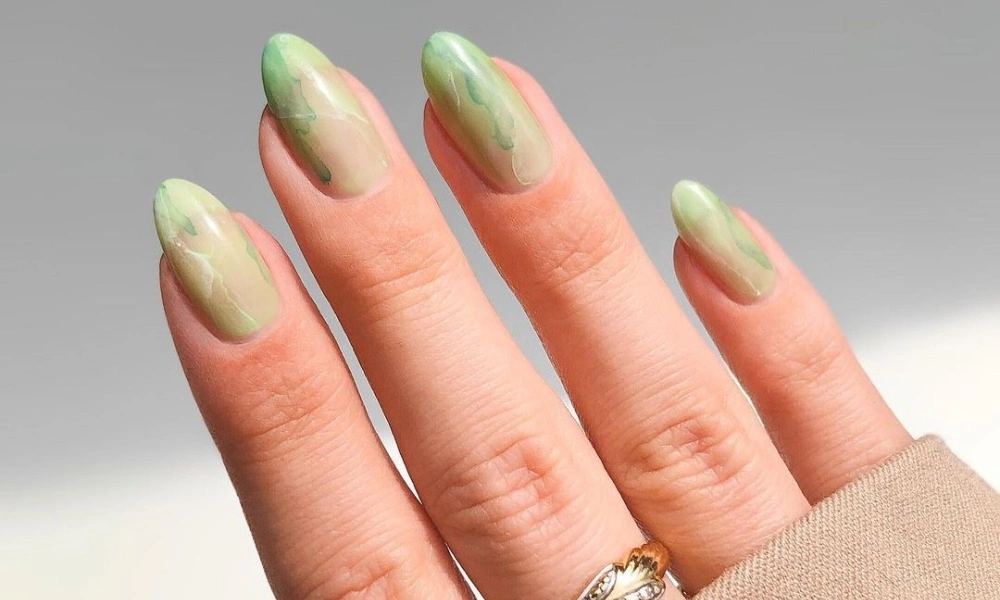
In everyday talk, green nails usually point to a deliberate polish shade or an unwanted greenish tint. Popular polish shades range from soft sage and matcha to deep emerald. An unwanted greenish hue under lifting polish or enhancements often links to trapped moisture and bacterial growth. People often call this green nail syndrome.
Spotting this difference early helps you take the right step. A fresh pistachio manicure calls for prep, base coat, and color. A surprise green spot under acrylics, gel, or chipped polish calls for removing the covering, keeping the nail dry, and checking the nail plate.
Popular Green Nail Styles and Finishes
Green offers plenty of range. Undertones shift a lot based on how much yellow, blue, or gray sits in the pigment. Muted shades feel quiet and neat, while bright jewel tones look bold even on short nails. If you prefer a more detailed manicure, explore these almond French tip nails for elegant inspiration. For a deeper, more dramatic finish, consider dark chrome nail ideas or take inspiration from seasonal shades in these fall nail colors.
Soft, Muted, and Earthy Greens
Sage, olive, moss, and matcha stay popular because they match neutral clothes and everyday jewelry. Soft greens suit many skin tones without feeling too loud. They work especially well on short squoval or rounded nails.
Bright and Jewel-Toned Greens
Emerald, forest green, lime, and kelly green add strong contrast and energy. Glossy top coats make dark greens look deep and rich. Sheer jelly or seafoam finishes keep bright shades light and easy to wear.
Textures, Accents, and Nail Art Ideas
A full set of solid green is not the only option. Small details can refresh your look:
-
French tips: Swap classic white tips for sage, olive, or emerald over a sheer neutral base.
-
Matte vs. glossy: A matte top coat gives earthy moss or olive a soft finish. High gloss brings out depth in dark forest shades.
-
Mixed or accent nails: Pair one or two green nails with warm ivory, tortoiseshell, or soft pink for balance.
Choosing Cleaner and More Sustainable Nail Products
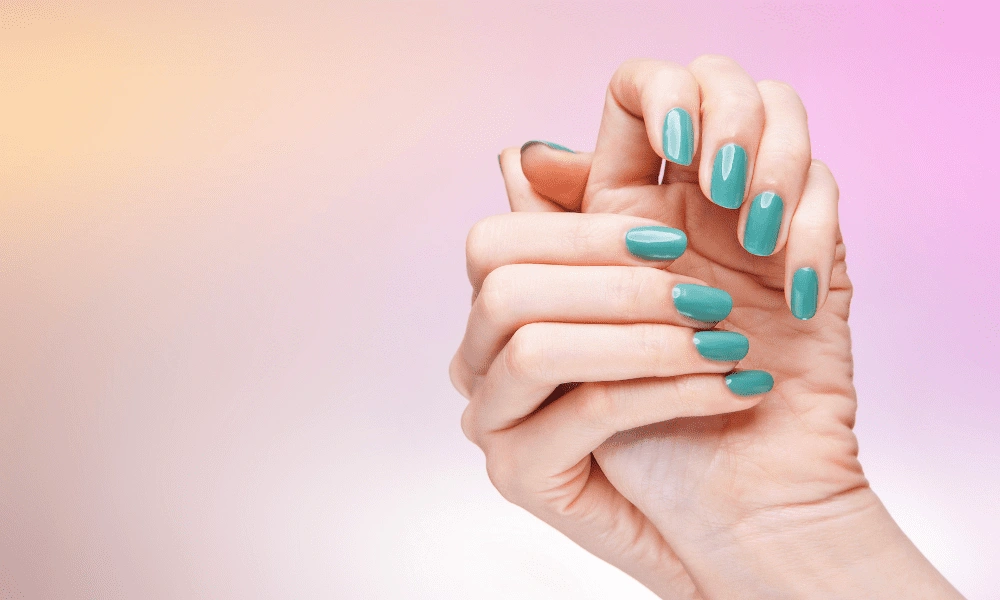
Many readers looking up green nails also want “green” beauty choices. That usually means formulas with fewer harsh solvents or clearer ingredient lists. Words like “breathable,” “plant-based,” “bio-sourced,” or “free-from” appear on many bottles. Still, brands do not follow one single rule for those terms.
When you compare polishes and removers, focus on practical details over buzzwords:
-
Clear labels: Check ingredient lists and pick lower-odor or acetone-free removers when gentle removal fits your nails.
-
Wear time vs. touch-ups: Polish that chips in two days often means more frequent reapplication and extra remover. A well-prepped polish that lasts a week can cut down daily wear.
-
Good airflow: Open a window or use a fan during application, no matter what label the bottle carries.
Green Nail Discoloration vs. Intentional Color
An unwanted green or greenish-brown tint often shows up when artificial nails, dip powder, gel, or long-wear polish start to lift. Tiny gaps trap moisture in a dark space. Certain bacteria, such as Pseudomonas, can grow there and leave a greenish stain. While addressing nail health, you can also explore short nail designs for simpler manicure options or aura nails for a creative look.
Signs to Watch For
-
A green, yellow-green, or dark tint under a lifting nail product or polish edge.
-
Lifting of the nail plate from the nail bed, or soreness around the nearby skin.
-
Swelling, redness, warmth, pus, or pain, which point to a stronger infection that needs fast medical care.
Safe First Steps for Unintended Discoloration
Do not paint over a surprise green spot with another layer of polish or enhancement. Adding another layer traps moisture and hides what happens underneath.
Instead, ask a trained pro to remove lifting enhancements safely, or soak off polish gently without prying. Keep the nail clean, trimmed short, and dry. See a doctor or dermatologist if you feel pain or swelling, live with diabetes or poor circulation, or see the stain stay as the nail grows out.
Nail Prep and Maintenance Tips for Lasting Wear
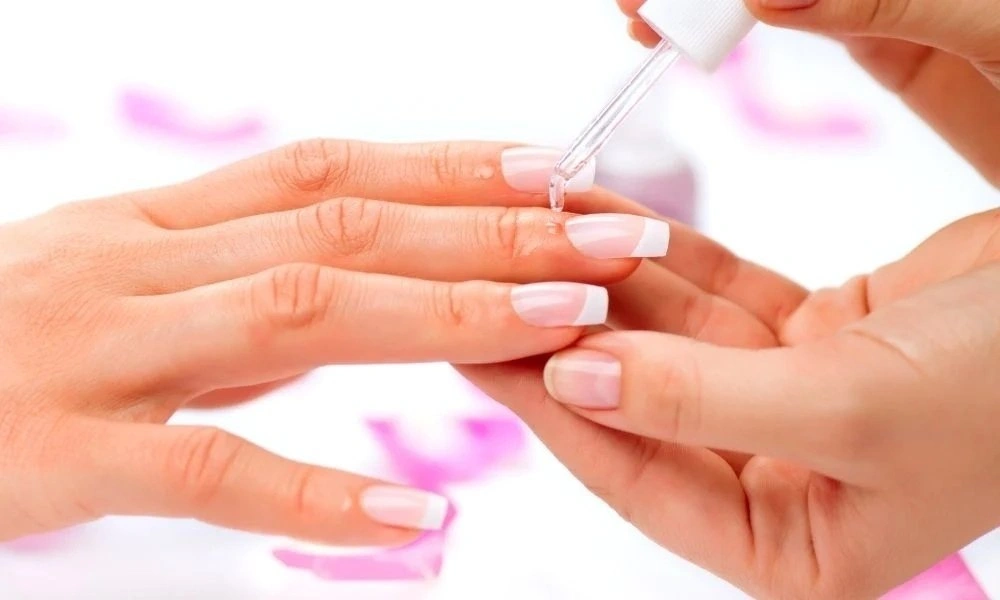
Good prep helps green manicures look crisp and keeps moisture out from under coatings. Steady care protects your natural nails whether you wear regular polish, gel, or bare nails.
Smart Prep and Care Habits
-
Clean and prep lightly: Wash your hands, push cuticles back gently without cutting healthy skin, and wipe away oils before applying base coat.
-
Always use base coat: Dark, bright, or heavy green pigments can stain bare nails. A base coat creates a barrier and helps polish grip.
-
Seal the tip: Brush base coat, color, and top coat lightly over the free edge to slow early chipping.
-
Moisturize every day: Rub cuticle oil and hand cream in often, especially after dishwashing, swimming, or using hand sanitizer.
Common Mistakes to Avoid
Even seasoned nail fans make avoidable slip-ups with green shades or nail stains:
-
Skipping base coat under dark greens: Rich or bright pigments easily tint bare nails without a base layer first.
-
Prying or peeling off lifting polish or extensions: Peeling pulls off top layers of your nail plate and leaves nails thin and prone to splitting.
-
Hiding stains under fresh polish or acrylics: Covering an unexplained green spot traps moisture and blocks a clear look at the nail.
-
Soaking nails in water too often: Long water exposure swells the nail plate and makes lifting more likely.
Frequently Asked Questions
Why do my nails look green under acrylic or gel nails?
Moisture often gets trapped between your natural nail and a lifting enhancement. Certain bacteria can grow in that damp spot and make a greenish pigment. Remove lifting product safely instead of painting over it.
Can green nail polish stain my natural nails?
Yes. Deep greens, bright neons, and rich jewel tones can leave surface stains on bare nails. Apply a base coat first to help block color transfer.
How do I know if green discoloration is a style or a problem?
If you chose green polish or nail art, the color is a style choice. If a green or dark tint appears on a bare nail or under lifting polish without your choosing it, treat it as discoloration and watch it closely.
What are the most flattering shades of green for everyday wear?
Sage, olive, moss, and soft seafoam fit everyday routines well and match casual or work outfits easily. Deep forest or emerald shades also work great when you want a richer, classic look.
Should I see a doctor for a green nail?
See a doctor or dermatologist if the area hurts, swells, turns red, feels warm, or drains fluid. Also get medical advice if you have diabetes or circulation issues, or if you cannot tell whether the tint comes from bacteria, a bruise, or another nail issue.
How can I prevent moisture from getting trapped under my nails?
Keep enhancements maintained so edges do not lift, wear gloves for wet chores, dry your hands well after washing, and avoid using your nails as tools.
Final Thoughts
Green nails can mean picking a calm sage shade for the week or checking what happens under a lifting manicure. Paying attention to undertones, using a base coat, avoiding harsh removal, and acting early on unexpected stains keeps your nails looking neat and healthy.
