
Key Takeaways
-
Reflect natural sunlight using strategically placed mirrors.
-
Swap heavy curtains for sheer fabric options.
-
Layer ambient, task, and accent fixtures thoughtfully.
-
Incorporate low-profile furniture and reflective decor accents.
-
Keep glass surfaces polished to maximize light bouncing.
Wondering how to brighten a dark room without touching a paintbrush? You can transform a dim space by layering soft light sources, placing large mirrors opposite window frames, and switching out heavy fabrics. Utilizing smart lighting for dark rooms alongside clever mirror placement instantly boosts brightness. Simple tweaks like selecting low-profile furniture and adding reflective room decor bounce natural light around every corner, helping you embrace the art of living beautifully.
How to Brighten a Dark Room Without Changing the Paint?
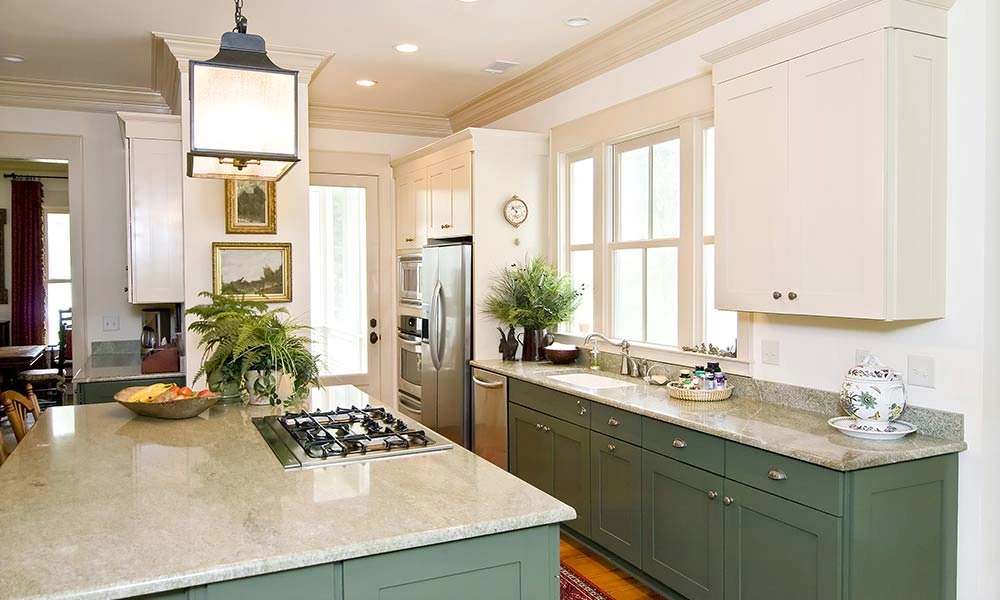
Ever walked into a room in your home and felt like you just stepped into a cave? We’ve all been there. Maybe you’re renting, and your landlord strictly forbids painting the walls. Or maybe you just don’t want to spend your weekend covered in paint splatters and painter’s tape. The good news? You don’t need a fresh coat of paint to make a space feel airy and open.
If you want to know how to brighten a dark room quickly, the secret lies in maximizing available light, using reflective surfaces, and choosing smart decor. At johjos.com, we believe every home deserves to feel inviting and bright, no matter its layout or original wall color. Let’s dive into practical ways you can turn that shadowy space into a glowing retreat!
1. Tap Into the Power of Reflective Surfaces
Light needs something to bounce off of if you want it to travel across a room. When your walls are dark, or your window space is limited, reflective decor becomes your absolute best friend.
Hang Mirrors Strategically to Windows
Hanging mirrors to brighten a room is one of the oldest and most effective interior design tricks. If you put a mirror directly across from or adjacent to a window, it catches the incoming daylight and bounces it straight into the darker shadows of the room. Simple adjustments like these are among the creative ideas to improve your everyday life.
It instantly tricks your eyes into thinking the space has twice as many windows as it actually does! For smaller spaces, picking up a full-length floor mirror angled slightly toward the light source works wonders.
Choose Glass, Acrylic, and Metallic Accents
Solid wood furniture can visually weigh down a space and absorb light. Instead, consider incorporating pieces made of clear acrylic, glass, or polished metal. A glass-top coffee table or a brass side table allows light to pass right through rather than blocking it.
-
Glass tabletop surfaces
-
Chrome or metallic lamp bases
-
High-gloss ceramic vases
-
Acrylic accent chairs
-
Framed art with clear glass fronts
2. Upgrade Your Window Treatments
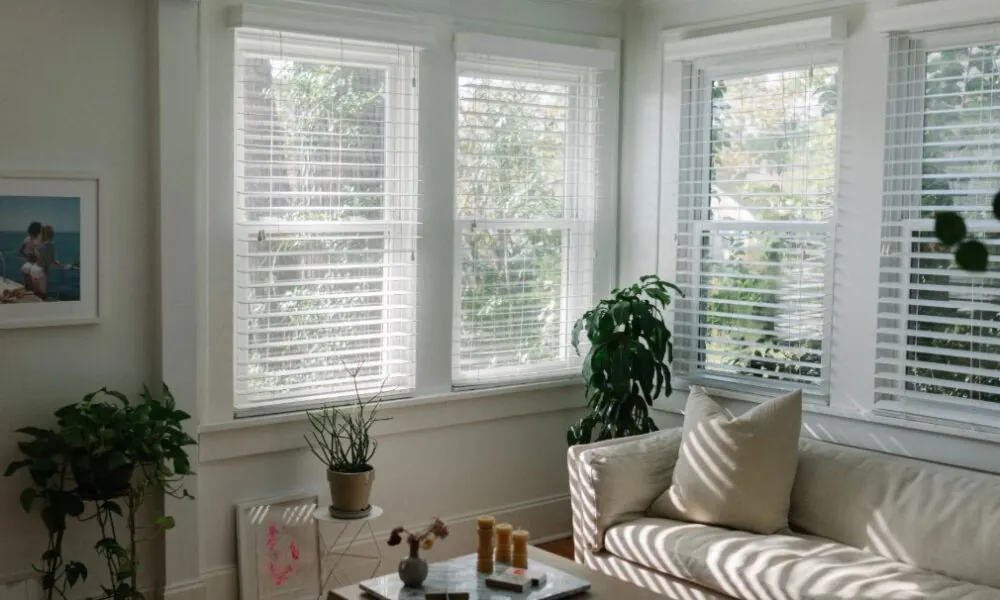
Are your current curtains blocking the very light you’re trying to welcome inside? Heavy drapery like velvet or dark cotton can trap light right at the window frame.
Switch to Sheer and Lightweight Fabrics
Swap out heavy drapes for breezy, semi-sheer linen or sheer white panels. Sheer fabrics soften intense sunlight while still letting plenty of natural illumination flood into the space. If privacy is a concern, layer your windows with light-filtering cellular shades that pull up completely out of sight during daylight hours.
Hang Curtain Rods High and Wide
Here is a simple trick: mount your curtain rod closer to the ceiling and extend it 6 to 12 inches wider than the actual window frame. When you pull the curtains open, they rest on the wall rather than covering the glass. This makes your window look significantly larger while maximizing daylight exposure.
3. Rethink Your Lighting Strategy
When natural light is limited, artificial light takes center stage. Relying on a single overhead ceiling light usually creates harsh shadows in corners, making a room feel smaller and dimmer. To fix this, you need a balanced approach to lighting for dark rooms.
Layer Your Lighting Types
Instead of relying on one bright bulb, layer three distinct types of illumination across the room:
-
Ambient Light: General overhead lighting, flush mounts, or floor lamps.
-
Task Light: Desk lamps, reading lights, or under-cabinet strips.
-
Accent Light: Warm LED strips behind TVs, artwork lights, or candlelight.
Mixing these three layers fills in shadowy pockets and gives the room a cozy, balanced glow.
Choose the Right Bulb Temperature
Bulb selection plays a massive role in how a space feels. Bulbs that are too yellow (below 2700K) can make dark walls look muddy and dingy. On the flip side, harsh cool bulbs (above 5000K) feel clinical and uncomfortable. Aim for warm white or neutral daylight bulbs between 3000K and 4000K for a clean, refreshing vibe.
| Bulb Temperature Range | Visual Effect | Best Used For |
| 2200K – 2700K | Soft, amber, cozy glow | Bedrooms and reading nooks |
| 3000K – 3500K | Bright, warm white light | Living rooms and dark hallways |
| 4000K – 5000K | Crisp, neutral daylight | Home offices and kitchens |
4. Master Clever Placement for Small Spaces
Small spaces often suffer the most from a lack of light. If you’re dealing with a tight floor plan, adopting creative small room lighting ideas can make all the difference.
Use Wall Sconces and Plug-in Lights
Floor space is precious in compact layouts. Instead of cluttering floor space with wide lamps, opt for wall-mounted sconces or sleek plug-in swing-arm lamps. They direct illumination upward and outward, making the ceiling feel higher while keeping floor areas neat and open.
Place Lights Near Dark Corners
Take a walk around your room and notice where the darkest shadows linger. Placing a slim uplight or a tall floor lamp behind a plant or armchair in a neglected corner brightens up the boundary lines of the space. When the corners of a room are visible and well-lit, the entire area instantly feels wider and more open.
5. Choose Floor Coverings Wisely
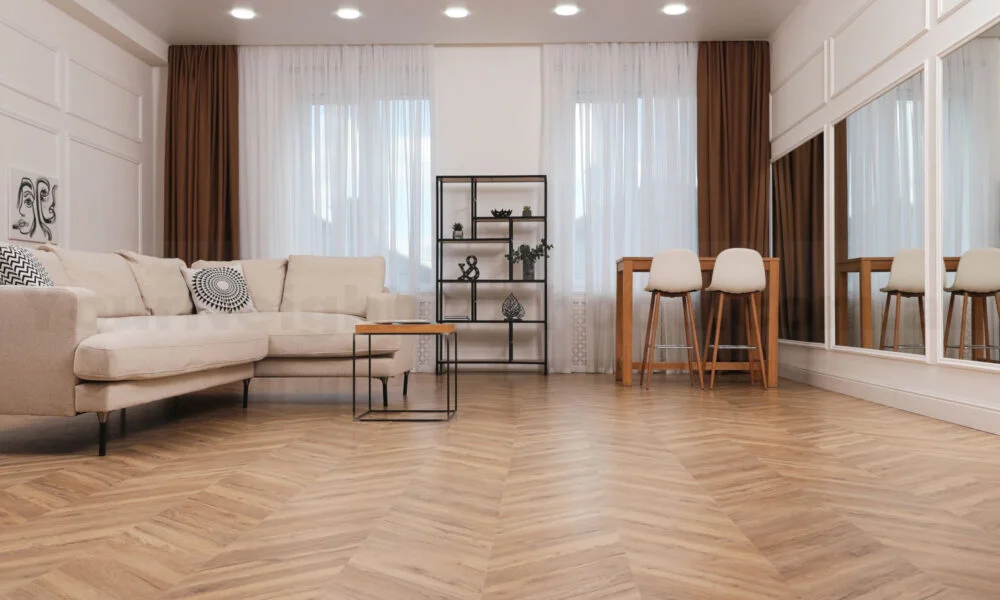
Dark hardwood floors or moody carpeting look gorgeous, but they absorb an immense amount of light. You don’t have to tear up your flooring to fix this issue.
Spread Large, Light-Colored Rugs
Adding a large cream, beige, or soft gray area rug covers dark flooring and reflects light upward toward the ceiling. Look for subtle patterns or light textures like wool or jute blends to keep the room grounded without taking away brightness. Ensure the rug covers a generous portion of the floor so it anchors your seating area naturally.
6. Select Low-Profile and Light Furniture
Furniture choices heavily influence how light travels across a living area. Bulky, dark, or high-backed sofas block natural sightlines and throw wide shadows over your rugs and floors. Creating a brighter, more comfortable living environment can also support better rest, making your surroundings an important part of good sleep hygiene.
Pick Furniture Leg Designs That Lift Off the Ground
Furniture that sits flat on the floor feels heavy and blocks light flow. Instead, select sofas, dressers, and chairs raised on slim, tapered legs. Seeing the floor extend beneath your furniture creates an open visual environment where light moves freely underneath.
Choose Light-Toned Upholstery
If your walls are dark, offsetting them with light-colored furniture creates eye-catching contrast. Consider ivory, pale blue, light cream, or soft oat upholstery. You can also drape a light-toned throw blanket over a dark sofa to quickly soften its visual weight. At johjos.com, we often recommend mixing light textiles with warm wood accents to keep rooms looking cozy rather than washed out.
7. Decorate with Intention (Less is More)
Clutter is the enemy of a bright space. When surfaces are crowded with objects, shadows collect around every small item, making the entire area feel chaotic and dim.
Clean and Clear Your Glass Surfaces
This tip costs absolutely nothing: keep your windows, glass tables, and mirrors sparkling clean to brighten a room! Dust, smudges, and grime on glass block light transmission more than you might realize. A quick wipe-down with a microfiber cloth immediately sharpens reflection quality and daylight intake.
Use Oversized, Light Art
Instead of creating a dense gallery wall with dozens of tiny dark frames, select one or two large pieces of art featuring light colors. Large canvases with white space, light pastel watercolor prints, or abstract minimal art introduce brightness without cluttering sightlines.
8. Bring Nature Indoors with Bright Greenery
Indoor plants bring life, texture, and vibrant energy into dark rooms. However, keep in mind that not all plants thrive in low-light environments.
Pick Low-Light Houseplants
Select plants that thrive without direct sunlight and feature glossy leaves that catch ambient light.
-
Snake Plants (Sansevieria)
-
ZZ Plants (Zamioculcas zamiifolia)
-
Pothos (Devil’s Ivy)
-
Peace Lilies
-
Cast Iron Plants
Glossy leaves act like natural mini-mirrors, adding fresh green color while bouncing ambient light for dark rooms across your furniture.
9. Contrast Dark Walls with Light Decor Accessories
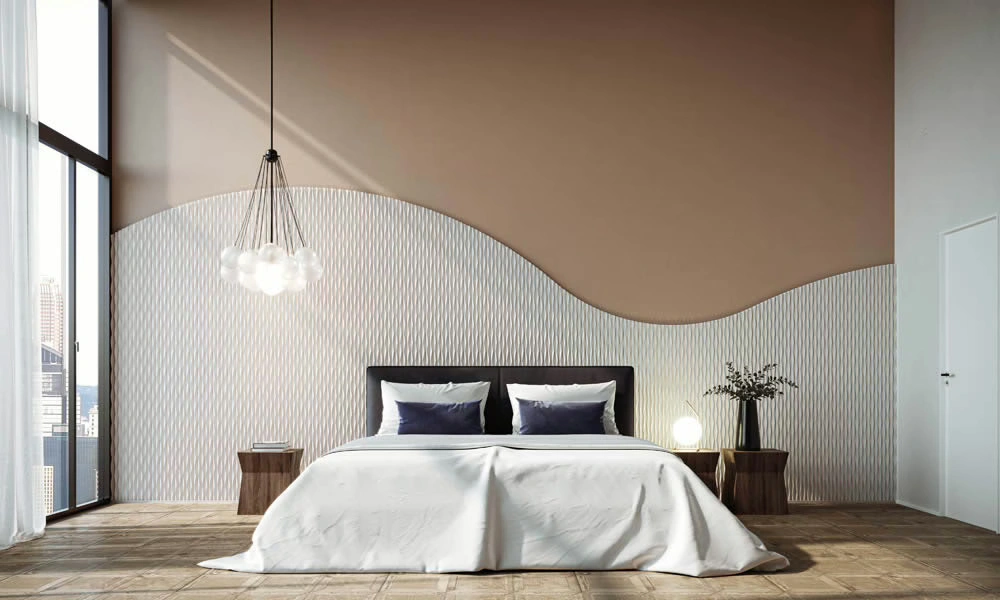
If your walls are naturally dark and you can’t alter them, don’t fight them; work with them! Contrasting dark backgrounds with bright accessories creates a gorgeous, high-end look.
Use High-Contrast Decor
Pop light accents directly against dark walls to create warmth and depth. Hang light-colored wall hangings, pale floating shelves, or artwork with wide white matting. The dark backdrop makes these light accents pop, shifting the focus away from dim corners and toward stylish decor highlights.
| Decor Item | Dark Room Impact | Best Placement |
| White-Matted Frames | Creates bright focal points | On main dark feature walls |
| Light Throw Pillows | Breaks up dark upholstery | On dark sofas or accent chairs |
| Pale Floating Shelves | Draws the eye upward | Above desks or sideboards |
10. Implement Clever Small Room Lighting Ideas
When space is short, smart layout decisions save the day. Integrating flexible illumination options ensures you get light exactly where you need it without taking over your living space.
Install Under-Cabinet and Under-Shelf Lighting
Dark shadows frequently collect under bookshelves, kitchen cabinets, and floating wall units. Stick-on LED strip lights or rechargeable puck lights installed beneath shelves illuminate dark spots instantly. They create a soft accent glow that elevates your decor while adding secondary illumination to dim wall areas.
Utilize Floor-Focused Uplighting
Placing small, inexpensive floor canister lights behind furniture pieces or large potted plants casts gentle light upward against the walls. This visual trick draws the eyes upward, making low ceilings feel taller and room perimeters far brighter. For more helpful home decor guides and practical interior styling tips, explore our latest updates on johjos.com!
Summary of Brightening Techniques
To quickly review how to transform your dim space, here is a breakdown of simple changes and their visual benefits:
| Technique | Effort Level | Light Impact |
| Placing mirrors near windows | Low | Very High |
| Adding large light area rugs | Low | High |
| Upgrading to 3000K-4000K LED bulbs | Very Low | High |
| Swapping heavy drapes for sheers | Medium | High |
| Using low-profile, leggy furniture | Medium | Moderate |
Conclusion: How to Brighten a Dark Room
Learning how to brighten a dark room doesn’t require expensive renovations or messy paint projects. By applying smart light layering, placing strategic mirrors, choosing light textiles, and exploring practical small room lighting ideas, you can transform any shadowy space into a warm, airy sanctuary.
Start with one or two small changes today, like swapping out a heavy curtain panel or wiping down your glass surfaces. You’ll be amazed at how much lighter and brighter your home feels with just a few thoughtful adjustments!
FAQs: How to Brighten a Dark Room
What light bulb color is best to brighten a dark room?
Warm white bulbs between 3000K and 4000K provide clean, refreshing light that brightens dark rooms without feeling harsh or clinical.
How do mirrors help brighten a dark room?
Mirrors catch natural daylight coming from windows and reflect it into dark shadows, instantly making rooms feel brighter and visually larger.
How can I make a small dark room feel open?
Use light area rugs, hang sheer window curtains high, install wall sconces, and choose furniture elevated on legs to let light pass underneath.
What is the easiest way to brighten a room without painting?
The fastest way is adding a large light-colored rug, swapping heavy curtains for sheers, and setting up layered warm lamps across shadowy corners.
