

Shaving before a special occasion, waxing every few weeks, and dealing with ingrown hairs can turn hair removal into a constant routine. Laser hair removal offers another option: a treatment designed to reduce unwanted hair over time, so you may spend less effort managing regrowth. But is laser hair removal permanent? Does it work on darker skin? How many sessions do you need, and is it worth the cost?
The answers depend on your hair color, skin tone, treatment area, the technology being used, and the experience of the person performing the procedure. Understanding these details before booking can help you make a safer, more informed decision.
What Is Laser Hair Removal?
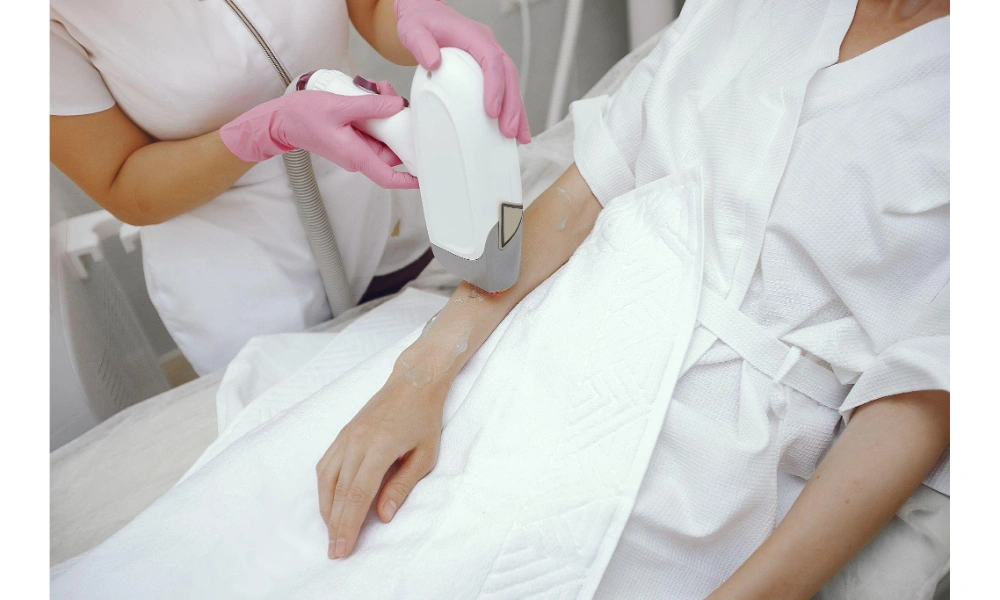
Laser hair removal is a cosmetic procedure that uses concentrated light to target pigment in hair follicles. The light energy becomes heat, damaging the follicles and reducing their ability to produce hair. Unlike shaving, which cuts hair at the skin’s surface, laser treatment targets the structures involved in hair growth. This is why results can last much longer than those from shaving or depilatory creams.
Laser hair removal is commonly used on the legs, underarms, arms, face, back, chest, and bikini area. It is important to understand that laser hair removal usually provides long-term hair reduction rather than a guarantee that every hair will disappear permanently. Some hair may return, and maintenance sessions may be needed.
How Does Laser Hair Removal Work?
Hair grows in cycles, including a growth phase in which the follicle is particularly responsive to laser treatment. Not every hair is in the same phase at the same time, which is why one appointment is rarely enough. During a session, the laser delivers energy to the treatment area. The pigment in the hair absorbs the light, and the resulting heat damages the follicle.
Over a series of sessions, treated hair generally becomes less dense, finer, or slower to grow. You may not see all the results immediately. Treated hairs often shed over the following days or weeks, while other hairs become targets during later appointments.
What Areas Can You Treat With Laser Hair Removal?
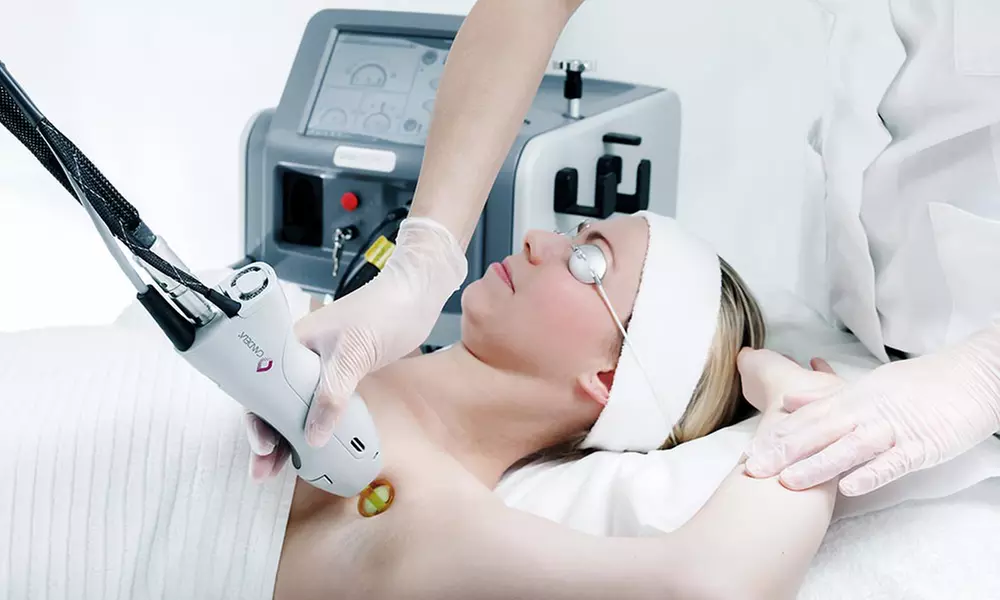
Laser hair removal can be used on many parts of the body, depending on the device, skin characteristics, and professional assessment.
Laser Hair Removal on the Face
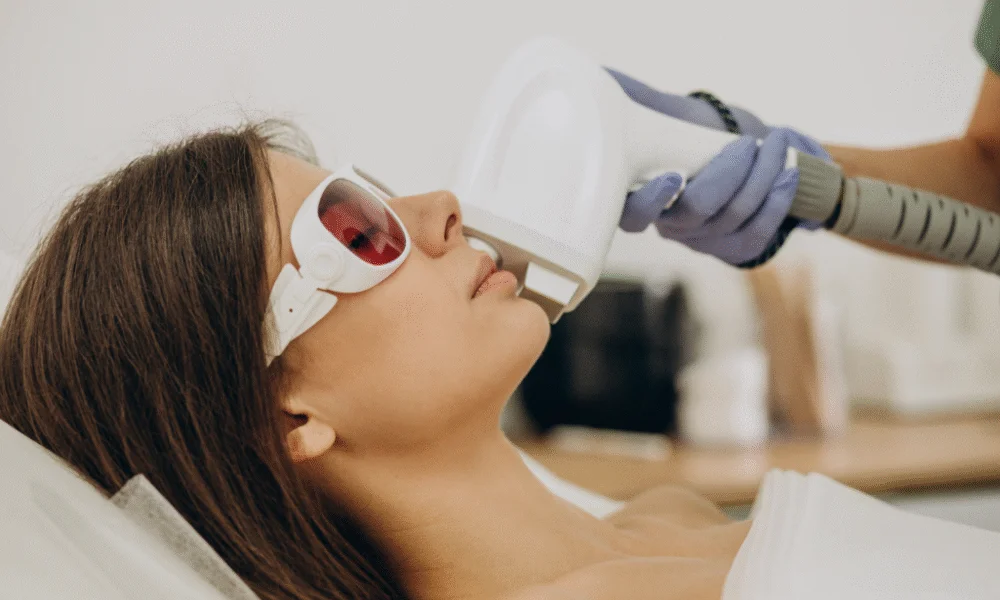
Common treatment areas include the upper lip, chin, and sideburn region. Some people choose facial treatment to manage persistent unwanted hair or reduce the need for frequent shaving.
Facial hair can be influenced by hormones, so regrowth and maintenance needs may differ from those of other body areas. Laser treatment should not be performed around the eyelids, eyebrows, or areas where the laser could injure the eyes.
Laser Hair Removal for Underarms
Underarms are a popular treatment area because shaving can cause irritation, razor bumps, and ingrown hairs. With successful treatment, hair growth may become less noticeable and easier to manage. Some people still need occasional maintenance sessions.
Laser Hair Removal for Legs
Treating the legs can reduce the need for frequent shaving or waxing. Because the area is relatively large, appointments may take longer than sessions for smaller areas. The number of sessions depends on hair density, hair color, skin tone, and how your body responds.
Laser Hair Removal for the Bikini Area
Laser treatment can reduce unwanted hair along the bikini line and other external areas of the pubic region. The exact treatment boundaries should be discussed beforehand. Skin in intimate areas can be sensitive, so choosing an experienced professional and an appropriate device is especially important.
Laser Hair Removal for the Back and Chest
People with dense back or chest hair may choose laser treatment to reduce overall hair growth. Larger areas can require longer appointments, and hormonal influences may affect the pattern of regrowth. A realistic treatment plan should account for the amount and thickness of the hair.
Laser Hair Removal for Arms and Other Body Areas
The arms, shoulders, abdomen, and other suitable areas may also be treated. A professional can assess whether the hair is dark and coarse enough to respond well and whether the proposed treatment is appropriate for that part of the body.
Does Laser Hair Removal Work on All Skin Tones?
Yes, people with a range of skin tones can be candidates for laser hair removal. However, the correct laser and settings are essential for safety and effectiveness. The laser must target hair pigment while limiting unwanted heating of the surrounding skin.
Because darker skin contains more melanin, an unsuitable device or setting can increase the risk of burns and changes in skin color.
People with brown or dark skin should choose a provider experienced in treating their specific skin tone. Long-pulsed Nd lasers are often considered for darker skin because of their characteristics, although the most appropriate device depends on the individual.
A consultation should include a discussion of skin tone, recent tanning, previous reactions, and the provider’s experience. A test spot may be appropriate in some cases. Do not assume that a clinic is suitable simply because it advertises a powerful laser or the latest technology.
Which Hair Colors Respond Best?
Laser hair removal generally works best on dark, coarse hair because it contains more of the pigment the laser targets. Blonde, white, gray, and many red hairs respond poorly or inconsistently because they contain less suitable pigment or a different pigment profile.
If your hair is very light, ask about realistic expectations before paying for a treatment course. Electrolysis may be an alternative for certain unwanted hairs because it does not rely on hair pigment in the same way.
Types of Laser Hair Removal
Different laser systems use different wavelengths and have different strengths. The most suitable option depends on the person’s skin tone, hair characteristics, treatment area, and medical history.
Alexandrite Laser
Alexandrite lasers are often used for lighter skin tones and can be effective for dark hair. Their suitability depends on the specific device and individual skin characteristics. They may not be the best choice for every person with deeply pigmented or recently tanned skin.
Diode Laser
Diode lasers are commonly used for hair reduction across a range of skin tones, depending on the system and settings. The term “diode” alone does not guarantee that a treatment is safe for every skin type. The provider’s experience and the device’s specifications still matter.
Nd Laser
Long-pulsed Nd lasers are often selected for darker skin tones because their wavelength can help reduce unwanted absorption by pigment in the outer skin. They can be a useful option for many people with brown or deep skin tones, but correct settings and professional technique remain essential.
IPL Hair Removal
Intense pulsed light, or IPL, is frequently marketed alongside laser hair removal, but it is not technically the same technology. IPL uses broad-spectrum pulses of light rather than one specific laser wavelength.
Some IPL devices can reduce hair growth, but effectiveness and safety depend on the device, skin tone, and hair color. Home IPL products also differ from professional systems in their design and output. Ask the clinic which technology it uses rather than relying on the general label “laser.”
How Many Laser Hair Removal Sessions Do You Need?

Most people need a series of treatments because hair grows in different cycles. A course may involve around four to eight sessions or more, often spaced several weeks apart. The exact number depends on the treatment area, hair density, hormonal influences, skin and hair characteristics, and response to treatment.
For example, a person treating underarm hair may need a different schedule from someone treating facial hair or a large area of the back. Your provider should explain the expected number of sessions, the interval between them, and the circumstances in which maintenance treatments may be recommended. Be cautious of promises that a single appointment will permanently eliminate all unwanted hair.
Is Laser Hair Removal Permanent?
Laser hair removal can produce long-lasting reduction in hair growth, but it does not guarantee permanent removal of every hair. After a successful course, some people experience long periods with very little visible regrowth. Others notice finer, lighter, or scattered hairs over time.
Hormonal changes can stimulate additional growth, particularly in areas such as the face. Maintenance treatments may help manage this. If excess hair is linked to an underlying hormonal condition, laser treatment can reduce existing hair but does not treat the underlying cause. New hair may continue to develop unless that condition is also addressed.
Does Laser Hair Removal Hurt?
The sensation varies from person to person and depends on the area, device, settings, and individual sensitivity. Many people describe each pulse as a quick snap against the skin, similar to a small rubber-band flick. Some devices use cooling tips, cold air, or other cooling methods to improve comfort.
Areas with dense hair or more sensitive skin may feel more uncomfortable. If you are worried about pain, discuss the available comfort measures with the provider before your appointment. Do not apply numbing creams without professional guidance, particularly over large areas, because inappropriate use can cause serious side effects.
How Much Does Laser Hair Removal Cost?
The cost depends on the treatment area, clinic, device, provider qualifications, location, and number of sessions needed. Small areas such as the upper lip usually cost less per appointment than the legs or back. Clinics may charge per session or offer packages for multiple treatments.
Before booking, ask for the total estimated cost rather than comparing only the price of one session. Find out whether consultations, test spots, maintenance appointments, and follow-up care are included.
You can also explore small everyday luxuries, including skincare products and personal-care essentials, when planning your overall beauty budget. A very low price is not necessarily a good deal if the provider lacks suitable training or uses inappropriate equipment.
What to Do Before Laser Hair Removal?
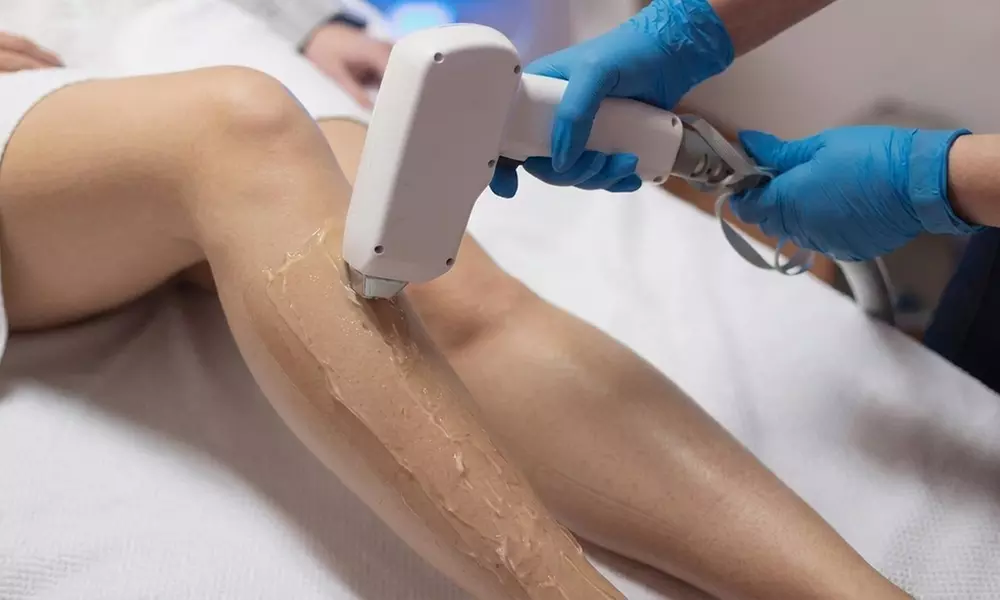
Preparing properly helps reduce avoidable risks and makes it easier for the provider to assess your skin.
Avoid Tanning
Avoid tanning beds, sunless tanning products, and deliberate tanning before treatment. Recent tanning can increase the risk of skin reactions. Follow your provider’s instructions about sun exposure and sunscreen. If your skin is recently tanned or sunburned, your appointment may need to be postponed.
Stop Waxing and Plucking
Waxing, tweezing, and electrolysis remove hair from the follicle and can interfere with laser treatment. Providers commonly recommend stopping these methods for several weeks before the first session. Shaving is usually permitted because it leaves the follicle in place.
Shave as Instructed
Many providers recommend shaving the treatment area the day before the appointment. Follow the clinic’s instructions about timing and preparation. Avoid shaving irritated or broken skin without discussing it with the provider.
Share Your Medical History
Tell the provider about medications, supplements, previous skin reactions, scarring, cold sores or genital herpes, skin conditions, and any history of pigment changes after procedures. Some medications can affect skin sensitivity or healing. Do not stop prescribed medication on your own; ask the prescribing clinician or treating professional for advice.
Choose a Qualified Provider
Laser hair removal can cause burns, scars, and changes in skin color when performed incorrectly. Choose a qualified healthcare professional or an appropriately supervised clinic with experience treating your skin tone. Ask about the device, safety procedures, protective eyewear, expected results, and potential complications.
What Happens During a Laser Hair Removal Session?
The provider will usually review the treatment plan, inspect the skin, and confirm the area to be treated. The skin may be cleaned, and you will be given suitable protective eyewear. The provider then moves the device across the treatment area, delivering controlled pulses of light.
You may feel brief snapping sensations, warmth, or mild discomfort. The length of the appointment depends on the area: a small facial area may take only a few minutes, while a larger area can take considerably longer. After treatment, the skin may look mildly red or swollen, similar to a light sunburn. These reactions commonly settle within a short time.
Laser Hair Removal Aftercare
Aftercare helps protect the skin while it settles.
- Use gentle skin care. Clean the area carefully and avoid scrubbing.
- Apply a cool compress if needed. This may help with temporary warmth or discomfort.
- Avoid excessive heat and friction. Follow your provider’s advice about hot showers, saunas, strenuous exercise, and irritating products.
- Protect the skin from sunlight. Use broad-spectrum sunscreen on exposed treated areas and follow the clinic’s sun-protection guidance.
- Avoid waxing and plucking between sessions. Shaving is usually the preferred way to manage regrowth during a treatment course.
- Follow your aftercare instructions. Do not apply strong exfoliants, acids, or other irritating products to recently treated skin unless your provider says it is safe.
Mild redness and swelling can be expected, but symptoms should not progressively worsen. Seek medical advice promptly if you develop blisters, significant pain, spreading redness, pus, unusual skin discoloration, or other signs of a complication.
What Are the Side Effects of Laser Hair Removal?
Laser hair removal is generally well tolerated when performed appropriately, but side effects are possible.
Common Temporary Reactions
Some people experience redness, mild swelling around the follicles, tenderness, or temporary discomfort. These effects commonly improve within hours to a few days.
Burns and Blisters
Excessive energy, unsuitable settings, recent tanning, or poor technique can injure the skin and cause burns or blisters. This risk is one reason professional assessment and appropriate device selection matter.
Changes in Skin Color
The treated skin may become darker or lighter. These changes can be temporary, but lasting pigment changes are possible. People with darker skin tones may be more vulnerable to pigment-related complications if the device or settings are unsuitable.
Scarring and Infection
Scarring is uncommon but possible after a significant skin injury. Infection can also occur, especially if damaged skin is not managed properly.
Unexpected Hair Growth
In some cases, hair may grow more noticeably around the treated area rather than becoming reduced. Discuss this possibility with a qualified provider, particularly when considering treatment of facial hair.
Is Laser Hair Removal Safe During Pregnancy?
Because safety information about elective laser hair removal during pregnancy is limited, many healthcare professionals recommend postponing cosmetic treatment until after pregnancy. Hormonal changes can also make hair growth and treatment results less predictable during this period.
If you are pregnant or think you might be, discuss your options with your healthcare professional. Shaving and other suitable temporary methods may be alternatives.
Is Laser Hair Removal Safe for Sensitive Skin?

Having sensitive skin does not automatically rule out laser treatment, but it makes assessment and careful planning especially important. Tell the provider if you experience eczema, frequent irritation, pigment changes, or allergic reactions to skin-care products. Active inflammation, infection, or broken skin may require treatment to be postponed. A qualified professional can assess whether laser hair removal is appropriate and explain how to reduce the risk of irritation.
Laser Hair Removal vs. Waxing vs. Shaving
| Feature | Laser hair removal | Waxing | Shaving |
| How it works | Targets hair follicles with light energy | Removes hair from the root | Cuts hair at the skin surface |
| How long results last | Long-term reduction; regrowth is possible | Usually several weeks, depending on growth | Usually a few days or less |
| Repeated appointments | A course plus possible maintenance | Repeated as hair grows back | Frequent upkeep |
| Discomfort | Varies by area and person | Can be painful | Usually minimal if done carefully |
| Ingrown hairs | May help reduce some shaving-related ingrown hairs | Can cause ingrown hairs | Can cause razor bumps or ingrown hairs |
| Upfront cost | Usually higher | Usually lower per appointment | Usually lower |
| Best suited for | People seeking longer-term reduction | People wanting temporary root-level removal | Quick, inexpensive hair removal |
No method is best for everyone. Your skin sensitivity, hair type, budget, time, and desired results all matter.
Is Laser Hair Removal Worth It?
Laser hair removal may be worthwhile if you regularly shave or wax, experience ingrown hairs, or want to reduce the amount of visible body hair over time. The main trade-offs are the upfront expense, the need for several appointments, and the possibility of maintenance treatments.
Exploring different approaches to self-care and everyday habits through this lifestyle guide can also help you make informed choices about your personal-care routine. It is also less effective on some hair colors, especially white, gray, and many blonde or red hairs.
Before deciding, compare the total treatment cost with your current hair-removal routine and consider whether the likely results match your expectations. A consultation with a qualified professional is the best way to understand your personal suitability.
Frequently Asked Questions About Laser Hair Removal
How long does laser hair removal last?
Results can last for months or years, depending on the person and treatment area. Some hair may regrow, often finer or less noticeable, and maintenance sessions may be needed.
Can laser hair removal remove all hair permanently?
No. It can produce long-term hair reduction, but complete permanent removal is not guaranteed. Hormonal changes and other factors may contribute to regrowth.
How many sessions are needed for laser hair removal?
Many people need around four to eight sessions or more, spaced several weeks apart. The exact number depends on the treatment area, hair characteristics, skin tone, and individual response.
Does laser hair removal make skin darker?
It can cause temporary or, rarely, lasting darkening or lightening of the skin. The risk depends on factors such as skin tone, tanning, device selection, and treatment settings.
Can people with dark skin get laser hair removal?
Yes. People with darker skin tones can often be treated safely when the provider selects an appropriate laser and settings and has experience treating that skin tone.
Final Thoughts
Laser hair removal can make unwanted hair easier to manage by reducing regrowth over a series of treatments. It may be especially useful for people tired of frequent shaving, waxing, or recurring ingrown hairs. The best results depend on more than the machine itself. Skin tone, hair color, treatment area, realistic expectations, and the provider’s skill all matter.
Before booking, ask about the technology being used, the likely number of sessions, total cost, potential side effects, and the provider’s experience with your skin tone. A carefully chosen treatment plan is more valuable than a promise of instant, permanent hair removal.
