
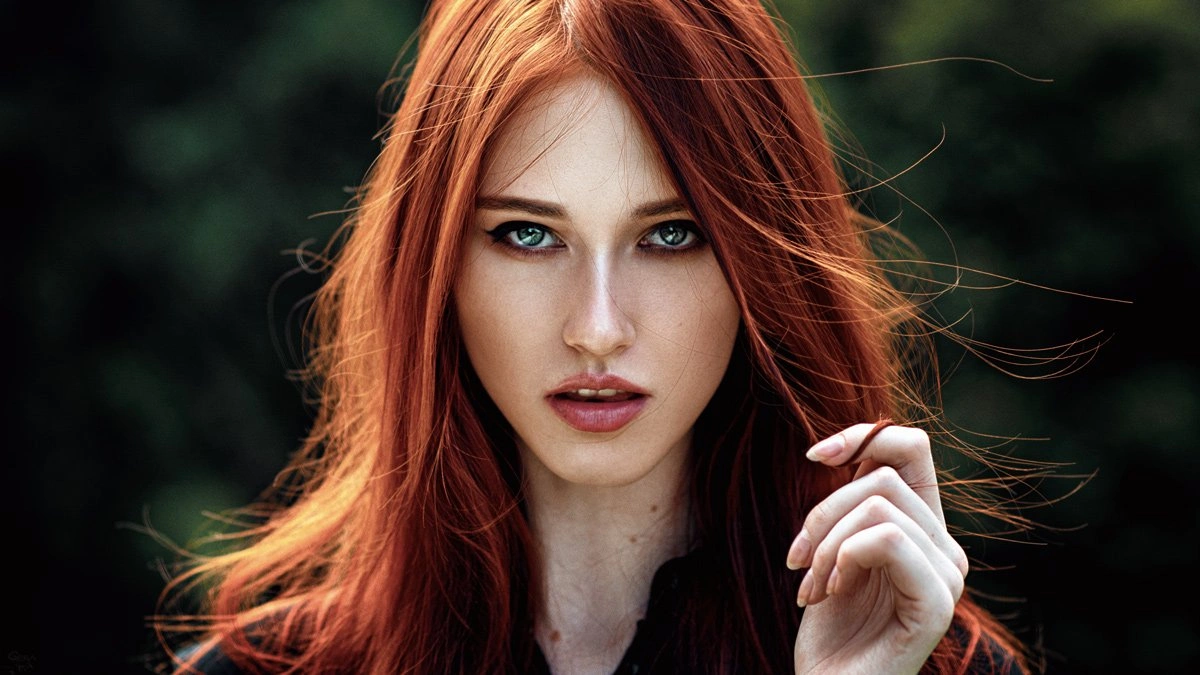
Red hair is one of the most eye-catching, vibrant hair colors in the world. Whether naturally born with ginger tresses or considering a salon transformation to copper, burgundy, or auburn, understanding how this pigment works and how to care for it is essential.
Naturally occurring red hair is the rarest human hair color, found in only 1 to 2 percent of the global population. Meanwhile, dyed copper and auburn shades remain a perennial favorite in salons worldwide due to their warmth, dimensionality, and versatility. This guide breaks down the science of natural tresses, explores the most popular natural and dyed shades, offers practical advice on choosing the right hue for your skin tone, and details how to maintain color intensity over time.
What Causes Natural Red Hair?

Natural red hair is the result of a genetic mutation in the melanocortin 1 receptor (MC1R) gene. Human hair color is primarily determined by two types of melanin:
-
Eumelanin: Responsible for dark pigments (brown and black).
-
Pheomelanin: Responsible for reddish and yellowish pigments.
When both parents pass down a mutated version of the MC1R gene, the follicles produce a high concentration of pheomelanin and a relatively low amount of eumelanin. This specific ratio creates natural shades ranging from light strawberry blonde to deep auburn.
Because the MC1R gene is recessive, a person must inherit two copies of the gene to express natural red hair. Individuals with only one copy may not have crimson strands themselves, but they can carry the trait and pass it on to future generations. Regardless of natural hair color, choosing flattering easy hairstyles can help enhance your overall look and complement your personal style.
Popular Shades of Red Hair

The warm color spectrum spans a broad range of temperatures and depths. Understanding these shade families makes it easier to select the ideal color for your style goals.
1. Strawberry Blonde
Strawberry blonde sits at the softest, lightest end of the spectrum. Combining warm golden blonde undertones with faint copper hues, this shade provides a sun-kissed, gentle appearance that shines brightly in natural light.
2. Classic Copper
Copper is a bright, metallic hue reminiscent of a new coin. It features strong orange and bronze undertones, making it one of the most popular vibrant choices for both natural gingers and color-treated transformations.
3. Auburn
Auburn blends rich brown pigments with warm undertones. Ranging from light rust to deep chestnut, auburn offers a natural-looking, sophisticated alternative for individuals wanting warmth without intense brightness.
4. Burgundy and Wine Red
Burgundy, cabernet, and maroon represent cool tones infused with violet and deep plum undertones. These shades create a striking contrast against pale skin tones and add rich depth to naturally darker bases.
5. Bright Crimson and Fire-Engine Tones
For bold statements, vivid primary tones provide maximum contrast and intensity. These fashion colors often require pre-lightening (bleaching) on darker bases to achieve full vibrancy.
How to Choose the Best Color for Your Skin Tone
Selecting a shade that complements your undertones ensures a harmonious overall look. Skin undertones fall into three main categories: warm, cool, and neutral.
Dyeing Your Hair: What to Know Before You Color
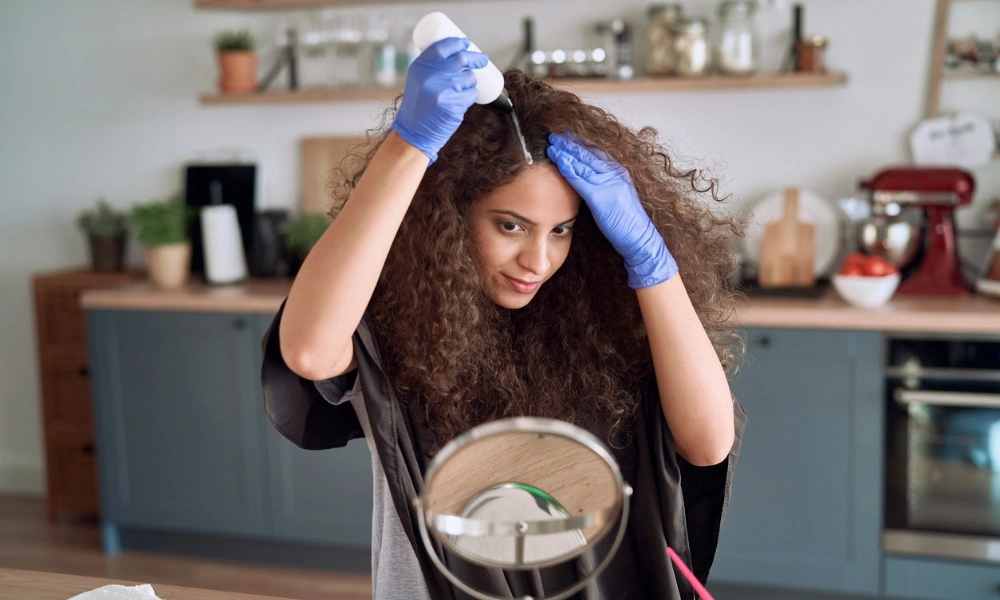
Transforming your look requires strategic planning, especially if starting from a dark base.
1. Assess Your Starting Level
-
Light Hair (Blonde to Light Brown): Color molecules deposit quickly and evenly. Soft copper or strawberry blonde tones can often be achieved without pre-lightening.
-
Dark Hair (Medium Brown to Black): A lift or bleach process is typically required to reveal bright copper or vivid crimson shades. Alternatively, darker bases can accept rich burgundy or deep auburn dyes directly without bleaching.
2. Understand Molecule Retention
Warm red dye molecules are larger than brown or black pigment molecules. Because of their size, these pigments do not penetrate as deeply into the hair shaft and wash out faster than other dyes. Proper post-color maintenance is mandatory to retain freshness.
Essential Hair Care and Maintenance Routine

Keeping color-treated red hair looking healthy and vibrant requires targeted care.
Wash with Sulfate-Free, Color-Safe Formulas
Sulfates act as heavy detergents that strip color molecules from cuticles. Switch to gentle, sulfate-free shampoos and wash using lukewarm or cool water, as hot water opens the cuticle and speeds up fading.
Incorporate Color-Depositing Conditioners
Using a color-depositing gloss or conditioner once a week replenishes lost pigment between salon visits, preserving tone and shine.
Minimize Heat Styling and Protect from UV Exposure
Heat tools break down cuticles and fade artificial pigments fast. Always apply a thermal heat protectant before blow-drying, straightening, or curling. Additionally, UV rays degrade pigments; wear hats or use leave-in treatments with UV filters during prolonged sun exposure. These protective habits are equally important for other color-treated styles, including blonde hair, which also needs extra care to maintain its vibrancy and shine.
Common Mistakes to Avoid
-
Washing Too Frequently: Washing daily strips natural oils and causes rapid fading. Aim for 2–3 washes per week max.
-
Skipping the Strand Test: Dyeing over previous color treatments can lead to uneven tones. A strand test predicts how pigment will bond to your current base.
-
Using Hot Water: Scalding showers open cuticles, allowing red hair dye to rinse straight down the drain.
-
Neglecting Moisture: Bright pigments look richest on healthy, hydrated strands. Regular deep conditioning treatments keep cuticles smooth and reflective.
Frequently Asked Questions
Is natural red hair going extinct?
No. The MC1R gene responsible for natural red hair is a recessive trait. While both parents must carry the gene to pass it on, the gene can remain hidden across generations without disappearing from the gene pool.
How often should red hair be retouched?
Color-treated red hair generally needs a root touch-up every 4 to 6 weeks as natural growth occurs. Refreshing the lengths with a gloss or toner helps maintain uniform color intensity.
Will red dye cover gray hair naturally?
Gray hair lacks natural pigment, which can make vibrant dye absorb bright or brassy tones. Using a base shade formulated for full gray coverage ensures even results.
Why does red hair dye fade so quickly?
Warm red pigment molecules are larger than other color molecules, making it harder for them to lock deep into the hair shaft. Consequently, surface-level pigments wash out faster during shampoos.
Can anyone pull off red hair?
Yes. Because the palette ranges from pale strawberry blonde to deep violet burgundy, there is a flattering shade for every skin tone and style preference.
Final Thoughts
Natural and dyed red hair remains a standout choice for style enthusiasts worldwide. Understanding the unique properties of these pigments, from genetic foundations to larger molecular structures, empowers you to make informed decisions about coloring, styling, and daily care.
By matching your chosen shade to your skin undertones and maintaining a protective care routine, you can enjoy rich, radiant color that retains its brilliance for weeks. You can also experiment with different hairstyles for long hair to complement your red hair color and create versatile looks for different occasions.
