
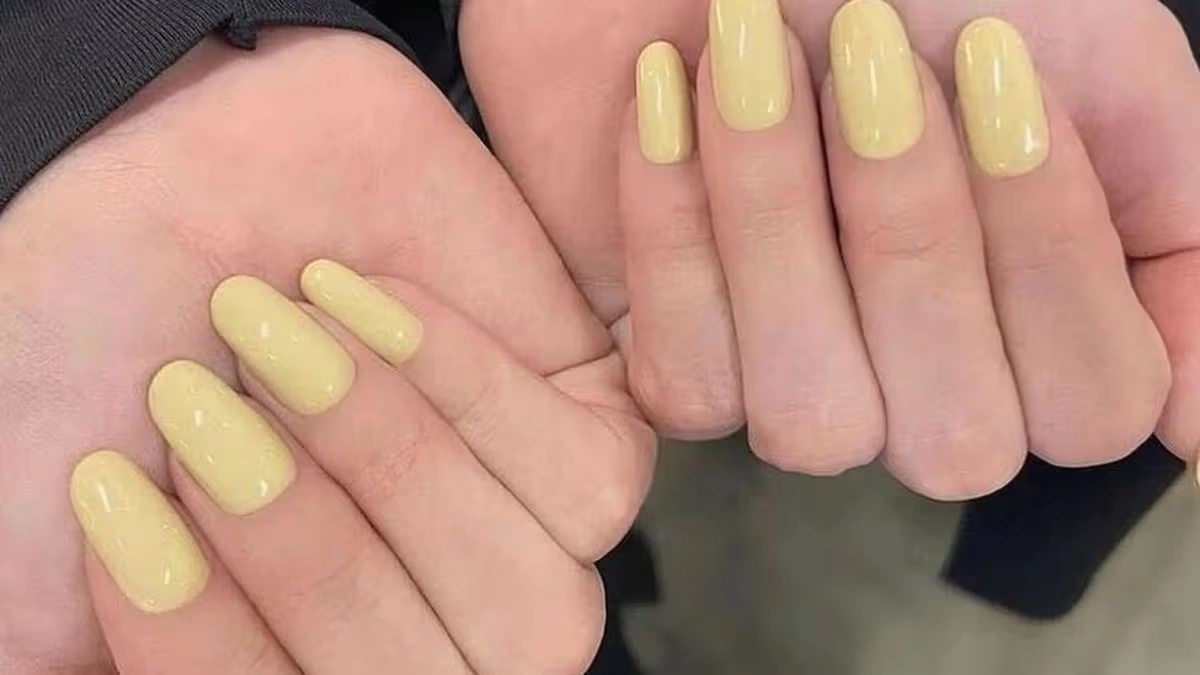
Yellow nails are one of the most expressive manicure choices you can make, offering everything from soft, buttery neutrals to vibrant neon statements. Whether you are looking to brighten up a minimalist look or want to understand why your natural nails have taken on a yellow tint, the color yellow carries both stylistic versatility and practical considerations in nail care.
Wearing yellow nail polish successfully comes down to matching the right undertone to your skin and using proper application techniques so the color looks smooth rather than streaky. At the same time, if your bare nails are turning yellow without polish, recognizing the difference between harmless staining and underlying nail health issues is essential. This guide covers both sides of the topic: how to choose and style yellow nail designs, and how to keep your natural nails healthy and bright.
Why Yellow Nails Are a Standout Manicure Choice
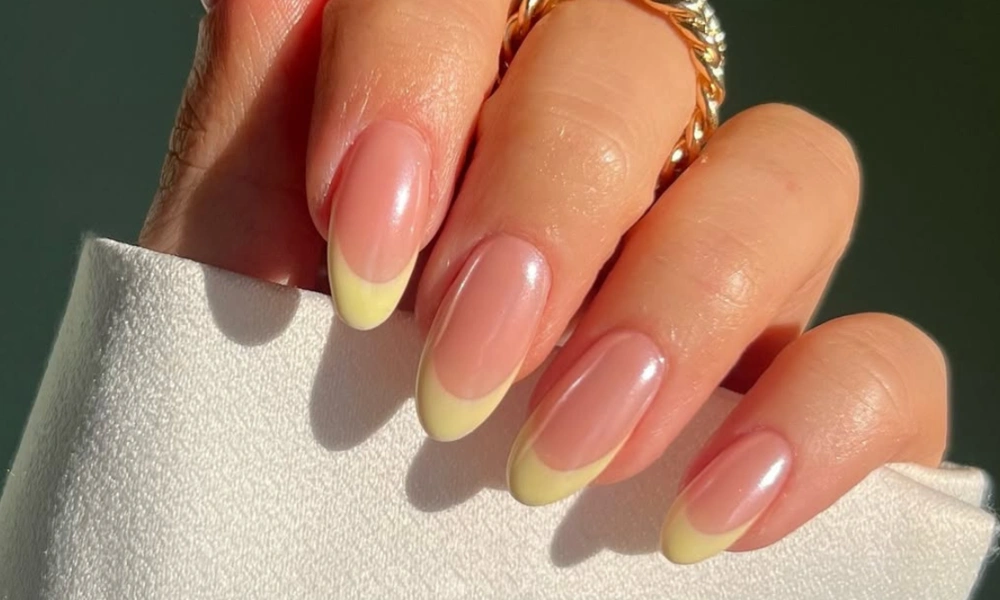
Yellow sits at the intersection of warmth, energy, and modern minimalism. Unlike traditional reds or pinks, a yellow manicure immediately draws attention without feeling overly formal. Over the past few years, shades like butter yellow and pastel lemon have transitioned from seasonal summer trends into year-round staples.
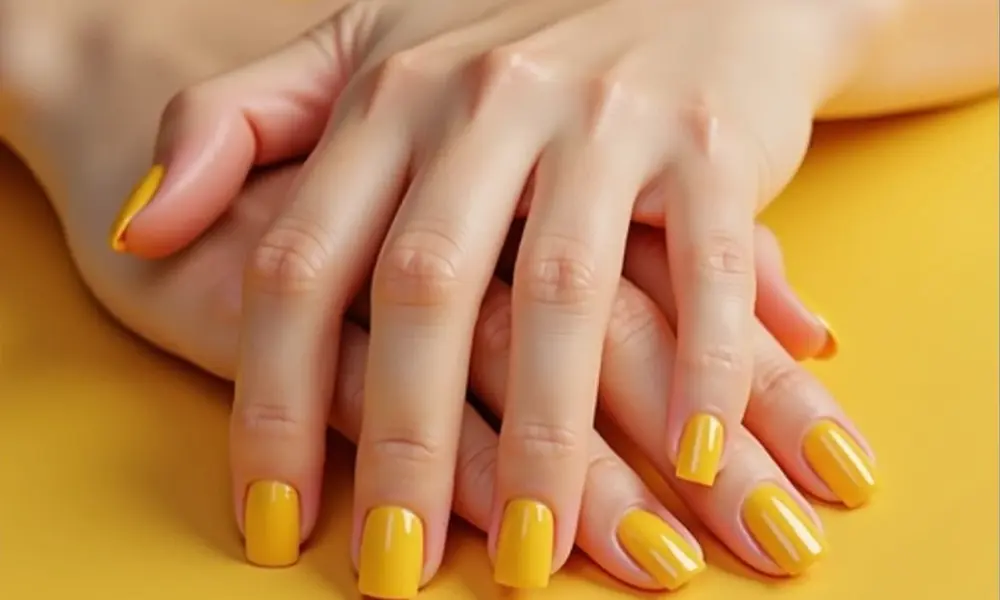
The appeal lies in the range of the color family. A sheer, creamy yellow functions almost like an elevated neutral that pairs effortlessly with denim, white linen, and gold jewelry. On the other end of the spectrum, rich mustard, marigold, and electric neon yellows act as bold accessories that stand out on their own.
For a more polished manicure, almond French tip nails offer elegant styling inspiration. If you prefer deeper, statement-making finishes, explore these dark chrome nail ideas and fall nail colors for richer seasonal combinations.
How to Choose the Right Shade of Yellow for Your Skin Tone
One of the most common reasons people hesitate to try yellow nail polish is the fear that it will clash with their hands. Because yellow contains strong warm or cool undertones, selecting the right shade makes a noticeable difference in how flattering the manicure looks.
Fair and Cool Skin Tones
If you have fair skin with pink, red, or bluish undertones, look for yellows that lean slightly cool or soft rather than overly orange.
-
Pastel lemon: A pale, crisp yellow brightens fair skin without washing it out.
-
Butter yellow: Soft, creamy yellows with a hint of white create a clean, delicate contrast.
-
Sheer citrus: Translucent jelly formulas offer a wash of color that feels gentle against lighter complexions.
Medium and Olive Skin Tones
Medium and olive complexions carry natural warmth or subtle green undertones, allowing them to wear a wide variety of mid-tone and earthy yellows.
-
Marigold and sunflower: Warm, golden yellows harmonize naturally with olive skin.
-
Mustard yellow: Muted, earthy yellows look sophisticated and intentional against medium skin tones.
-
Canary yellow: A true, balanced primary yellow brings out golden warmth in the hands.
Deep and Rich Skin Tones
Deep skin tones create a striking visual contrast with bright, saturated, and high-pigment yellows.
-
Neon and electric yellow: High-intensity shades pop vividly against deep skin.
-
Bright dandelion: Rich, opaque yellows look radiant and bold without appearing chalky.
-
Metallic gold-yellow: Shimmering warm yellows highlight natural undertones beautifully.
| Yellow Nail Shade | Best Undertone Match | Overall Vibe | Best Season |
| Butter Yellow | Fair to medium, neutral or cool | Soft, clean, minimalist | Spring and year-round |
| Pastel Lemon | Fair, cool | Fresh, delicate, airy | Spring and summer |
| Canary Yellow | Medium to deep, warm | Cheerful, classic, bold | Summer |
| Mustard Yellow | Medium, olive, deep | Earthy, retro, sophisticated | Fall and winter |
| Neon Yellow | Medium to deep | Energetic, edgy, statement-making | Summer and vacations |
Popular Yellow Nail Designs and Manicure Ideas
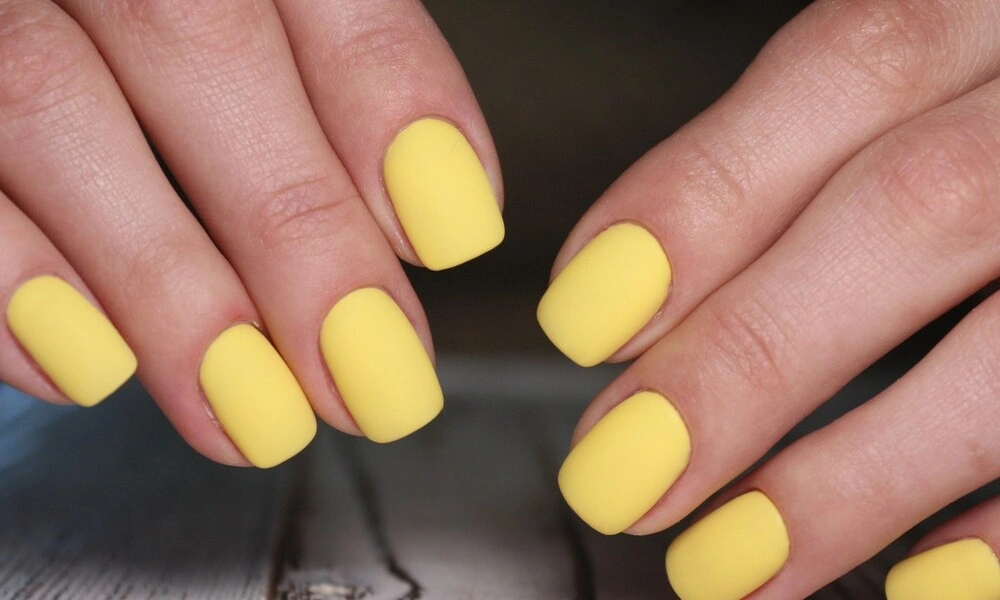
You do not have to commit to ten solid bright yellow nails to enjoy the trend. Yellow adapts easily to subtle accents, negative space, and textured finishes. You can keep the look understated with these short nail designs or add a soft, blended effect inspired by these aura nails.
Butter Yellow Minimalist Nails
A full set of short, square-oval nails painted in an opaque butter yellow polish is one of the easiest ways to wear the color. The muted warmth acts like an off-white neutral, making it suitable for everyday wear and professional settings.
Yellow French Tips
Swapping traditional white tips for pastel lemon, sunny yellow, or mustard updates a classic French manicure. Micro-French tips where only a razor-thin line of yellow is painted along the free edge work particularly well on short nails.
Floral and Daisy Nail Art
Yellow naturally lends itself to botanical designs. Painting tiny white petals around a yellow dot center on a sheer nude base creates a clean, playful look. You can apply this motif to every nail or keep it to a single accent nail on each hand.
Aura and Ombre Yellow Nails
Blending a warm yellow center into a milky white or soft peach base creates a diffused aura effect. This soft-focus style tones down bright pigments and adds visual depth without requiring sharp lines.
Chrome and Glazed Yellow Finishes
Layering a pearl or gold-shift chrome powder over a pastel yellow base transforms a flat cream polish into a luminous, glazed finish. The shimmer softens any unevenness in the base color and reflects light dynamically.
Tortoiseshell and Mustard Pairings
For autumn and winter, pairing muted mustard yellow nails with amber tortoiseshell accent nails creates a cohesive, warm-toned palette that feels rich and grounded.
How to Apply Yellow Nail Polish Without Streaks
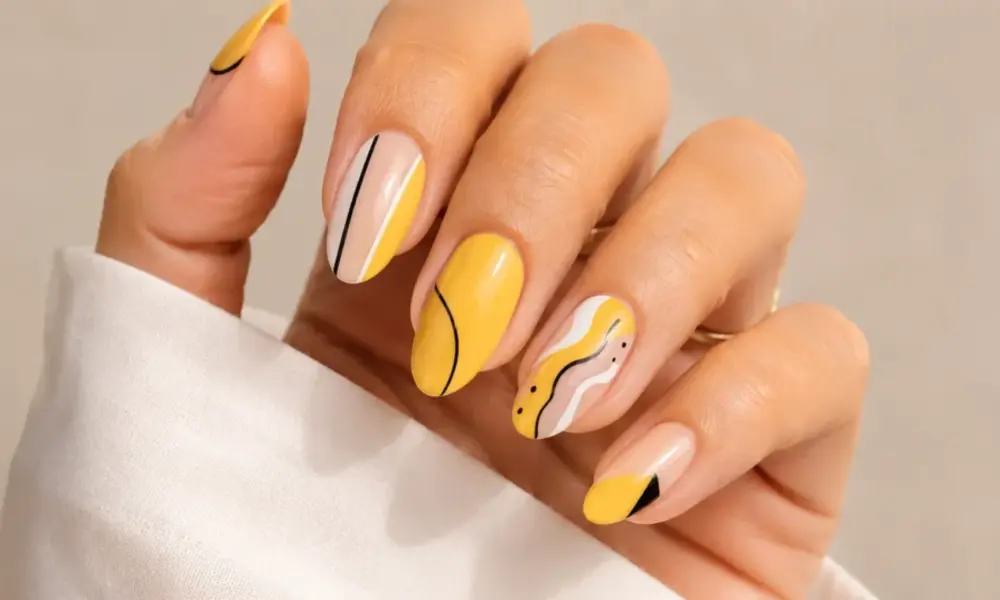
Yellow nail polish has a reputation for being tricky to apply evenly. Lighter yellow pigments often use high amounts of white titanium dioxide, which can cause formulas to feel thick, chalky, or streaky if rushed. Following a few methodical steps prevents patchiness.
-
Prep and buff lightly: Gently smooth out surface ridges with a fine-grit buffer. Uneven nail plates trap pigment in grooves, making light yellow polish look patchy.
-
Apply a ridge-filling base coat: Use a smoothing or milky base coat to create an even canvas and protect your natural nails from pigment staining.
-
Use a white base layer for bright shades: If you are applying neon or sheer pastel yellow, one thin coat of matte or cream white polish underneath will make the yellow appear vibrant and opaque in fewer coats.
-
Apply thin, floating coats: Wipe excess polish from one side of the brush, then float the brush lightly over the nail rather than pressing down hard. Pressing down drags the previous layer and creates bald spots.
-
Wait between layers: Allow each thin coat to dry for two to three minutes before applying the next. Two to three thin coats always look smoother than one thick layer.
-
Seal with a glossy top coat: A plump, high-shine top coat levels out minor brush strokes and adds durability.
Why Natural Nails Turn Yellow (And How to Fix It)
Sometimes people search for yellow nails not for manicure inspiration, but because their natural nails have become discolored. Understanding the cause helps you treat it safely.
Polish Staining
The most frequent culprit behind yellow natural nails is dark or heavily pigmented nail polish especially reds, oranges, and dark blues applied without a protective base coat. The pigments react with the keratin in the nail plate, leaving a yellow tint after removal. This type of discoloration is cosmetic and grows out with the nail over several months.
Smoking and Environmental Exposure
Frequent exposure to nicotine and tar from cigarettes stains both the skin and fingernails a distinct yellowish-brown. Certain household cleaning chemicals, self-tanners, and spices like turmeric can also temporarily tint the nail surface.
Fungal Infections and Health Factors
If yellowing is accompanied by thickening, crumbling, brittleness, or the nail lifting away from the nail bed, a fungal nail infection (onychomycosis) may be present. Less commonly, persistent yellowing across all nails alongside slowed growth or swelling can point to underlying medical conditions such as respiratory issues, thyroid disorders, or nutritional deficiencies.
Safe Ways to Brighten Stained Nails
-
Always wear a base coat: Prevention is the most effective step before applying any colored polish.
-
Use a gentle buffing block: Lightly buffing the top surface removes superficial pigment stains, though you should avoid over-buffing, which thins the nail plate.
-
Try a whitening soak or scrub: Soaking nails briefly in warm water mixed with a small amount of baking soda and gentle dish soap or scrubbing lightly with a soft nail brush and whitening toothpaste can lift surface stains.
-
Take a polish break: Giving your nails one to two weeks bare with regular cuticle oil application helps restore moisture and clarity.
If discoloration persists, spreads, or involves pain and changes in nail texture, consult a dermatologist or healthcare professional for an accurate evaluation.
Common Mistakes to Avoid With Yellow Nails
-
Skipping base coat: Even light yellow polishes can leave behind a faint tint if applied directly to bare keratin.
-
Applying thick coats: Trying to get full opacity in one heavy swipe leads to bubbling, smudging, and uneven drying.
-
Ignoring nail shape and length: Very bright neon yellows often look sharpest on short-to-medium squoval or almond nails, whereas long stiletto shapes can sometimes look overly harsh unless balanced with sheer or gradient designs.
-
Neglecting cuticle care: Bright colors draw the eye directly to the fingertips, making dry cuticles or ragged hangnails more noticeable. Applying cuticle oil daily keeps the manicure looking fresh.
Frequently Asked Questions
What does wearing yellow nail polish symbolize?
Yellow nail polish is commonly associated with optimism, warmth, creativity, and confidence. Soft shades like butter yellow project a calm, modern aesthetic, while bright sunny yellows convey energy and playfulness.
Are yellow nails appropriate for professional or formal settings?
Yes, depending on the shade and finish. Muted tones such as butter yellow, pale cream, or subtle yellow micro-French tips look clean and understated enough for office environments and formal events.
How many coats of yellow nail polish do I need?
Most cream yellow polishes require two to three thin coats for smooth, opaque coverage. Applying a single coat of white polish underneath neon or pastel yellow reduces the number of yellow coats needed.
Why do my nails turn yellow even when I use clear polish?
Some clear top coats and nail hardeners contain nitrocellulose or UV-reactive ingredients that turn slightly yellow when exposed to sunlight or tanning beds. Switching to a non-yellowing, UV-inhibiting top coat prevents this discoloration.
How can I remove yellow stains from my nails quickly?
For surface stains caused by nail polish or food, gently scrubbing the nail plate with a soft brush and a paste made of baking soda and warm water helps lift surface discoloration. Follow immediately with hand cream and cuticle oil to replenish moisture.
What colors pair best with yellow nails?
Yellow pairs cleanly with crisp white, soft nude, sky blue, sage green, warm brown, and metallic gold. For high-contrast nail art, black, cobalt blue, and lavender also create striking combinations.
Final Thoughts
Yellow nails offer a rare combination of versatility and personality. Choosing a shade that complements your skin’s undertone, whether that is a soft butter yellow, an earthy mustard, or a vivid citrus, makes the color feel effortless rather than overwhelming. Pairing thin, patient application techniques with a reliable base coat ensures a smooth finish while keeping your natural nails protected and healthy underneath.
