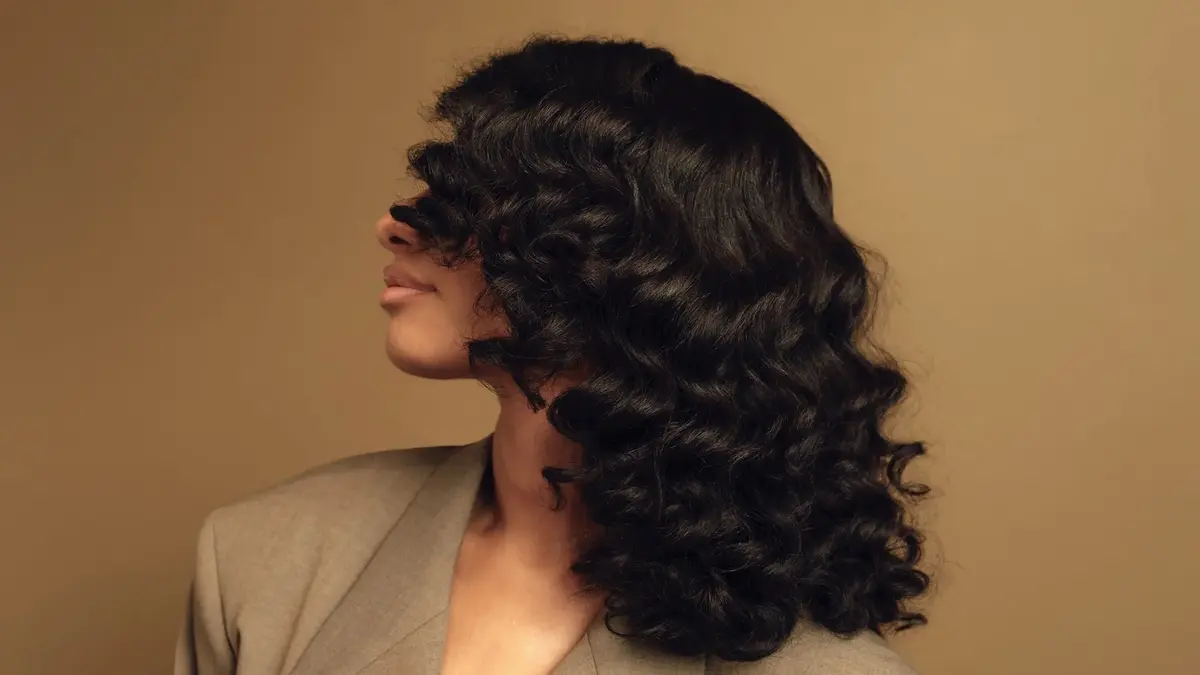
2A hair is the loosest type of wavy hair, known for its subtle S-shaped texture, fine strands, and naturally relaxed appearance. It sits between straight and more defined wavy hair, making it relatively easy to style but sometimes challenging to maintain. While 2A hair can look smooth and straight near the roots, gentle waves usually become more noticeable toward the middle and ends.
The key to caring for this hair type is finding the right balance between moisture, volume, and definition. Heavy products can flatten its natural movement, while excessive heat styling and harsh cleansing can leave it looking dry or frizzy. Whether you have naturally loose waves or are trying to identify your hair type, understanding 2A hair can help you choose better products, develop an effective routine, and find hairstyles that complement your natural texture.
What Is 2A Hair?
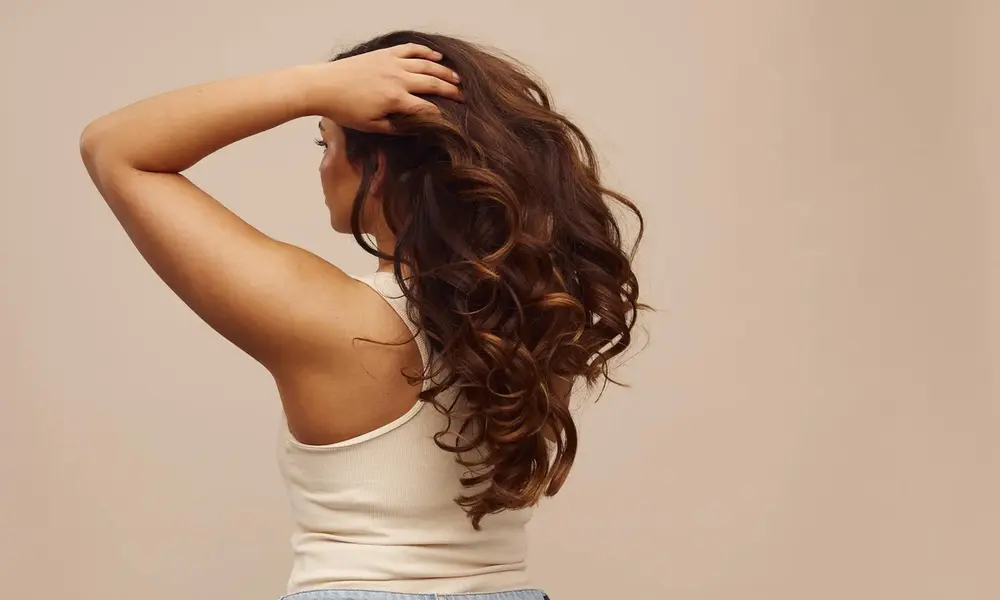
2A hair is a hair type in the Andre Walker hair classification system. It belongs to the Type 2 category, which includes naturally wavy hair. The number 2 represents wavy texture, while the letter A identifies the loosest wave pattern within that category.
Unlike straight hair, which generally falls without a noticeable wave, 2A hair develops soft, subtle bends that often form an elongated S shape. These waves may appear more clearly when the hair air-dries naturally. Most people with this texture have relatively fine or thin strands, although individual hair thickness can vary.
The roots often remain fairly straight, while the lengths develop gentle movement. If you prefer using heat to style your waves, a quality tool like a Dyson hair dryer with a suitable attachment can help you achieve a polished finish while allowing greater control over airflow and heat.
Key Characteristics of 2A Hair
Several features help distinguish this hair type from other textures:
- Loose wave pattern: Soft S-shaped waves rather than defined curls.
- Fine strands: Individual hair strands are often delicate and lightweight.
- Straight-looking roots: The hair may appear relatively straight near the scalp.
- Natural movement: The lengths have subtle bends and waves.
- Prone to flattening: Heavy conditioners and styling products can weigh down the texture.
- Occasional frizz: Humidity, dryness, and friction can disrupt the natural wave pattern.
- Moderate styling flexibility: It can often be worn straight, wavy, or with added volume.
One important distinction is that hair type describes the natural pattern, not its overall health. Two people with 2A hair can have very different levels of thickness, density, porosity, and moisture needs.
What Does 2A Hair Look Like?
2A hair typically looks straight at first glance, but a closer look reveals gentle waves throughout the lengths. The texture is usually relaxed rather than tightly structured.
The wave pattern may be more visible after washing, air-drying, or applying a lightweight styling product. Some people notice that their hair develops more texture underneath, while the top layers remain relatively straight.
Common visual characteristics include:
- Slight bends around the ears and shoulders.
- Loose waves near the ends.
- A soft, natural-looking finish.
- Minimal curl formation.
- Hair that can easily appear straight when brushed.
Because the waves are subtle, 2A hair is sometimes mistaken for straight hair. However, its natural bends become easier to recognize when the hair dries without brushing or excessive manipulation.
2A Hair vs. 2B Hair vs. 2C Hair
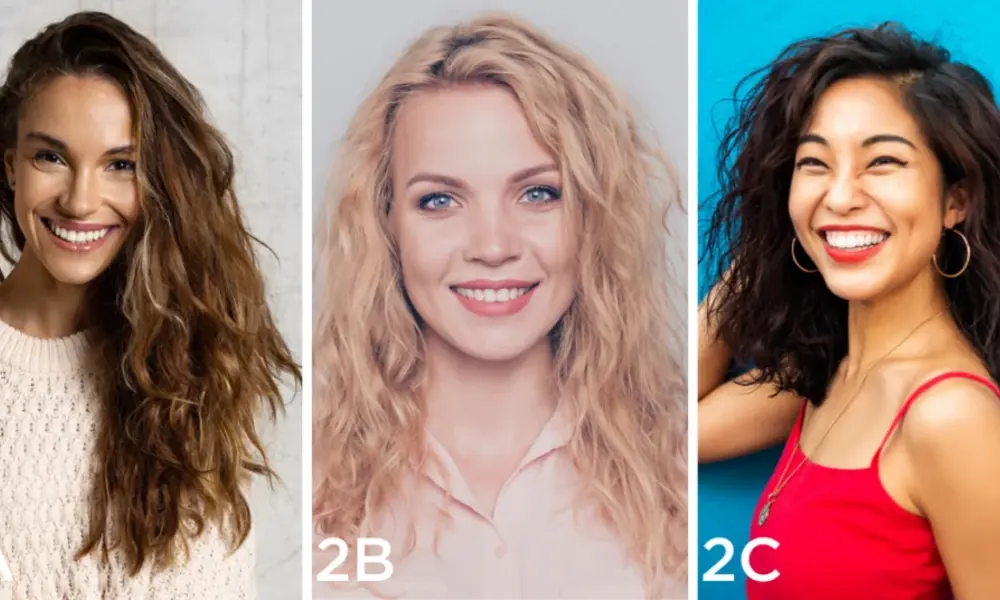
Understanding the differences between wavy hair types can make it easier to identify your natural texture.
All three belong to the Type 2 category, but their wave patterns have different levels of definition.
| Hair Type | Wave Pattern | Common Characteristics |
| 2A | Very loose S-shaped waves | Fine, relaxed, and often straight near the roots |
| 2B | More noticeable S-shaped waves | Defined waves, some frizz, and flatter roots |
| 2C | Strong, prominent waves | Fuller texture, more volume, and possible loose curls |
2A vs. 2B Hair
The main difference between 2A and 2B hair is wave definition.2A hair has loose, barely noticeable bends, while 2B hair develops more recognizable S-shaped waves. Type 2B also tends to have more natural volume and can be more prone to frizz.
People with 2A hair may find that their waves disappear after brushing, whereas 2B waves often remain more visible.
2A vs. 2C Hair
2C hair has a much stronger wave pattern than 2A hair. Its waves begin closer to the roots and may form loose spiral-like shapes. Compared with 2A hair, 2C textures generally have more volume and require additional attention to moisture and frizz management. If your hair looks mostly straight when dry but develops a few soft bends, it may be closer to 2A than 2C.
How to Know If You Have 2A Hair
Identifying 2A hair involves observing your natural texture rather than relying entirely on how your hair looks after styling. Try examining your hair after washing it and allowing it to dry naturally.
Here are some signs that you may have this hair type:
- Your roots usually look straight or nearly straight.
- Your hair develops loose waves toward the middle and ends.
- Your waves are more noticeable when you avoid brushing.
- Your hair loses volume when you use heavy styling products.
- Your natural texture looks relaxed rather than curly.
- Your hair can become almost completely straight when brushed or blow-dried.
For a more accurate assessment, observe your hair without applying heat or heavy styling products. Keep in mind that different sections of the same head can have different wave patterns. It is perfectly normal to have a mixture of straight and wavy sections.
Best Hair Care Routine for 2A Hair
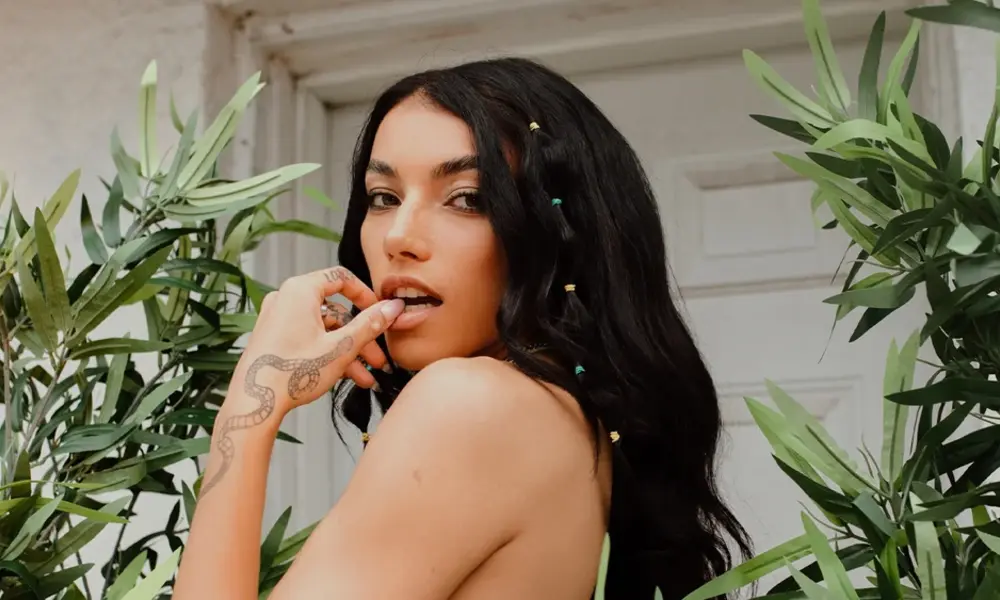
A good hair care routine should preserve natural waves without making the strands feel heavy. Since 2A hair is often fine, lightweight products and gentle techniques are usually a practical starting point.
1. Use a Lightweight Shampoo
Choose a shampoo that cleans your scalp without leaving your hair feeling excessively dry. Lightweight formulas can help remove excess oil, sweat, and styling residue while allowing the natural texture to remain manageable.
If your hair becomes greasy quickly, you may need to wash it more frequently. If your scalp is dry or sensitive, choose a gentler formula and adjust your washing schedule accordingly. Avoid assuming that every person with 2A hair needs the same washing frequency.
2. Choose a Lightweight Conditioner
Conditioner helps improve softness, reduce friction, and make detangling easier. However, applying too much conditioner can make fine wavy hair appear flat.
For better results:
- Apply conditioner mainly to the mid-lengths and ends.
- Avoid using excessive amounts near the roots.
- Choose lightweight moisturizing formulas.
- Rinse thoroughly to prevent product buildup.
A lightweight conditioner can provide enough softness without hiding your natural wave pattern.
3. Avoid Heavy Hair Products
One of the most common challenges with 2A hair is maintaining volume. Thick creams, heavy oils, and rich styling butters can make the strands look greasy or weighed down.
Instead, consider lightweight products such as:
- Volumizing mousse.
- Lightweight leave-in conditioner.
- Flexible-hold styling gel.
- Texturizing spray.
- Lightweight hair serum.
Start with a small amount and increase it only when necessary.
4. Protect Your Hair From Heat
Frequent heat styling can contribute to dryness, breakage, and loss of natural texture. If you use a blow-dryer, straightener, or curling iron, apply a suitable heat protectant first.
Use moderate temperatures and avoid repeatedly passing hot tools over the same section. Whenever possible, allow your hair to air-dry or use a diffuser on a low-heat, low-speed setting.
5. Detangle Gently
Fine 2A strands can become tangled, especially around the ends. Use a wide-tooth comb or your fingers to remove knots gently. Detangling while the hair is damp and conditioned can make the process easier.
Avoid aggressive brushing because it can disrupt natural waves and create unnecessary friction.
Best Hairstyles for 2A Hair
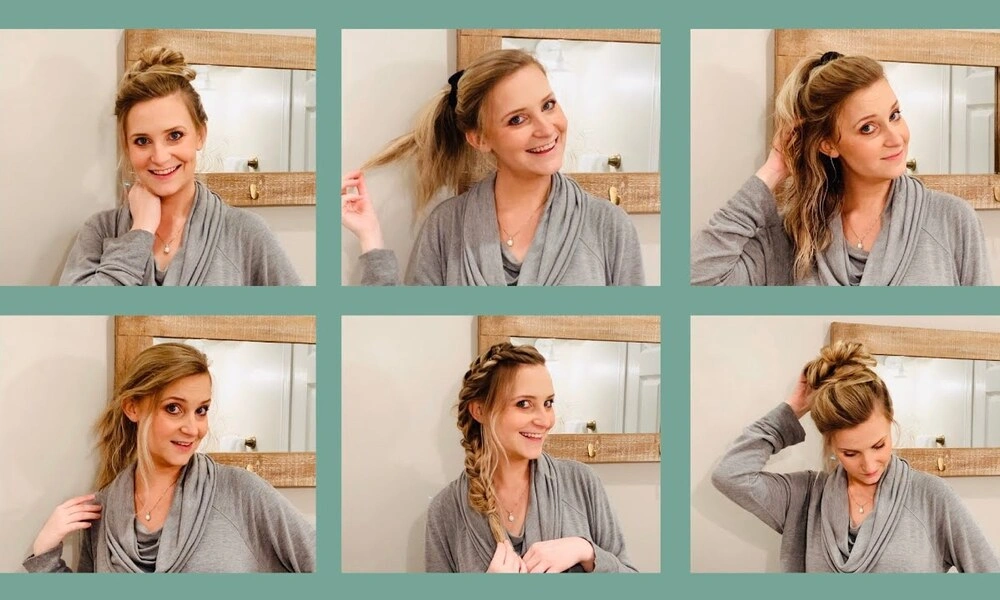
The relaxed texture of 2A hair makes it suitable for a variety of hairstyles. Its subtle waves can add movement to simple cuts without requiring complicated styling.
1. Long Layers
Long layers are a popular choice for 2A hair because they create movement without removing too much length. This haircut can make naturally loose waves appear more noticeable while helping prevent the ends from looking too heavy.
2. Textured Bob
A textured bob is a great option for people who prefer shorter hairstyles. The shorter length can help fine hair appear fuller, while soft layers add dimension and movement.A slightly tousled finish complements the relaxed wave pattern.
3. Curtain Bangs
Curtain bangs work well with many 2A hairstyles because they frame the face without requiring a completely structured look. They can be paired with long layers, shoulder-length cuts, or medium hairstyles.
4. Beach Waves
Beach waves complement the natural texture of 2A hair. A lightweight mousse or texturizing spray can help enhance existing bends without creating overly defined curls. The goal is to maintain soft, relaxed movement rather than make the hair look artificially curled.
5. Shoulder-Length Haircut
A shoulder-length haircut offers a balance between manageable length and natural volume. It works particularly well for people who want to maintain their waves while keeping their daily styling routine simple.
How to Style 2A Hair for More Defined Waves
Although 2A hair has a naturally loose wave pattern, the right styling techniques can make its texture more noticeable.
Apply Styling Products to Damp Hair
After washing, gently squeeze excess water from your hair using a soft microfiber towel or cotton T-shirt. Apply a small amount of lightweight mousse or gel while your hair is still damp. Distribute the product evenly, focusing on the lengths and ends.
Scrunch Your Hair
Scrunching is a simple technique that encourages natural waves. Take small sections of damp hair and gently squeeze them upward toward the scalp using your hands.
Repeat the process throughout your hair to encourage the formation of loose S-shaped waves. Avoid aggressive scrunching, which can create unnecessary tangles and frizz.
Try Plopping
Hair plopping involves wrapping damp hair in a microfiber towel or cotton T-shirt to encourage natural texture while removing excess moisture.
To try this technique:
- Apply your preferred lightweight styling product.
- Place a microfiber towel or cotton T-shirt on a flat surface.
- Gently lower your hair onto the fabric.
- Wrap the fabric around your head without pulling tightly.
- Leave it in place for approximately 10–20 minutes.
- Remove the fabric and allow your hair to finish drying.
Avoid leaving your hair wrapped for too long if it creates unwanted flattening or frizz.
Use a Diffuser
A diffuser can help enhance natural waves while reducing the direct airflow that may disturb the texture. Attach the diffuser to your blow-dryer and use a low-heat, low-speed setting.
Gently place sections of hair into the diffuser bowl rather than moving the dryer aggressively around your head. Once your hair is dry, avoid brushing it if you want to preserve the wave pattern.
Best Products for 2A Hair
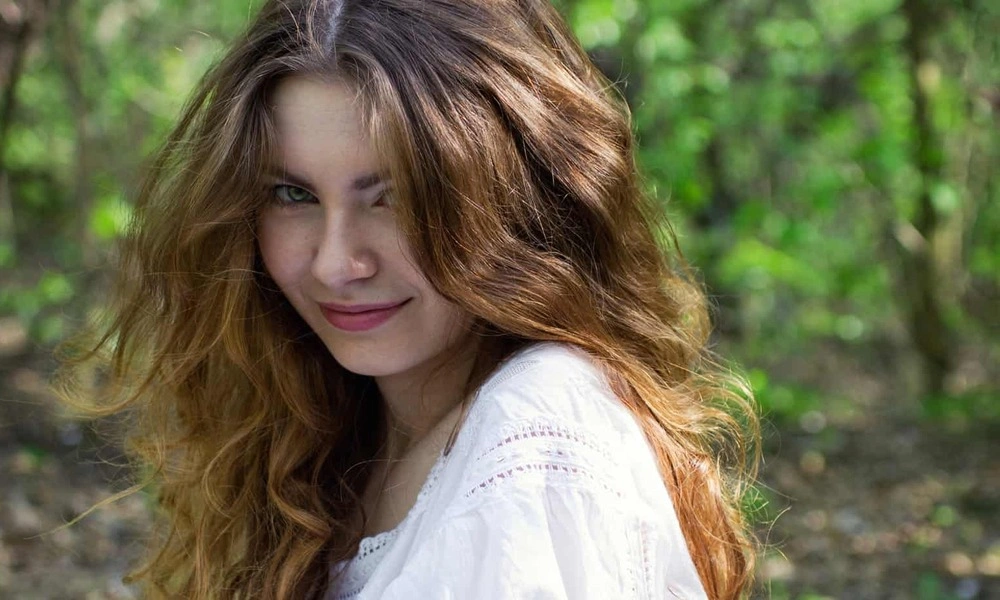
Choosing suitable products is more important than using a large number of them. The best products for 2A hair should support moisture, definition, and volume without making the strands feel heavy.
| Product Type | Main Purpose | What to Look For |
| Lightweight shampoo | Cleans the scalp | Gentle cleansing formula |
| Lightweight conditioner | Softens the lengths | Moisturizing but non-heavy texture |
| Volumizing mousse | Adds body and definition | Flexible hold |
| Lightweight gel | Helps waves stay defined | Non-sticky, flexible finish |
| Leave-in conditioner | Provides additional moisture | Lightweight formula |
| Heat protectant | Helps reduce heat-related damage | Suitable for your styling tools |
| Clarifying shampoo | Removes product buildup | Suitable for occasional use |
You do not need every product on this list. A shampoo, conditioner, and one suitable styling product may be enough for a simple routine.
Common 2A Hair Problems and How to Manage Them
Even though 2A hair is relatively easy to style, certain challenges can affect its appearance.
Flat Roots
Flat roots are common with fine or lightweight hair. To improve volume, apply a small amount of volumizing mousse near the roots and avoid using heavy conditioners on the scalp. You can also change your parting occasionally to create a fuller appearance.
Frizz
Frizz can develop when the hair lacks sufficient moisture, experiences friction, or reacts to humidity. Use a lightweight conditioner, avoid rough towel-drying, and apply a small amount of suitable styling gel. A silk or satin pillowcase may also help reduce friction while sleeping.
Waves That Disappear
Sometimes 2A waves disappear shortly after washing. This may happen because of heavy products, excessive brushing, or styling techniques that do not support the natural wave pattern.
Try using less product, scrunching while damp, and allowing your hair to dry without unnecessary manipulation.
Oily Roots and Dry Ends
Some people with 2A hair experience an oily scalp alongside dry lengths. This does not mean you need to wash your entire head with harsh products. Focus shampoo on the scalp and apply conditioner mainly to the mid-lengths and ends. If your waves become more defined or develop additional volume, you may also want to explore the characteristics of 2B hair to better understand your natural texture.
Common Mistakes to Avoid With 2A Hair
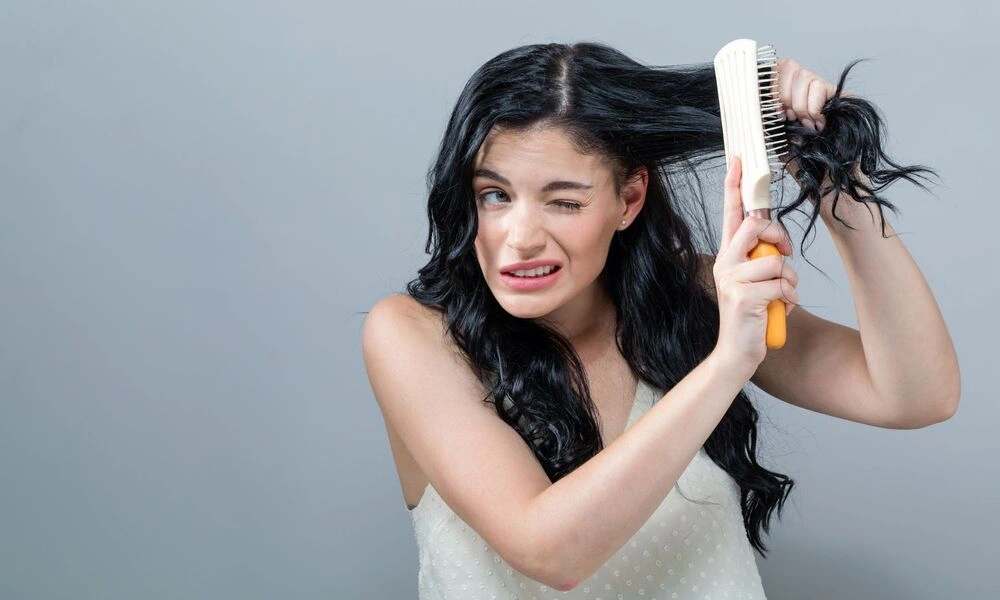
A few everyday habits can make naturally wavy hair harder to manage.
Avoid these common mistakes:
- Using too much product: Heavy styling products can flatten loose waves.
- Brushing dry waves repeatedly: This can disrupt the wave pattern and create frizz.
- Applying conditioner to the roots: Excess conditioner may make fine hair look greasy.
- Using excessive heat: Frequent high-temperature styling can damage the hair.
- Skipping regular trims: Split ends and damaged lengths can make hair harder to manage.
- Overwashing with harsh shampoo: This may leave the hair feeling dry.
- Using too many styling products: Product buildup can reduce volume and make waves less noticeable.
The best approach is to keep your routine simple and adjust it according to how your hair responds.
Frequently Asked Questions About 2A Hair
1. Is 2A hair straight or wavy?
2A hair is technically wavy. It has a loose S-shaped pattern that may look almost straight near the roots. Its waves are usually more visible toward the middle and ends.
2. Is 2A hair rare?
No. 2A is one of the recognized wavy hair categories. However, there is no universally established percentage that accurately measures how common this specific texture is.
3. Is 2A hair usually fine or thick?
2A hair is often associated with fine strands, but this is not a strict rule. Hair thickness, density, and wave pattern are separate characteristics, so someone can have 2A waves with medium or thick individual strands.
4. How often should you wash 2A hair?
The ideal washing frequency depends on scalp oil production, activity, product use, and personal preference. People with oily scalps may need more frequent washing, while those with drier scalps may benefit from washing less often.
5. What products should I avoid with 2A hair?
Avoid using excessive amounts of heavy creams, thick oils, rich butters, and other products that weigh down your strands. These products are not necessarily unsuitable for everyone, but lightweight alternatives are often easier to manage.
6. Can 2A hair become curly?
Styling techniques such as braiding, scrunching, and using curling tools can temporarily create more defined curls. However, these methods do not permanently change your natural hair pattern.
7. Is 2A hair easy to maintain?
Generally, 2A hair can be relatively easy to maintain because it has a loose wave pattern and does not usually require extensive curl styling. However, managing flat roots, frizz, and disappearing waves may require some experimentation with products and techniques.
Final Thoughts
2A hair is a naturally wavy texture characterized by soft S-shaped bends, relaxed movement, and often fine strands. Although it may sometimes appear straight, its subtle waves give it a distinctive texture that can be enhanced with the right care and styling methods.
The most effective routine focuses on lightweight products, gentle cleansing, proper conditioning, and techniques that encourage natural waves. Choosing suitable hairstyles, avoiding excessive heat, and limiting heavy styling products can also make everyday maintenance easier.
Rather than trying to transform your hair into a different texture, focus on understanding its natural characteristics. Whether you’re enhancing your natural waves or exploring different shades like red hair, choosing styles and colors that complement your features can help you express your personal style. With a consistent routine and the right approach, 2A hair can look healthy, voluminous, and beautifully defined.
