
Meta Title: Sleep Hygiene Tips to Get Better Sleep Tonight | johjos.com
Meta Description: Discover easy sleep hygiene habits for better rest. Try these healthy sleep habits from johjos.com to fix your sleep routine today!
Key Takeaways
-
Simple room changes for restful nights
-
Daily healthy sleep habits that work
-
Smart evening routines for quick drifting
-
Consistent schedules for insomnia prevention
Ever laid in bed staring at the ceiling, watching the clock tick past 2:00 AM? We have all been there, tossing and turning while wondering why rest feels so far away. Practicing good sleep hygiene is the simplest way to reset your nights and wake up feeling truly refreshed.
Good habits act as a quiet signal to your brain that it is time to wind down. In most cases, making tiny tweaks to your environment and daily choices can completely transform how well you sleep.
At johjos.com, we believe great days start with restorative nights. This comprehensive guide shares real, practical ways to fix your schedule without turning your life upside down.
AI Overview
Sleep hygiene refers to the daily habits and bedroom environment settings that promote consistent, uninterrupted rest. Building healthy sleep habits helps reset your internal clock, supporting natural insomnia prevention. By setting a calm sleep routine, keeping your room dark, and limiting late screens, you make it easy for your body to fall asleep fast and wake up energized every morning.
What Is Sleep Hygiene and Why Does It Matter?
Think of your habits like tuning an instrument. When your daily choices line up with your body’s internal clock, falling asleep feels completely effortless.
When those daily choices fall out of sync, you end up lying awake for hours. Based on available data, consistent habits train your brain to recognize when it is time to shut down.
| Aspect | Poor Habits | Good Practice |
| Bedtime Schedule | Irregular every night | Fixed sleep and wake times |
| Evening Screens | Browsing in bed | Screen-free 60 minutes before bed |
| Environment | Warm, bright room | Cool, dark, quiet sanctuary |
| Caffeine Intake | Late afternoon coffee | Cut off by early afternoon |
Understanding how your body handles rest is the first step toward better nights. Your brain relies on internal signals known as circadian rhythms to control when you feel alert and when you feel sleepy.
When your daily choices work against these natural rhythms, your body struggles to release essential sleep hormones like melatonin at the right time. Developing a structured pattern helps reinforce those natural chemical signals every single day.
The Biological Mechanics of Human Rest
To fix your sleep, it helps to understand what is actually happening under the hood when you close your eyes. Your body operates on a complex system governed by light, hormones, and body temperature.
The suprachiasmatic nucleus (SCN) in your brain acts as the master clock. It processes light input from your eyes to determine what time of day it is.
When sunlight fades, the SCN prompts your pineal gland to produce melatonin. If you blast your eyes with artificial light late at night, you trick the SCN into thinking it is noon, delaying natural melatonin release.
Building Healthy Sleep Habits During the Day
What you do at 2:00 PM affects how you sleep at 11:00 PM. Better sleep tips always start long before you put on your pajamas.

Harness Morning Sunlight
Getting natural light early in the morning boosts your mood and sets your internal body clock. Sunlight stops melatonin production early, giving you natural energy for the day ahead.
Try sipping your coffee by a window or taking a short morning walk outside. This single habit builds strong momentum for your entire evening routine.
Exposure to bright morning sunlight also helps regulate your cortisol levels, ensuring your highest energy peak occurs during the early hours rather than right before bed.
Rethink Your Afternoon Caffeine
That 3:00 PM coffee feels amazing in the moment, but caffeine lingers in your system far longer than most people realize. The half-life of caffeine can range from five to seven hours, meaning half of that late cup is still active in your brain at bedtime.
Generally, cutting off caffeine six to eight hours before bed helps your nervous system relax naturally. Staying mindful of your intake reduces late-night restlessness and prevents racing heart rates when you are trying to drift off.
-
Swap late coffee for herbal tea like chamomile or peppermint.
-
Keep afternoon hydration focused on plain, cool water.
-
Watch out for hidden caffeine in dark chocolate, energy drinks, and soft drinks.
Move Your Body Daily
Regular physical activity is one of the most effective ways to deepen your nightly rest. Physical effort increases your body’s drive for sleep by elevating adenosine levels in the brain.
However, timing matters significantly when it comes to exercise. Strenuous workouts raise your core body temperature and release adrenaline, which can keep you awake if done too close to bedtime.
Aim to finish high-intensity workouts at least three to four hours before you plan to sleep. Light stretching or casual walking in the evening is fine and can actually help relax tight muscles.
Crafting a Relaxing Evening Sleep Routine
Your body loves predictability. A gentle sleep routine tells your mind that the workday is officially over and that safety and rest are ahead.
Turn Down the Lights
Bright overhead bulbs trick your brain into thinking it is still daytime. As evening sets in, turn off overhead lights and switch to warm, dim lamps around your living space.
This simple shift encourages natural melatonin production, making you feel pleasantly drowsy. At johjos, we often recommend keeping your evening setup warm and soft to prepare your mind for complete relaxation.
Using red or amber-toned nightlights in hallways and bathrooms also prevents sudden bright light exposure if you get up during the night.
Put Your Phone to Bed Early
Blue light from phones, tablets, and televisions keeps your brain alert when it should be unwinding. The blue wavelength mimics daylight, suppressing melatonin and raising your heart rate.
Try creating a designated phone parking spot away from your nightstand at least an hour before bed. Keeping screens out of reach removes the temptation to check late notifications or doomscroll.
Instead of scrolling through social media feeds, read a chapter of a physical book or listen to calm music. You will notice your eyes getting heavy much faster when your brain is shielded from rapid digital stimuli.
Mind Your Late-Night Nutrition
Eating heavy meals right before bed forces your digestive system to work hard when it should be resting. Large, spicy, or acidic foods can cause heartburn and indigestion, disrupting your sleep cycles.
Try to finish your main dinner at least two to three hours before lying down. If you feel hungry later in the evening, opt for a light, easily digestible snack that combines complex carbohydrates and protein.
A small banana with a spoonful of almond butter or a warm glass of milk can provide tryptophan and magnesium without burdening your stomach.
Transforming Your Bedroom into a Sleep Sanctuary
Your room should be dedicated exclusively to rest and recovery. Keeping work items, clutter, and stress out of the bedroom reinforces a strong mental link between your bed and deep rest.

Keep It Cool and Dark
In most cases, a bedroom temperature around 65°F (18°C) is ideal for deep rest. Your body temperature naturally drops as you drift off, so a cooler room speeds up that internal cooling process.
Blackout curtains and eye masks are cheap tools that pay massive dividends for sleep quality. Blocking outside streetlights keeps you from waking up during lighter cycles of rest.
If you cannot eliminate outside noise, consider using a white noise machine or a steady fan. Constant, soothing background sounds mask unexpected noises like traffic or noisy neighbors.
| Sleep Environment Factor | Recommended Target | Primary Benefit |
| Room Temperature | 60°F to 67°F (15°C to 19°C) | Facilitates natural core body cooling |
| Lighting Level | Pitch dark (0 lux) | Prevents melatonin suppression |
| Noise Level | Under 30 decibels or white noise | Blocks sudden auditory sleep interruptions |
| Bed Mattress | Medium-firm support | Aligns spine and reduces physical toss/turning |
Invest in Ergonomic Bedding
Your mattress, pillows, and sheets play a massive role in how comfortably you sleep throughout the night. An outdated or sagging mattress can cause chronic back pain, leading to frequent night awakenings.
Choose bedding materials that promote breathability and heat dissipation, such as organic cotton, linen, or bamboo. Synthetic fabrics often trap body heat, causing nighttime sweating and restlessness.
Replace your pillows every one to two years to ensure your neck receives proper alignment and support while you sleep.
Proven Strategies for Insomnia Prevention
Struggling with racing thoughts at night is incredibly frustrating. Smart insomnia prevention strategies focus on reducing friction, anxiety, and mental stress around bedtime.
Don’t Lie Awake in Bed
If you cannot fall asleep after twenty minutes, get out of bed. Staying under the covers while feeling anxious links your bed with stress and frustration rather than rest.
Move to a dimly lit room, read something gentle, and return to bed only when your eyes feel heavy. This simple rule protects your bedroom’s restful atmosphere and breaks the cycle of bedtime anxiety.
Avoid checking the time while you are awake in the middle of the night. Watching the clock increases stress by making you calculate how few hours of sleep you have left.
Keep a Consistency Journal
-
Log the exact time you go to bed and wake up daily.
-
Note your caffeine intake and evening meal times.
-
Track how rested you feel each morning on a scale of 1 to 5.
-
Record stress levels and bedtime feelings to spot negative patterns over time.
Practice Progressive Muscle Relaxation
If physical tension keeps you awake, progressive muscle relaxation is a simple technique to calm your body. Start at your toes, tensing the muscles tightly for five seconds, then completely releasing them.
Work your way slowly up through your legs, stomach, chest, shoulders, and face. This practice draws your focus away from racing thoughts and forces your physical body to drop lingering tension.
Deep, slow breathing exercises like the 4-7-8 method also activate your parasympathetic nervous system, slowing your heart rate and preparing your body for quiet rest.
Navigating Alcohol, Nicotine, and Nighttime Habits
Many people mistakenly view alcohol as a helpful sleep aid because it makes them feel drowsy initially. However, alcohol severely disrupts your sleep structure later in the night.
While alcohol may help you fall asleep faster, it suppresses vital REM sleep and causes frequent awakenings as your body metabolizes it. You wake up feeling groggy, dehydrated, and unrefreshed.
Nicotine is another substance that damages overall sleep quality. As a stimulant, nicotine increases your heart rate and blood pressure, making it harder to fall into deep sleep stages.
If you choose to drink alcohol, try to stop several hours before bed and balance every drink with water. Avoiding nicotine near bedtime will also significantly lower sleep latency and reduce night wakefulness.
Managing Shift Work and Irregular Schedules
Not everyone works a standard nine-to-five day, making consistent sleep schedules challenging for shift workers. Irregular hours force your body to operate against its natural circadian programming.
If you work night shifts, creating a dark, quiet environment for day sleeping is critical. Use heavy blackout shades, white noise generators, and let household members know your dedicated sleep hours.
Wearing dark sunglasses on your commute home after a night shift helps prevent sunlight from resetting your brain to daytime mode. Eating your main meal before your shift rather than right before day-sleep also aids digestion.
Consistency remains essential even for non-traditional schedules. Try to keep your sleep block as uniform as possible across working days and off days to minimize internal clock disruption.
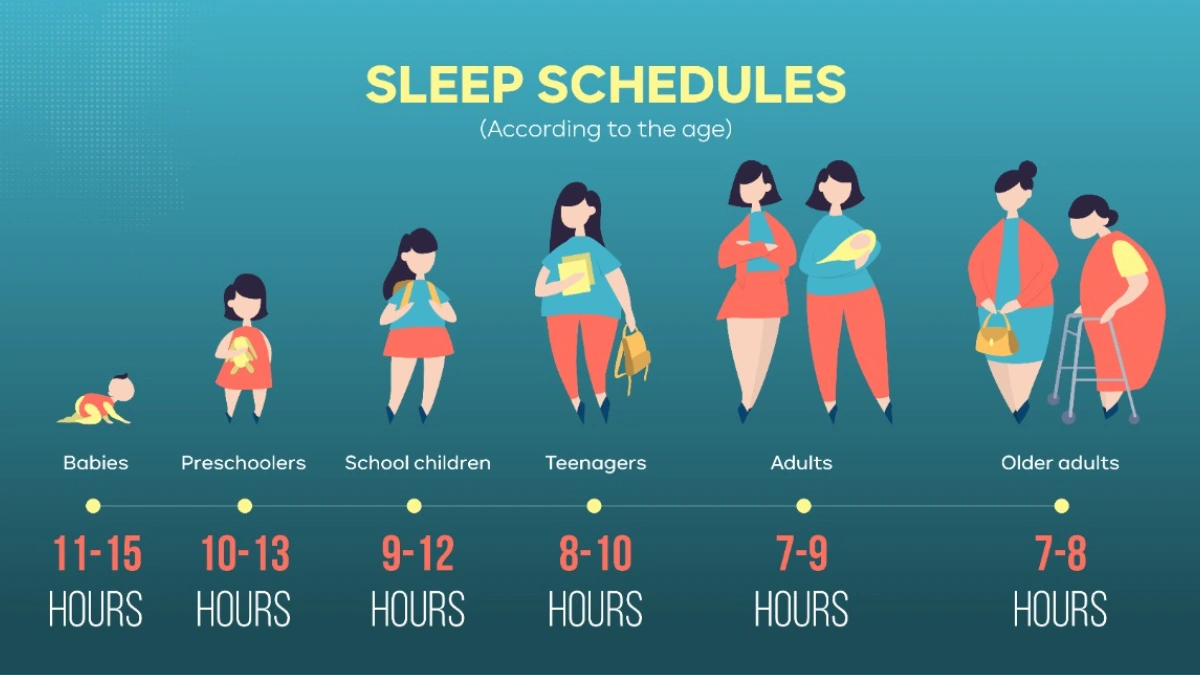
Maintaining Consistency for Long-Term Success
Sticking with your plan over weekends is the secret sauce for real, lasting success. Sleeping in late on Sundays creates a mini jet-lag effect on Monday morning, making your entire week harder.
Our team at johjos suggests keeping your wake time within an hour of your normal routine every day, even on weekends. Consistency strengthens your internal clock faster than any quick fix or supplement.
If you feel overly exhausted during the day, limit naps to twenty or thirty minutes in the early afternoon. Long or late naps drain your homeostatic sleep drive, making it harder to drift off when night comes.
Establishing a solid, daily foundation takes patience and continuous effort. Remember that your body needs time to adapt to new routines, so give your new habits a few weeks to show full results.
Frequently Asked Questions
What is the most important part of sleep hygiene?
Maintaining a consistent sleep and wake schedule every single day is the single most effective habit for long-term sleep quality.
How quickly do healthy sleep habits show real results?
Most people notice positive changes within one to two weeks of sticking to a calm, predictable evening routine consistently.
Can better sleep tips really prevent late-night insomnia?
Yes, taking small steps like removing screens early and keeping your room cool directly supports natural insomnia prevention over time.
How cold should my bedroom be for optimal rest?
In most cases, keeping your bedroom temperature around 65°F (18°C) provides the perfect environment for uninterrupted, comfortable rest.
Improving your sleep hygiene does not require an all-at-once lifestyle overhaul. Pick one or two small changes today, like setting a fixed wake time or dimming your lights early, and build from there. Enjoy your quiet evenings, and rest well tonight!
