
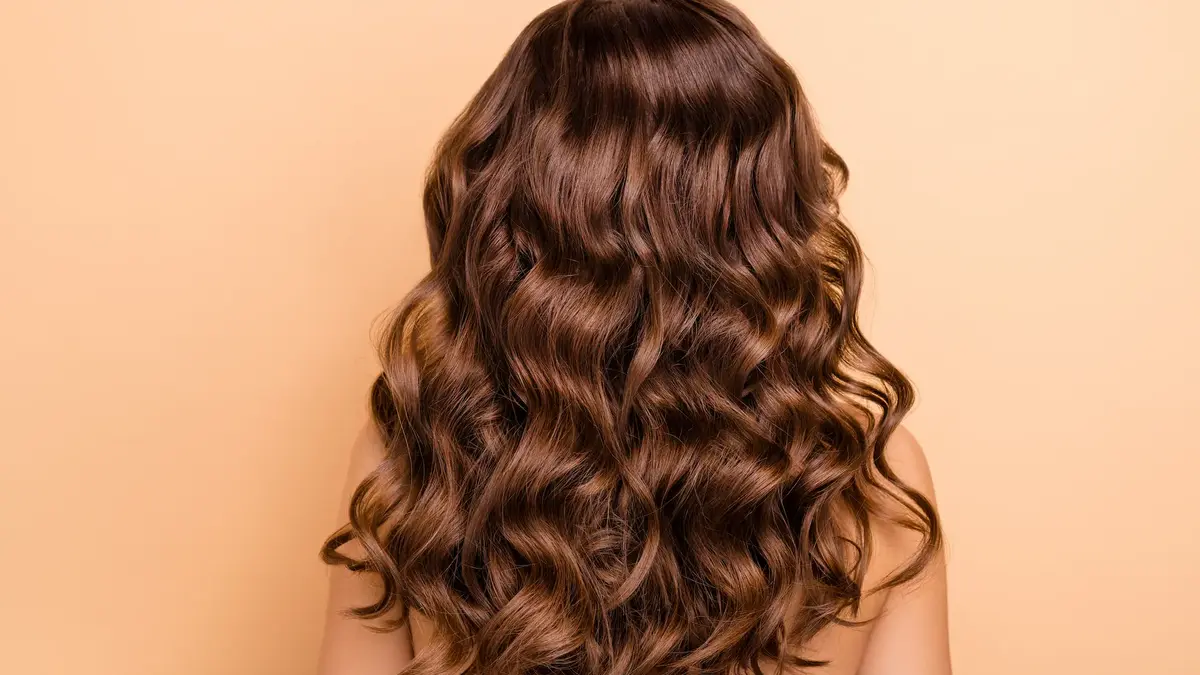
If your hair has loose S-shaped waves, a slightly straighter appearance near the roots, and more defined bends toward the middle and ends, you may have 2B hair. This hair type falls between naturally loose waves and more structured curls. It offers plenty of styling possibilities but can also come with challenges such as frizz, flat roots, and inconsistent wave patterns.
Understanding your natural texture is the first step toward building a hair care routine that works. With the right products, washing habits, haircuts, and styling techniques, you can make your waves look more defined, healthy, and manageable.
What Is 2B Hair?
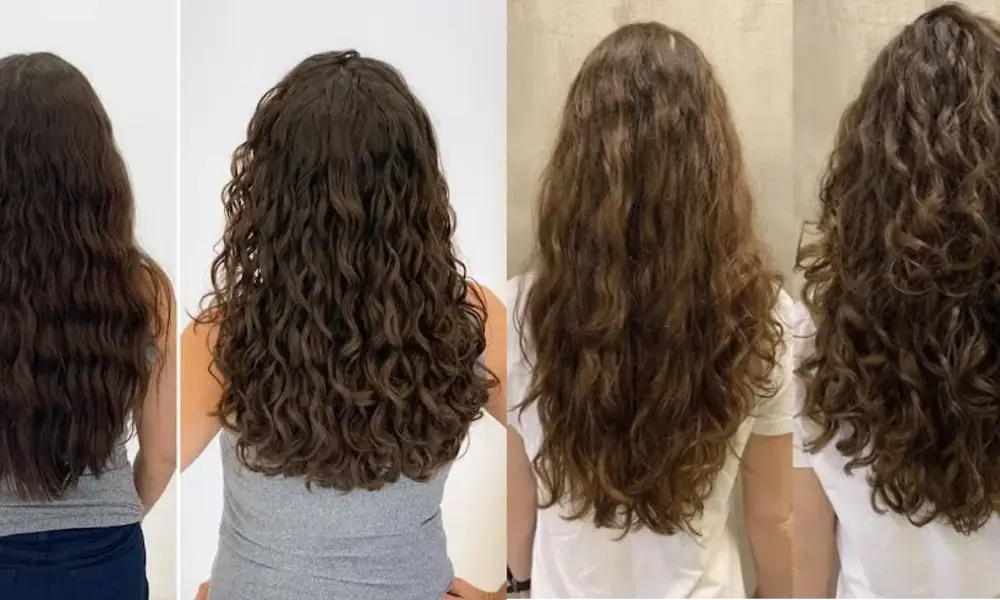
2B hair is a naturally wavy hair type characterized by loose, noticeable S-shaped waves. The roots are often relatively straight, while the waves become more visible from the middle of the hair shaft toward the ends.
In the widely used hair typing system, type 2 represents wavy hair, while the letters A, B, and C describe how pronounced the wave pattern is. Type 2B sits between the softer waves of 2A hair and the tighter, more defined waves of 2C hair. People with this texture often have hair that looks relatively straight when brushed but develops more visible waves when air-dried or styled without disturbing its natural pattern.
What Does 2B Hair Look Like?
The easiest way to recognize this hair type is by examining its natural wave pattern. Common characteristics include:
- S-shaped waves: The hair forms visible bends rather than tight spiral curls.
- Straighter roots: The upper section may appear flatter than the middle and lower lengths.
- Moderate volume: Natural waves create movement and body, although the roots can sometimes lack lift.
- Frizz and flyaways: Humidity and dryness can make the wave pattern look less defined.
- Variable texture: Some sections may have stronger waves than others.
- Easily weighed-down lengths: Heavy styling products can make waves look flat or stretched.
Not everyone with this hair type has identical characteristics. Hair thickness, density, porosity, damage, and environmental conditions also influence its appearance.
2B Hair vs. 2A, 2C, and 3A Hair
Understanding the differences between neighboring hair types can help you identify your natural texture and choose appropriate products.
| Hair type | Main characteristics | Wave or curl pattern |
| 2A | Very loose, subtle waves | Almost straight with slight bends |
| 2B | Noticeable S-shaped waves | Defined waves through the lengths |
| 2C | Strong, pronounced waves | Deep waves with occasional loose curls |
| 3A | Naturally formed curls | Loose, well-defined spiral curls |
2A vs. 2B Hair
2A hair generally has softer, less noticeable waves. It can look almost straight, particularly near the roots. In comparison, 2B hair has more defined S-shaped patterns and usually develops stronger waves toward the ends. While lightweight styling products may be sufficient for both textures, 2B hair often benefits from products that encourage wave definition and control frizz.
2B vs. 2C Hair
The main difference is the strength of the wave pattern.2C hair has deeper, more pronounced waves that may begin closer to the roots. Some sections can even form loose curls.2B hair typically has a softer pattern with more visible straightness near the scalp.
2B vs. 3A Hair
3A hair belongs to the curly category rather than the wavy category. Its defining feature is a loose spiral-shaped curl pattern. Although some 2B hair sections may resemble loose curls, the overall texture usually forms waves instead of consistent spirals.
What Causes 2B Hair?
Your natural hair pattern is largely influenced by genetics and the shape of your hair follicles. However, several factors can affect how your waves look from day to day.
Genetics: Your inherited characteristics play an important role in determining whether your hair grows straight, wavy, or curly.
Hair condition: Heat damage, chemical treatments, and breakage can make natural waves appear less consistent.
Humidity: Moisture in the air can increase frizz and change how individual strands behave.
Hair length: Longer hair can stretch out natural waves because of its weight. Shorter cuts may make the pattern appear more noticeable.
Product buildup: Excessive oils, creams, and styling products can leave hair heavy and reduce volume.
Understanding these influences makes it easier to distinguish your natural texture from temporary styling or environmental changes.
Best Hair Care Routine for 2B Hair
A good routine should maintain moisture, encourage natural waves, and prevent unnecessary buildup. The goal is to support your texture rather than force it into a completely different shape.
1. Choose a Lightweight Shampoo
Use a gentle shampoo that cleans your scalp without leaving your hair feeling excessively dry. If your roots become oily quickly, washing regularly may help maintain volume. Your washing frequency should depend on your scalp condition, lifestyle, and product use. Avoid applying excessive shampoo to the lengths. Concentrate on cleansing the scalp and allow the lather to rinse through the rest of your hair.
2. Use a Lightweight Conditioner
Conditioning helps improve softness, manageability, and moisture. Apply conditioner mainly to the middle and ends of your hair. Avoid using too much near the roots if your hair tends to become flat. Look for formulas designed for fine or wavy hair if heavy conditioners make your texture lose its shape.
3. Detangle Without Breaking the Waves
Wet hair can be more vulnerable to stretching and breakage, so use a gentle approach. A wide-tooth comb or your fingers can help remove tangles while conditioner is in your hair. Start at the ends and gradually work upward. Avoid aggressively brushing your hair when it is dry because this can separate the natural wave pattern and create extra frizz.
4. Apply Styling Products to Damp Hair
Styling products are often most effective when applied to damp hair. Depending on your needs, consider:
- Lightweight leave-in conditioner for extra softness.
- Wave-enhancing cream for gentle definition.
- Mousse for volume and flexible hold.
- Lightweight gel for longer-lasting wave definition.
You do not need to use every product. Start with one or two and see how your hair responds.
Best Products for 2B Hair
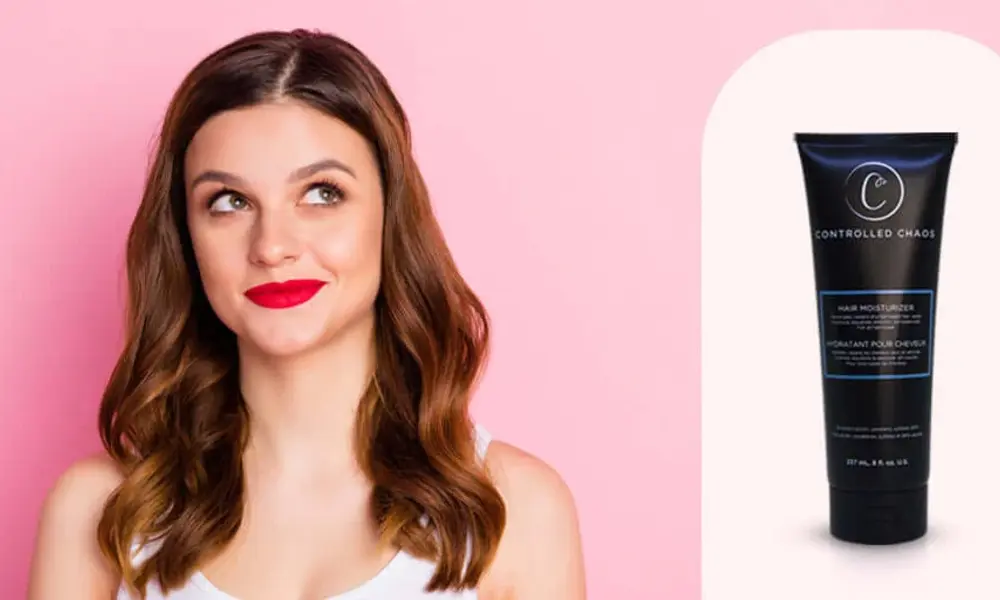
The best products are those that provide definition without making your hair feel heavy or greasy. Here are the main product categories worth considering.
Lightweight Leave-In Conditioner
A lightweight leave-in conditioner helps soften the hair and improve manageability. It is particularly useful if your ends feel dry or become tangled easily. Choose a formula that does not leave a thick coating on your strands.
Volumizing Mousse
Mousse is a popular option for wavy hair because it can provide body and hold without the heavier feel of some creams. Apply a moderate amount to damp hair, concentrating on the lengths. Scrunch gently to encourage the natural S-shaped pattern.
Lightweight Hair Gel
Gel can help maintain wave definition and reduce frizz. Apply a small amount evenly through damp hair. Once the hair is completely dry, gently scrunch it to soften any firm cast left by the product.
Clarifying Shampoo
Styling products, oils, and environmental residue can accumulate over time. A clarifying shampoo can help remove buildup when your hair starts feeling coated, unusually flat, or difficult to style. Use it according to your hair’s needs rather than automatically using it every wash.
Heat Protectant
If you regularly use a blow-dryer, curling iron, or straightener, apply a suitable heat protectant beforehand. Reducing excessive heat exposure is also important for maintaining healthy hair and preserving your natural wave pattern.
Best Hairstyles for 2B Hair
One advantage of this texture is its versatility. Natural waves provide movement and softness, making several haircuts and hairstyles particularly attractive. If you have longer wavy hair, exploring different hairstyles for long hair can help you find flattering styles that complement your natural texture.
1. Long Layered Hair
Long layers can help create movement and reduce the appearance of excessive weight in longer hair. This style works well when you want to maintain length while allowing your waves to look more noticeable.
2. Shoulder-Length Waves
A shoulder-length cut offers a balance between manageability and styling flexibility. It can make natural waves appear fuller, especially when the ends are cut to complement your hair’s natural movement.
3. Textured Bob
A textured bob gives wavy hair a relaxed, modern appearance. The shorter length can help bring out natural movement that might become less visible in longer, heavier hair.
4. Curtain Bangs
Curtain bangs can complement 2B hair by adding softness around the face. They work particularly well with layered cuts, although the final result depends on your hair density, face shape, and natural wave pattern.
5. Half-Up, Half-Down Hairstyle
This is an easy everyday option that keeps some hair away from your face while allowing the remaining waves to remain visible. You can use a claw clip, small hair tie, or decorative barrette.
6. Loose Braids
Loose braids are practical for casual days and can help keep hair organized. They can also create additional texture when removed after the hair has dried, although the result will depend on your natural pattern and braiding technique.
How to Style 2B Hair for Defined Waves?
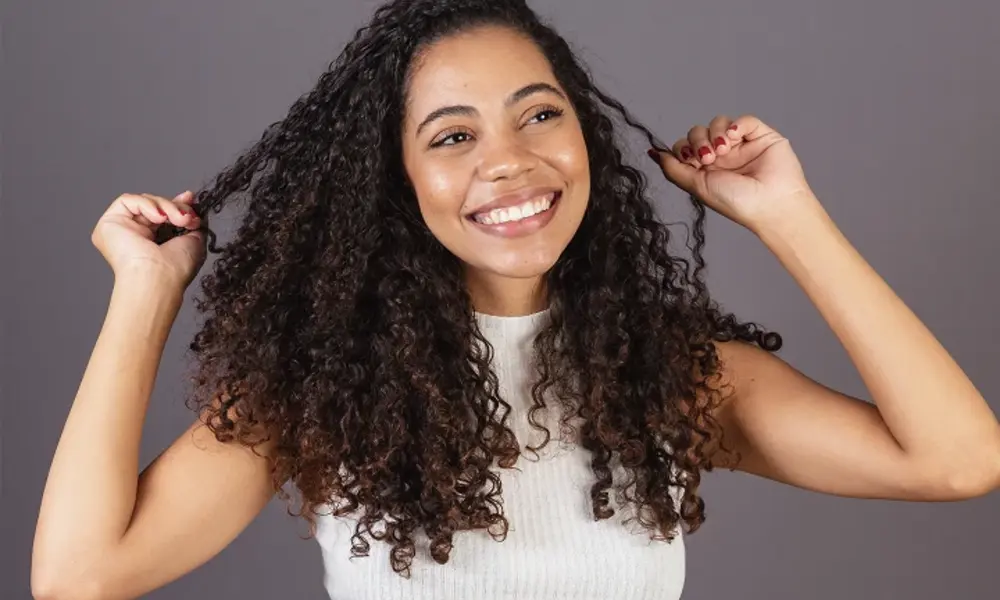
If your waves frequently become flat or frizzy, adjusting your styling method can make a noticeable difference. Follow these steps for a simple styling routine.
Step 1: Start with clean, damp hair. Wash and condition your hair using products that suit your scalp and hair texture.
Step 2: Remove excess water. Gently squeeze your hair with a microfiber towel or cotton T-shirt.
Step 3: Apply a lightweight styling product. Distribute mousse or a wave-enhancing product through the lengths.
Step 4: Scrunch your hair. Cup the ends of your hair in your hands and gently push them upward toward your scalp to encourage the natural wave pattern.
Step 5: Dry without disturbing the waves. Air-dry or use a diffuser on a low setting.
Step 6: Finish with a small amount of product if needed. Once dry, gently separate the waves with your fingers. Avoid applying too much oil or serum.
Consistency matters more than using a large number of products.
Common Mistakes to Avoid With 2B Hair
Even naturally beautiful waves can become difficult to manage when the routine does not match the hair’s needs.
Here are some common mistakes to avoid.
Using Too Much Heavy Product
Thick creams, oils, and butters can weigh down loose waves. If your hair looks flat shortly after styling, reduce the amount of product or switch to a lighter formula.
Brushing Dry Hair Excessively
Dry brushing can separate the wave pattern and make your hair appear puffier. Use your fingers or a wide-tooth comb when detangling, preferably while your hair is conditioned and wet.
Applying Conditioner to the Roots
If your scalp already produces enough natural oil, applying rich conditioner near the roots can make the hair look greasy and flat. Focus on the middle and ends instead.
Using Excessive Heat
Frequent high-temperature styling can contribute to dryness and damage. Use heat protection, lower temperature settings when possible, and give your hair occasional breaks from hot tools.
Ignoring Product Buildup
Even lightweight products can accumulate with repeated use. If your hair feels coated or loses its natural movement, consider clarifying it and simplifying your styling routine.
How to Maintain 2B Hair Overnight?
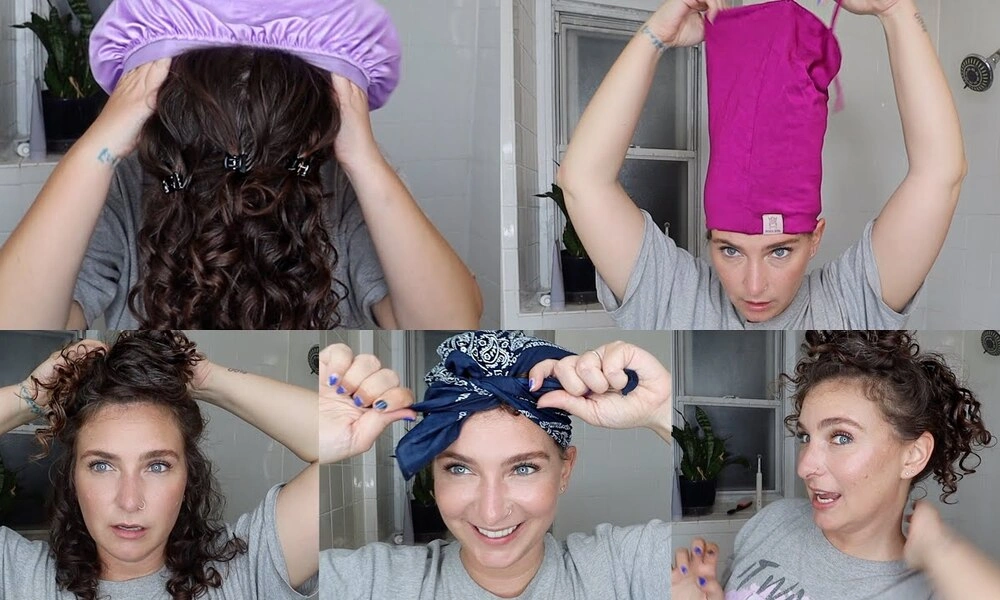
Maintaining your waves while sleeping can reduce morning styling time. Try these simple techniques:
- Use a satin or silk pillowcase to reduce friction.
- Avoid sleeping with tightly secured hairstyles.
- Gather longer hair into a loose, high ponytail if comfortable.
- Make sure your hair is dry before going to bed.
- Refresh flattened waves with a little water or lightweight styling product.
In the morning, gently reshape individual sections with damp hands rather than brushing the entire head.
How to Choose the Right Haircut for 2B Hair
The right haircut depends on your preferred length, hair density, face shape, and styling habits. If you want more volume, ask your stylist about layers that remove excess weight without making the ends look too thin.
If you prefer a low-maintenance look, a shoulder-length cut or textured bob may be easier to manage. For longer hair, soft layers can encourage movement while preserving overall length. It is also helpful to visit a stylist who understands naturally wavy textures.
Ask them to consider how your hair falls when dry, not just how it looks after being straightened or blow-dried. Alongside choosing the right hairstyle, exploring other personal grooming options, such as laser hair removal near me, can help you build a beauty routine that suits your lifestyle.
Frequently Asked Questions About 2B Hair
1. Is 2B hair curly or wavy?
2B hair is classified as wavy rather than curly. It features noticeable S-shaped waves, usually with straighter roots and more defined texture through the lengths.
2. Is 2B hair considered thick or thin?
It can be either. Hair type describes the natural wave or curl pattern, not individual strand thickness or overall hair density. Someone with 2B hair may have fine, medium, or coarse strands.
3. How often should you wash 2B hair?
There is no universal washing schedule. Wash according to your scalp’s oil production, activity level, and product buildup. Some people need frequent washing, while others can comfortably go longer between washes.
4. What is the best styling product for 2B hair?
Lightweight mousse and flexible-hold gel are popular choices because they help define waves without excessive weight. The best option depends on whether you need more volume, definition, or frizz control.
5. Can 2B hair become curly?
Styling techniques such as scrunching, diffusing, and using curl-enhancing products can make natural waves appear more defined. However, these methods do not permanently change your genetic hair pattern.
6. Is 2B hair prone to frizz?
It can be. Humidity, dryness, friction, and excessive brushing may disrupt the natural wave pattern. Gentle drying, suitable conditioning, and lightweight styling products can help manage frizz.
7. Should you brush 2B hair when it is dry?
It is generally better to detangle wavy hair gently when wet and conditioned. Excessive dry brushing can disrupt the wave pattern and create a frizzier appearance. If you need to detangle dry hair, use your fingers or a suitable wide-tooth comb carefully.
Final Thoughts
2B hair has a naturally attractive texture that combines loose movement with noticeable S-shaped waves. Although it can sometimes struggle with frizz, flat roots, and inconsistent definition, the right care routine can make it much easier to manage.
Focus on gentle cleansing, lightweight conditioning, suitable styling products, and careful drying techniques. Choose haircuts that complement your natural movement, and avoid using excessive heat or heavy products that weigh down your waves.
Most importantly, learn how your hair responds to different products and styling methods. Understanding your hair’s porosity, especially if you have low-porosity hair, can also help you choose products that work best with your natural texture. A simple, consistent routine that supports your hair’s needs is often more effective than an overloaded collection of hair products. For more guidance, explore our guide to low porosity hair.
