

Low porosity hair has a tightly packed cuticle layer that makes it difficult for moisture to enter the hair shaft. Although this hair type can retain moisture once it absorbs it, water and hair products may take longer to penetrate. As a result, low porosity hair often feels dry, experiences product buildup, or takes a long time to become completely wet.
Understanding your hair’s porosity can make a significant difference in how you care for it. Instead of applying multiple heavy products, you can choose lightweight moisturizers, gentle cleansing methods, and techniques that help water penetrate the hair more effectively. Whether your hair is straight, wavy, curly, or coily, learning how low porosity hair behaves can help you develop a routine that supports softness, shine, and healthy-looking strands.
What Is Low Porosity Hair?
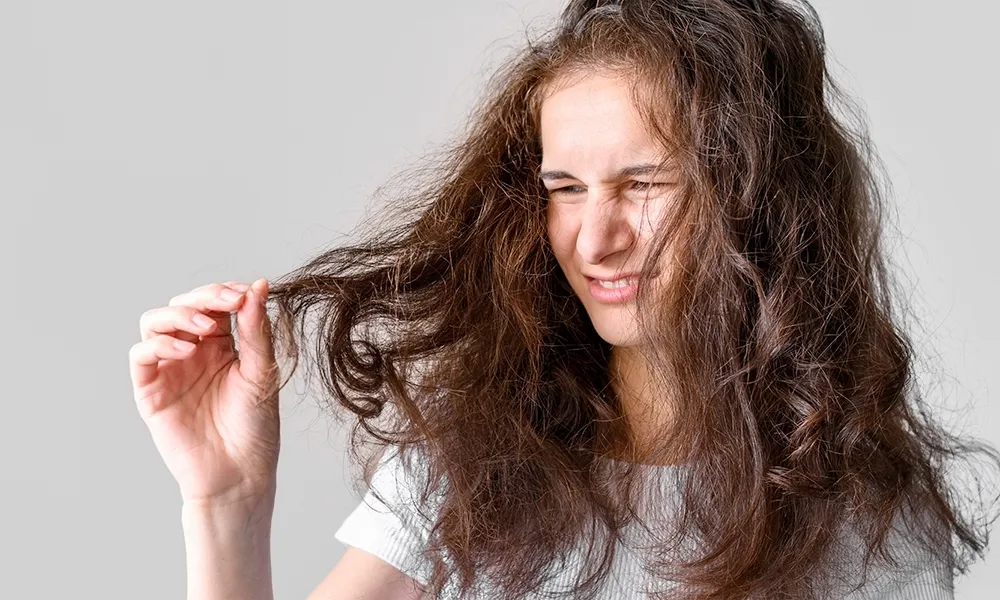
Low porosity hair is hair with cuticles that lie tightly against the hair shaft, creating a relatively compact outer layer. These cuticles make it harder for water, oils, and conditioning ingredients to enter the hair. Hair porosity describes how easily your strands absorb and retain moisture. It is influenced by the structure of the cuticle layer and can also change with chemical treatments, heat styling, and environmental damage.
Low porosity hair is not necessarily unhealthy or damaged. It is simply a characteristic that affects how your hair responds to water and products. One important distinction is that low porosity does not mean your hair cannot absorb moisture. It means moisture may take longer to penetrate.
Signs You Have Low Porosity Hair
Recognizing the signs of low porosity hair can help you choose suitable products and avoid unnecessary treatments.
Here are some common characteristics to look for.
1. Hair Takes a Long Time to Get Wet
One of the most noticeable signs is that water seems to sit on your hair instead of soaking in immediately.When you shower, you may need to spend extra time thoroughly wetting your strands before shampooing or conditioning.
2. Hair Takes Longer to Dry
Low porosity hair can take a long time to dry because its tightly arranged cuticles make water movement more restricted.However, drying time also depends on hair thickness, density, length, styling products, and the surrounding environment.
3. Products Sit on the Hair
If conditioners, creams, and oils seem to remain on the surface rather than absorbing easily, you may have low porosity hair.This can make your strands feel coated, greasy, or sticky, especially when you use several products together.
4. Product Buildup Happens Easily
Low porosity hair may be more prone to noticeable product buildup when heavy conditioners, butters, and styling creams are used frequently.
You might notice:
- Hair that feels waxy or coated.
- Strands that look dull.
- A greasy feeling despite washing.
- Reduced volume and movement.
- Products that stop working as expected.
A suitable cleansing routine can help remove residue without unnecessarily drying your hair.
5. Hair Can Feel Dry Despite Conditioning
You may condition regularly but still struggle with softness and manageability.This can happen when products do not distribute well or when buildup interferes with moisture absorption.
The solution is not necessarily more conditioner. Choosing the right formula and applying it correctly often makes a bigger difference.
How to Test Your Hair Porosity?
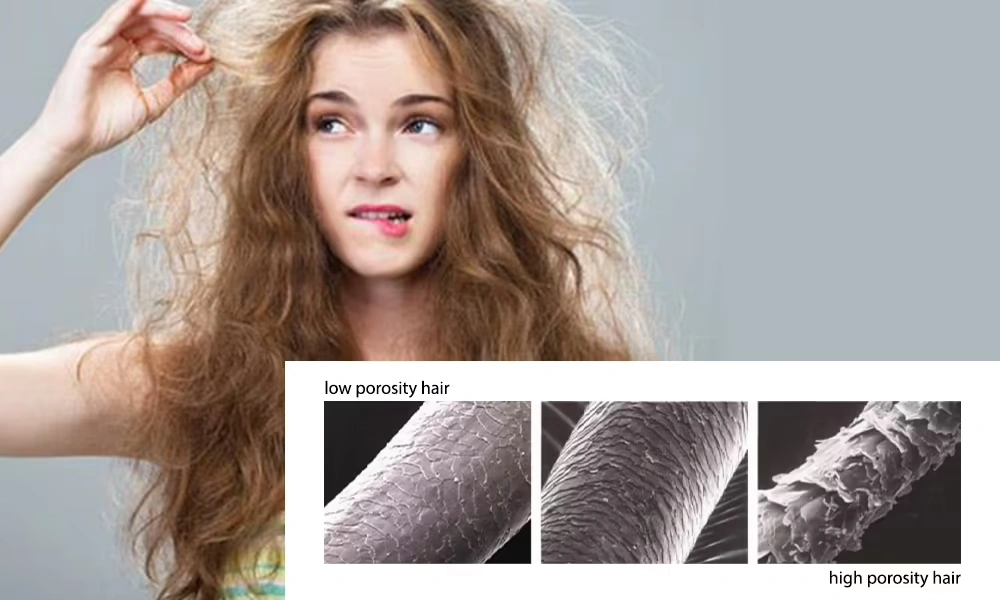
You can explore your hair porosity through a few simple observations. No single home test provides a completely reliable diagnosis, so consider several characteristics together.
The Water Absorption Test
Start with clean hair that does not have styling products or heavy oils on it.
- Take a small section of clean, dry hair.
- Place it in a bowl of room-temperature water.
- Observe how the strand behaves.
- Notice whether it remains near the surface or gradually sinks.
Hair that floats for a while may have lower porosity, but this test is not scientifically reliable on its own. Surface tension, strand thickness, and trapped air can influence the result.
Observe How Your Hair Responds to Water
A more practical approach is to pay attention during your normal washing routine.
Ask yourself:
- Does water take time to saturate your hair?
- Do you need extra time to rinse out shampoo?
- Does the conditioner seem to sit on your strands?
- Does your hair take a long time to dry?
If several of these characteristics consistently apply, you may have low porosity hair.
Consider Your Hair’s Product Response
Notice how your hair reacts to different formulas.If lightweight conditioners make your hair feel soft while thick creams leave it coated, that may indicate a preference for lighter products.
Keep in mind that hair porosity is only one factor. Hair texture, density, scalp condition, and damage also influence product performance.
Best Hair Care Routine for Low Porosity Hair
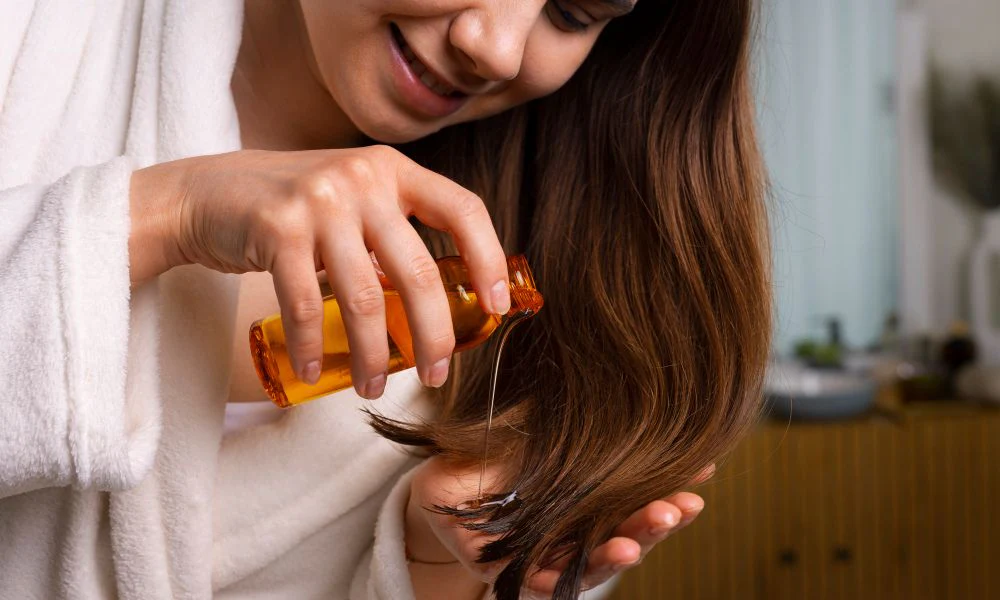
A consistent routine is more useful than buying numerous products. The goal is to cleanse effectively, introduce moisture, and prevent unnecessary buildup.
Step 1: Start With a Gentle Shampoo
Use a gentle shampoo to remove dirt, excess oil, sweat, and styling residue.Low porosity hair can become weighed down by accumulated products, so regular cleansing is important.
Choose a shampoo based on your scalp’s needs rather than assuming that every low porosity hair type requires the same formula.If your scalp becomes oily quickly, you may need more frequent washing. If it is dry or sensitive, a gentler washing schedule may be more comfortable.
Step 2: Use a Lightweight Conditioner
Conditioning helps improve softness, smoothness, and manageability.For low porosity hair, lightweight conditioners are often a practical starting point. Look for formulas containing ingredients such as:
- Glycerin.
- Aloe vera.
- Panthenol.
- Behentrimonium chloride.
- Cetearyl alcohol.
- Lightweight conditioning agents.
Apply conditioner evenly, paying particular attention to the lengths and ends.Avoid applying excessive amounts, especially if your hair becomes greasy or weighed down easily.
Step 3: Use Warm Water When Conditioning
Warm water can help hair become thoroughly saturated and make conditioning easier.Start by completely wetting your strands with comfortably warm water. Apply conditioner and allow it to sit according to the product instructions.
You can also use a warm, damp towel over your hair while conditioning if the product instructions allow it.Avoid excessively hot water because it can irritate your scalp and contribute to dryness.
Step 4: Apply a Lightweight Leave-In Conditioner
A leave-in conditioner can help improve softness and reduce friction between strands.Choose a lightweight formula rather than a thick butter-based product if your hair tends to feel coated.
Apply a small amount to damp hair and distribute it evenly with your fingers or a wide-tooth comb.Start with less product than you think you need. You can always add a little more if necessary.
Step 5: Seal Moisture When Needed
Some people with low porosity hair benefit from a small amount of lightweight oil to reduce moisture loss and improve smoothness.
Popular options include:
- Argan oil.
- Jojoba oil.
- Grapeseed oil.
- Sweet almond oil.
Remember that oils do not replace water or moisturizers. They primarily help condition the hair surface and reduce friction.Use a small amount, especially if your hair is fine or easily weighed down.
Step 6: Protect Your Hair While Sleeping
Nighttime habits can help reduce friction and prevent unnecessary breakage.
Consider using:
- A satin or silk pillowcase.
- A satin bonnet.
- Loose protective hairstyles.
- Gentle hair ties without metal components.
Avoid sleeping with tightly secured hairstyles that place excessive tension on your roots.
Best Products and Ingredients for Low Porosity Hair
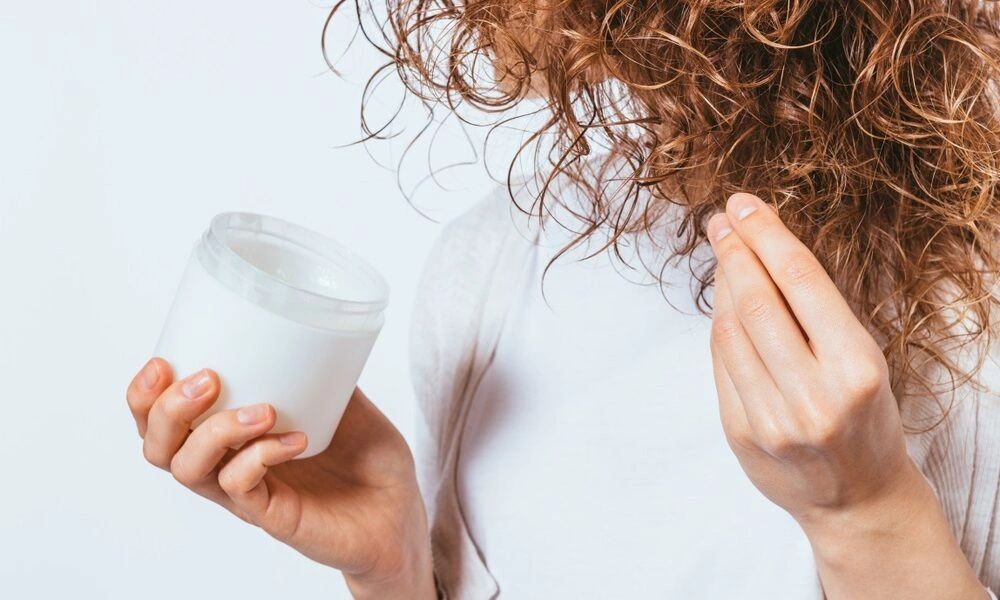
Choosing suitable ingredients is one of the most important parts of managing low porosity hair.The best products are not necessarily the most expensive. Look for formulas that provide conditioning without leaving excessive residue.
Ingredients That Work Well
| Ingredient | Potential benefit |
| Glycerin | Helps attract and retain moisture under suitable conditions |
| Aloe vera | Provides lightweight conditioning |
| Panthenol | Helps improve softness and manageability |
| Jojoba oil | Helps condition the hair surface |
| Argan oil | Adds smoothness and shine |
| Hydrolyzed proteins | Can temporarily improve the feel of damaged hair |
| Cetearyl alcohol | Provides conditioning and softness |
Not every ingredient works equally well for everyone. Your hair’s texture, condition, and response to individual formulas matter.
Products to Use Carefully
Certain products can make low porosity hair feel heavy when applied excessively.
These include:
- Thick shea butter creams.
- Heavy coconut oil treatments.
- Dense styling butters.
- Multiple layers of leave-in conditioner.
- Heavy wax-based products.
These ingredients are not universally bad for low porosity hair. The key is using products that suit your individual strands and avoiding excessive layering.
Low Porosity Hair vs. High Porosity Hair
Understanding the difference between low and high porosity hair can help you identify what your strands need.
| Characteristic | Low Porosity Hair | High Porosity Hair |
| Cuticle structure | Tightly packed | More raised or damaged |
| Water absorption | Often slower | Often faster |
| Moisture retention | Can retain absorbed moisture well | May lose moisture quickly |
| Product buildup | Can occur easily | Depends on hair condition and routine |
| Drying time | Often longer | Often shorter |
| Product preference | Often benefits from lighter formulas | May benefit from richer conditioning |
| Main concern | Getting moisture into the hair | Retaining moisture and reducing damage |
Medium porosity hair falls between these two categories and generally absorbs and retains moisture more easily.These are general tendencies rather than strict rules. Hair thickness, density, texture, and damage can affect how your strands behave.
Best Hairstyles for Low Porosity Hair
Low porosity hair can be styled in many different ways. Your options depend more on your natural texture, length, and personal preferences than on porosity alone.
Here are some popular styling ideas.
1. Natural Wash-and-Go
A wash-and-go style allows your natural curl or wave pattern to remain visible.Use a lightweight leave-in conditioner and a suitable styling gel to define your texture without excessive product layering.
2. Twist-Out Hairstyles
Twist-outs create defined waves or curls without requiring daily heat styling.Apply a lightweight styling product to damp hair, divide it into sections, and create twists. Allow your hair to dry completely before unraveling them.
3. Protective Braids
Braids can reduce daily manipulation and make hair maintenance easier.Avoid excessively tight braids, and keep your scalp clean and comfortable while wearing protective styles.
4. Sleek Low Bun
A sleek low bun is a simple option for everyday styling and formal occasions.Use a lightweight styling gel or cream and avoid applying excessive product to achieve a smooth finish.
Common Mistakes to Avoid With Low Porosity Hair
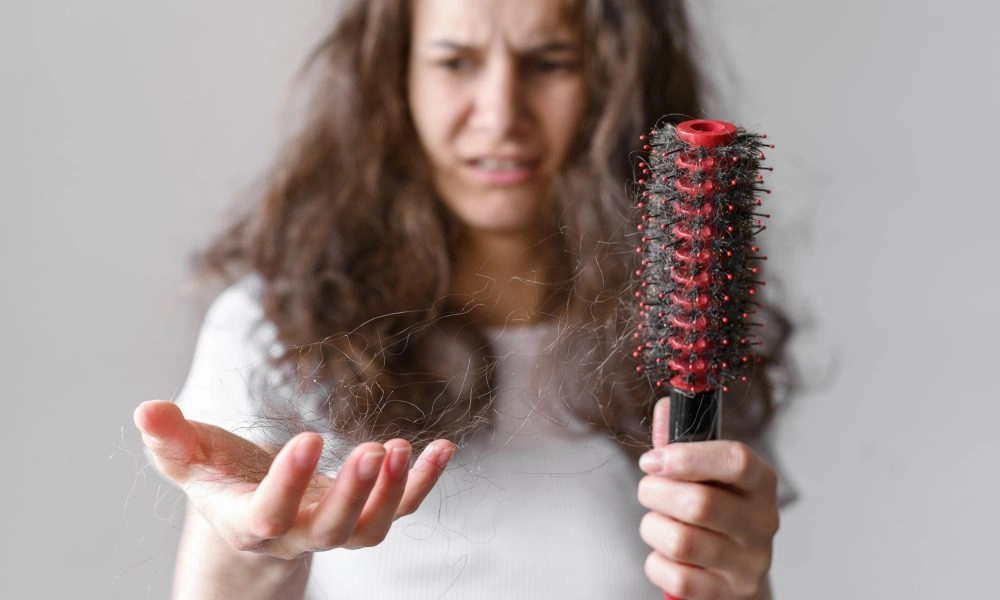
Even a good hair care routine can become ineffective when products and techniques are not suited to your needs.
Watch out for these common mistakes.
1. Using Too Many Heavy Products
Layering thick creams, oils, and butters can create buildup and make your hair feel greasy.Start with a simple routine and introduce additional products only when necessary.
2. Skipping Regular Cleansing
Avoiding shampoo because you are concerned about dryness can allow styling residue and excess oil to accumulate.Choose a suitable shampoo and adjust your washing frequency according to your scalp.
3. Applying Products to Completely Dry Hair
Many conditioning products distribute more evenly when applied to damp or wet hair.Try applying your leave-in conditioner after washing while your strands are still damp.
4. Overusing Protein Treatments
Protein treatments can temporarily improve the feel and strength of damaged hair, but frequent use is not necessary for everyone.If your hair feels stiff or rough after using protein-heavy products, reduce their frequency and focus on balanced conditioning.
5. Using Excessive Heat
High temperatures from straighteners, curling irons, and blow dryers can damage the hair cuticle.Use heat protection products, choose moderate temperatures, and limit unnecessary heat styling.
How to Keep Low Porosity Hair Healthy and Moisturized
Healthy-looking hair depends on consistent care, gentle handling, and choosing products that suit your needs.
Here are some practical habits to maintain over time:
- Wash your hair regularly to prevent buildup.
- Use lightweight conditioners that distribute easily.
- Apply leave-in products to damp hair.
- Detangle gently, preferably when your hair is conditioned.
- Use heat styling tools sparingly.
- Protect your ends from excessive friction.
- Trim split ends when needed.
- Avoid tight hairstyles that pull on your roots.
- Adjust your routine when the weather or your hair’s condition changes.
Remember that moisture management is not about applying the largest number of products. It is about finding a balance that keeps your hair manageable without creating buildup. If you’re considering a subtle change to your hair color, explore these light brown hair ideas for inspiration on natural-looking shades and styles.
Frequently Asked Questions About Low Porosity Hair
1. What is the best shampoo for low porosity hair?
A gentle shampoo that effectively removes dirt, oil, and product buildup is a good starting point. If you regularly use styling creams or oils, an occasional clarifying shampoo may help remove residue.
2. Is low porosity hair good or bad?
Low porosity hair is neither good nor bad. It is a natural hair characteristic that affects how easily moisture enters the strands. With an appropriate routine, it can look soft, shiny, and healthy.
3. How often should I wash low porosity hair?
There is no universal washing schedule. Some people benefit from washing two or three times weekly, while others need less frequent cleansing. Consider your scalp’s oil production, activity level, and product use.
4. Is coconut oil good for low porosity hair?
Coconut oil works well for some people, but others find it makes their hair feel stiff, coated, or heavy. If you want to try it, use a small amount and observe how your strands respond.
5. Does low porosity hair need protein?
Not necessarily. Protein treatments can help improve the feel of damaged hair, but they are not a requirement for every person with low porosity hair. Choose protein-containing products according to your hair’s condition.
6. Can low porosity hair grow long?
Yes. Low porosity hair can grow long just like other hair types. Growth depends on factors such as genetics, overall health, and hair growth cycles. Gentle handling and preventing breakage help you retain length.
7. What is the best oil for low porosity hair?
Lightweight oils such as jojoba, argan, and grapeseed oil are popular choices. They can help improve smoothness and reduce friction. Use small quantities to avoid buildup and greasy-looking strands.
Final Thoughts
Caring for low porosity hair becomes easier when you understand how your strands respond to moisture and products. Because tightly packed cuticles can make water absorption slower, lightweight conditioning products, thorough cleansing, and thoughtful application techniques are often helpful.
Focus on keeping your routine simple. Use a suitable shampoo, condition consistently, apply leave-in products to damp hair, and avoid excessive layering.
Most importantly, remember that no two heads of hair behave exactly alike. Pay attention to how your strands respond, adjust your products when necessary, and build a routine that supports your hair’s natural texture and condition. If you’re exploring a new look, you can also check out these blonde hair ideas for inspiration on different shades and styles.
