
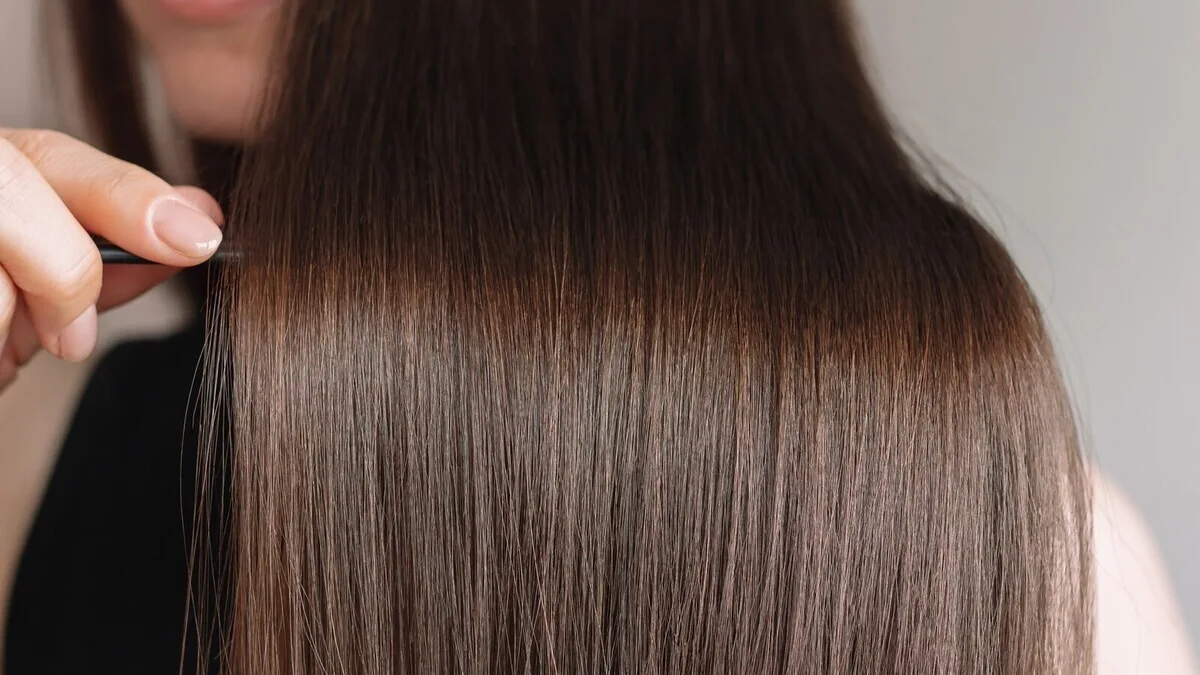
Light brown hair is a timeless choice for anyone who wants a natural-looking hair color with warmth, dimension, and subtle brightness. Sitting between dark blonde and medium brown, this versatile shade can look soft and sun-kissed, rich and glossy, or cool and understated depending on the undertones and coloring technique.
One reason light brown hair remains popular is its flexibility. It works beautifully as an all-over color, blended balayage, delicate highlights, or a darker root that gradually transitions into lighter ends. You can also customize the shade to complement your natural hair color, skin tone, and personal style.
Whether you want a noticeable change or a low-maintenance refresh, understanding the different shades of light brown hair can help you choose a result that feels flattering and easy to maintain.
What Is Light Brown Hair?
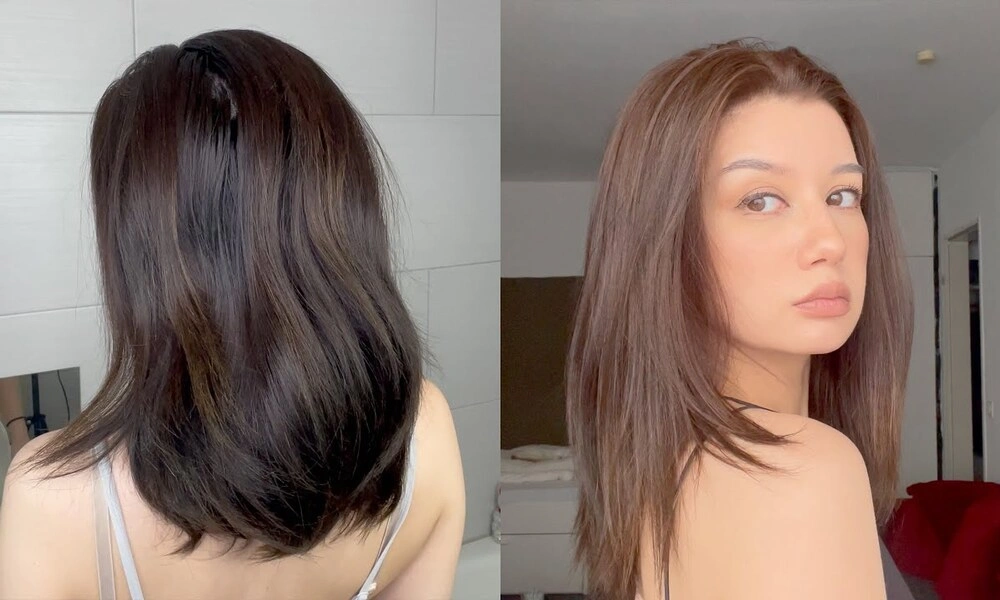
Light brown hair is a brown hair color with lighter, softer tones than traditional medium or dark brown. Depending on the formula, it can have golden, caramel, beige, ash, honey, or neutral undertones.
Some light brown shades look almost dark blonde in bright sunlight, while others retain a clearly brown appearance with a subtle golden or cool finish.
The overall result depends on three main factors:
- Depth: How light or dark the brown color appears.
- Undertone: Whether the color looks warm, cool, or neutral.
- Dimension: Whether the hair has one consistent shade or a mixture of lighter and darker tones.
These differences make light brown hair suitable for a wide range of looks, from understated natural color to more dimensional salon styles.
Best Light Brown Hair Shades to Try
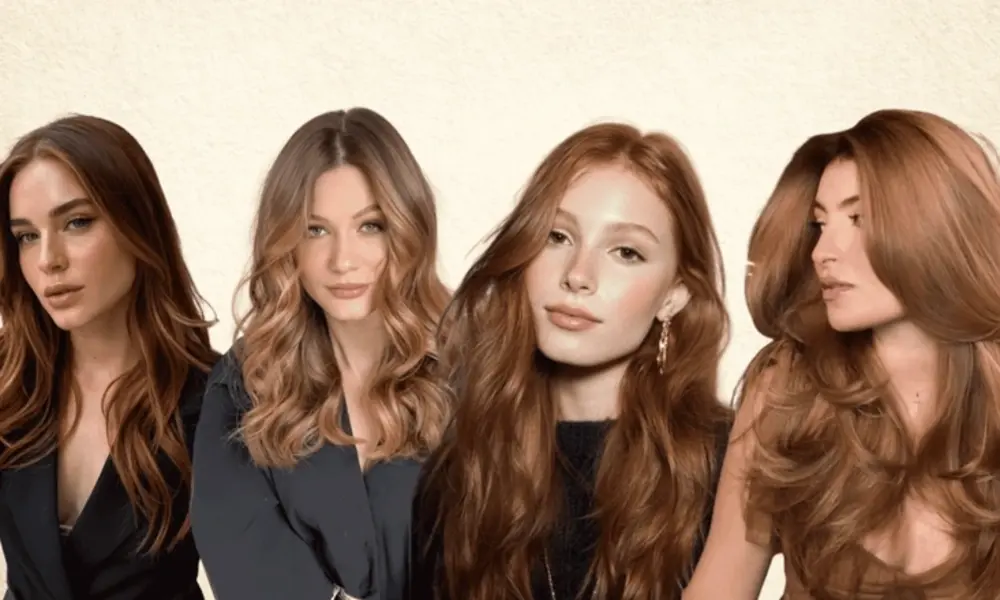
Choosing the right shade is easier when you understand how different undertones affect the final appearance.
1. Golden Light Brown Hair
Golden light brown hair features warm, sunny undertones that create a soft, luminous finish. It can make the hair look brighter without moving too far away from a natural brown base.
This shade is a good option for people who enjoy warm hair colors and want a gentle, sunlit effect. Golden tones can look particularly beautiful when paired with subtle highlights around the face. For a balanced result, ask your colorist to keep the golden tones soft rather than overly yellow.
2. Ash Light Brown Hair
Ash light brown hair has cool, muted undertones that reduce the appearance of excessive warmth. It typically creates a more understated look than golden or caramel brown.
This shade is worth considering if you prefer cool-toned hair colors or want a smoky, neutral finish. It can also work well with mushroom brown blends, where cool brown and beige tones create a multidimensional result.
Ash shades may require toning and suitable color-care products to maintain their intended appearance, especially when the underlying hair naturally pulls warm.
3. Caramel Light Brown Hair
Caramel light brown hair combines a brown base with warm, golden-brown or amber tones. It creates depth and richness while keeping the overall color relatively light.
Caramel works especially well in balayage, where lighter pieces are painted through the lengths and ends. This approach gives the hair movement without requiring every strand to be colored.If you want a warm, dimensional look rather than a single flat shade, caramel brown is an appealing option.
4. Honey Light Brown Hair
Honey light brown hair blends soft brown with golden-beige tones. Compared with deeper caramel shades, it can create a brighter, lighter-looking finish. Honey tones are often used for face-framing highlights, subtle balayage, and blended color transitions.
They can also add brightness to naturally light brown hair without making the result look dramatically blonde. The key is choosing a honey shade that complements your base color rather than creating an overly strong contrast.
5. Beige Light Brown Hair
Beige light brown hair sits between warm golden brown and cooler ash brown. Its balanced undertones can produce a soft, polished appearance. This shade is ideal for anyone who wants a neutral-looking brown without strong red, orange, or yellow tones.
It can be especially attractive in dimensional color services that combine several closely related shades. Beige brown is also a useful option when you want a refined, natural-looking result that is neither distinctly warm nor strongly cool.
Light Brown Hair Color Ideas for Different Styles
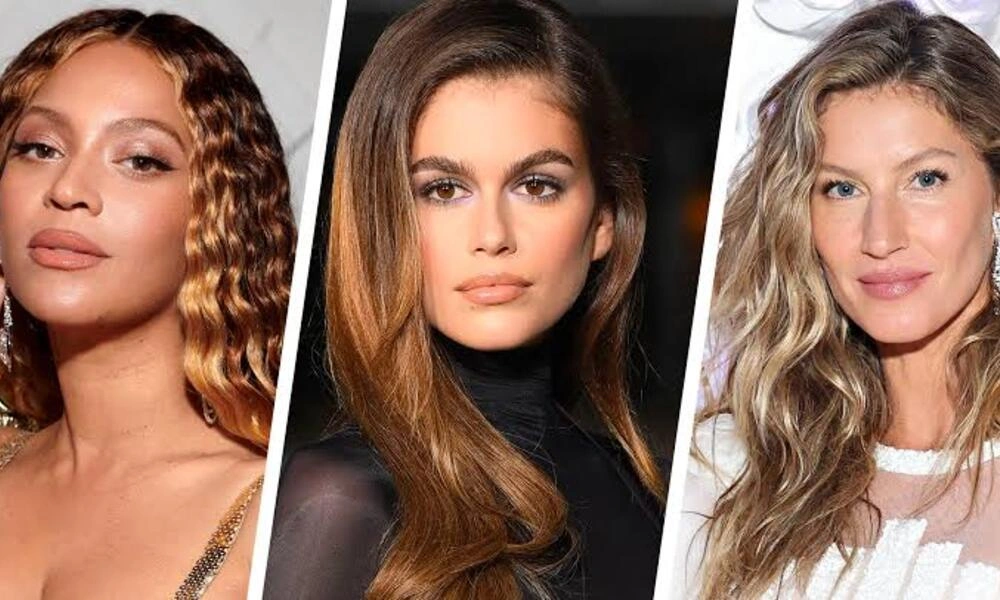
The shade you choose matters, but the coloring technique can make an equally noticeable difference.
Light Brown Hair With Blonde Highlights
Light brown hair with blonde highlights combines a brown base with lighter blonde pieces. The contrast can be subtle or pronounced depending on the brightness of the highlights. Fine highlights create a delicate, blended effect, while thicker pieces offer a more noticeable change.
For a natural result, ask for highlights that gradually blend into the base color instead of creating harsh stripes. Beige blonde, honey blonde, and soft golden blonde are all possible options, depending on your preferred undertone.
Light Brown Balayage
Balayage is a freehand coloring technique in which lighter color is painted onto selected sections of hair. On a light brown base, it can create a gradual transition from darker roots to brighter lengths. Caramel, honey, beige, and soft blonde balayage can all work beautifully with light brown hair.
Because the color is often concentrated away from the roots, balayage can be easier to grow out than an all-over color with a strong root line. However, the maintenance required depends on the amount of lightening and how blended the result is.
Light Brown Hair With Dark Roots
Keeping the roots darker than the lengths creates depth and a natural-looking transition. This style works particularly well if your natural hair is medium brown or dark brown and you want lighter ends.
A root shadow, which softly blends a darker shade into lighter hair, can help avoid an obvious line between the two colors. This technique is especially useful for people who prefer dimensional color but do not want frequent root touch-ups.
Light Brown Hair With Face-Framing Highlights
Face-framing highlights brighten the sections of hair around the face. They can be subtle and delicate or noticeably lighter than the rest of the hair.
On a light brown base, soft caramel, beige, or honey highlights can create a fresh, bright appearance. The placement matters as much as the color. Fine pieces offer a natural finish, while broader sections create a bolder effect.
Light Brown Hair With Lowlights
Lowlights introduce darker strands into lighter hair to restore depth and contrast. They can be useful when highlights have made the hair look too uniform or overly blonde.
For example, a beige light brown base with slightly deeper chocolate-brown lowlights can create a fuller-looking color pattern. Lowlights are also an option for blending previously highlighted hair into a more natural brown shade.
How to Choose Light Brown Hair for Your Skin Tone
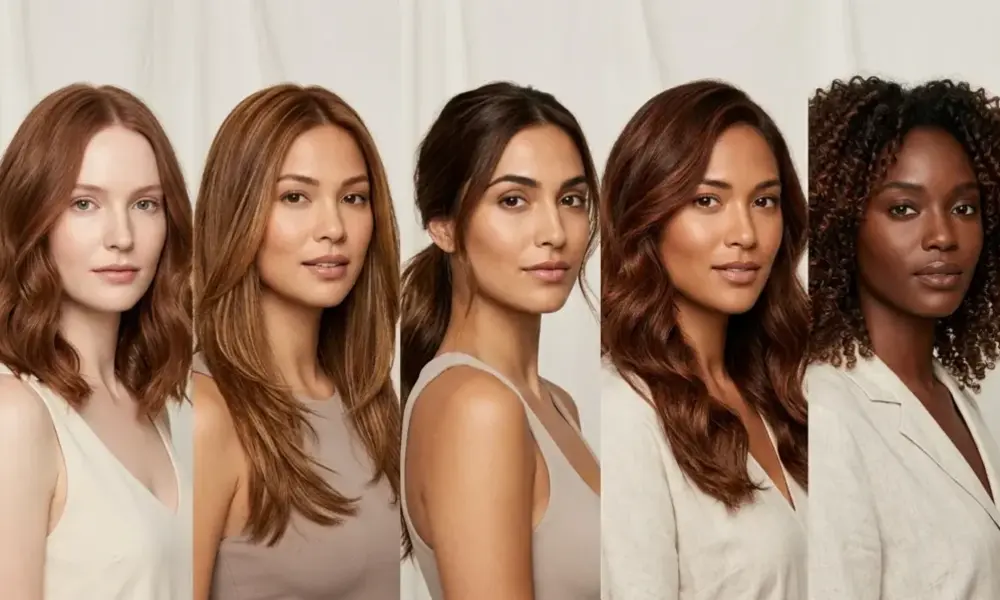
There is no single light brown shade that suits everyone. Your natural coloring, preferred makeup, wardrobe, and personal taste can all influence which shade feels right. Skin undertones can offer a helpful starting point, but they should not be treated as strict rules.
Warm Skin Undertones
Warm undertones often pair well with golden light brown, honey brown, and caramel shades. These colors can create a harmonious, sunlit appearance. If you prefer a more neutral result, beige brown may provide a useful middle ground.
Cool Skin Undertones
Cool undertones can pair well with ash brown, mushroom brown, and cooler beige shades. These colors may create a balanced contrast without adding too much visible warmth.
If you enjoy warmer shades, you can still wear caramel or golden brown. The best choice depends on the overall effect you want.
Neutral Skin Undertones
Neutral undertones offer flexibility. Natural light brown, soft chocolate, beige brown, and balanced caramel shades are all worth considering. Rather than focusing only on skin tone, compare a few color references with your natural hair color. This helps you see whether you prefer a warmer, cooler, lighter, or deeper finish.
Is Light Brown Hair Suitable for Dark Hair?
Yes, light brown hair can be achieved on naturally dark hair, but the process depends on your starting color and hair history. If your natural hair is medium brown, a relatively small color adjustment may be enough to reach a lighter brown shade. Dark brown or black hair may require lightening, particularly if you want caramel highlights or a brighter beige finish.
Previously colored hair can be more complicated because permanent dye does not reliably lighten existing artificial pigment. A professional colorist may need to remove or lift some of the previous color before applying the desired shade.
For darker hair, a gradual approach is often worth considering. Starting with caramel balayage or a few light brown highlights can add dimension without requiring an immediate, all-over transformation.
How to Maintain Light Brown Hair?
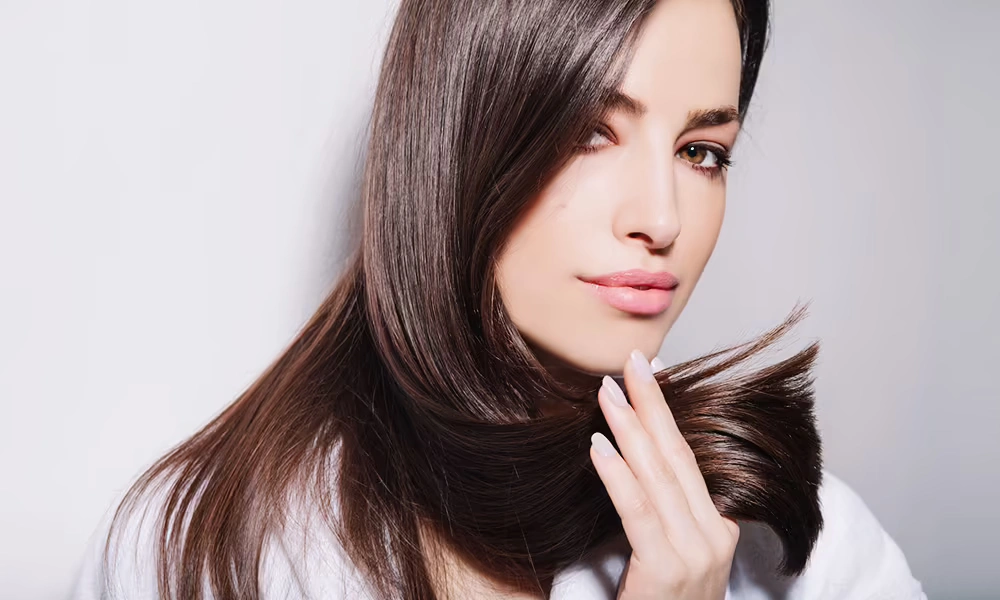
Light brown hair can remain attractive between salon visits with a consistent care routine. Maintenance is particularly important if the color involves bleach, highlights, or cool-toned formulas. Just as almond French tip nails require proper upkeep to maintain their elegant appearance, colored hair also benefits from regular care to preserve its shine, softness, and overall appearance.
Use a Gentle Shampoo and Conditioner
Choose products suitable for your hair type and color service. If your hair has been lightened, a moisturizing conditioner or treatment can help manage dryness and improve softness.
You do not necessarily need a product marketed specifically for brown hair. The most important consideration is how well the formula works for your hair’s condition.
Limit Excessive Heat Styling
Frequent high-heat styling can contribute to dryness and damage, especially in lightened hair. Use a heat protectant before blow-drying, curling, or straightening, and choose a temperature appropriate for your hair’s condition. Air-drying when practical can also reduce unnecessary heat exposure.
Protect Hair From Environmental Stress
Sun exposure, swimming, and frequent washing can affect how colored hair looks over time. When spending long periods outdoors, consider wearing a hat or using a hair product designed for UV protection. After swimming, rinse your hair with fresh water and follow up with suitable conditioning care.
Schedule Gloss or Color Refreshes When Needed
A hair gloss can enhance shine and adjust the appearance of the tone between major color appointments. It may be especially helpful if your light brown hair begins to look dull or warmer than you prefer.
The timing of a refresh depends on your technique, hair growth, washing routine, and desired finish. Balayage with a soft root transition may need less frequent maintenance than an all-over permanent color.
Use Purple or Blue Shampoo Carefully
Purple shampoo is generally intended to neutralize unwanted yellow tones in blonde or very lightened hair. Blue shampoo is often used to counter orange tones in brown hair.
Neither product is necessary for every light brown shade. Use one only if the underlying tone is becoming unwanted, and follow the product instructions to avoid excessive toning or uneven results.
Common Mistakes to Avoid When Coloring Hair Light Brown
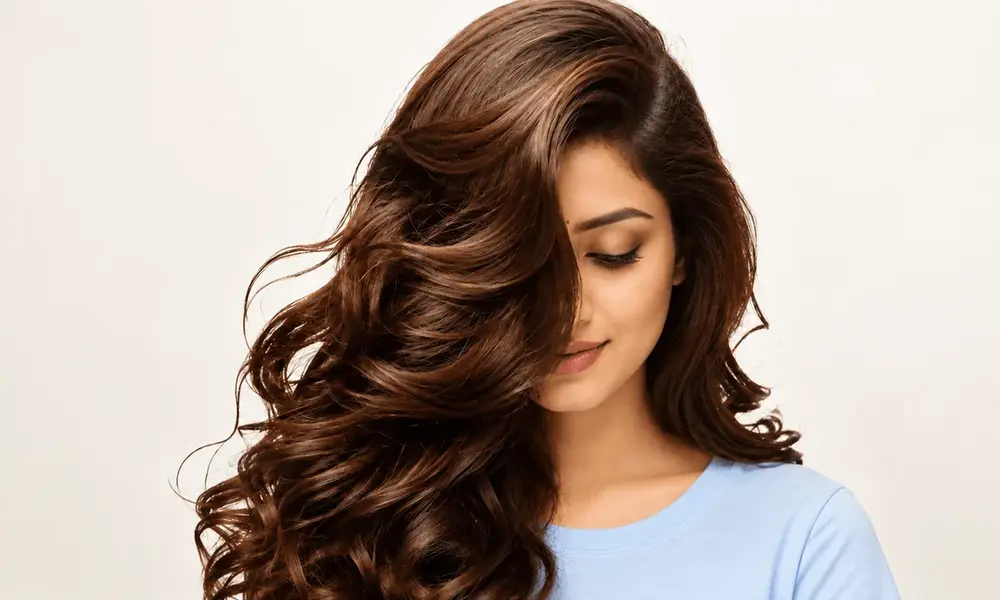
A few simple precautions can help you achieve a more predictable result.
- Choosing a shade from a photograph alone: Lighting, editing, and the model’s starting color can change how a shade appears. Ask your colorist to assess your hair in person.
- Ignoring your existing hair color: Your natural base and previous dye jobs influence how light brown color develops.
- Expecting ash brown to eliminate all warmth permanently: Underlying warm pigments may become visible as color fades, so occasional toning might be necessary.
- Going too light too quickly: Major color changes may require several sessions to protect the condition of your hair.
- Skipping a strand test when appropriate: A professional can assess how your hair responds to a proposed color process before applying it more broadly.
- Overusing toning products: Excessive use can affect the appearance of the color and may leave some hair looking dull or uneven.
If your hair is already fragile, chemically treated, or heavily colored, discuss its condition with a qualified colorist before attempting a significant change.
Frequently Asked Questions About Light Brown Hair
1. Is light brown hair considered brunette or blonde?
Light brown hair is generally classified as brunette. However, very light or golden brown shades can appear close to dark blonde, particularly in bright natural light. The exact classification depends on the shade and the way it is described by a salon or color chart.
2. Does light brown hair make you look younger?
No hair color automatically makes someone look younger. A well-chosen light brown shade can soften contrast, add brightness around the face, or create a fresh appearance. The result depends on the color’s undertone, placement, haircut, and how well it complements your natural coloring.
3. What is the difference between light brown and dark blonde hair?
Light brown hair has a brown base, while dark blonde is generally described as a deeper blonde. The two can look similar, particularly in neutral or golden shades. Comparing color swatches in natural light and discussing your preferred result with a colorist can help distinguish between them.
4. Can I get light brown hair without bleach?
Sometimes. If your natural hair is already relatively light, a suitable hair color may achieve the desired result without bleach. However, dark natural hair or previously colored hair may require a lightening process to reach certain shades. The appropriate method depends on your starting color and hair history.
5. Which light brown hair shade looks the most natural?
Natural light brown and neutral beige brown are popular choices for a subtle appearance. A shade close to your natural color, combined with softly blended highlights or lowlights, can also create a realistic result.
6. Is light brown hair high-maintenance?
Not necessarily. A single shade close to your natural color or balayage with a blended root can be relatively low-maintenance. Bright highlights, strong root contrasts, and cool-toned colors that require frequent toning may need more regular salon visits.
7. How can I make light brown hair look shinier?
Use a suitable conditioner, reduce excessive heat styling, and avoid overprocessing the hair. A salon gloss may also improve shine and refresh the color’s appearance. Healthy-looking hair generally benefits from gentle handling and products suited to its texture and condition.
Final Thoughts
Light brown hair offers an appealing balance between depth and brightness, making it a versatile option for subtle color changes and more dimensional styles. Golden, caramel, honey, ash, beige, and chocolate variations each create a different effect, while balayage, highlights, and lowlights add further opportunities for customization.
The best choice is the one that complements your starting hair color, suits your preferred level of maintenance, and leaves your hair in good condition. Before committing to a major change, compare shades in natural light and discuss your color goals with a professional stylist.
If you prefer a dimensional look with softly blended highlights, balayage hair is another beautiful option to consider. With the right shade and a consistent care routine, light brown hair can look polished, natural, and beautiful.
