
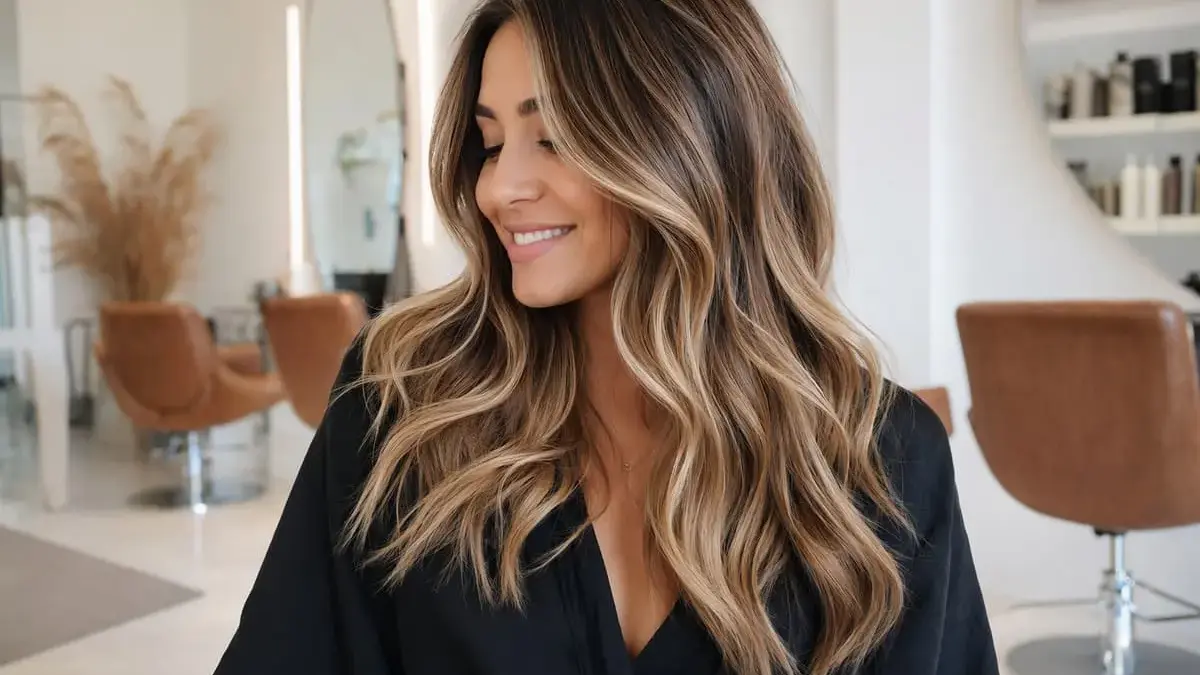
Balayage hair is a popular hair-coloring technique known for its soft, natural-looking highlights and seamless color transitions. Unlike traditional highlights, which are often applied in uniform sections, balayage allows a stylist to paint color onto selected strands to create a customized, sun-kissed effect. The result can range from subtle brightness to a dramatic blend of contrasting shades.
One reason balayage remains appealing is its versatility. It works across different hair lengths, textures, and base colors, making it suitable for people who want a fresh look without committing to frequent root touch-ups. Whether you prefer warm caramel tones, cool blonde highlights, or rich brunette shades, balayage can be tailored to your personal style.
Understanding the technique, choosing a flattering color, and following the right maintenance routine can help you get the results you want. This guide covers everything you need to know before booking a balayage appointment.
What Is Balayage Hair?
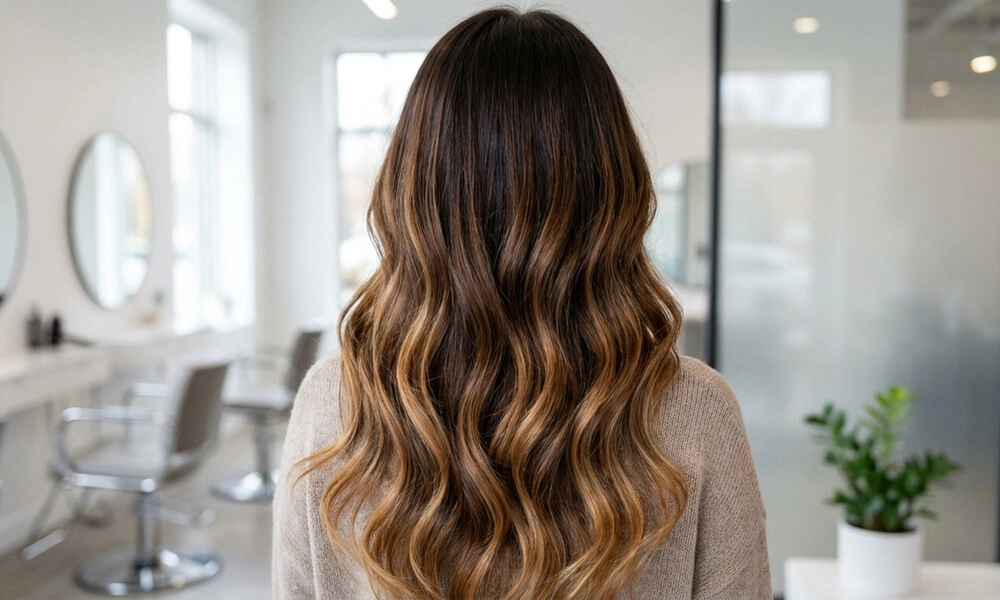
Balayage is a hair-coloring technique in which a stylist hand-paints lightener or color onto selected sections of hair. The word comes from the French term meaning “to sweep,” referring to the sweeping motion used to apply the product.
The technique creates a graduated effect, with lighter pieces blending into the natural base color rather than forming clearly defined stripes. The placement depends on the desired result, with some stylists concentrating brightness around the face, through the mid-lengths, or toward the ends.
Balayage is not a single hair color. It describes how color is applied, so the final look can include blonde, brown, caramel, copper, or other complementary shades.
How Is Balayage Different From Traditional Highlights?
Traditional highlights are commonly applied using foils to lighten specific sections of hair from near the roots through the lengths. This method can produce a more uniform, structured result.
Balayage generally focuses on creating a softer, more blended appearance. Because the color placement can vary from section to section, the result often looks more dimensional and less uniform.
Neither technique is automatically better. Foil highlights may be ideal for someone seeking an all-over blonde appearance or significant brightness close to the roots, while balayage is often preferred for a customized, blended finish.
Popular Balayage Hair Styles and Colors
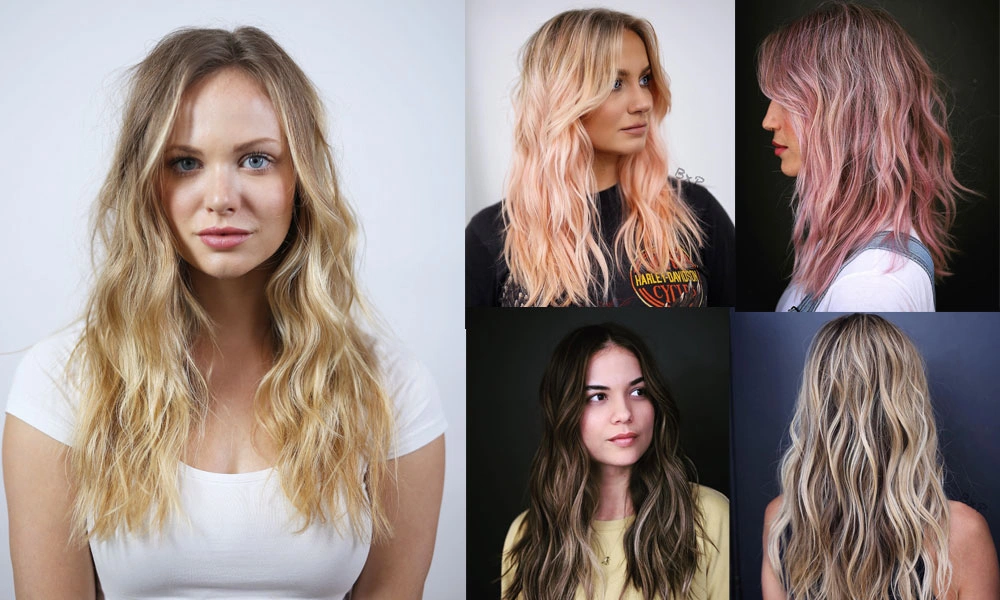
The best balayage shade depends on your natural hair color, desired level of contrast, skin undertone, and maintenance preferences. Here are several popular options to consider.
1. Blonde Balayage
Blonde balayage adds lighter pieces to the hair while preserving some of the natural base color. It can create anything from a soft, beach-inspired finish to a brighter, more noticeable blonde transformation.
Beige, honey, champagne, and ash blonde are common options. Warmer blondes can create a golden glow, while cooler shades offer a more muted appearance.
Blonde balayage may require additional lightening, particularly on naturally dark hair. Your stylist can help determine how light you can go while keeping your hair in good condition.
2. Caramel Balayage
Caramel balayage is an excellent option for brunettes who want warmth and dimension without becoming blonde.The technique blends golden-brown or caramel highlights into a darker base, creating a rich finish that can look especially beautiful on medium-brown and dark-brown hair.
For a subtle result, choose fine caramel ribbons throughout the mid-lengths and ends. For more contrast, add brighter pieces around the face.
3. Brown Balayage
Brown balayage introduces lighter or deeper brown tones to create dimension without a dramatic color change.Chocolate, mocha, chestnut, and hazelnut shades can complement a brunette base. This option is particularly appealing to people who want their hair to look richer and more textured while maintaining an overall brunette appearance.
Brown balayage can also be a practical choice for those who prefer a relatively understated color transformation.
4. Balayage for Black Hair
Balayage on black hair can create a striking dimension when the highlights are carefully selected.Caramel, chocolate, chestnut, and deep mocha tones offer a softer contrast, while lighter beige or ash shades produce a more noticeable transformation.
Achieving lighter colors on naturally black hair may require several appointments, depending on its condition and previous color treatments. Gradual lightening can help reduce unnecessary damage and produce a more controlled result.
5. Ash Blonde Balayage
Ash blonde balayage features cool, muted blonde tones that can reduce the appearance of excessive warmth.It is often chosen by people who prefer a sophisticated, neutral, or cool-toned finish. However, ash shades can look different depending on your natural hair color and skin undertone.Cool blonde balayage may require toning and suitable home care to maintain its intended shade.
Benefits of Balayage Hair
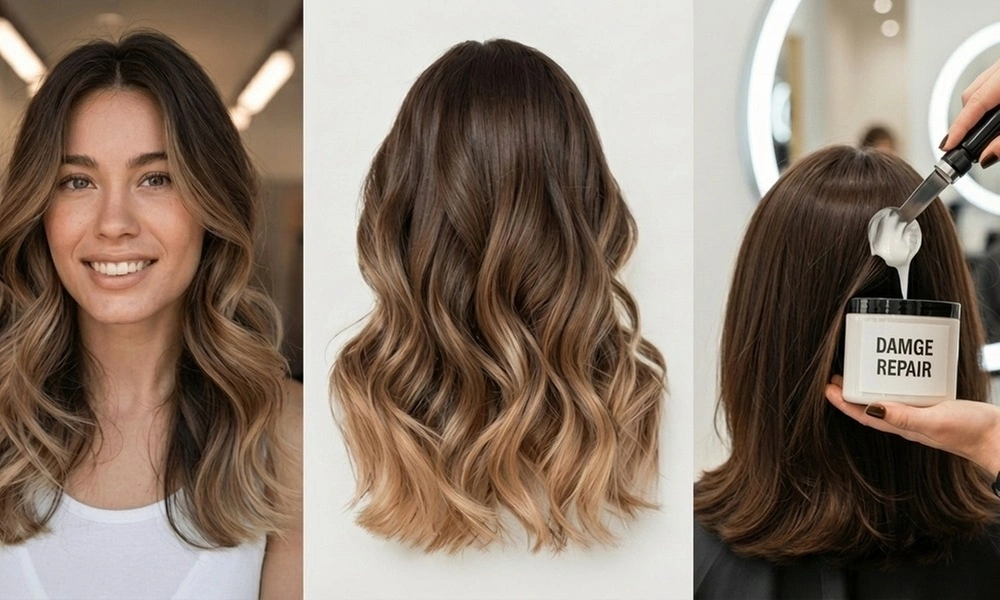
Balayage offers several advantages, although the results depend on the technique, hair condition, and color selected.
A Natural-Looking Finish
The hand-painted placement can create soft transitions between the base color and lighter sections. This makes balayage a good choice for people who want dimension without the appearance of sharply defined highlights.
Less Noticeable Regrowth
Because balayage often leaves some of the natural color near the roots, regrowth can appear more blended than it does with uniform root-to-tip highlights.
This does not mean every balayage style is maintenance-free. High-contrast colors, root lightening, and bright blonde results may still require regular salon visits.
Customizable Color Placement
A stylist can adjust the placement, brightness, and tone to suit your haircut and preferred look.For example, subtle highlights can create understated dimension, while brighter sections around the face can make the overall style more noticeable.
Versatility Across Hair Types
Balayage can be adapted to straight, wavy, curly, and coily hair. The placement should account for how the hair naturally falls, curls, or moves so the color enhances its shape.It can also work on different lengths, from short bobs to long layered styles.
Balayage vs. Ombre vs. Traditional Highlights
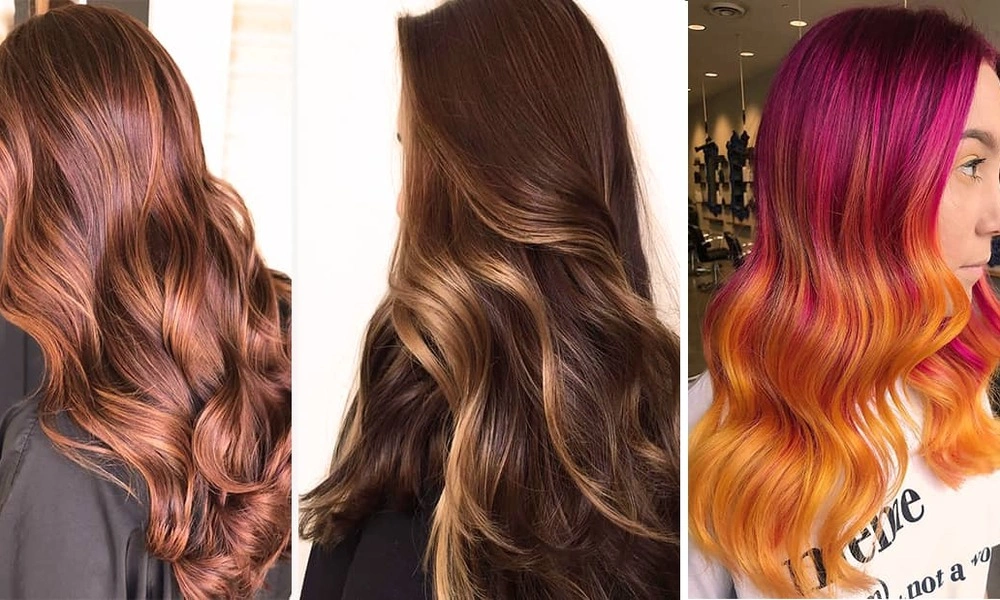
These three coloring techniques can produce different results, even when they use similar shades.
| Feature | Balayage | Ombre | Traditional Highlights |
| Application | Color is painted onto selected sections | Color transitions from darker roots to lighter ends | Selected sections are commonly lightened using foils |
| Overall effect | Soft, dimensional highlights | Noticeable gradient from dark to light | More uniform, defined highlights |
| Root appearance | Often blended with the natural base | Usually darker than the ends | Depends on placement and technique |
| Customization | Highly customizable | Focuses on an overall color transition | Customizable by section and brightness |
| Maintenance | Often moderate, depending on contrast | Depends on the root-to-end contrast | May require frequent touch-ups when highlights begin near the roots |
Choose balayage if you want blended highlights with customized placement. Ombre may suit you if you prefer a more obvious transition between darker roots and lighter ends. Traditional highlights are worth considering if you want a brighter, more consistent result throughout your hair.
Your stylist can also combine techniques. For example, a balayage service may include foils or a root shadow to achieve a particular finish.
How Much Does Balayage Hair Cost?
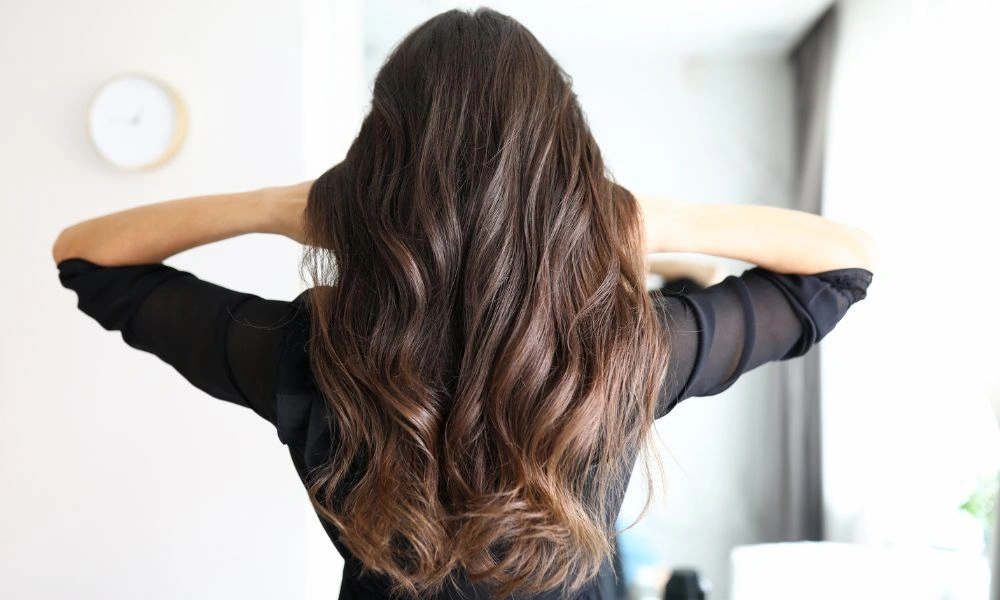
Balayage prices vary by salon, location, stylist experience, hair length, hair density, and the amount of lightening required. A subtle balayage refresh may cost less than a complete transformation from dark hair to bright blonde. Additional services, such as toning, glossing, root blending, or a haircut, can increase the total price.
Before booking, ask what the quoted service includes. Some salons price balayage as a package, while others charge separately for toner, extra product, or additional lightening sessions. It is also worth considering maintenance expenses. Purple shampoo, color-safe conditioner, salon glosses, and occasional treatments may add to the long-term cost.
For an accurate estimate, share a current photo of your hair and a reference image showing your desired result. Your stylist can then assess the work involved and explain whether the transformation is realistic in one appointment.
How Long Does Balayage Last?
Balayage can remain visually attractive for several months, depending on the original color, contrast, hair growth, washing habits, and maintenance routine. The highlights themselves do not disappear as your hair grows, but the color may fade or become warmer over time. Natural regrowth can also change the overall appearance.
Some people schedule a full balayage appointment only occasionally and maintain the look with toner or glossing between visits. Others prefer more frequent appointments to keep their blonde brighter or their color more defined.
Just as pink French tip nails can benefit from regular upkeep to maintain their polished appearance, balayage also requires consistent care. Your stylist can recommend a schedule based on your chosen shade and how quickly you want to refresh it.
How to Maintain Balayage Hair?
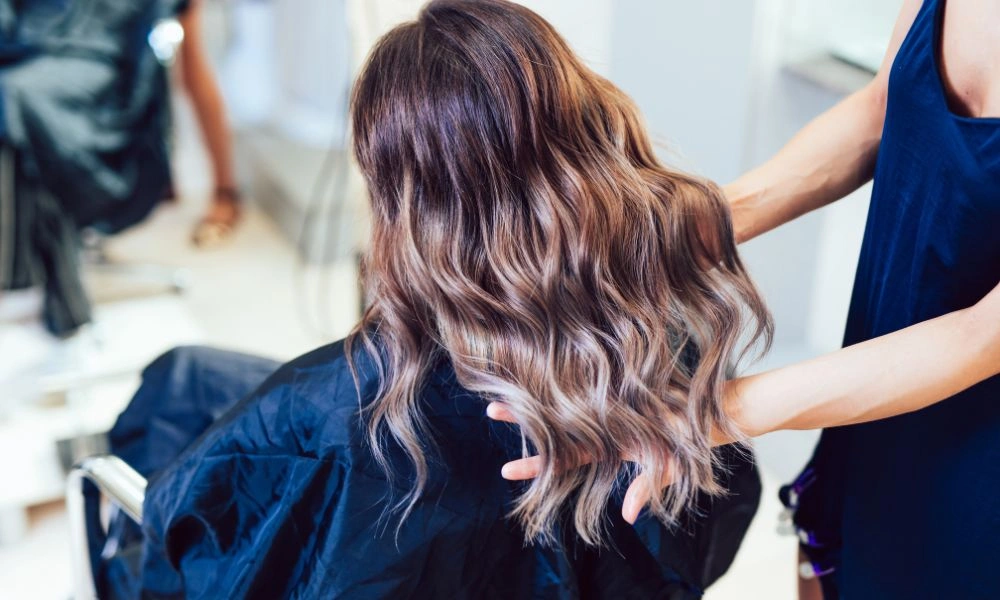
Proper care helps preserve the tone and appearance of balayage while limiting unnecessary stress on the hair.
Use Color-Safe Shampoo and Conditioner
Choose products designed for color-treated hair. Gentle cleansing and regular conditioning can help maintain softness and reduce dryness. You may not need to wash your hair every day. Adjust your routine to your scalp’s needs, activity level, and hair texture.
Protect Hair From Heat
Frequent use of straighteners, curling irons, and high-heat blow-drying can contribute to dryness and breakage, especially after lightening. Use a heat protectant and choose a temperature appropriate for your hair. When possible, alternate heat styling with air-drying or lower-heat techniques.
Use Purple Shampoo When Appropriate
Purple shampoo can help neutralize unwanted yellow tones in some blonde or highlighted hair. It is not necessary for every balayage color. Use it according to the product instructions, since excessive use may leave some hair looking dull or slightly violet. For caramel, copper, and warm brown balayage, a different color-care approach may be more suitable.
Schedule Toner or Gloss Appointments
A toner or gloss can refresh the tone and improve the overall appearance of faded highlights. It does not necessarily lighten the hair further. Ask your stylist whether you need a toner, a gloss, a root blend, or a full balayage refresh. These services serve different purposes and may have different costs.
Condition Regularly
Lightening can make hair more vulnerable to dryness and breakage. A suitable conditioner or occasional deep-conditioning treatment can help improve manageability.If your hair feels unusually fragile, avoid additional chemical processing until a stylist has assessed its condition.
Is Balayage Suitable for Your Hair?
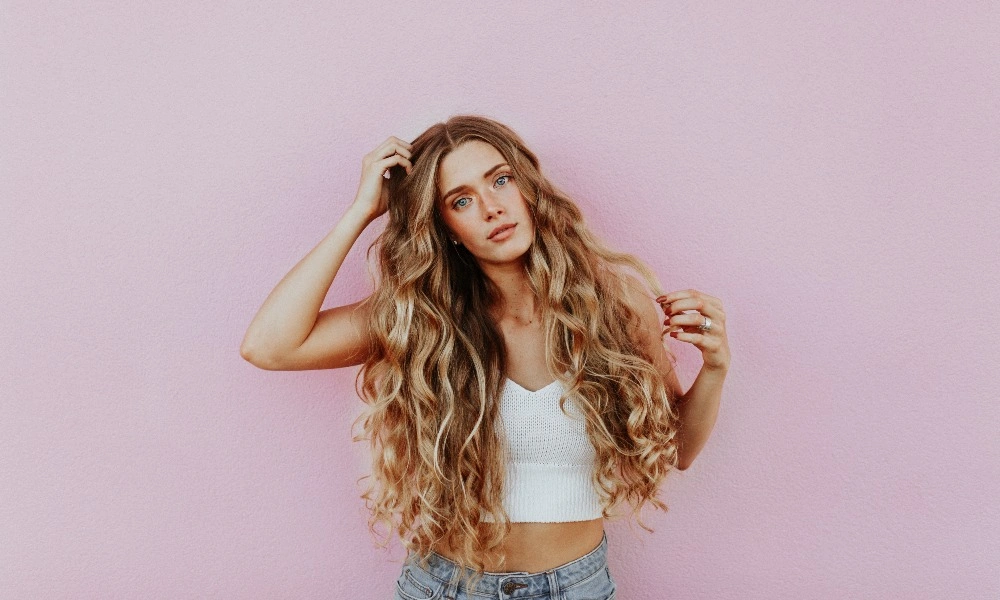
Balayage can work for many people, but the best technique depends on your starting point and your expectations. Just as choosing the right Valentine’s Day nail designs involves considering your personal style, selecting the right balayage shade requires understanding your natural hair color, texture, and desired finish.
For naturally dark hair: Choose a realistic target shade and ask whether multiple sessions are needed. Trying to achieve very light blonde hair in one appointment may compromise the condition of some hair types.
For naturally blonde hair: Subtle beige, champagne, or golden pieces can add dimension without a dramatic change.
For curly or textured hair: Color placement should follow your curl pattern and natural shape. A stylist experienced with your hair texture can help create a balanced dimension.
For previously colored hair: Tell your stylist about past dye, bleach, henna, or chemical treatments. Existing color can affect how the hair lightens, and the results may be less predictable than on untreated hair.
For low-maintenance styling: Ask for a blended root and softer contrast. These choices can make regrowth less noticeable, although some upkeep will still be necessary.
Common Balayage Mistakes to Avoid
A few simple precautions can help you get a result that suits your hair and lifestyle.
- Choosing a shade without considering your base color: Reference photos are helpful, but the same shade may look different on different starting colors.
- Expecting an exact copy of an inspiration photo: Hair history, texture, lighting, and styling all influence the final result.
- Ignoring hair condition: Hair that is already damaged may need a gentler or more gradual approach.
- Overusing toning products: Too much purple shampoo or other toning products can affect the intended shade.
- Skipping aftercare: Lightened hair generally benefits from conditioning, careful heat styling, and suitable color-care products.
- Choosing a stylist based only on price: Look for examples of the stylist’s work, particularly on hair with a similar starting color and texture.
A consultation before your appointment gives you the opportunity to discuss your expectations, budget, maintenance preferences, and any concerns about damage.
Frequently Asked Questions About Balayage Hair
1. Is balayage better than highlights?
Neither is universally better. Balayage is often preferred for soft, blended color and less noticeable regrowth, while traditional highlights can create more uniform brightness. The best choice depends on your desired appearance and maintenance routine.
2. Does balayage damage your hair?
Balayage can cause dryness, breakage, or other chemical damage when lightener is used. The risk depends on the strength of the products, processing time, existing hair condition, and how much the hair is lightened. A professional assessment and realistic color goal can help reduce unnecessary damage.
3. Can you get balayage on dark hair?
Yes. Balayage can be applied to dark brown and black hair using shades such as chocolate, caramel, chestnut, or blonde. Very light results may require multiple appointments, particularly if the hair has previously been colored.
4. How often should balayage be touched up?
Many people refresh balayage every few months, but there is no universal schedule. Subtle, blended styles may need less frequent salon maintenance than bright blonde or high-contrast looks. Toner or gloss appointments can sometimes refresh the color without repeating the full service.
5. Is balayage suitable for short hair?
Yes. Balayage can enhance bobs, lobs, pixie cuts, and other short hairstyles. The color needs to be placed carefully because shorter lengths offer less space for a gradual transition.
6. Can balayage cover gray hair?
Balayage can blend gray strands by adding complementary highlights, but it does not necessarily provide complete gray coverage. If you want to cover a large amount of gray hair, your stylist may recommend combining balayage with root color or another coloring technique.
7. Is balayage high-maintenance?
Balayage is often less demanding than some full-root highlighting services because the natural base can remain visible. However, maintenance depends on your chosen shade, the amount of contrast, and how well you want the color to retain its original tone.
Final Thoughts
Balayage hair offers a flexible way to add color, brightness, and dimension without creating a uniform highlight pattern. From caramel balayage on brunette hair to cool blonde pieces or copper accents, the technique can be adapted to a wide range of styles.
The key is choosing a color that complements your natural base, setting realistic expectations, and working with a stylist who understands your hair’s condition and texture. Consider your budget and maintenance preferences before committing to a dramatic transformation.
Just as black nails offer a bold yet timeless beauty statement, thoughtfully chosen balayage colors can refresh your hairstyle with a soft, customized finish. With careful color placement and consistent aftercare, you can enjoy beautiful, dimensional hair that suits your personal style.
