
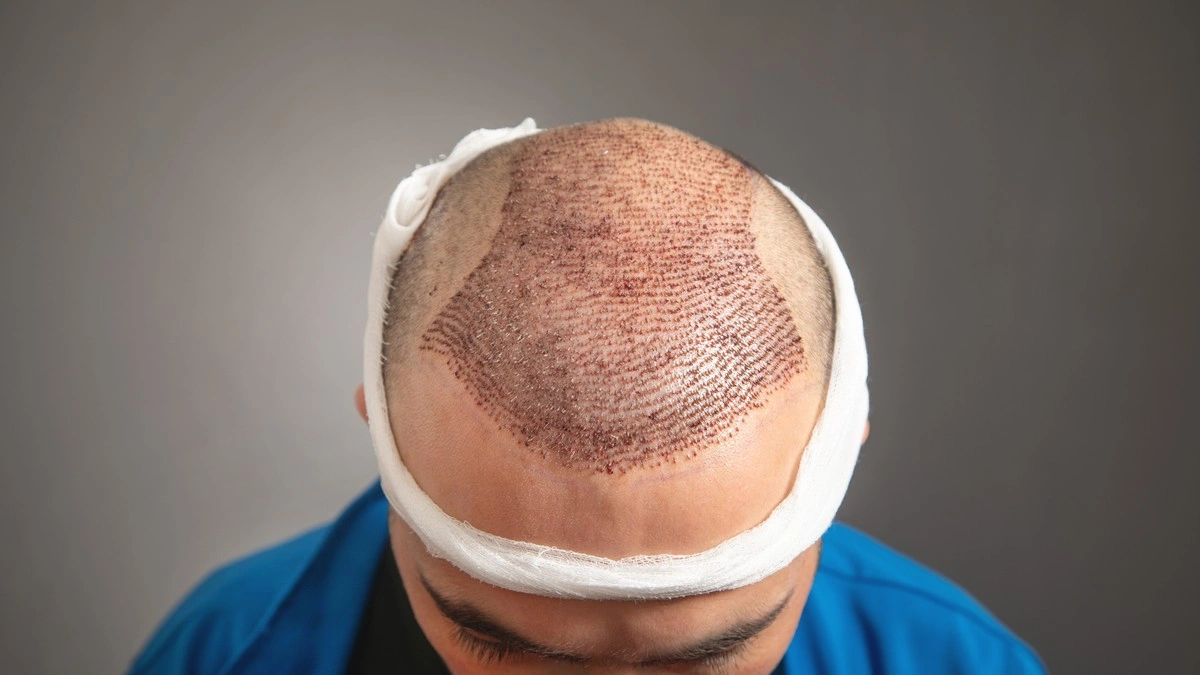
Hair loss affects millions of men and women across the globe. For many people, thinning hair or a receding hairline creates emotional distress, reduced confidence, and ongoing frustration with temporary remedies. Fortunately, modern medical science offers safe, effective, and permanent solutions. A hair transplant is a specialized surgical procedure that moves healthy, living hair follicles from dense areas of your scalp to regions suffering from thinning or pattern baldness.
Unlike temporary topical serums, special shampoos, or concealers that require daily application, modern hair restoration creates authentic, natural-looking results that endure for a lifetime. When a skilled medical specialist performs the procedure, your new hairline seamlessly blends with your existing features.
Whether you deal with male pattern baldness, female diffuse hair thinning, or localized hair loss from an injury, you need a clear understanding of how hair restoration works before scheduling a consultation. Consequently, this complete guide covers surgical techniques, candidacy requirements, financial cost factors, post-operative recovery timelines, essential aftercare habits, and practical tips for choosing the right clinic.
What Is a Hair Transplant?
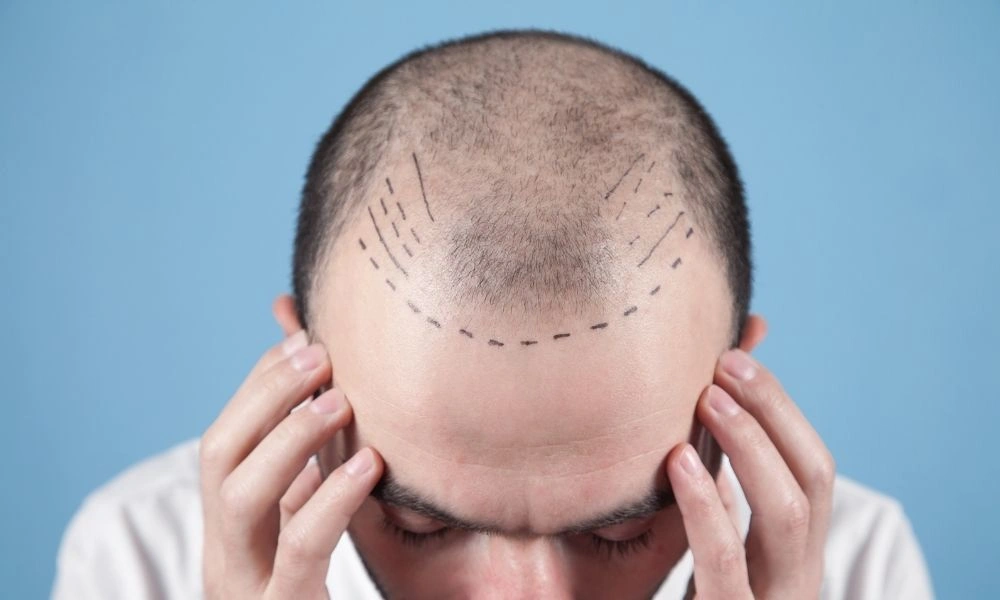
A hair transplant is a minor outpatient surgical procedure that transfers individual hair follicles or small groups of follicles from a designated “donor site” to a bald or thinning “recipient site.” Surgeons almost always choose the back and lower sides of the head as donor zones.
The hair follicles located in these specific regions possess unique biological properties. Specifically, they naturally resist dihydrotestosterone (DHT), which is the primary hormone responsible for androgenetic alopecia (common pattern baldness).
Because donor hair follicles retain their genetic programming even after relocation, they continue to produce strong, healthy hair shafts when integrated into the recipient zone. As a result, the newly transplanted hair stays healthy and continues its natural growth cycle for your entire lifetime.
Understanding Hair Loss and Pattern Baldness
To appreciate how hair restoration succeeds, you must first understand why hair loss occurs. Androgenetic alopecia affects up to 80% of men and 50% of women at some point in their lives.
In individuals genetically susceptible to pattern baldness, DHT binds to receptors in hair follicles along the crown, top, and hairline. Over time, this hormone causes the follicles to shrink, or “miniaturize.” Consequently, the growing phase of each hair becomes shorter, while the hair shafts become progressively thinner, shorter, and less pigmented. Eventually, affected follicles cease producing visible hair entirely.
Because hair loss is often progressive, a hair transplant does not treat the underlying hormonal sensitivity of your non-transplanted native hair. Instead, it strategically redistributes permanent, DHT-resistant roots to reconstruct natural coverage where loss has already occurred.
Primary Hair Transplant Techniques: FUE vs. FUT
Modern hair restoration clinics rely primarily on two established surgical methods: Follicular Unit Extraction (FUE) and Follicular Unit Transplantation (FUT). Both approaches deliver excellent long-term density and permanent growth, but their extraction styles, recovery demands, and visual outcomes differ significantly.
1. Follicular Unit Extraction (FUE)
In Follicular Unit Extraction, the surgeon uses a specialized micro-punch tool (ranging from 0.7mm to 1.0mm in diameter) to remove individual hair graft units directly from the scalp.
-
Pros: FUE leaves tiny, circular micro-scars that scatter across the donor area. These tiny dots remain virtually invisible to the naked eye, even if you wear very short haircuts. In addition, patients enjoy rapid initial healing times and minimal post-operative discomfort.
-
Cons: The individual extraction process takes considerably more time per session compared to strip harvesting. Therefore, FUE often costs slightly more money per graft.
-
Best For: FUE works best for active individuals, patients who prefer short hairstyles, people requiring smaller to moderate graft numbers, or those who want a swift return to physical work.
2. Follicular Unit Transplantation (FUT or Strip Method)
In Follicular Unit Transplantation, the surgeon removes a single strip of skin containing dense, healthy hair from the donor zone at the back of the head. Afterward, trained surgical technicians divide the strip into individual follicular unit grafts under high-powered microscopes while the surgeon closes the donor incision with fine sutures.
-
Pros: FUT allows surgical teams to harvest a maximum volume of high-quality grafts in a single efficient session. Consequently, it works extremely well for advanced hair loss cases and typically offers a lower overall cost per graft.
-
Cons: The procedure leaves a thin, linear scar across the back donor zone. While hair easily covers this scar, it can show if you shave your head or cut your hair very short.
-
Best For: FUT suits patients who need maximum graft coverage, individuals with extensive baldness, or people who plan to wear medium to long hair styles.
Who Is a Good Candidate for a Hair Transplant?
While hair restoration surgery achieves remarkable outcomes, not everyone experiencing hair loss can undergo the procedure immediately. Surgeons carefully evaluate several medical factors to ensure long-term satisfaction:
-
Adequate Donor Hair Supply: You must possess sufficient high-density hair in the back and sides of your head to cover your present and expected future bald spots.
-
Stabilized Hair Loss: Candidates with steady, predictable hair loss patterns achieve superior aesthetic results compared to very young patients whose hair loss patterns remain rapidly active.
-
Good Overall Physical Health: Candidates must have well-managed health conditions to handle local anesthesia safely and ensure optimal wound healing.
-
Realistic Aesthetic Expectations: Surgical transplantation moves existing hair roots around your head; it cannot manufacture brand-new hair roots out of thin air.
The Step-by-Step Procedure
Knowing what to expect during your surgery day relieves anxiety and prepares you for a comfortable experience. Understanding your hair type, including characteristics associated with low-porosity hair, can also help you make informed decisions about post-transplant hair care.
-
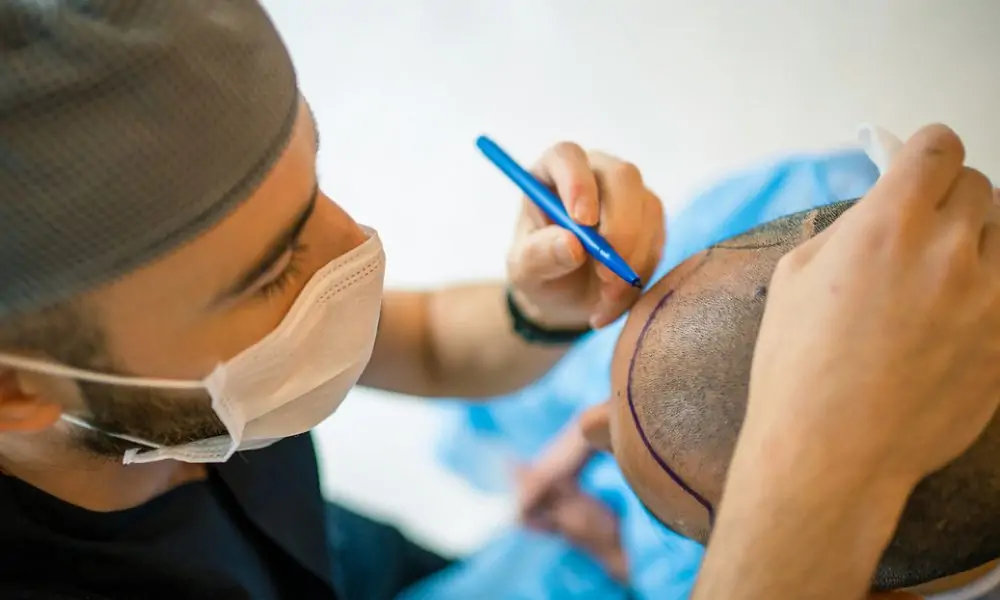
Initial Consultation and Hairline Design: The surgeon evaluates your donor scalp density, calculates the required graft numbers, and customizes a natural hairline that matches your facial proportions and age.
-
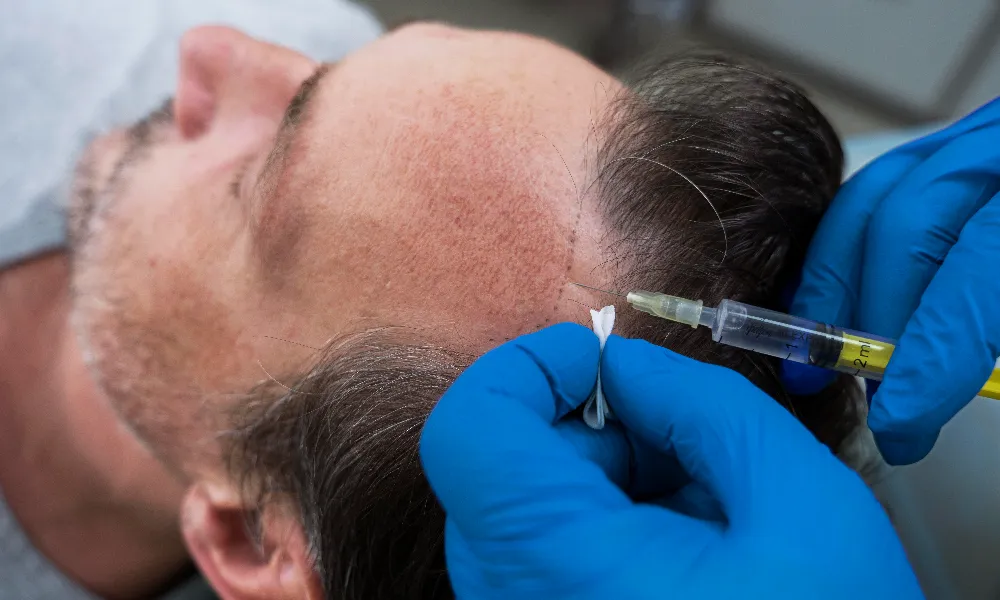
Administration of Local Anesthesia: The medical team applies local anesthesia to both the donor and recipient areas. Consequently, you remain completely conscious and comfortable without feeling pain during the procedure.
-
Graft Extraction Phase: Depending on your chosen technique, the doctor harvests individual hair grafts using FUE micro-punches or extracts a single donor strip via FUT.
-
Microscopic Recipient Site Creation: The surgeon creates microscopic openings across the recipient area, carefully mimicking your natural hair angle, growth direction, and density distribution.
-
Precision Graft Placement: The surgical staff uses fine forceps to place each individual hair unit gently into the prepared recipient channels.
Recovery Timeline and Growth Expectations
Hair restoration requires patience because new growth follows a natural biological cycle over many months:
| Recovery Timeline | Expected Stage and Progress |
| Days 1–7 | Scalp swelling, redness, and mild soreness occur. Small scabs form around each planted graft. |
| Weeks 2–4 | Initial healing finishes. Temporary “shock loss” occurs, where transplanted hair shafts shed while roots remain safe beneath the skin. |
| Months 3–4 | New hair growth gradually begins. The first emergent hairs often look soft, thin, and pale. |
| Months 6–9 | Transplanted hair grows significantly longer, darker, and thicker across all treated areas. |
| Months 12–18 | Final results appear, displaying full hair density, natural texture, and complete growth maturity. |
Key Factors That Influence Hair Transplant Costs
The total cost of hair restoration surgery varies widely based on individual circumstances and geographic details:
-
Total Volume of Grafts Needed: Medical clinics typically calculate costs based on how many individual grafts your scalp requires to achieve natural density.
-
Chosen Surgical Technique: FUE generally costs more than FUT because individual root extraction takes extra time, labor, and delicate precision.
-
Surgeon Expertise and Reputation: Highly qualified, board-certified hair specialists charge higher fees reflecting their artistic talent, clinical experience, and safety standards.
-
Clinic Location: Regional economic factors, local real estate overhead, and national demand heavily affect final surgical pricing.
Essential Post-Operative Care Tips
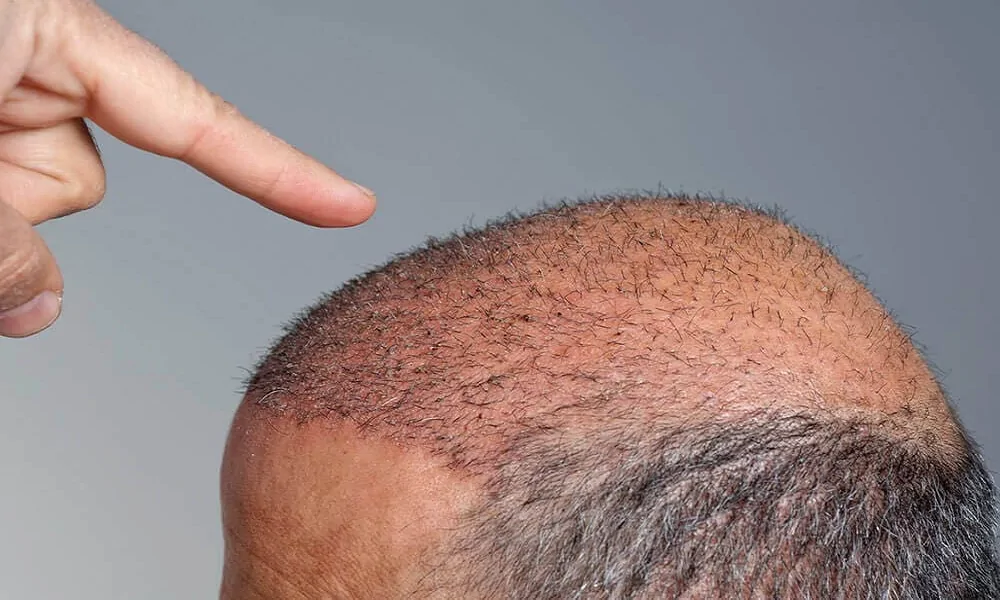
Your personal care routine following surgery plays a critical role in protecting new grafts and ensuring maximum survival rates:
-
Protect the Recipient Area: Avoid touching, rubbing, or scratching the newly planted hair roots for the first seven days.
-
Sleep in an Elevated Position: Keep your head elevated at a 45-degree angle using extra pillows for 3 to 5 nights to limit facial and scalp swelling.
-
Wash Your Scalp Gently: Clean your head using a mild shampoo and gentle cup-rinsing techniques recommended by your medical team.
-
Avoid Strenuous Physical Exercise: Refrain from heavy lifting, high-intensity workouts, and activities that induce heavy sweating for at least two weeks.
-
Limit Direct Sun Exposure: Shield your healing scalp from direct sunlight by wearing a loose-fitting hat after your surgeon approves it.
Common Mistakes to Avoid
-
Selecting Clinics Solely Based on Low Price: Choosing cheap, low-quality clinics often results in unnatural hairline designs, poor graft survival rates, or severe scarring.
-
Ignoring Ongoing Native Hair Loss: Surgery restores lost hair in specific spots, but it does not stop ongoing loss in untreated areas. Therefore, combining surgery with doctor-approved hair loss treatments helps preserve your natural hair.
-
Expecting Immediate Hair Density: Expecting fast results leads to unnecessary stress. Consequently, you must trust the natural hair growth cycle as your roots settle and grow.
Comparing Medical Hair Treatments vs. Surgical Restoration
While hair transplants provide the only permanent solution to restore hair to completely bald areas, medical non-surgical treatments play a valuable supporting role in comprehensive scalp care.
Topical solutions like minoxidil help increase blood flow to struggling hair follicles, extending their active growth phase. Oral medications like finasteride work internally to reduce DHT levels in the scalp, preventing further miniaturization of native hair. Many surgeons recommend combining these medical therapies with a surgical hair transplant. This dual strategy restores lost density through surgery while preserving your surrounding natural hair for decades to come.
How to Select the Right Hair Restoration Clinic?
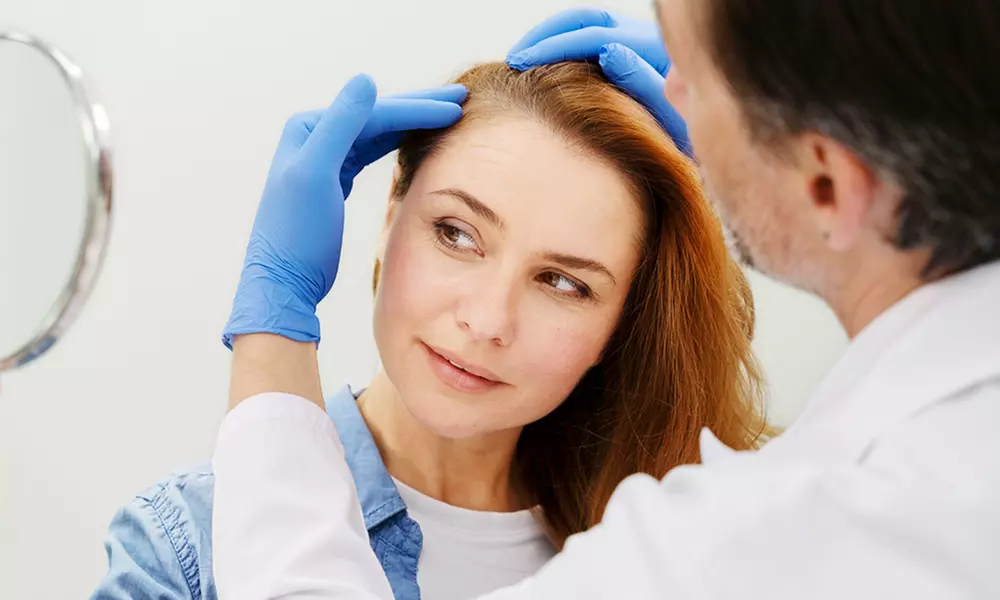
Choosing a qualified medical facility and an experienced surgeon is the single most important decision in your hair restoration journey. Because hair transplantation requires artistic judgment alongside surgical skills, careful research protects your safety and helps ensure aesthetic success. Understanding different hair characteristics, including natural shades such as brown hair, can also help you make more informed decisions about your desired appearance.
-
Verify Medical Credentials: Confirm that your surgeon holds board certifications in dermatology or plastic surgery and possesses specialized training in hair restoration.
-
Review Real Patient Outcomes: Examine comprehensive before-and-after photo galleries featuring clear lighting, consistent angles, and realistic density results.
-
Inquire About the Surgical Team: Ensure that the head doctor performs crucial steps, such as hairline design, graft extraction, and recipient site creation, rather than handing the work off to unlicensed assistants.
-
Assess Communication and Ethics: A trustworthy doctor will provide a realistic appraisal of your donor area, discuss potential risks openly, and refuse surgery if you are not a suitable candidate.
Frequently Asked Questions
Is a hair transplant permanent?
Yes. Transplanted hair roots come from donor zones that resist DHT. Therefore, the newly planted hair continues growing normally for your entire life.
Is the surgery painful?
Surgeons use local anesthesia to numb both the donor and recipient sites. As a result, the procedure feels comfortable. You may experience mild scalp tightness for a few days afterward, which standard pain medication manages easily.
How long does a single hair transplant session take?
Most sessions take between 4 and 8 hours depending on your chosen surgical method and the total graft count required for your scalp.
Will my transplanted hair look completely natural?
When an experienced hair surgeon designs the hairline and matches your natural hair growth direction, the results look completely natural and seamless.
Can women undergo hair transplant surgery?
Yes. Women with stable donor hair in the back of the head can safely receive hair transplants to fix diffuse thinning, localized loss, or high hairlines.
When can I return to work after surgery?
Most patients return to light desk work within 3 to 5 days after surgery. However, if your job involves hard physical labor or dirty environments, you should wait 10 to 14 days.
Can donor hair run out?
Yes. Every person has a finite supply of donor hair on the back and sides of their head. Therefore, careful strategic planning by an experienced doctor ensures that donor hair is harvested efficiently without over-thinning the donor region.
Final Thoughts
A hair transplant provides a proven, long-term path to overcome hair loss and rebuild personal self-confidence. First, consult with a qualified medical specialist to analyze your scalp health. Next, select the right extraction method between FUE and FUT based on your lifestyle goals. Finally, follow all aftercare steps carefully to ensure maximum graft survival. With proper planning and expert surgical execution, you can enjoy thick, natural hair for years to come.
