
A great hair cut does far more than shorten your hair; it enhances your facial features, reflects your personal style, and simplifies your daily grooming routine. Whether you are looking for a complete style overhaul or a subtle refresh, choosing the right hair cut requires balancing your natural hair texture, face shape, lifestyle, and maintenance preferences.
This comprehensive guide breaks down popular haircut styles for all lengths, explains how to choose a cut tailored to your specific features, and provides practical advice on salon visits, costs, and ongoing hair care.
Why the Right Hair Cut Matters
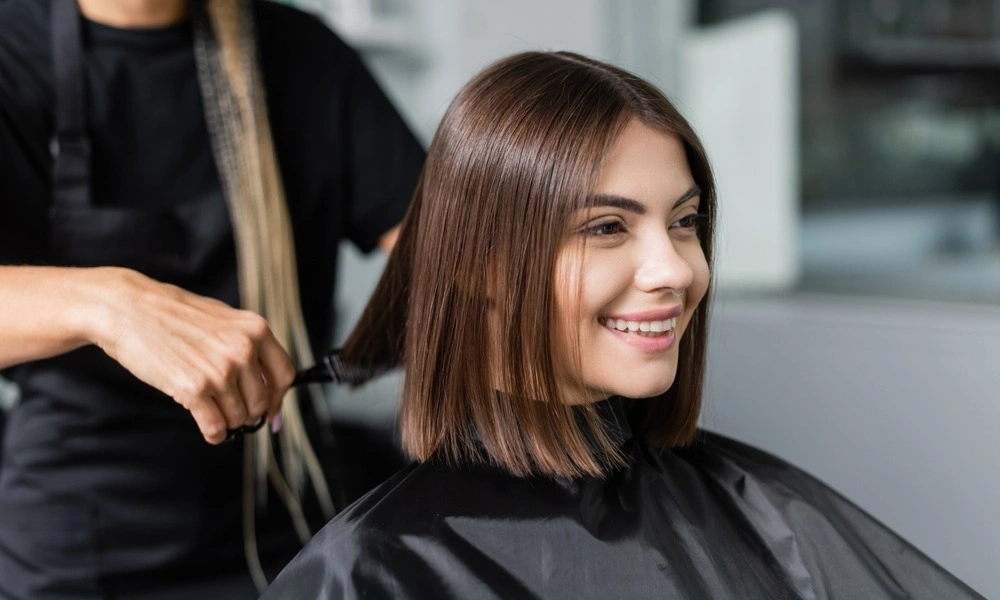
A haircut serves as the foundation for your overall appearance. Beyond aesthetics, the right hair cut offers several practical benefits:
-
Promotes Hair Health: Regular trims eliminate split ends and prevent damage from migrating up the hair shaft.
-
Enhances Natural Texture: A well-structured cut adds shape, weight distribution, and movement, making naturally curly, wavy, or straight hair easier to style.
-
Complements Facial Structure: Strategic layers and angles can accentuate high cheekbones, soften a sharp jawline, or visually lengthen around a rounder face profile.
-
Saves Styling Time: When a hair cut works with your natural hair texture rather than against it, daily styling requires significantly less heat and product.
Popular Hair Cut Styles by Length
Understanding basic haircut styles helps you communicate more effectively with your stylist. Haircuts are generally categorized by length and technique, with certain styles working particularly well for different textures, including naturally wavy hair.
Short Hair Cuts
Short haircuts range from cropped pixies to jaw-length bobs. They are ideal for highlighting strong facial features and require minimal drying time.
-
Pixie Cut: A classic short style with cropped sides and back, often featuring longer hair on top. Pixie cuts can be tailored with soft, feathery layers or sharp, disconnected texturing.
-
Classic Bob: A timeless cut that typically ends around the chin or jawline. Bobs can be cut straight across (blunt) for a crisp silhouette or layered for added movement.
-
Buzz Cut and Undercut: Ultra-short styles that focus on precision. Undercuts pair short back and sides with longer hair on top, creating a bold, high-contrast look.
Medium-Length Hair Cuts
Medium haircuts offer maximum versatility, combining the ease of shorter hair with the styling flexibility of longer locks.
-
Lob (Long Bob): Falling anywhere between the collarbone and chin, the lob works well on straight, wavy, and fine hair types.
-
Shag Cut: Characterized by heavy layering, feathered tops, and choppy edges. The modern shag works exceptionally well for adding volume and texture.
-
Curtain Bang Bob: A medium-length bob paired with center-parted, face-framing fringe that swoops gently toward the cheekbones.
Long Hair Cuts
Long hairstyles retain length while introducing shape and dimension to prevent the hair from looking heavy or flat.
-
Long Layers: Graduated lengths cut into the lower sections of long hair to add motion and reduce bulk without sacrificing length.
-
V-Cut and U-Cut: The perimeter of the hair is shaped into a distinct “V” or soft “U” shape from the back, offering a sculpted, cascading effect.
-
Butterfly Cut: A trendy long-layered style featuring shorter, face-framing layers around the chin and shoulders that mimic the volume of a short haircut while preserving long hair underneath.
How to Choose a Hair Cut for Your Face Shape
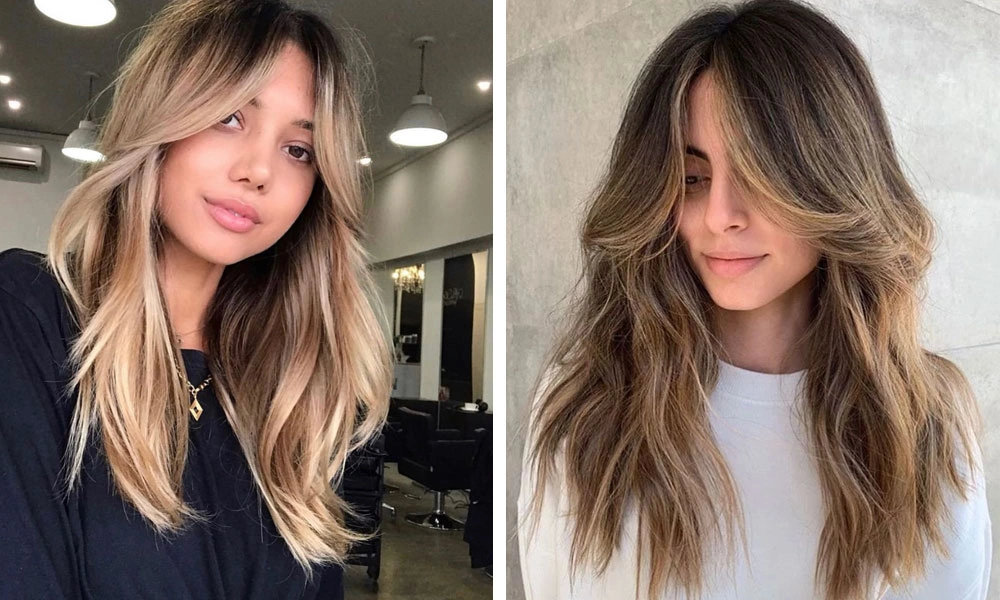
Identifying your face shape is one of the most effective ways to select a haircut that flatters your features, while understanding characteristics such as low-porosity hair can help you choose a style that suits your hair’s needs.
| Face Shape | Characteristics | Recommended Hair Cut Styles | Styles to Approach with Caution |
| Round | Equal width and length with soft, curved jawline | Long layers, asymmetrical bobs, high-volume pixies | Chin-length blunt bobs, heavy straight bangs |
| Oval | Balanced proportions with slightly narrower jaw than forehead | Almost any style; textured lobs, curtain bangs, long waves | Excessively tall styles that overly elongate the face |
| Square | Broad forehead and strong, angular jawline | Soft wispy layers, side-swept bangs, textured shags | Sharp, blunt-cut chin-length bobs |
| Heart | Wide forehead and cheekbones, narrow chin | Side-parted lobs, chin-length bobs, layered fringe | Sleek, slicked-back tops with no side volume |
| Diamond | Narrow forehead and jawline with wide cheekbones | Chin-length bobs, side-swept fringe, textured layers | Flat, straight styles without volume near the chin |
Tailoring a Hair Cut to Your Hair Texture
Hair texture plays a critical role in how a hair cut behaves once you leave the salon and wash your hair at home.
Fine or Thin Hair
Fine hair benefits from structured, precise cuts that build optical density. Blunt ends give the illusion of thicker hair, while light, strategic layering at the crown adds lift without thinning out the bottom edges.
Thick Hair
Thick hair often requires weight-reduction techniques such as interior layering, point cutting, or thinning shears. De-bulking prevents hair from forming a pyramid shape and makes heat styling more manageable.
Curly and Coily Hair
Curly hair needs specialized cutting techniques, often performed dry to respect the natural bounce and coil pattern of individual curls. Shaped cuts—such as rounded layers—prevent top-heavy profiles and allow curls to stack neatly without losing their shape.
Practical Considerations: Costs, Frequency, and Preparation
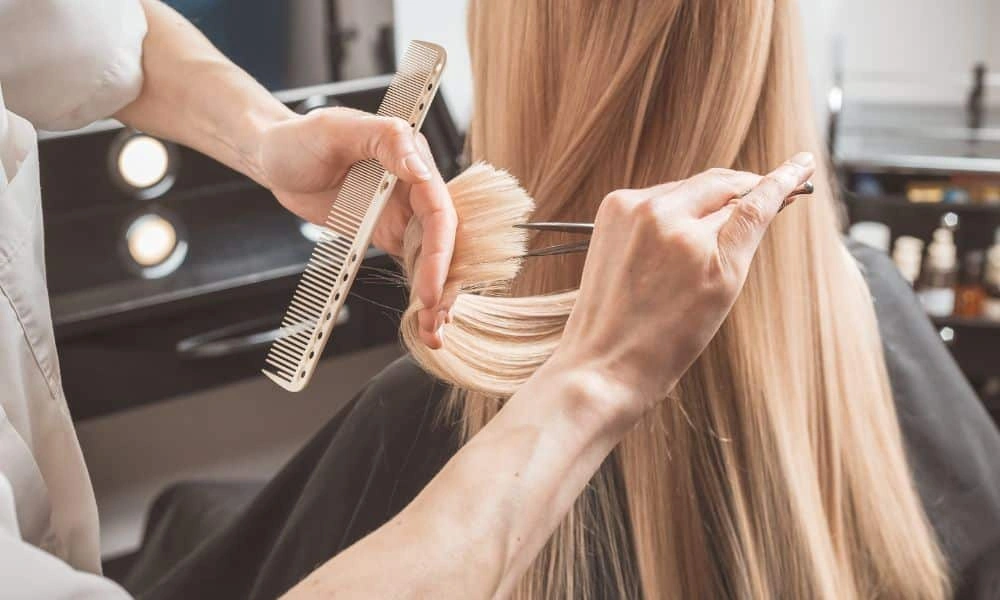
How Much Does a Hair Cut Cost?
The price of a hair cut varies widely based on location, salon reputation, stylist experience level, and whether styling or treatment services are included. Your chosen hair color, such as a vibrant red hair shade, may also influence the overall cost if additional coloring services are required.
-
Standard Barbershops & Value Salons: Typically range from $20 to $40 for basic trims and classic cuts.
-
Mid-Tier Salons: Range from $45 to $90, often including a consultation, shampoo, and basic blowout.
-
High-End Salons & Specialists: Range from $100 to $250+ for custom curl cuts, master stylist design work, and complete transformations.
How Often Should You Get a Hair Cut?
Hair grows roughly half an inch per month on average. Your ideal maintenance schedule depends on the length and style of your cut:
-
Short Cuts (Pixies, Undercuts): Every 3 to 5 weeks to maintain clean lines.
-
Medium-Length Cuts (Bobs, Lobs): Every 6 to 8 weeks to preserve shape.
-
Long Hair: Every 8 to 12 weeks for split-end maintenance trims.
-
Bangs/Fringe: Every 2 to 4 weeks for quick touch-ups.
Preparing for Your Salon Appointment
-
Bring Reference Photos: Save 2 to 3 photos of haircuts you like, emphasizing what specific elements (bangs, layers, length) appeal to you.
-
Be Honest About Your Routine: Inform your stylist how much time you are realistically willing to spend styling your hair each morning.
-
Wear Your Natural Texture: Arrive with clean, dry hair styled how you normally wear it so the stylist can see your natural hair behavior.
Common Hair Cut Mistakes to Avoid

-
Choosing a Style Based Solely on Trends: A trend may look great on a celebrity with a different hair density and face shape, but it might not translate well to your everyday routine.
-
Neglecting Maintenance Requirements: High-maintenance styles like short pixie cuts or sharp blunt bangs require frequent salon appointments that may not fit your budget or schedule.
-
Failing to Speak Up During the Cut: If a stylist begins cutting shorter than expected, communicate kindly and promptly before more length is removed.
-
Skipping Trims to Grow Hair Long: Avoiding haircuts entirely leads to split ends that split upward, ultimately forcing you to cut off more length later due to breakage.
Frequently Asked Questions
What is the difference between a trim and a hair cut?
A trim maintains your existing haircut by removing split ends and refreshing the shape, usually taking off less than an inch. A hair cut involves changing the structure, length, or overall style of your hair.
How do I know if a short hair cut will suit me?
Consider your jaw angle, hair texture, and daily styling commitment. A good approach is to consult a stylist who can perform a quick draft visual by pinning your hair back to simulate shorter lengths against your neck and jaw.
Does getting a hair cut make your hair grow faster?
No. Hair growth occurs at the follicle level in the scalp. However, regular haircuts remove damaged, split ends, preventing hair from breaking off near the bottom and allowing it to retain length as it grows.
What should I do if I dislike my new hair cut?
Give the cut 3 to 5 days to settle after a wash or two at home. If you are still unsatisfied, contact your salon most stylists offer complimentary adjustments within a week of your original appointment to tweak layers, balance weight, or soften edges.
What is dry cutting, and who is it best for?
Dry cutting involves trimming the hair while it is completely dry rather than wet. It allows the stylist to see the natural fall, curl pattern, and movement of the hair in real time, making it ideal for curly, wavy, or fine hair types.
Final Thoughts
A great hair cut is an investment in your confidence and daily convenience. By understanding your face shape, respecting your natural hair texture, and communicating clearly with your stylist, you can achieve a versatile style that looks exceptional both in the salon chair and at home.
Remember that clear reference images, realistic maintenance expectations, and regular split-end upkeep are the keys to keeping any hair cut looking fresh and polished long after your appointment.
