
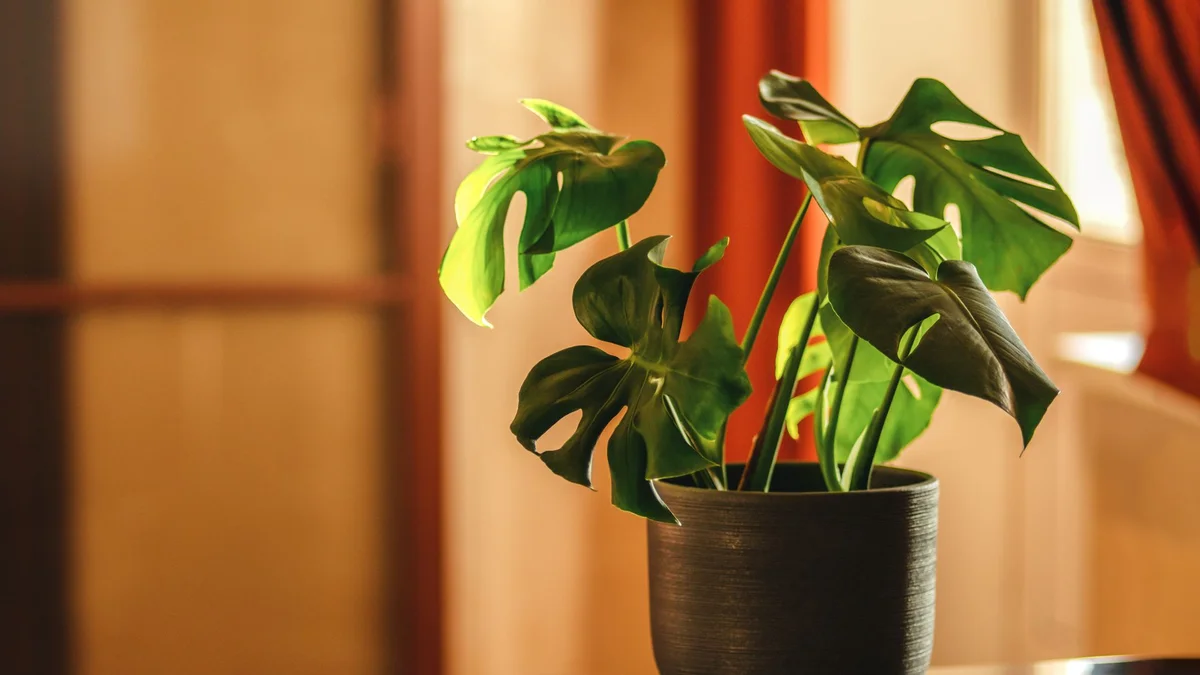
Key Takeaways
-
Snake plant and ZZ plant survive in almost total darkness.
-
Overwatering kills dark room plants faster than lack of light.
-
Low light houseplants grow slower, requiring less fertilizer.
-
Cast iron plants and pothos offer low-maintenance green touch.
-
Drainage holes and proper soil are essential for root health.
Have you ever looked at that gloomy, windowless corner in your hallway or dark bedroom and wished you could bring it to life with a splash of vibrant green? You are definitely not alone in feeling that way. Fortunately, finding the best low light indoor plants can completely transform dark spaces from sad and lifeless into fresh, cozy sanctuaries.
The great news is that you do not need bright, sunny windows or a green thumb to keep indoor plants for dark rooms thriving. Combining greenery with a few simple decorating tricks can also help you brighten a dark room and make the space feel more inviting.
In fact, several tough low light houseplants actually prefer shade and neglect over bright rays. Based on available data, low light houseplants adapt remarkably well to artificial light and dim corners. Furthermore, at johjos.com, we love sharing real-life plant tips that make indoor gardening simple for everyone. Let’s dive right into the top low-light choices that will bring life into your home without complaining about missing sunshine.
Looking for the best low light indoor plants to brighten up dim spaces? Many low light houseplants thrive in dark rooms with minimal sunlight. Top choices include the Snake Plant, ZZ Plant, Pothos, and Cast Iron Plant. These easy-care indoor plants need light watering and minimal maintenance. At johjos.com, we help you pick resilient indoor plants for dark rooms so your home stays leafy and green effortlessly.
Top Picks for Dark Rooms
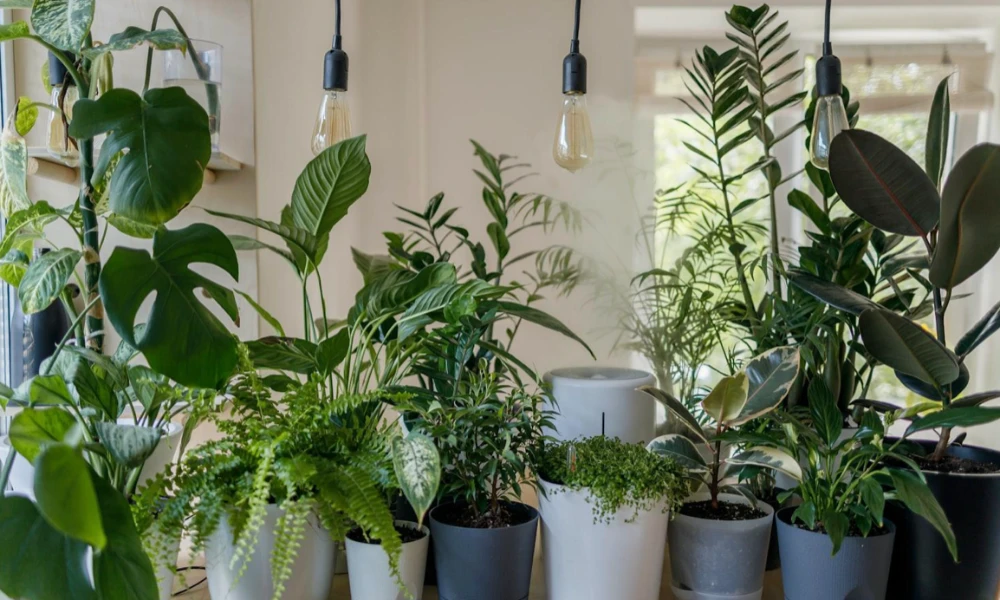
When sunlight is scarce, you need plants that are built to endure tough conditions. As a result, here are top indoor plants for dark rooms that stay green even when light levels drop dramatically.
1. Snake Plant (Sansevieria)
The Snake Plant is practically indestructible. Because it stores water inside its thick, upright leaves, it easily goes weeks without a single drop. In most cases, it tolerates low-light conditions better than almost any other houseplant on the market.
Therefore, if you are looking for easy-care indoor plants for a gloomy office or hallway, this should be your top pick. Additionally, it purifies indoor air silently in the background while you sleep.
2. ZZ Plant (Zamioculcas zamiifolia)
The ZZ Plant looks so shiny and vibrant that people often mistake it for a artificial plant. However, it features real thick, waxy leaves that bounce whatever little light is available right back into the room.
Because it grows from underground tubers, it holds plenty of moisture and helpful nutrients for lean times. You can leave it in a dark room for weeks, and it will barely notice your absence. Consequently, it stands as one of the absolute best low light indoor plants for dark apartments.
3. Cast Iron Plant (Aspidistra elatior)
As its name suggests, the Cast Iron Plant was named for its ability to survive harsh environments. It has been a house favorite since Victorian times because it handled dimly lit, smoky rooms with ease.
Today, its deep green, broad leaves give your space a classic, lush tropical feel without requiring extra work. Moreover, it grows quite slowly, which means minimal repotting or maintenance tasks for you over time. Generally, it survives in deep shadows where other green friends would quickly turn yellow and wither away.
Beautiful Trailing Plants for Low Light
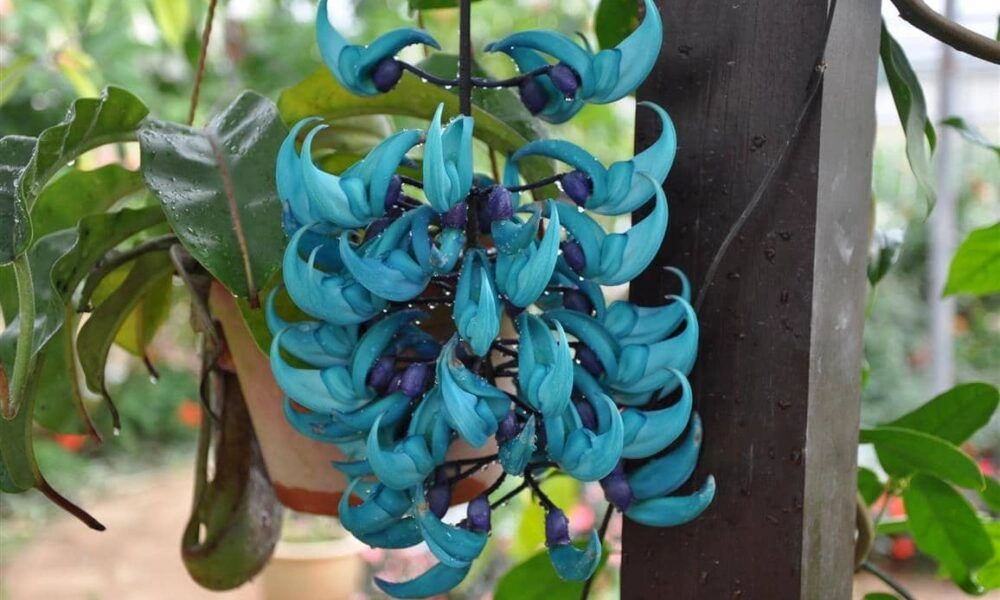
Who says dark corners cannot enjoy cascading, dreamy foliage? Trailing low light houseplants add height, depth, and soft textures to tall bookshelves or hanging planters.
4. Snake Pothos & Golden Pothos (Epipremnum aureum)
Pothos is famous across the world for being forgiving and quick to grow. While variegated types prefer brighter spots to keep their yellow stripes, classic green Pothos grows comfortably in dim spaces.
For instance, its vine-like stems spill gracefully over bookstands or high window sills. You can even propagate Pothos easily in plain glass jars filled with clean water. Thus, it remains one of the most popular easy-care indoor plants worldwide for good reason.
5. Heartleaf Philodendron (Philodendron hederaceum)
Heartleaf Philodendron looks very similar to Pothos, but it sports sweet, heart-shaped leaf blades instead. Furthermore, it adapts smoothly to low-light environments and indirect indoor light fixtures.
If stems ever grow too leggy or thin, simply snip them back to encourage fuller growth. For that reason, it thrives in dark bedrooms, windowless bathrooms, and cozy basements. Meanwhile, at johjos.com, we always recommend Philodendrons for beginners who want lush trailing greenery fast.
Comparison of Best Low Light Indoor Plants
Choosing the right green companion depends heavily on your room layout and care habits. Therefore, here is a quick breakdown to help you compare the best low light indoor plants at a glance.
| Plant Name | Light Requirement | Watering Frequency | Growth Rate | Best Room Placement |
| Snake Plant | Very Low to Medium | Every 3–4 weeks | Slow | Bedroom, Hallway, Office |
| ZZ Plant | Low to Indirect | Every 3–4 weeks | Slow to Medium | Dark Corners, Basements |
| Cast Iron Plant | Very Low | Every 2–3 weeks | Slow | Entryways, Living Rooms |
| Golden Pothos | Low to Bright Indirect | Every 1–2 weeks | Fast | Bookshelves, High Cabinets |
| Heartleaf Philodendron | Low to Medium | Every 1–2 weeks | Medium to Fast | Hanging Baskets, Nightstands |
| Parlor Palm | Low to Medium | Every 1–2 weeks | Slow | Floor Space, Desk Corners |
| Peace Lily | Low to Medium | Every 1 week | Medium | Bathrooms, Dining Tables |
Compact and Upright Plants for Low Light
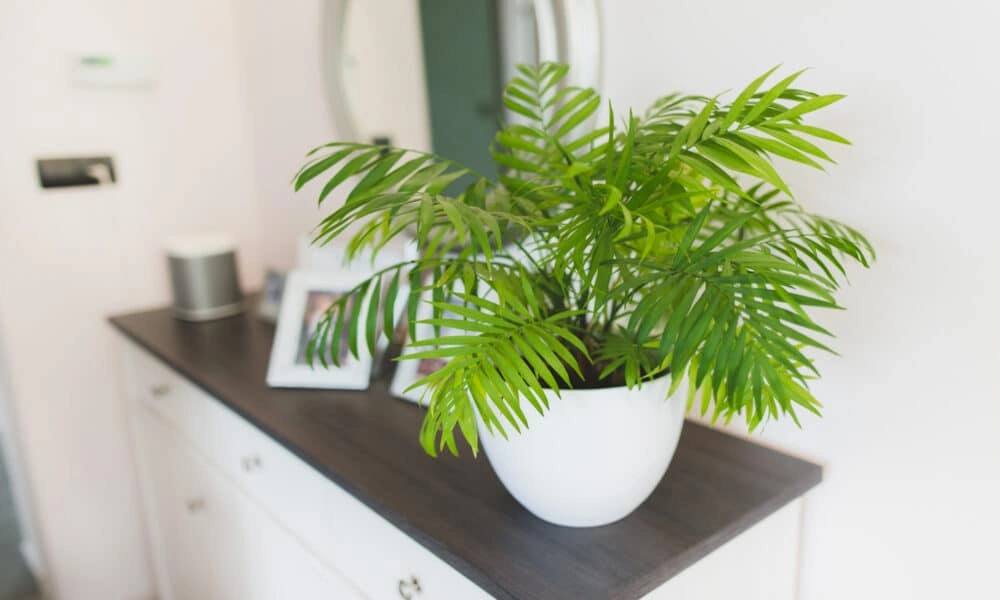
If you need leafy greenery for small desks, counters, or plant stands, upright options fit tight spots cleanly without taking over your space.
6. Parlor Palm (Chamaedorea elegans)
Do you want relaxing tropical vibes inside a dark city apartment? Fortunately, the Parlor Palm features delicate, feathery fronds that tolerate low light surprisingly well. It grows slowly over time, maintaining a neat compact shape that fits on table corners.
Unlike many delicate tropical palms, it isn’t overly demanding about high humidity or constant daylight. As a result, it remains a staple choice among indoor plants for dark rooms.
7. Peace Lily (Spathiphyllum)
Peace Lily is popular for its broad dark leaves and elegant white blooms. While it blooms more often in medium light, its lush foliage stays deep green in shady spots. In addition, it communicates clearly when thirsty by drooping dramatically, then bouncing back shortly after receiving water. This makes it an ideal visual reminder for your plant care routine. Consequently, it stays among the most forgiving easy-care indoor plants available today.
How to Care for Plants in Dark Rooms?
Caring for low light houseplants requires a slightly different approach than growing outdoor garden plants. Because less light is present, your plants will naturally require less water and experience slower growth. Following simple home living ideas can also help you create a more organized, comfortable space for your indoor greenery.
Essential Care Rules for Low Light Gardening
-
Water sparingly: Soil takes much longer to dry out in low light, making overwatering the biggest danger to roots.
-
Wipe down leaves: Dust blocks light absorption; wipe leaves monthly with a damp cloth to maximize photosynthesis.
-
Rotate periodically: Turn your pots a quarter-turn monthly so all sides receive balanced ambient illumination.
-
Skip excessive fertilizer: Plants in low light grow slowly and need minimal feeding, usually once or twice in spring.
-
Use well-draining mix: Always choose pots with bottom drainage holes to prevent root rot in damp, cool soil.
Best Spots to Place Plants in Dark Homes
Finding the right spot makes all the difference when keeping indoor plants for dark rooms healthy over the long run.
Smart Location Ideas
-
Windowless Bathrooms: High humidity helps plants thrive under standard overhead bulbs or vanity mirrors.
-
Entryway Console Tables: Dark foyers welcome guests warmly when anchored with a tall Snake Plant or ZZ Plant.
-
Deep Hallways: Long corridors benefit greatly from trailing Pothos running along floating wall shelves.
-
Bedrooms with Heavy Curtains: Keep resilient low light houseplants on nightstands for calm, green morning views.
-
Basement Offices: Fluorescent tubes produce enough usable light rays for Cast Iron Plants and Philodendrons.
Common Mistakes to Avoid in Low-Light Plant Care
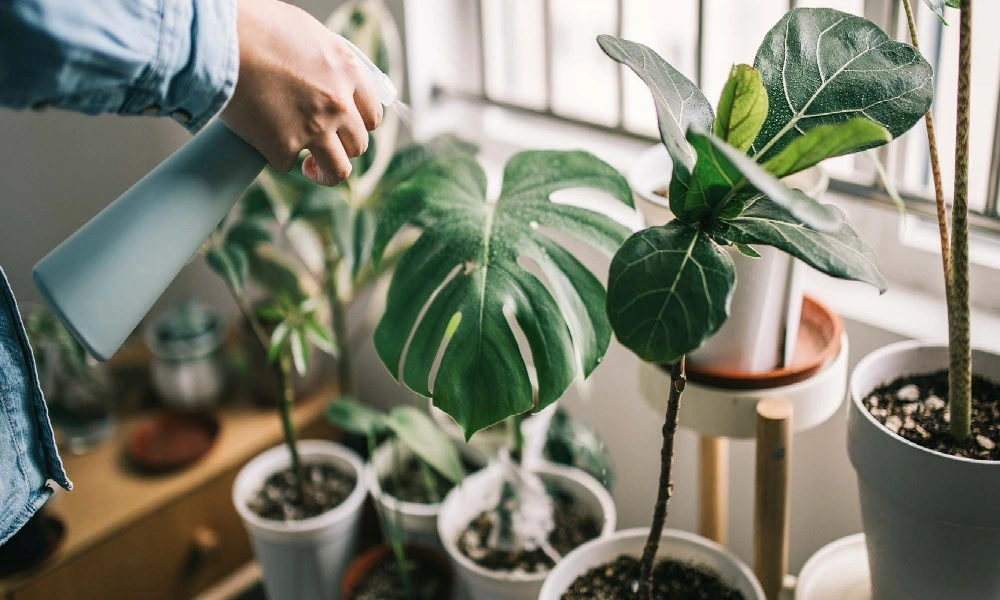
Even durable easy-care indoor plants face trouble if mistakes happen repeatedly. For instance, the single biggest mistake plant owners make in dark rooms is overwatering. Without active sunlight, plants use water at an estimated fraction of their normal rate.
Therefore, always check moisture two inches deep into the soil before reaching for your watering can. If soil feels damp or cool to touch, wait another week before adding water.
Another common mistake is moving low-light plants directly into blazing full sun suddenly. Leaves adapted to shadows burn easily when exposed to harsh rays without gradual adjustment. Thus, if you decide to move your green friend closer to a bright window, do it step by step over two weeks. Meanwhile, keep pots clean and clear of yellowing foliage to prevent pests from nesting in damp soil.
Helpful Accessories for Best Low Light Indoor Plants
You do not need fancy equipment, but a few simple tools can make dark-room plant care much easier.
Choosing easy-care plants, maintaining a comfortable home, and creating peaceful surroundings are all part of intentional living. Even a small green corner can make your everyday environment feel more personal and welcoming.
| Tool / Accessory | Primary Benefit | Recommended For |
| Moisture Meter | Prevents accidental overwatering in damp soil | All low-light indoor plants |
| LED Grow Light Bulb | Plugs into standard lamps for extra light boost | Windowless rooms & basements |
| Microfiber Cloth | Keeps dusty leaves clean for better light intake | Broad-leaf plants (ZZ, Snake) |
| Terracotta Pots | Absorbs extra root moisture naturally | Plants prone to root rot |
| Rolling Plant Caddy | Moves heavy pots easily for temporary sun baths | Floor plants (Parlor Palm) |
Conclusion: Best Low Light Indoor Plants
Decorating gloomy corners with the best low light indoor plants brings fresh energy, calm vibes, and natural beauty to your home. Resilient options like Snake Plants, ZZ Plants, Cast Iron Plants, and Pothos show that you do not need bright windows to enjoy thriving indoor plants for dark rooms.
By watering sparingly and keeping dusty leaves clean, your low light houseplants will stay gorgeous year-round. At johjos.com, we hope this guide gives you the confidence to turn your darkest room into your favorite green retreat!
Frequently Asked Questions (FAQs)
Can plants survive in a room with no natural light at all?
Yes, based on available data, low-light plants can survive using artificial LED or fluorescent light if kept on 10 to 12 hours daily.
How often should I water low light houseplants?
Generally, water every 2 to 4 weeks after checking that the top two inches of soil feel completely dry to touch.
What is the most unkillable plant for dark rooms?
The Snake Plant and ZZ Plant are considered the most resilient choices due to their water-storing stems and low light tolerance.
Do indoor plants grow slower in low light?
Yes, in most cases plants grow significantly slower in low light because they process less energy through natural photosynthesis.
Should I fertilize my low light indoor plants frequently?
No, feed them lightly once or twice during spring or summer, as slow-growing dark room plants need minimal added nutrients.
