
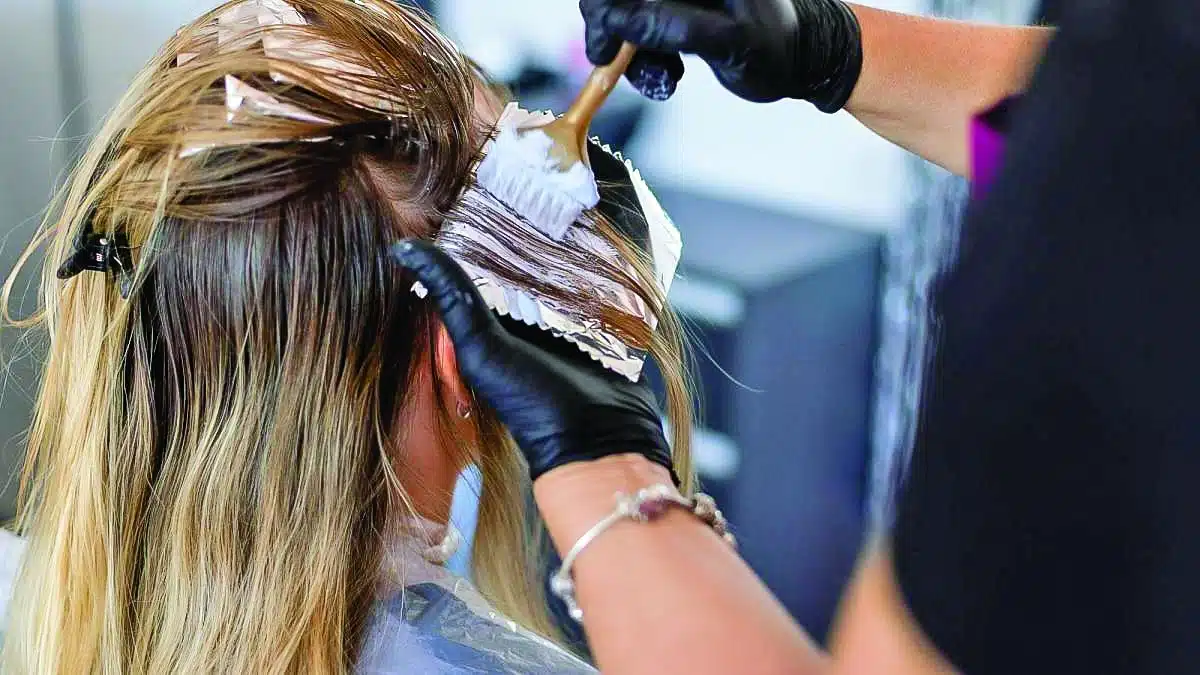
Changing your hair color is one of the easiest ways to refresh your appearance, express your personality, and experiment with a different style. Whether you want a subtle color enhancement, a dramatic transformation, or a way to cover gray hair, choosing the right hair dye can make a noticeable difference.
Hair dye comes in several formulas, shades, and application methods. Some options provide temporary color that washes out quickly, while others create longer-lasting results. The best choice depends on your natural hair color, hair condition, desired look, and how much maintenance you are willing to manage.
What Is Hair Dye?
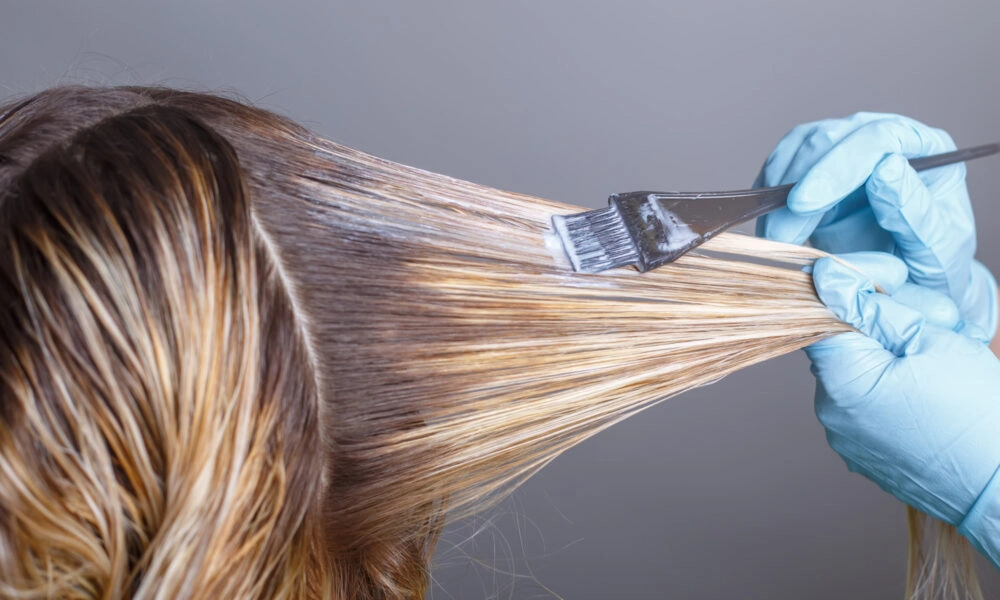
Hair dye is a coloring product designed to change, enhance, or restore the natural color of hair. It works by depositing color pigments onto the hair or using chemical processes to alter its existing pigment. Some formulas temporarily coat the hair shaft, while others penetrate the hair to create longer-lasting color.
Hair dye is commonly used to:
- Change your natural hair color.
- Cover gray or white strands.
- Enhance an existing shade.
- Add highlights or lowlights.
- Create fashionable colors such as copper, burgundy, or pastel pink.
- Correct unwanted tones after previous coloring.
Hair coloring products are available for professional salon use and at-home application. Both options can produce attractive results when selected and applied correctly.
Different Types of Hair Dye
Not every hair coloring product works the same way. Understanding the main types helps you choose a formula that matches your expectations.
1. Temporary Hair Dye
Temporary hair dye adds color to the outer surface of the hair without significantly changing its natural pigment. It usually lasts until the next shampoo or a few washes, depending on the formula and hair condition.
Temporary color is useful for people who enjoy experimenting with different shades without making a long-term commitment. Popular options include colored sprays, hair mascaras, temporary rinses, and wash-out color products.
Best for: Special occasions, parties, costume looks, and trying unusual shades.
2. Semi-Permanent Hair Dye
Semi-permanent hair dye deposits color mainly on the hair surface and does not typically require a developer.It gradually fades with washing rather than creating a permanent color change.
This option is popular for refreshing existing color, adding richness, and experimenting with shades such as red, purple, blue, and chocolate brown.
Best for: People who want noticeable color without committing to permanent dye.
3. Demi-Permanent Hair Dye
Demi-permanent hair color generally uses a low-volume developer to deposit color into the hair without providing the same level of lightening as permanent dye.
It usually lasts longer than semi-permanent color but gradually fades over time. Demi-permanent formulas are often used to refresh faded lengths, add shine, blend some gray hair, and adjust unwanted tones.
Best for: Enhancing natural color, refreshing salon results, and creating softer color changes.
4. Permanent Hair Dye
Permanent hair dye changes the hair’s internal pigment through a chemical process. It typically uses an alkalizing agent and developer to help color molecules form inside the hair shaft.
It can lighten natural hair color, darken it, or create a completely different shade, depending on the formula and starting color. Permanent color does not simply wash away, although the shade can fade over time. New hair growth will also reveal the natural color at the roots.
Best for: Long-lasting color changes and more complete gray coverage.
Popular Hair Dye Colors to Consider
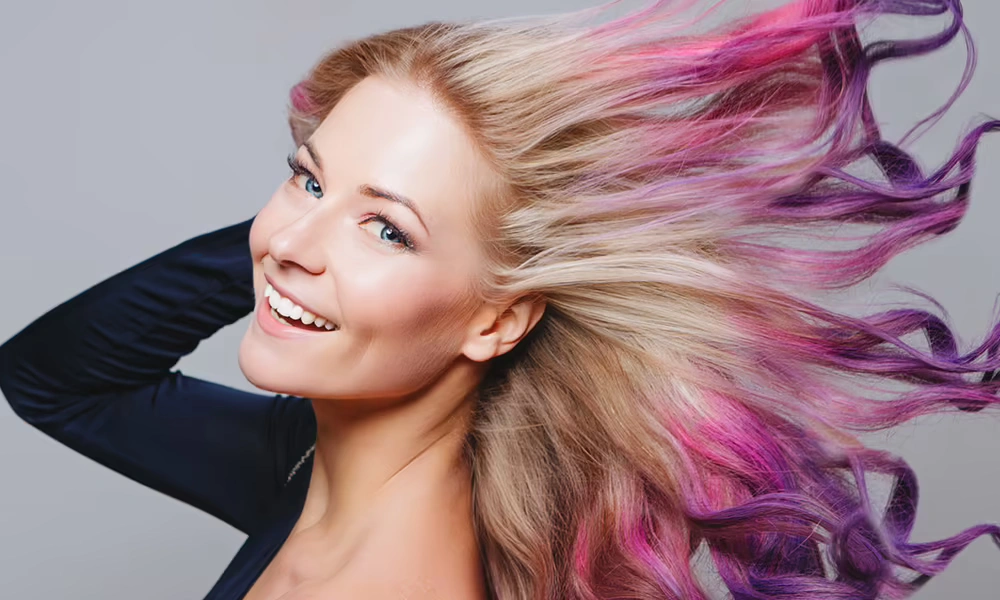
Choosing a hair color is often the most exciting part of the process. The right shade can complement your personal style, create dimension, and give your overall appearance a fresh update.
Here are some popular hair dye colors worth considering.
1. Chocolate Brown
Chocolate brown is a rich, natural-looking shade that offers warmth and depth. It works beautifully on many hair lengths and styles.
This color is available in different variations, including dark chocolate, milk chocolate, and warm chocolate brown. It is a popular choice for people who want a noticeable color refresh without moving too far from brunette shades.
2. Honey Blonde
Honey blonde combines golden and warm blonde tones to create a soft, sunlit appearance. It can look especially attractive when combined with highlights or balayage techniques. People with naturally dark hair may need lightening before achieving this shade.
3. Burgundy
Burgundy is a deep reddish-purple shade that creates a bold yet sophisticated appearance. It works particularly well for people who want something more expressive than traditional brown or black.
Depending on the formula and starting color, burgundy can appear subtle indoors and more vibrant under natural light.
4. Copper Red
Copper hair color combines orange, red, and golden undertones. It can range from soft strawberry copper to deep, fiery shades. This color is an appealing option for people who want warmth and dimension without choosing a traditional blonde or brunette shade.
5. Ash Brown
Ash brown features cool undertones that help create a more muted brunette appearance. It can be useful for people who prefer to avoid strong golden or reddish tones. However, achieving an even ash shade may require careful color selection, particularly if the hair has previously been colored.
6. Jet Black
Jet black creates a deep, dramatic appearance. It is darker and often more intense than natural soft black. Although it can look sleek and polished, permanent black dye may be difficult to remove or lighten later. Consider this before choosing it if you frequently change your hair color.
7. Pastel Colors
Pastel pink, lavender, mint green, and baby blue are popular fashion shades. These colors generally require a very light blonde base to appear clean and vibrant. Darker hair usually needs professional lightening before pastel color can be applied successfully. Pastel shades also tend to fade relatively quickly, making regular color maintenance important.
Hair Dye Techniques That Create Different Looks
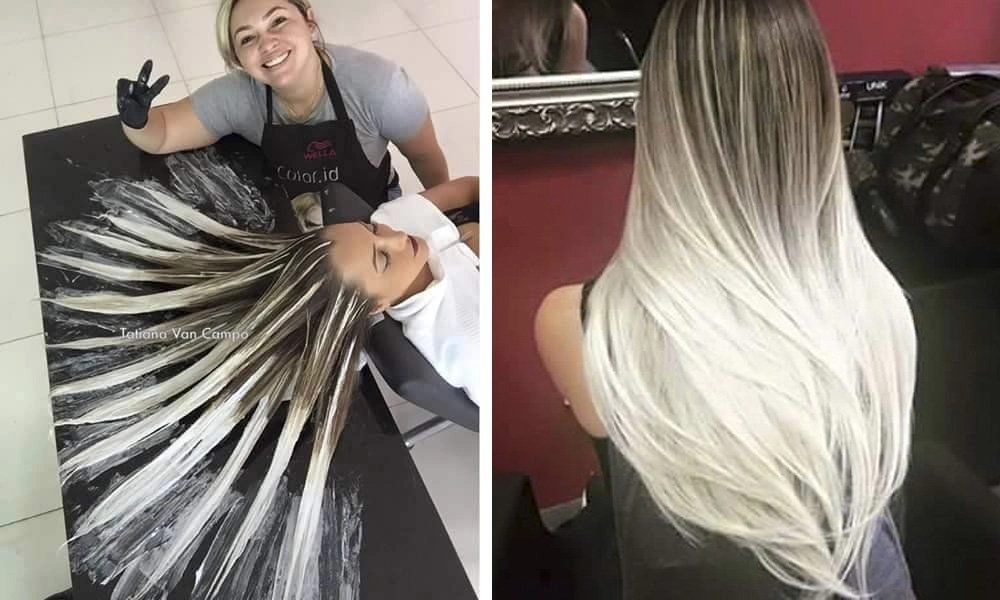
The final appearance of colored hair depends not only on the shade but also on how the color is applied. Different techniques can create anything from an all-over transformation to soft, natural-looking dimension. Techniques such as highlights and balayage can be particularly effective for enhancing vibrant shades, including beautiful red hair, while adding depth and dimension to the overall look.
All-Over Hair Color
All-over coloring applies one shade throughout the hair. It is a straightforward way to change your overall appearance or refresh your natural color. This technique is commonly used for gray coverage, darker shades, and uniform color transformations.
Hair Highlights
Highlights involve lightening selected sections of hair to create contrast and dimension. They can be subtle or dramatic, depending on the thickness, placement, and shade of the highlighted strands. Traditional highlights are often created using foils, although other application methods are available.
Lowlights
Lowlights introduce darker sections into lighter hair. They add depth and contrast, making the overall color look more dimensional rather than flat. This technique can be particularly useful when blonde hair needs additional richness.
Balayage
Balayage is a freehand coloring technique in which color is painted onto selected sections of hair. It typically creates a softer, blended appearance with lighter ends and less obvious regrowth lines than traditional full-head highlights. Balayage can be customized for blonde, brunette, caramel, and copper looks.
Ombre
Ombre creates a gradual transition between two or more shades. A common version features darker roots that blend into lighter ends. The contrast can be subtle or bold, depending on the colors selected.
How to Choose the Right Hair Dye
Selecting a hair color involves more than choosing a shade from a product box. Your starting hair color, condition, previous treatments, and desired results all matter. Understanding your hair’s porosity, including characteristics of low-porosity hair, can also help you make better decisions about hair care and coloring. Consider these factors before coloring your hair.
Understand Your Skin Undertone
Your skin undertone can help you identify shades that complement your natural coloring.
- Warm undertones: Golden blonde, caramel, warm chocolate brown, and copper may be flattering options.
- Cool undertones: Ash brown, cool blonde, burgundy, and blue-black may complement your coloring.
- Neutral undertones: Both warm and cool shades can work, giving you more flexibility.
These are helpful starting points rather than strict rules. Personal preference and overall color contrast matter too.
Consider Your Natural Hair Color
Your starting shade affects the result you can achieve. For example, moving from light brown to dark chocolate brown is generally easier than transforming naturally black hair into platinum blonde. Dark hair often requires lightening before vibrant or lighter shades become visible.
Check Your Hair Condition
Hair that is already dry, brittle, damaged, or chemically processed may not respond evenly to coloring. Lightening treatments can be particularly demanding because they remove natural pigment. If your hair is fragile or has undergone several chemical treatments, consult a professional before applying another color service.
Think About Maintenance
Different shades require different levels of upkeep. Bright reds, vivid fashion colors, and cool blondes may need frequent refreshing or specialized care. Darker natural-looking shades can be easier to maintain, although root regrowth and fading still occur. Choose a color that fits your lifestyle and willingness to maintain it.
Hair Dye at Home vs. Professional Salon Coloring
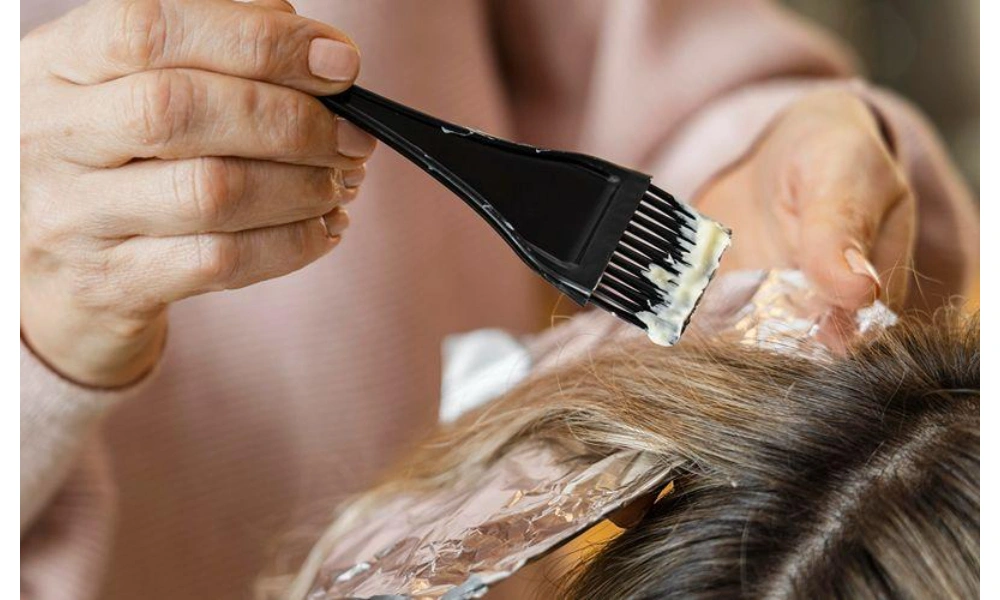
Both at-home hair dye and professional salon services have advantages.
| Feature | At-Home Hair Dye | Professional Salon |
| Cost | Usually more affordable | Generally more expensive |
| Convenience | Can be done at home | Requires an appointment |
| Color selection | Depends on available products | More customized options |
| Application | Self-applied | Applied by a trained colorist |
| Complex techniques | More challenging | Better suited to advanced techniques |
| Color correction | Can be difficult | Professional assessment available |
At-home products can be suitable for simple color changes, refreshing an existing shade, or covering roots when used according to instructions.A salon is generally the better choice for major transformations, color correction, complex highlights, and significant lightening.
How to Prepare Your Hair Before Dyeing
Proper preparation helps reduce avoidable problems and makes the coloring process more predictable.
Follow these practical steps:
- Read the product instructions: Check the application process, processing time, and safety precautions before starting.
- Perform the required allergy alert test: Follow the manufacturer’s exact instructions and timing before every coloring session, even if you have used the product before.
- Assess your hair condition: Avoid proceeding with a chemical service if your hair is severely damaged or your scalp is irritated.
- Check your previous treatments: Henna, metallic-salt products, relaxers, and other chemical services can affect the safety and outcome of future coloring.
- Protect your surroundings: Use suitable gloves, old towels, and clothing that you do not mind staining.
- Choose the correct shade: Compare the product’s expected result with your current hair color rather than relying only on the packaging photograph.
Never mix different coloring products unless the manufacturer specifically states that they are compatible.
How to Maintain Colored Hair
Hair color can gradually fade because of washing, sunlight, heat styling, and environmental exposure. A suitable maintenance routine helps preserve the shade and keep hair looking healthy. Since excessive heat can also affect color-treated hair, using a quality styling tool like the Dyson hair dryer with an appropriate heat setting can help you style your hair while managing heat exposure.
Use Shampoo for Color-Treated Hair
Choose a gentle shampoo designed for colored hair. Washing less frequently, when appropriate for your scalp and hair type, can also help reduce color fading.
Condition Regularly
Conditioner helps improve softness, manageability, and moisture retention. Use a suitable conditioner after washing and consider a nourishing hair mask when your hair feels dry.
Limit Excessive Heat Styling
Frequent use of straighteners, curling irons, and high-temperature blow-dryers can contribute to dryness and damage. Use a heat protectant and choose moderate temperatures whenever possible.
Protect Hair From Sun Exposure
Prolonged sunlight can contribute to color fading, particularly in certain red and fashion shades. Wear a hat when spending extended periods outdoors or use hair products formulated with UV protection.
Refresh Your Color When Needed
Different formulas require different maintenance schedules. Permanent color may need root touch-ups, while semi-permanent shades may need refreshing as they fade. Avoid repeatedly applying permanent dye to the entire length when only the roots need attention.
Common Hair Dye Mistakes to Avoid
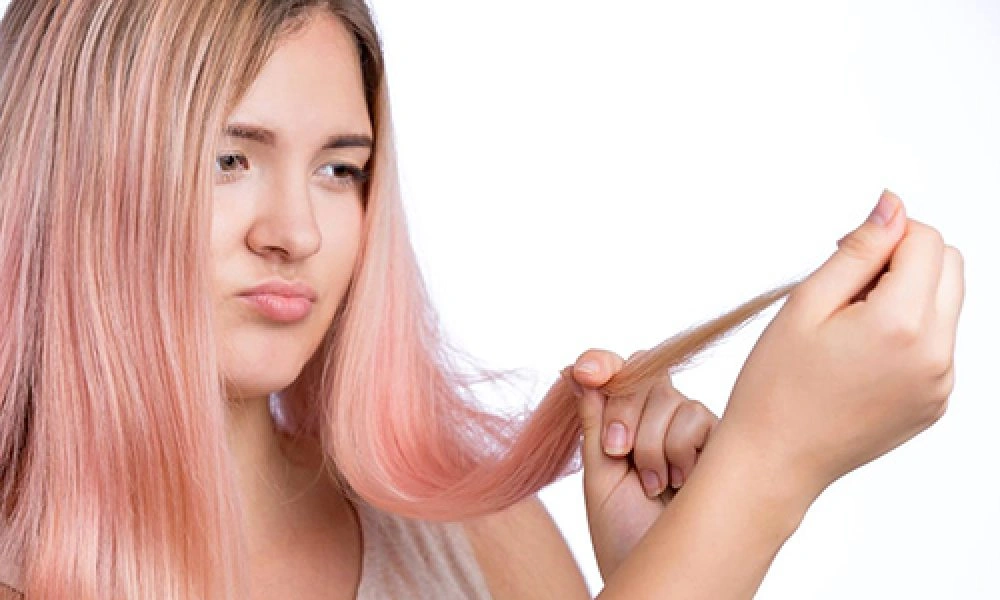
Even a good coloring product can produce disappointing results when applied incorrectly. Just as choosing the right hair color requires attention to detail, selecting complementary seasonal beauty shades, such as these trendy fall nail colors, can help create a polished overall look.
Here are some mistakes worth avoiding:
- Choosing a shade without considering your starting color: The result may differ significantly from the packaging.
- Skipping the allergy alert test: Previous successful use does not guarantee that an allergic reaction will not develop.
- Leaving dye on longer than instructed: Additional processing time does not necessarily create a better result and can increase the risk of irritation or damage.
- Ignoring previous chemical treatments: Earlier coloring or lightening can affect how your hair responds.
- Applying permanent dye repeatedly to colored lengths: This can contribute to unnecessary damage and uneven color buildup.
- Trying complicated color correction at home: Removing dark dye or correcting uneven blonde tones can require professional expertise.
- Neglecting aftercare: Poor maintenance can leave colored hair looking dull and feeling dry.
Hair Dye Safety: What Should You Know?
Hair dye products contain ingredients that can cause irritation or allergic reactions in some people.
Some permanent and semi-permanent dyes contain ingredients such as para-phenylenediamine (PPD), which can trigger allergic contact dermatitis.
Follow these precautions:
- Perform the manufacturer’s recommended allergy alert test every time.
- Wear the gloves supplied or recommended with the product.
- Never apply hair dye to irritated, damaged, or broken skin.
- Keep coloring products away from your eyes.
- Do not use products intended for hair on your eyebrows or eyelashes.
- Follow the recommended processing time.
- Stop using the product and seek medical advice if you experience a reaction.
An allergy alert test does not guarantee that a reaction will never occur.
If you develop swelling of the face or throat, breathing difficulties, or other signs of a severe allergic reaction, seek emergency medical care. Pregnant or breastfeeding individuals who have concerns about hair coloring should discuss product ingredients and timing with a qualified healthcare professional. For additional beauty inspiration, you can also explore these elegant almond French tip nails to complement your personal style.
Frequently Asked Questions About Hair Dye
1. How long does hair dye last?
The lifespan depends on the formula. Temporary color may disappear after one wash, semi-permanent color generally fades over several washes, and demi-permanent color can last longer. Permanent dye remains in the treated hair but may gradually lose vibrancy.
2. Which type of hair dye is best for beginners?
Temporary and semi-permanent hair dyes are often easier starting points because they do not create the same long-term commitment as permanent color. However, the best choice depends on your desired result and the product’s instructions.
3. Can hair dye damage your hair?
Yes. Chemical coloring, particularly repeated permanent coloring and lightening, can weaken the hair and contribute to dryness, breakage, and changes in texture. Appropriate product selection and aftercare can help reduce damage.
4. Does hair dye cover gray hair completely?
Permanent hair dye generally offers the most complete gray coverage. Demi-permanent formulas can blend some gray strands, while semi-permanent products may provide limited coverage depending on the formulation.
5. Can I dye my hair at home?
Yes. Many products are designed for at-home application. Follow the manufacturer’s instructions carefully, perform the required allergy alert test, and avoid complicated transformations if you do not have professional coloring experience.
6. What hair dye color is easiest to maintain?
Natural-looking shades close to your original hair color are often easier to maintain because regrowth and fading may be less noticeable. The exact maintenance requirements depend on your starting color and the chosen formula.
7. Should I wash my hair immediately after dyeing?
Follow the specific product instructions. Many permanent coloring systems require rinsing after the recommended processing time, while other formulas have different aftercare directions. Use the recommended shampoo and conditioner if provided.
Final Thoughts
Hair dye offers countless opportunities to refresh your appearance, experiment with different shades, and express your personal style. From temporary color and semi-permanent formulas to long-lasting permanent dye, each option serves a different purpose.
Before choosing a product, consider your natural hair color, hair condition, preferred shade, and maintenance expectations. Understanding coloring techniques and following proper safety precautions can also help you achieve a more satisfying result.
Whether you prefer chocolate brown, honey blonde, burgundy, copper, or a bold fashion shade, the best hair color is one that suits your preferences while allowing you to maintain healthy-looking hair. You can also explore seasonal beauty inspiration, including these trendy fall nail colors, to complement your overall look.
