

Natural nails are nails grown and maintained without artificial extensions such as acrylics, hard gels, or dip powder enhancements. Embracing natural nails means focusing on the health, strength, and appearance of your actual nail plate, whether you wear them completely bare, buffed to a healthy shine, or coated with traditional polish.
Interest in natural nail care has grown steadily as more people look for low-maintenance, budget-friendly, and gentler alternatives to salon enhancements. Beyond saving time and money, maintaining your own nails allows you to spot changes in nail health early, prevents structural thinning caused by aggressive filing, and supports a clean, versatile aesthetic that suits every setting.
What Defines Healthy Natural Nails?
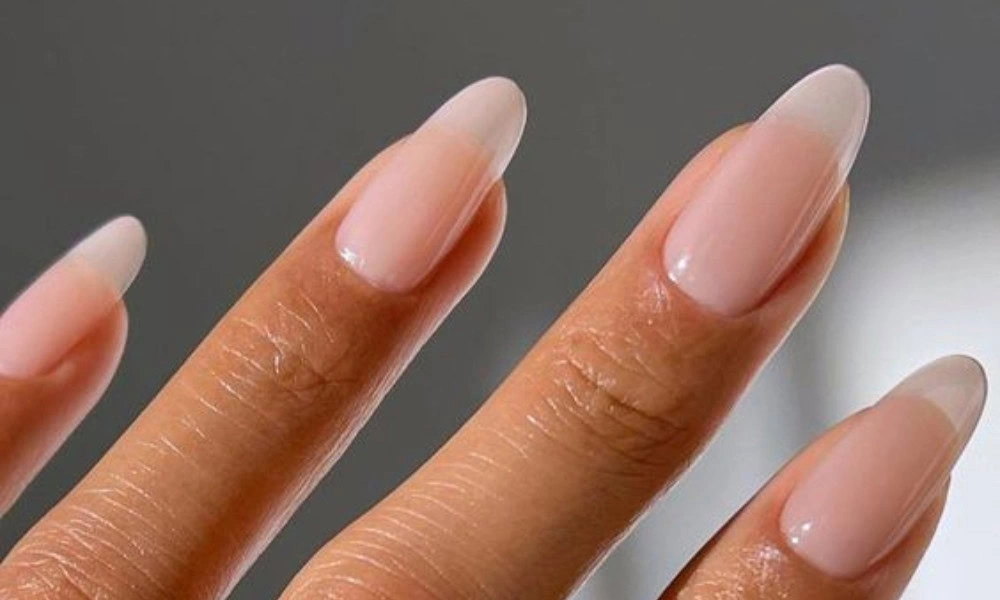
Healthy natural nails share several distinct physical characteristics. Knowing what to look for helps you establish a baseline before building a care routine or troubleshooting common issues like peeling and breakage.
-
Color: The nail plate should appear translucent with a soft pink nail bed underneath and a clean, off-white or ivory free edge.
-
Texture: A healthy surface feels smooth and uniform, without deep horizontal ridges, pitting, or rough peeling layers.
-
Flexibility: Good natural nails are firm yet slightly flexible. Nails that are overly rigid tend to snap under pressure, while overly soft nails bend and tear easily.
-
Cuticle condition: The skin surrounding the nail plate specifically the eponychium and proximal nail fold should be intact, hydrated, and free of redness, swelling, or ragged hangnails.
Key Benefits of Embracing Natural Nails
Choosing to wear your nails naturally offers practical advantages for both your daily routine and long-term nail integrity. You can still enjoy different manicure styles, from elegant milky white nails to convenient imPress nails and bold stiletto nails, depending on your preferred look and occasion.
Lower Cost and Time Commitment
Salon appointments for acrylic fills or structured gel manicures require recurring visits every two to three weeks. Caring for natural nails at home eliminates ongoing salon fees and reduces upkeep to a few minutes of weekly shaping and daily moisturizing.
Reduced Risk of Structural Damage
Artificial enhancements rely on surface etching, chemical primers, and acetone soaks or electric filing for removal. Even when applied carefully, repeated removal cycles can thin the upper layers of keratin. Natural nails avoid this wear-and-tear cycle altogether.
Effortless Versatility
Natural nails transition seamlessly from active lifestyles, cooking, and typing to formal occasions. Short, neatly shaped nails rarely interfere with everyday tasks and can be dressed up with a sheer tint or left completely bare.
Popular Natural Nail Styles and Aesthetic Trends
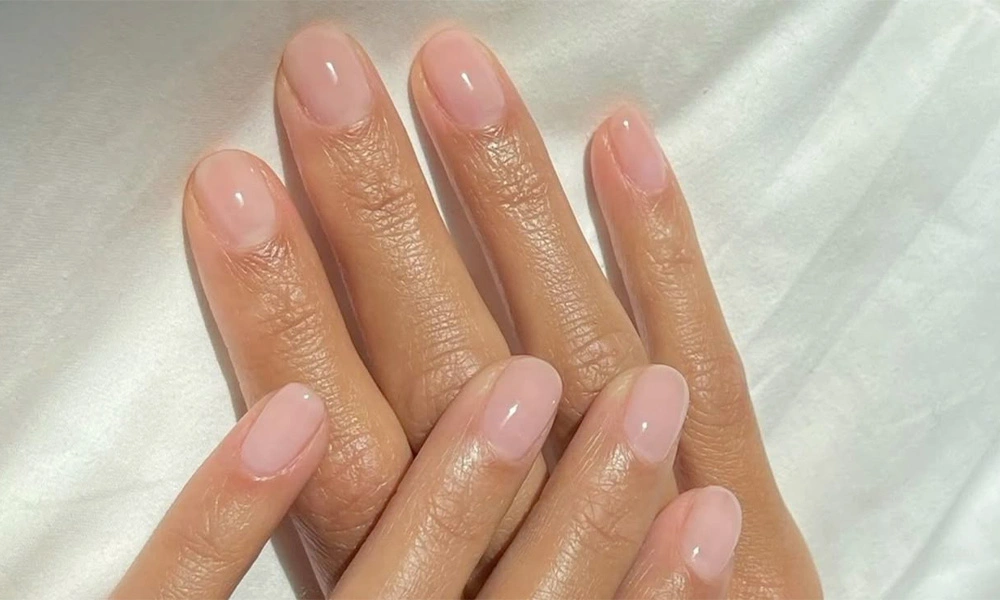
Wearing natural nails does not mean skipping style. Several understated, polished looks highlight the clean beauty of well-cared-for nails. You can explore elegant short nail designs for a simple everyday look or try subtle aura nails to add a soft touch of color and creativity.
-
The “Clean Girl” Sheer Manicure: One to two coats of a translucent pink, milky white, or neutral beige polish that evens out the nail bed while letting the natural tip show through.
-
Buffed High-Shine Bare Nails: Using a multi-sided fine buffer block to smooth minor surface imperfections and create a glass-like luster without any polish.
-
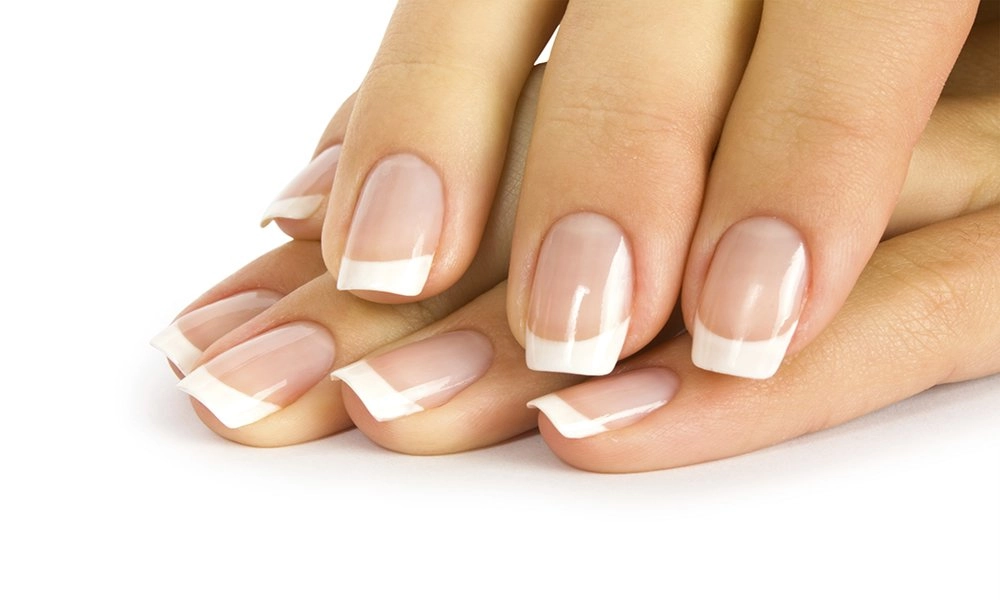
Micro-French Tips: A modern update on the classic French manicure featuring an ultra-thin white, pastel, or neutral line traced along the very edge of short natural nails.
-
Lip Gloss Nails: A high-gloss, semi-sheer finish achieved with a tinted base coat topped with a plump, shiny top coat for a hydrated appearance.
-
Short Squoval or Round Shapes: Practical, snag-resistant silhouettes that follow the natural curve of the fingertip and minimize corner breakage.
Natural Nails vs. Gel and Acrylic Enhancements
Deciding between natural nails and salon enhancements depends on your lifestyle, budget, and nail strength. The comparison below outlines how they differ across key everyday factors.
| Feature | Natural Nails | Gel Manicure (Soak-Off) | Acrylic Extensions |
| Added Length | Relies on natural growth | Relies on natural growth (unless extended) | Adds customizable length |
| Maintenance Cycle | Weekly home shaping; daily oil | Every 2–3 weeks at a salon | Every 2–3 weeks for fills |
| Removal Process | Standard polish remover or none | Acetone wrap and gentle scraping | Acetone soak and filing |
| Impact on Nail Plate | Minimal when cared for properly | Low to moderate (depends on removal) | Moderate to high if over-filed |
| Ongoing Cost | Very low (at-home tools and oil) | Moderate | High |
| Durability Against Chips | Moderate (3–7 days with regular polish) | High (up to 2–3 weeks) | Very high (3+ weeks) |
How to Build a Daily and Weekly Natural Nail Care Routine?
Consistency matters far more than expensive treatments when growing strong natural nails. A simple routine protects the keratin layers from water damage and physical stress.
Daily Habits
-
Apply Cuticle Oil Twice a Day: Oils containing jojoba, sweet almond, or vitamin E penetrate the nail plate and surrounding skin, keeping nails flexible rather than brittle.
-
Wear Gloves for Wet Work: Water causes the nail plate to swell, and drying causes it to contract. Repeated expansion and contraction weakens keratin bonds, leading to peeling. Wear lined rubber gloves when washing dishes or cleaning.
-
Moisturize After Handwashing: Apply a rich hand cream after washing your hands to replenish lost lipids in both your skin and nail folds.
Weekly Maintenance
-
File in One Direction: Use a fine-grit glass or crystal nail file (240 grit or higher). Sawing back and forth creates microscopic splits at the free edge that lead to peeling.
-
Gently Push Back Cuticles: After a warm shower, use a wooden orange stick or silicone pusher to nudge excess dead skin off the nail plate. Avoid cutting live skin, which protects the nail matrix from infection.
-
Apply a Breathable Base Coat: Even if you skip colored polish, a strengthening or ridge-filling base coat adds a physical shield against everyday bumps and moisture absorption.
How to Transition Back to Natural Nails After Acrylics or Gel
Removing long-term enhancements often leaves nails feeling thin, soft, or sensitive because the upper keratin layers were buffed during application. Recovering full strength takes patience, as a fingernail takes roughly four to six months to grow completely from base to tip.
-
Remove Enhancements Safely: Never peel, pry, or bite off lifting gel or acrylics. Peeling strips away healthy layers of your natural nail plate along with the product. Soak them off properly or have a technician remove them gently.
-
Keep Length Short Initially: Trim and file your nails down close to the fingertip during the first two months. Short nails experience far less leverage and are much less likely to bend or tear painfully while new growth comes in.
-
Skip Aggressive Buffing: Avoid buffing thin, post-acrylic nails, as this removes even more keratin. Use a smoothing base coat instead to disguise surface unevenness.
-
Prioritize Hydration Over Hardener: Formaldehyde-based nail hardeners can make already compromised nails overly rigid and prone to snapping. Focus on jojoba-based cuticle oil and keratin-supporting creams until healthy new nail growth reaches the free edge.
Common Mistakes That Weaken Natural Nails
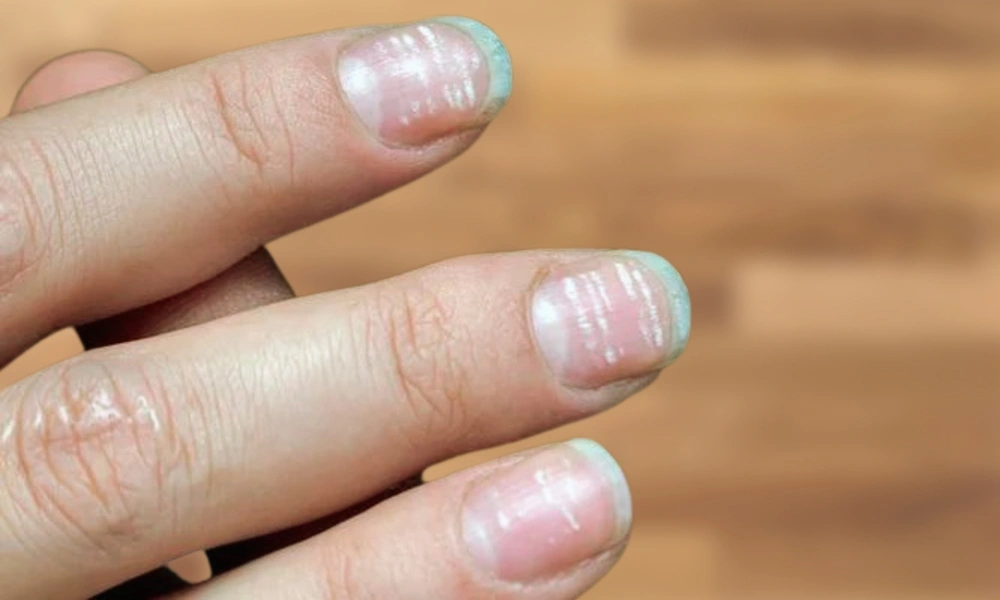
Even well-intentioned habits can undermine nail health. Watch out for these frequent missteps:
-
Using Nails as Tools: Opening soda cans, scraping off labels, or prying open packages puts sudden leverage on the free edge, causing micro-fractures and splits.
-
Over-Soaking Hands Before Manicures: Soaking fingertips in water before painting swells the nail plate. Once the nail dries and shrinks back underneath dry polish, the polish is far more likely to chip.
-
Using Coarse Emery Boards: Low-grit cardboard files designed for acrylics are too harsh for natural keratin and shred the nail edge.
-
Overusing Acetone Removers: Pure acetone strips moisture from the nail plate and surrounding skin. Opt for gentle, acetone-free removers when removing standard polish, and wash and oil your hands immediately afterward.
Frequently Asked Questions
How long does it take for damaged natural nails to grow out completely?
Fingernails grow at an average rate of about 3 millimeters per month. Depending on the length of your nail bed, it generally takes four to six months for a damaged nail to fully replace itself from cuticle to tip.
Do natural nails need to “breathe” between manicures?
Nails are made of dead keratin cells and receive all their oxygen and nutrients from your bloodstream via the nail matrix, not from the air. However, taking short breaks from polish allows you to hydrate the nail plate directly with oil and inspect the nail bed for any discoloration or changes.
What is the best nail file for natural nails?
A tempered glass (crystal) nail file or a cushioned emery board with a fine grit of 240 or higher is ideal. Glass files seal the keratin edges smoothly as you file, reducing the risk of splitting and peeling.
Why do natural nails peel at the tips?
Peeling (onychoschizia) is most commonly caused by repeated exposure to water and harsh detergents, overly dry nails, trauma from using nails as tools, or peeling off chipped nail polish. Regular cuticle oil and wearing gloves during chores usually resolve mild peeling.
Can diet affect the strength of natural nails?
Yes. Because nails are composed of protein (keratin), adequate protein intake along with nutrients like biotin, iron, zinc, and omega-3 fatty acids supports healthy growth at the nail matrix. Sudden changes in nail texture or strength can occasionally reflect nutritional gaps or underlying health conditions.
Is a clear base coat better than leaving natural nails completely bare?
For many people, yes. A quality clear base coat acts as a protective barrier that slows down water absorption and adds slight structural support against everyday knocks, especially if your nails tend to bend or split easily.
Final Thoughts
Caring for natural nails comes down to simple, protective habits rather than complicated treatments. By keeping your nails hydrated with cuticle oil, filing gently with a fine-grit glass file, and shielding your hands from excess water and harsh chemicals, you can maintain strong, clean nails that look polished with minimal effort. Whether you prefer a bare buffed sheen or a sheer neutral coat, consistent daily care is the most reliable path to healthy natural nails.
