

Square nails are a classic manicure shape defined by straight parallel sidewalls and a flat, horizontal tip that meets at sharp 90-degree corners. Known for their clean geometry, structural durability, and versatile canvas, they work well on both natural nails and acrylic, gel, or dip powder extensions.
Whether you prefer a minimalist sheer gloss, a crisp French manicure, or bold nail art, understanding how to choose, shape, and care for square nails helps you get a polished look that suits your hands and daily routine.
What Are Square Nails?
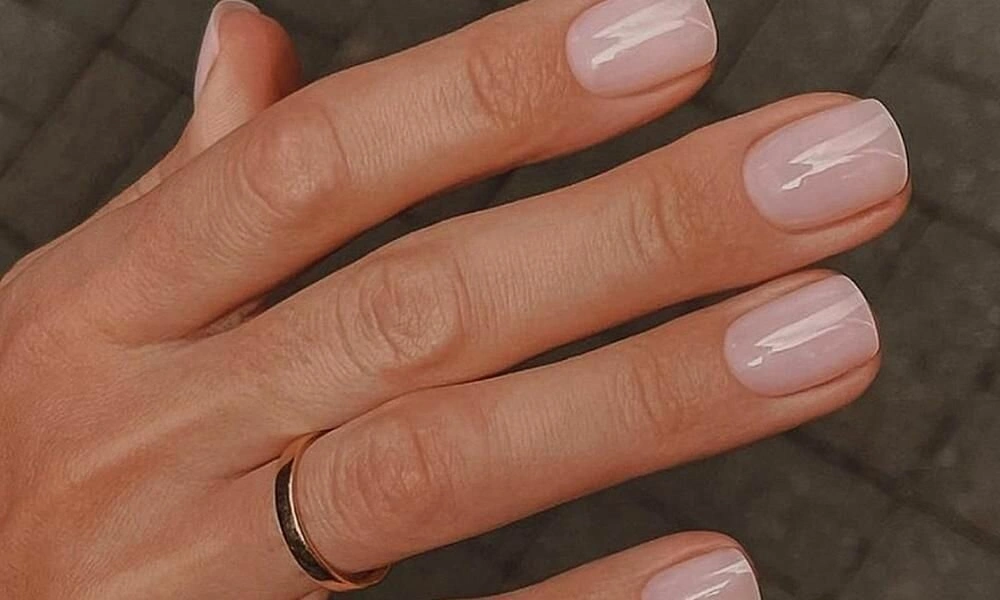
A square nail features straight side edges that grow directly out from the nail bed without tapering inward or flaring outward. The free edge the part of the nail extending past the fingertip is filed straight across, creating crisp, defined corners.
Unlike rounded or almond shapes that soften the appearance of the fingertips, square nails emphasize structure and symmetry. The flat tip provides a uniform surface area, making this shape a longtime favorite among nail technicians for detailed hand-painted art, geometric lines, and traditional French tips.
Key Characteristics of Square Nails
-
Straight sidewalls: The left and right edges run parallel to each other from the cuticle area to the tip.
-
Flat free edge: The top edge is filed perpendicular to the sidewalls.
-
Sharp corners: The outer edges form clean, distinct angles rather than curved transitions.
-
Adaptable length: While often worn short to medium, square nails can also be extended into long statement sets.
Who Do Square Nails Look Best On?
Because square nails create a strong horizontal line at the tip of the finger, they visually widen the nail plate. Choosing the right length and proportions ensures the shape flatters your natural hand structure.
-
Long, slender fingers: Square nails balance out narrow nail beds and long fingers, giving the hands a grounded, proportional appearance.
-
Wide or flat nail beds: Short-to-medium square nails follow the natural width of broader nail beds cleanly, though very short square nails on wide beds can sometimes make fingers look slightly shorter.
-
Strong natural nails: Because the corners are exposed to daily friction, people with sturdy natural nails or protective enhancements (like builder gel or acrylic) get the best wear out of sharp square corners.
If you have shorter fingers and still love the square aesthetic, opting for a medium length with a slightly narrower profile helps elongate the look of your hands without sacrificing the flat tip.
Square Nails vs. Other Popular Nail Shapes
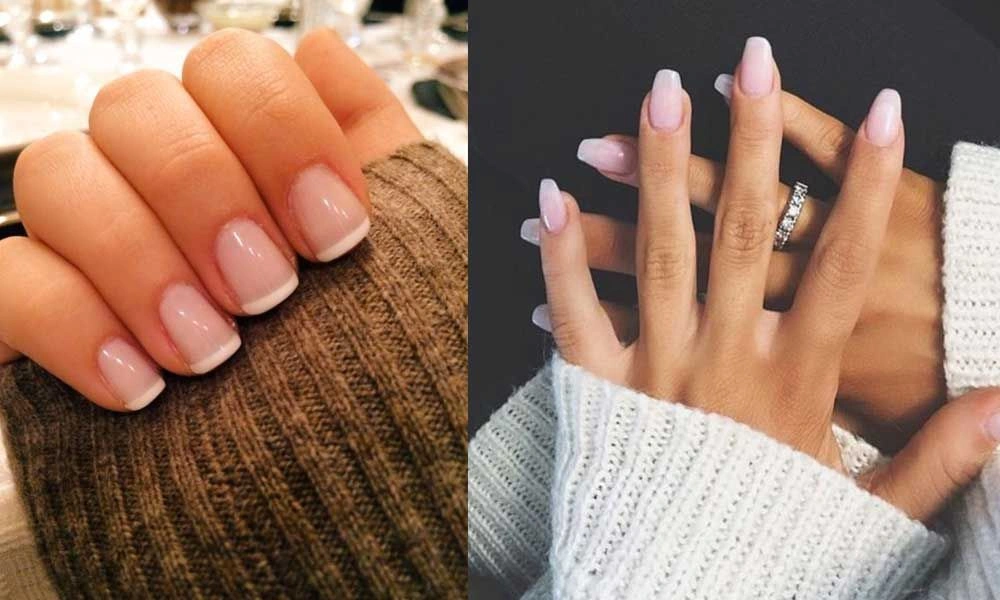
Choosing a manicure shape often comes down to balancing aesthetics with lifestyle. Here is how square nails compare to closely related styles.
| Nail Shape | Tip Profile | Sidewall Angle | Durability | Best For |
| Square | Flat, straight across with sharp corners | Straight and parallel | High overall strength, though corners can snag | Clean aesthetics, French tips, short-to-medium lengths |
| Squoval | Flat center with softly rounded corners | Straight and parallel | Very high; rounded corners resist chipping | Active lifestyles, natural nails, low-maintenance wear |
| Coffin / Ballerina | Flat, straight across | Tapered inward toward the tip | Moderate to high (best with extensions) | Medium-to-long nails, slimming the look of fingers |
| Almond | Rounded, softly pointed peak | Tapered inward | Moderate; narrower tip requires careful filing | Elongating short or wide fingers |
Square vs. Squoval Nails
Squoval nails combine the flat edge of a square nail with the curved edges of an oval nail. If you love the structured look of square nails but find that sharp corners catch on clothing or chip easily, squoval is the most practical alternative.
Square vs. Coffin Nails
Both shapes share a flat, horizontal tip, which is why they are sometimes confused. The difference lies in the sidewalls: square nails keep straight, parallel sides, whereas coffin nails taper sharply inward from the nail bed to a narrower flat tip.
Popular Square Nail Styles and Design Ideas
The flat edge and uniform width of square nails make them remarkably adaptable across lengths and finishes. For a soft, elegant look, explore milky white nails. If you prefer a quick and convenient manicure, imPress nails offer an easy alternative. For a more dramatic shape, stiletto nails provide a sharp, pointed contrast to the classic square style.
Short Natural Square Nails
Short square nails often filed just past the fingertip offer a neat, understated look that is easy to type with and manage daily. Sheer pink, milky white, nude, or single-coat glossy finishes highlight the clean geometry without feeling high-maintenance.
Classic and Micro French Manicures
The straight horizontal edge of a square nail naturally mirrors the clean smile line of a French manicure. A traditional white tip creates a crisp, timeless contrast, while a micro French using an ultra-thin line of white, pastel, or chrome along the very edge modernizes the look for shorter lengths.
Glossy Solid Colors and Chrome Finishes
Rich, opaque shades like deep burgundy, espresso brown, navy, and classic red look especially sharp on square nails because the defined corners frame the color neatly. Pearlescent or glazed chrome powders also catch the light evenly across a flat square surface.
Minimalist Line Art and Negative Space
Because the sidewalls and tip already form a natural frame, minimalist designs such as vertical pinstripes, geometric color blocking, tiny cuticle dots, or negative-space cutouts align naturally with the shape of the nail.
Medium-to-Long Acrylic or Builder Gel Sets
Longer square nails provide ample room for layered designs, encapsulated glitter, aura gradients, or 3D gel accents. At longer lengths, structural reinforcement with builder gel, hard gel, or acrylic helps keep the sidewalls straight and prevents bending.
How to File Square Nails at Home?
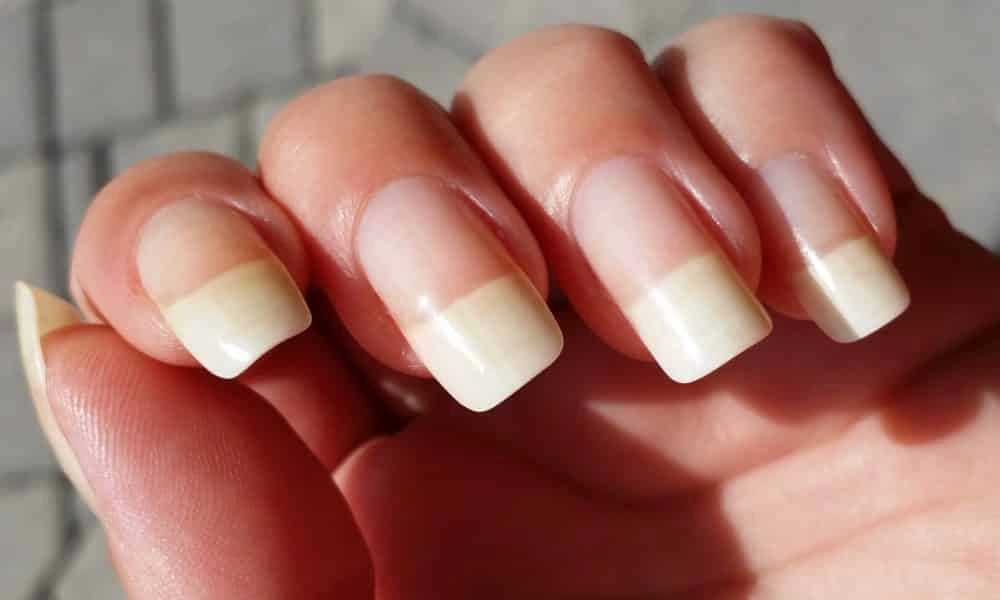
Shaping square nails at home requires patience and a gentle touch so you do not over-file the sidewalls.
-
Start with dry nails: Wet nails are softer and more prone to splitting or fraying under a file.
-
Choose the right grit: Use a 180-grit file for natural nails and a 100- to 150-grit file for acrylic or hard gel enhancements.
-
File the tip straight across: Hold the nail file perpendicular (at a 90-degree angle) to the nail. File in one direction across the free edge until the tip is flat and even.
-
Straighten the sidewalls: Gently file the left and right edges straight forward, keeping the file parallel to the sides of your finger. Avoid angling the file inward toward the center, which creates a tapered shape instead of a true square.
-
Check symmetry from multiple angles: Look at your nails with your fingers extended away from you, then turn your palm toward you to inspect the free edge from the underside. This helps spot uneven slants.
-
Refine the corners: Lightly pass a fine-grit buffer over the sharp corners just once or twice to remove rough burrs without rounding off the square angle.
Maintenance and Care Tips for Square Nails
While the flat body of a square nail is structurally strong, those 90-degree corners take the brunt of everyday wear and tear. Keeping your nails at a manageable length with practical short nail designs can help reduce accidental snags and corner breakage. You can also explore softer styles, such as aura nails, for a fresh look without relying on excessive length.
-
Apply cuticle oil daily: Hydrated nail plates stay flexible rather than brittle, which stops corners from snapping on impact.
-
Use your finger pads, not your nail tips: Opening cans, peeling stickers, or typing aggressively with the corners of square nails puts concentrated stress on the edges.
-
Keep a fine buffer handy: If a sharp corner develops a tiny snag, smooth it gently right away before it catches on fabric and tears deeper into the nail.
-
Consider a structured overlay: If your natural nails are thin or prone to peeling at the corners, a thin layer of builder gel or rubber base coat adds rigidity and helps maintain crisp edges between salon visits.
-
Schedule timely fills: For acrylic or gel extensions, maintenance every two to three weeks keeps the apex balanced so the free edge does not become top-heavy.
Common Mistakes to Avoid When Shaping Square Nails

-
Over-filing the sidewalls: Filing too deeply into the lower side edges weakens the nail structure and causes painful breaks near the skin.
-
Filing at an upward or downward tilt: Holding the file at an angle bevels the free edge, making the nail look crooked from the front. Keep the file flat against the tip.
-
Sawing back and forth aggressively: Rough back-and-forth motions create heat and micro-tears along the nail edge, leading to peeling and chipping.
-
Skipping corner smoothing: Leaving raw, razor-sharp edges after filing makes nails prone to catching on hair, knits, and bedding.
Frequently Asked Questions
Are square nails good for weak or brittle natural nails?
Square nails can work on natural nails, though sharp corners are more likely to chip if your nails are thin or dry. Keeping them short and slightly softening the corners into a squoval shape—or adding a strengthening builder gel overlay—helps prevent corner breakage.
Do square nails make fingers look wider or shorter?
Very short square nails can create a horizontal visual break that makes shorter fingers look slightly wider. Choosing a medium length or opting for narrower sidewalls helps elongate the appearance of the hand while keeping the flat square tip.
What is the difference between square and tapered square nails?
True square nails have completely straight, parallel sidewalls from base to tip. Tapered square nails angle inward slightly toward the free edge while maintaining a flat tip, sitting halfway between a classic square and a coffin shape.
How long should square nails be?
Square nails look clean at almost any length, from short sport-length nails that barely pass the fingertip to medium and long extensions. Short-to-medium lengths offer the best balance of everyday comfort and crisp shape definition.
Which nail polish finishes look best on square nails?
Glossy sheer neutrals, opaque cremes, French tips, and chrome finishes all flatter square nails well. Because the surface is flat and geometric, clean lines and high-shine top coats emphasize the precision of the shape.
How do I stop the corners of my square nails from chipping?
Daily cuticle oil, wearing gloves while washing dishes, wrapping nail polish or top coat over the free edge, and lightly buffing away rough burrs all help protect square corners from chipping.
Final Thoughts
Square nails remain a staple in nail care because their clean lines, balanced proportions, and generous surface area suit almost every style—from bare, natural manicures to intricate nail art. By keeping your sidewalls straight, choosing a length that complements your hands, and protecting the corners with regular hydration and gentle care, you can keep square nails looking sharp and polished week after week.
