
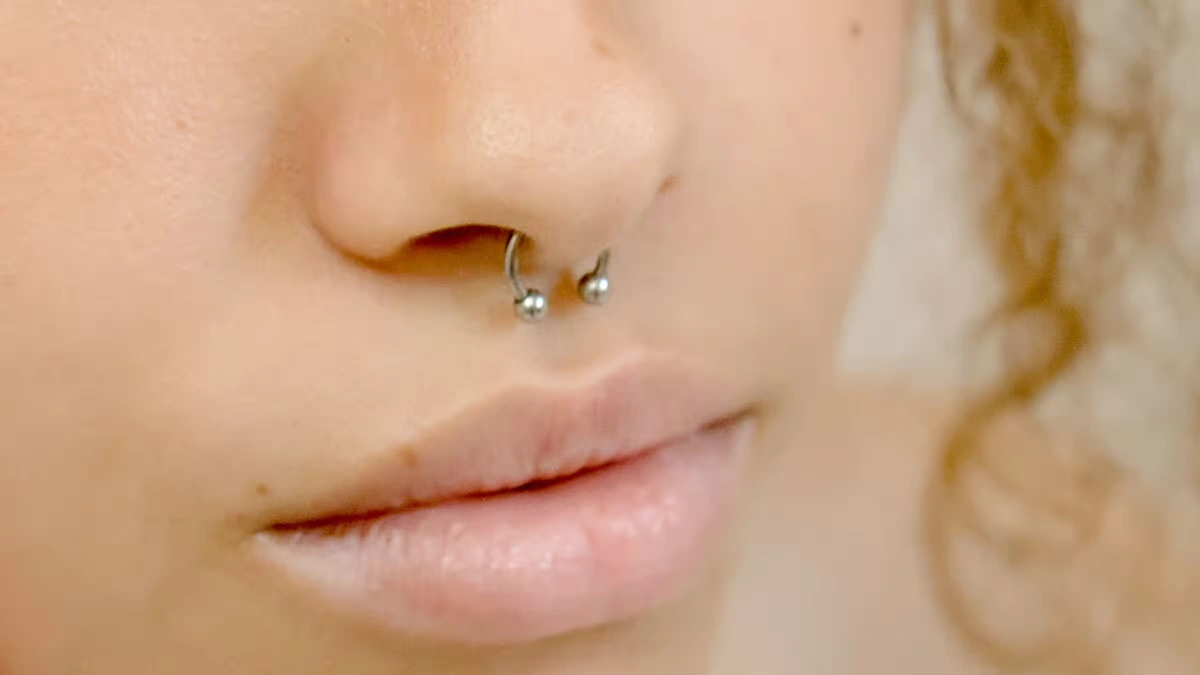
A septum piercing can change the way your face looks without requiring a large piece of jewelry or a dramatic style change. A delicate gold hoop can create a subtle, understated look, while a silver ring or circular barbell can give the same piercing a bolder personality. That versatility is one reason septum piercings appeal to people with so many different styles.
But before choosing the jewelry, it helps to understand what actually happens during the piercing, how much it hurts, how long it takes to heal, and what proper aftercare involves. A septum piercing passes through the tissue between the nostrils, ideally through a small, softer area near the front of the nasal septum rather than through the firm cartilage.
Placement matters: an incorrectly positioned piercing can be more painful and may take longer to heal. This guide explains septum piercing styles, the procedure, healing expectations, jewelry choices, cleaning, potential complications, and how to decide whether it is right for you.
What Is a Septum Piercing?
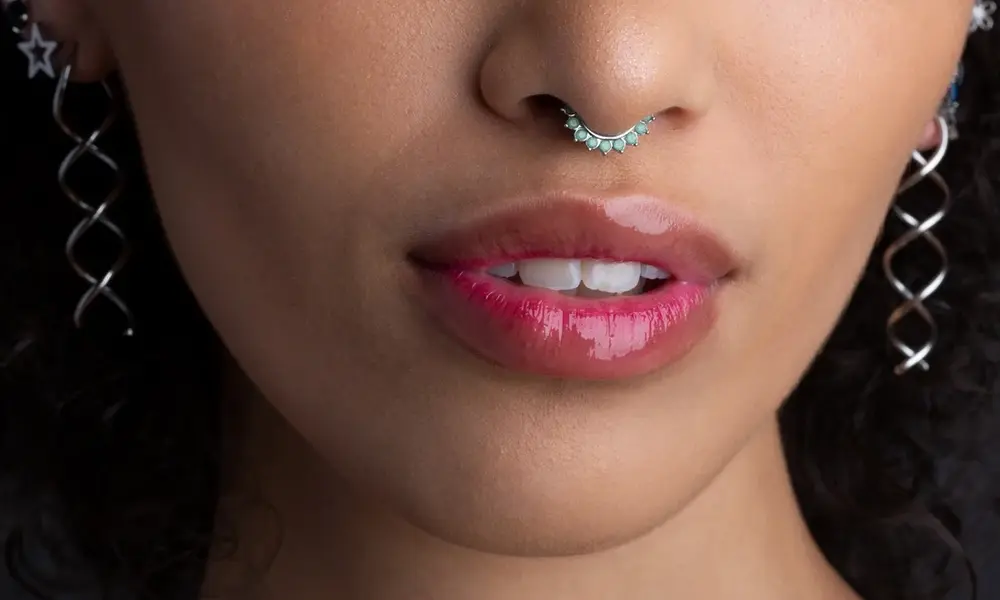
A septum piercing is a body piercing that passes through the tissue dividing the two nostrils. The jewelry sits beneath the tip of the nose, usually appearing as a small ring or curved piece that hangs between the nostrils. Unlike a nostril piercing, which passes through one side of the nose, a septum piercing is centered.
This makes it visually distinctive while allowing considerable flexibility in jewelry design. The ideal placement is often in a thin, soft-tissue area sometimes called the sweet spot. Its exact location varies from person to person. A professional piercer should assess your anatomy rather than assume that everyone’s septum is shaped the same way.
Septum piercings can suit minimalist, alternative, classic, and contemporary styles. Choosing jewelry that reflects your personal style can help you express your individuality through small but meaningful fashion choices. Their appearance depends on the jewelry’s size, metal color, shape, and position, as well as the person’s individual anatomy.
Where Does a Septum Piercing Go?
A properly placed septum piercing generally passes through soft tissue near the front of the nasal septum. The septum itself includes cartilage and other supporting structures, so the piercer must identify the appropriate tissue for your anatomy. The softer area is usually preferable because piercing through firm cartilage can cause more discomfort and may complicate healing.
However, not everyone has an obvious or accessible sweet spot. A reputable piercer should explain the planned placement, inspect your anatomy, use sterile equipment, and give you the opportunity to ask questions before proceeding. Do not attempt to locate or pierce the sweet spot yourself. Septum piercing requires suitable training, sterile technique, and an understanding of nasal anatomy.
Does a Septum Piercing Hurt?
Pain is one of the biggest questions people have before getting a septum piercing. The short answer is that it usually involves a brief, sharp sensation, but the experience varies from person to person. When the piercing passes through the appropriate soft tissue, some people describe the sensation as a quick pinch followed by watering eyes or tenderness. Others find it more uncomfortable than expected.
Eyes watering during a nose piercing can be a reflex and does not necessarily mean something is wrong. Placement makes a difference. Piercing through firm cartilage rather than the intended soft-tissue area can be more painful and may cause additional problems. This is one reason an experienced professional matters. After the procedure, the area may feel tender, swollen, or sensitive for a while.
Accidentally bumping the nose, moving the jewelry, or putting pressure on it can make the discomfort more noticeable. If you are worried about pain, tell the piercer before the procedure. A professional should explain the steps, allow you to ask questions, and never pressure you into continuing if you change your mind.
How Long Does a Septum Piercing Take to Heal?
Septum piercings are often described as healing in roughly two to four months, although individual healing times vary and some take longer. The exact timeline depends on placement, jewelry fit, aftercare, irritation, and your body’s healing response. Published guidance gives different estimates, so a calendar alone cannot confirm that a piercing is fully healed.
During the early stages, mild tenderness, slight swelling, and small amounts of pale fluid that dry into crust may occur. These symptoms should gradually improve rather than become increasingly painful or inflamed. A piercing can look healed from the outside while the tissue inside remains fragile. Avoid changing the jewelry simply because the area feels comfortable. Ask a qualified piercer to assess the healing and advise you on when a change is appropriate.
Septum piercing healing timeline
- First few days: Mild tenderness, swelling, watery eyes, or light bleeding may occur.
- First few weeks: The area may remain sensitive, particularly if the jewelry is bumped or moved.
- Following weeks: Irritation should gradually settle if the placement, jewelry, and aftercare are suitable.
- After the initial healing period: Have a piercer assess the piercing before changing jewelry or treating it as fully healed.
These stages are general expectations, not a diagnosis. Worsening pain, significant swelling, or unusual discharge should not be dismissed as normal healing.
Septum Piercing Jewelry: Which Style Should You Choose?
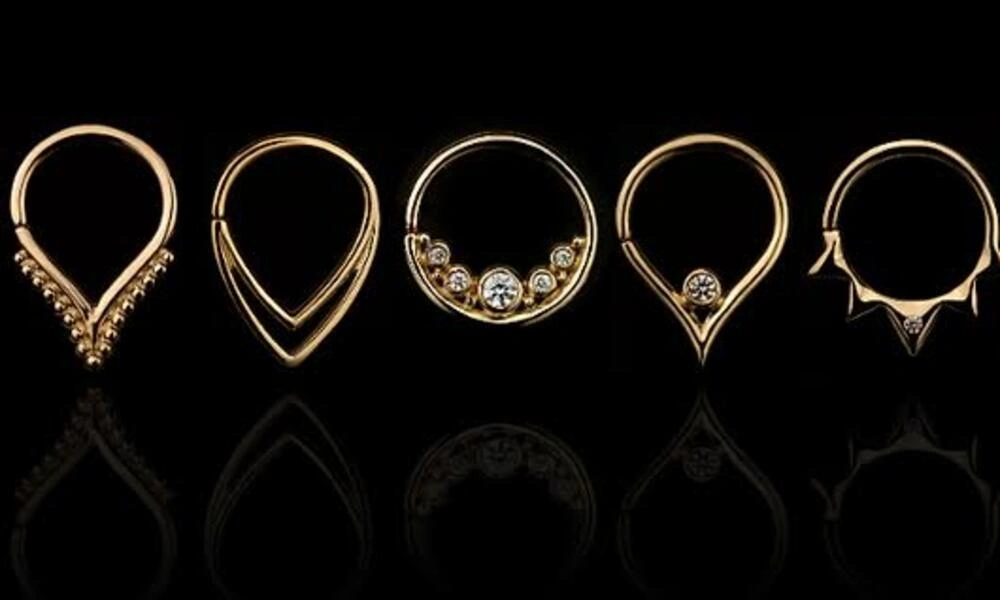
One of the best things about a septum piercing is the variety of jewelry available. The same piercing can look delicate and understated with a small ring or more dramatic with a larger circular barbell. Here are some of the most common options.
1. Circular barbell
A circular barbell is a curved piece of jewelry with a removable end on each side. Often called a horseshoe, it can create a classic alternative look. Depending on the jewelry and anatomy, the ends may be visible below the nose.
2. Seamless hoop
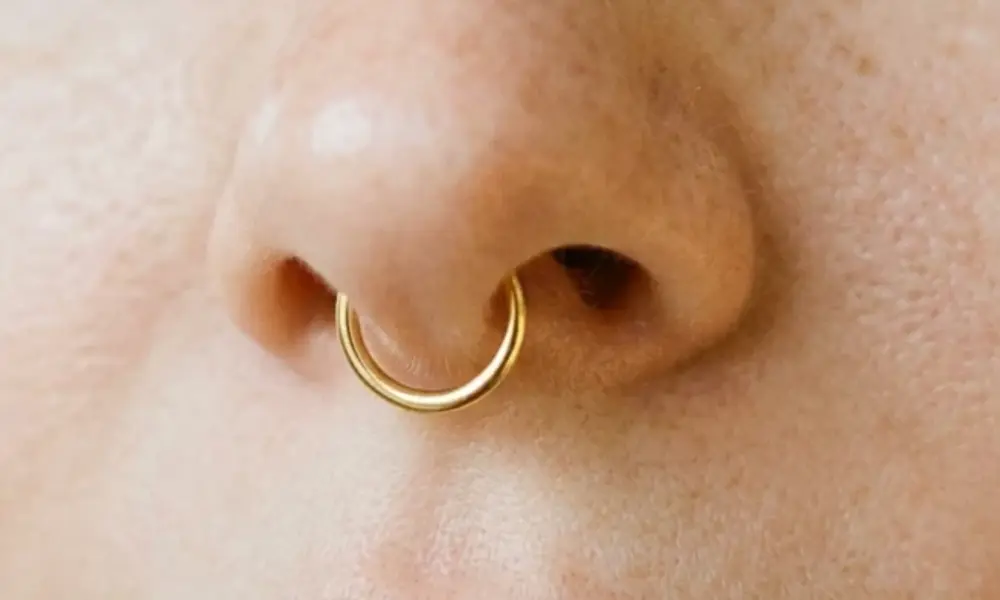
A seamless hoop creates a continuous circular appearance. Thin gold and silver hoops are popular for minimalist styles, while thicker rings make a stronger visual statement. If you prefer understated accessories, explore how quiet luxury style embraces subtle details and timeless elegance.
A hoop’s diameter needs to suit your anatomy. A ring that is too small may press against the tissue, while one that is too large may move excessively or catch on things.
3. Captive bead ring
A captive bead ring uses a small bead held between the ends of the ring. The bead adds a noticeable detail and gives the jewelry a different appearance from a seamless hoop.
4. Septum retainer
A septum retainer is designed to make the piercing less visible. Some styles can be positioned inside the nostrils, depending on their design and your anatomy. If you need to conceal a fresh piercing for work, school, or another commitment, discuss this before getting pierced. Flipping or changing jewelry during healing can irritate the tissue, and not every retainer is suitable as initial jewelry.
Beyond choosing a safe jewelry material, you may also want to consider which metal color complements your overall look. JohJos’s color analysis guide explores how personal coloring can influence choices such as gold and silver accessories.
What is the best metal for a new septum piercing?
For initial jewelry, material quality matters more than appearance alone. Reputable piercers commonly recommend suitable implant-grade titanium, appropriately certified implant-grade steel, or other materials that meet recognized standards for body jewelry. Nickel sensitivity is also worth discussing when choosing a material.
Ask the piercer what the jewelry is made from instead of relying on descriptions such as “surgical steel” without further information. The Association of Professional Piercers provides guidance on safe jewelry and professional piercing standards.
Can You Hide a Septum Piercing?
A septum piercing can sometimes be concealed by using a suitable retainer or positioning compatible circular jewelry upward inside the nostrils. This depends on the jewelry style, your anatomy, and whether the piercing has healed.
The important distinction is between hiding an established piercing and repeatedly moving a new one. During healing, flipping jewelry up and down can cause friction and irritation. If you need the piercing to remain hidden, tell your piercer before the appointment so they can discuss suitable initial jewelry and a realistic plan.
Don’t force jewelry into a position that hurts, presses tightly against the tissue, or causes bleeding. If your workplace requires concealment, ask about this requirement before choosing to get pierced.
Septum Piercing Aftercare: How to Clean It Properly
Good aftercare helps reduce avoidable irritation and supports healing. The aim is to keep the area clean without repeatedly disturbing the tissue. The Association of Professional Piercers recommends sterile saline wound wash containing 0.9% sodium chloride as the only active ingredient, along with clean hands and gentle handling.
A simple aftercare routine
- Wash your hands first. Don’t touch the piercing with unwashed hands.
- Use sterile saline wound wash. Follow the product directions and your piercer’s instructions.
- Remove loosened debris gently. Do not pick at crusts or scrape the skin.
- Dry carefully. Use clean disposable gauze or another suitable clean disposable product rather than a rough towel.
- Leave the jewelry alone. Don’t twist, spin, or repeatedly move it while cleaning.
You generally do not need to clean a piercing constantly. Over-cleaning can dry out or irritate the area and may slow healing.
What should you avoid during healing?
- Alcohol, hydrogen peroxide, and other harsh cleaning products.
- Applying makeup, fragrance, or skincare products directly to the piercing.
- Twisting the jewelry to “keep the hole open.”
- Pulling at dried discharge or crust.
- Changing jewelry without appropriate advice.
- Swimming in pools, hot tubs, lakes, or other bodies of water while the piercing is healing, unless you have specific professional guidance.
Avoid home-mixed salt solutions that are too concentrated, as they can irritate the tissue. Use sterile saline wound wash intended for wound care when available.
Septum Piercing Risks and Possible Complications
Like any piercing that breaks the skin, a septum piercing carries risks. These include infection, bleeding, allergic reactions to jewelry, irritation, scarring, and delayed healing.
Poor placement or jewelry that does not fit properly can create additional problems. Choosing a reputable professional, suitable jewelry, and appropriate aftercare can reduce avoidable risks, but no piercing is completely risk-free.
Signs that need medical attention
Contact a healthcare professional promptly if you experience:
- Increasing or severe pain, redness, or swelling.
- Thick discharge that is yellow, green, or gray, particularly if it smells unpleasant.
- Red streaks spreading away from the piercing.
- Fever, chills, or feeling generally unwell.
- Symptoms that continue to worsen rather than gradually improve.
These can indicate a complication that needs assessment. If you suspect an infection, don’t automatically remove the jewelry yourself. Removing it may complicate drainage in some situations. Seek medical advice and ask a qualified professional how to manage the jewelry safely.
What about a bump near the piercing?
A bump is not necessarily an infection. Irritation, pressure, unsuitable jewelry, and healing-related tissue changes can all contribute to problems around piercings. Avoid squeezing, popping, or treating a bump with harsh products. Have a reputable piercer assess the jewelry and placement, and seek medical care if the area is painful, hot, increasingly swollen, or producing concerning discharge.
How Much Does a Septum Piercing Cost?
The cost depends on the country, studio, piercer’s experience, and the jewelry selected. A basic piercing with standard initial jewelry will generally be priced differently from one using premium implant-grade materials or decorative ends. Before booking, ask whether the quoted fee includes:
- The piercing procedure.
- Initial jewelry and its material.
- A consultation and anatomy assessment.
- Written aftercare guidance.
- Follow-up support if irritation or fit problems occur.
If you are comparing studios, avoid making the decision on price alone. Sterile equipment, appropriate training, correct placement, and safe jewelry are more important than finding the cheapest appointment.
How to Choose a Safe Septum Piercer?

A good piercing experience begins before the needle is used. The studio should be clean, the piercer should explain the procedure, and you should feel comfortable asking questions. Before committing, look for these signs:
- Anatomy assessment: The piercer examines your nose and explains where the piercing can safely sit.
- Sterile equipment: They use appropriate sterilization procedures and sterile, single-use needles where required.
- Safe jewelry: They can identify the material and explain why it is appropriate for a new piercing.
- Clear aftercare: You receive practical written instructions rather than vague advice.
- Informed consent: They explain potential risks, discuss your concerns, and do not pressure you.
- Follow-up support: They explain how to contact them if you have questions during healing.
Ask to see the studio’s hygiene practices and confirm that tools are handled safely. Professional standards and local regulations vary, so check any applicable licensing or inspection requirements in your area. The Association of Professional Piercers offers additional guidance on evaluating a piercer and studio.
Who Should Think Carefully Before Getting a Septum Piercing?
A septum piercing may not be the right choice for everyone at every moment. If you have a current nasal infection, irritated skin in the area, or a health condition that could affect wound healing, discuss the situation with a healthcare professional before booking.
You should also consider your work or school requirements, sports, and daily activities. If you regularly play contact sports or must remove facial jewelry, a piercing may be inconvenient. Even a healed piercing can shrink or close after jewelry is removed, and the speed varies between people. If you’re unsure, begin by trying a non-piercing faux septum ring. It lets you see how the style looks on your face without committing to a healing wound.
Frequently Asked Questions About Septum Piercings
Is a septum piercing more painful than a nostril piercing?
It depends on your anatomy, the placement, and your personal pain tolerance. A properly placed septum piercing through soft tissue may feel like a brief pinch, while piercing through firm cartilage can be more uncomfortable.
How long does a septum piercing take to heal completely?
Healing commonly takes a few months, but the timeline varies. Don’t assume it is fully healed just because tenderness has disappeared. Have a qualified piercer assess it before changing jewelry.
Can I blow my nose with a new septum piercing?
Yes, but be gentle. Avoid forceful wiping, catching the jewelry on tissues, or repeatedly moving the ring. Follow your piercer’s aftercare instructions and clean the area gently if mucus or debris accumulates.
Can I change my septum jewelry after two weeks?
Two weeks is generally too early to change a fresh septum piercing yourself. Early changes can irritate the tissue and disrupt healing. Ask your piercer when a change is appropriate for your particular piercing.
Can I flip my septum piercing up while it heals?
Some jewelry can be positioned upward, but repeatedly flipping it during healing can cause irritation. If you need to conceal the piercing, discuss your requirements with your piercer before the procedure.
Final Thoughts
A septum piercing can be a subtle accessory or a defining part of your personal style. From a delicate gold hoop to a classic silver horseshoe, the right jewelry can create very different looks without changing the location of the piercing itself.
Before making your decision, consider the placement, pain, healing period, jewelry material, and aftercare. Choose a reputable professional who prioritizes anatomy and hygiene, and be prepared to care for the piercing while it heals.
The best septum piercing is not simply the one that looks good in a photograph. It is one that is appropriately placed, comfortably fitted, safely cared for, and suited to your everyday life.
Editorial note: This article provides general educational information, not a personal medical diagnosis. For piercing complications or suspected infection, seek advice from a qualified healthcare professional.
