
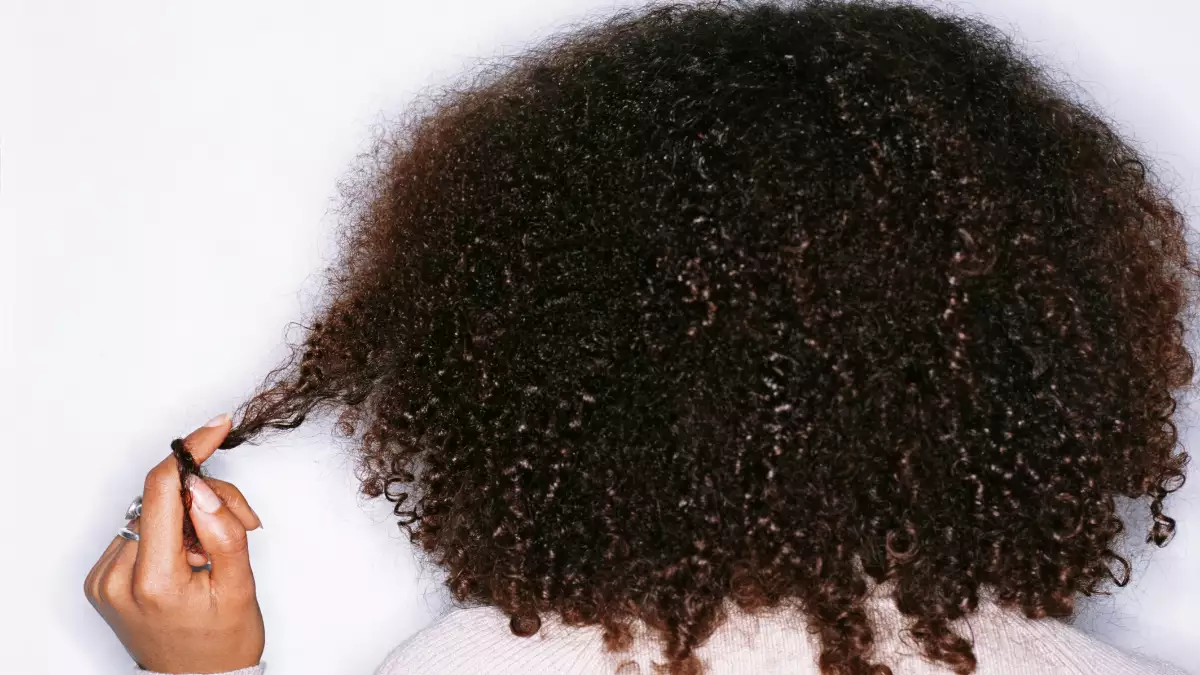
4C hair is characterized by tight, springy coils, a dense visual volume, and significant natural shrinkage. Because of its unique anatomical structure, 4C hair is the most delicate of all natural hair types, requiring consistent hydration, gentle physical handling, and low-manipulation styling routines to thrive.
Understanding 4C hair means recognizing that high shrinkage is a primary indicator of healthy elasticity, structural integrity, and moisture absorption not a flaw or an obstacle to overcome. With a tailored care routine built around deep moisture retention, gentle detangling techniques, and protective care, 4C hair can achieve substantial length retention, optimal scalp health, impressive strength, and clear coil definition.
What Is 4C Hair?
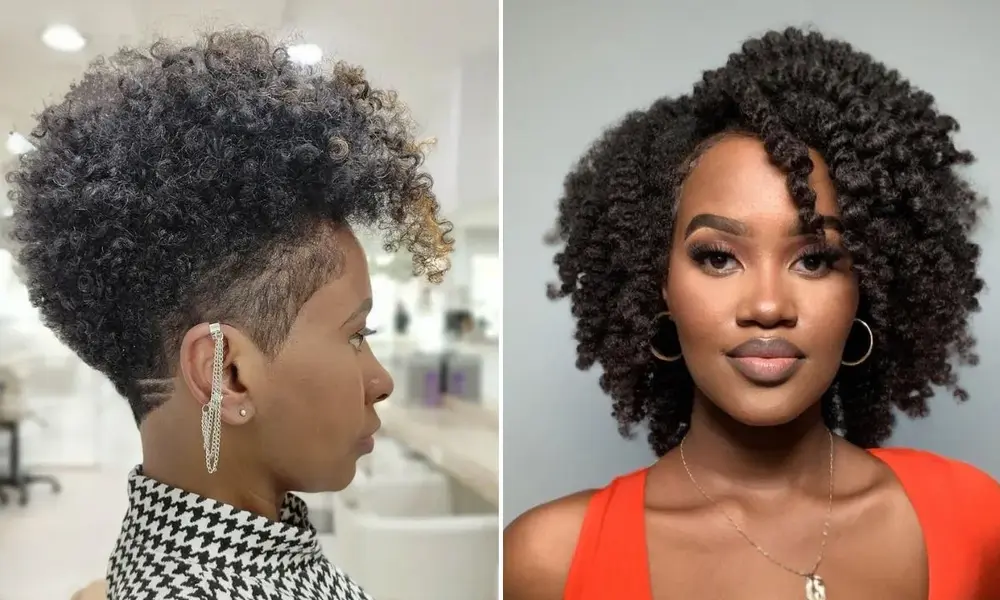
The Andre Walker Hair Typing System categorizes hair from Type 1 (straight) to Type 4 (coily). Within Type 4, 4C represents the tightest and most tightly wound coil pattern. While choosing suitable styling tools, people with different hair textures can also explore options like the Shark hair dryer for their hair care routines.
Key Characteristics of 4C Hair
-
Tight Coil Pattern: 4C strands feature a tight, intricate “Z” or sharp “S” shape pattern. Unlike Type 4A or 4B hair, 4C coils may not always display a clearly defined curl shape without the intentional application of specialized styling products.
-
High Natural Shrinkage: 4C hair can shrink anywhere from 70% to 75% (and sometimes up to 80%) of its actual extended length when exposed to moisture, water, or ambient humidity.
-
Fragile Structural Integrity: The sharp bends and angles along each individual coily strand create natural weak points. Furthermore, these tight turns prevent natural scalp oils (sebum) from efficiently traveling down the hair shaft, leaving the ends particularly vulnerable to dryness, single-strand knots, and mechanical breakage.
-
Varied Density and Texture: 4C hair spans a wide spectrum, ranging from fine individual strands to thick, coarse fibers. Visually and tactilely, it can feel soft, pillowy, cottony, or wiry depending on porosity levels, cortex thickness, and overall hydration.
The Essential 4C Hair Care Routine
Maintaining healthy, vibrant 4C hair revolves around four core practices: gentle cleansing, regular deep conditioning, methodical moisturizing, and patient detangling. Once your hair is properly cared for, you can explore different hair styles that complement your natural 4C texture.
1. Cleansing Without Stripping
Using harsh shampoos packed with aggressive sulfates strips away essential natural oils, drastically worsening baseline dryness. Cleanse your hair every 7 to 14 days using a moisturizing, sulfate-free shampoo. Incorporate a clarifying shampoo once per month to thoroughly dissolve product buildup, dead skin cells, and hard water minerals from the scalp.
2. Deep Conditioning Regularly
Deep conditioning after every single wash cycle is a non-negotiable step for the 4C texture. Look for rich formulas packed with fatty alcohols, natural oils (such as avocado, jojoba, or argan oil), and hydrolyzed proteins if your hair exhibits signs of damage or structural weakness. Applying indirect heat—via a thermal conditioning cap, steamer, or warm towel for 20 to 30 minutes—temporarily lifts the cuticle layer, allowing deep hydration to penetrate the cortex effectively.
3. Mastering the LOC and LCO Methods
The LOC (Liquid, Oil, Cream) or LCO (Liquid, Cream, Oil) method layers products in a specific order to lock hydration deep into the hair shaft for days:
-
Liquid/Water: Always start with pure water or a lightweight, water-based leave-in conditioner to supply foundational hydration.
-
Cream: Apply a thick, rich moisturizing cream or botanical butter (such as shea or mango butter) to smooth down the cuticle scale and smooth the strand.
-
Oil: Finish by sealing everything in with a high-quality natural oil (such as extra virgin olive oil, castor oil, or almond oil) to lock in the moisture barrier.
4. Gentle, Systematic Detangling
Never attempt to detangle 4C hair while it is completely dry. Dry manipulation causes micro-tears along the cuticle and leads to severe breakage. Always work in small, manageable sections while the hair is completely saturated with water and a slippery, high-slip conditioner. Use your fingers first to gently separate large knots, followed by a wide-tooth comb or a flexible detangling brush working meticulously from the ends up to the roots.
Managing Shrinkage and Length Retention
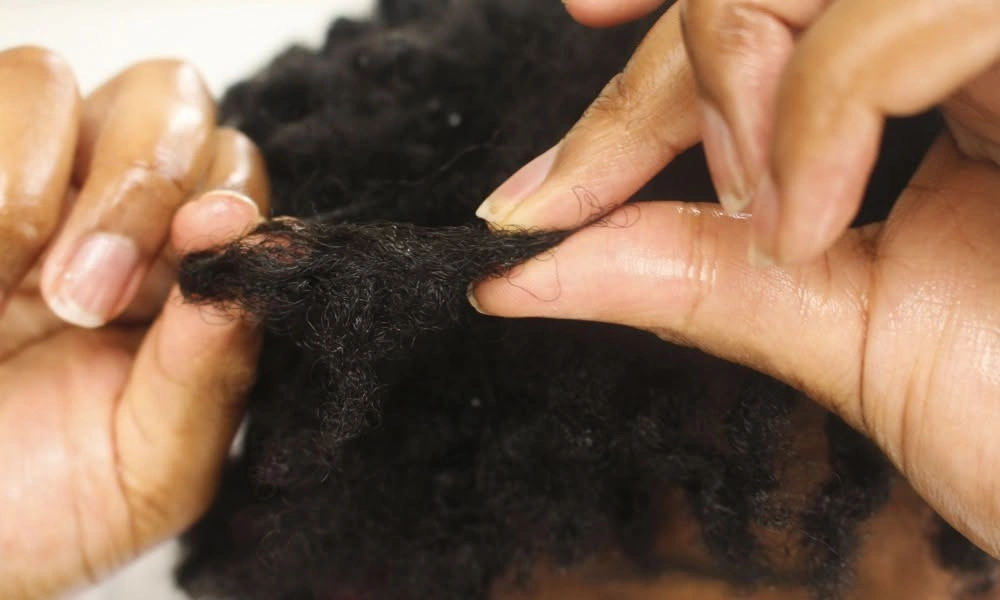
Because 4C hair grows at the standard human average of roughly half an inch per month, length retention comes down entirely to minimizing end-of-strand breakage so that visual growth can outpace natural shedding cycles.
| Practice | Impact on 4C Hair | Key Considerations |
| Protective Styling | High | Tucks fragile ends away to prevent environmental damage, dry air, and clothing friction. |
| Heat Stretching | Medium | Temporarily stretches coils without water; carries heat damage risks if overused or un-protected. |
| Braid-outs / Twist-outs | High | Delivers physical stretch, volume, and uniform definition without exposure to thermal stress. |
| Nighttime Care | High | Eliminates moisture loss and friction against bedding by utilizing silk or satin barriers. |
Effective Stretching Techniques Without Direct Heat
-
African Threading: Wrapping smooth cotton or weaving thread firmly around sections of damp hair produces maximum length stretch overnight without any thermal damage whatsoever.
-
The Banding Method: Placing soft elastic hair bands at intervals along damp sections of hair holds the strand taut as it dries, elongating the coil pattern naturally.
-
Braids and Twists: Braiding or twisting damp, well-moisturized hair into 4 to 8 sections and allowing them to air-dry completely stretches the hair while setting a soft, uniform wave pattern.
Best Styles for 4C Hair
Protective and low-manipulation styles are essential for long-term length retention because they keep delicate ends safely tucked away while reducing daily manipulation. Understanding different hair textures, such as 2A hair, can also help you choose styling techniques that suit your natural hair type.
-
Box Braids and Knotless Braids: Exceptional choices for long-term protection. Ensure tension on the scalp and hairline edges is strictly minimal to prevent traction alopecia.
-
Two-Strand Twists: Simple to install and remove at home without professional assistance. Can be worn as a protective style for weeks or unraveled for a voluminous twist-out.
-
Cornrows and Flat Twists: Sleek, low-tension braided designs that protect the hair while serving as an ideal base under wigs, headwraps, or crochet extensions.
-
High Buns and Tucked Updos: Versatile daily styles that lift fragile ends off shirt collars and shoulders, eliminating friction-induced breakage.
Common 4C Hair Care Mistakes to Avoid
-
Neglecting Nighttime Protection: Sleeping directly on cotton pillowcases rapidly absorbs essential moisture and creates heavy friction. Always wrap your hair in a satin or silk bonnet/scarf, or sleep on a dedicated silk pillowcase.
-
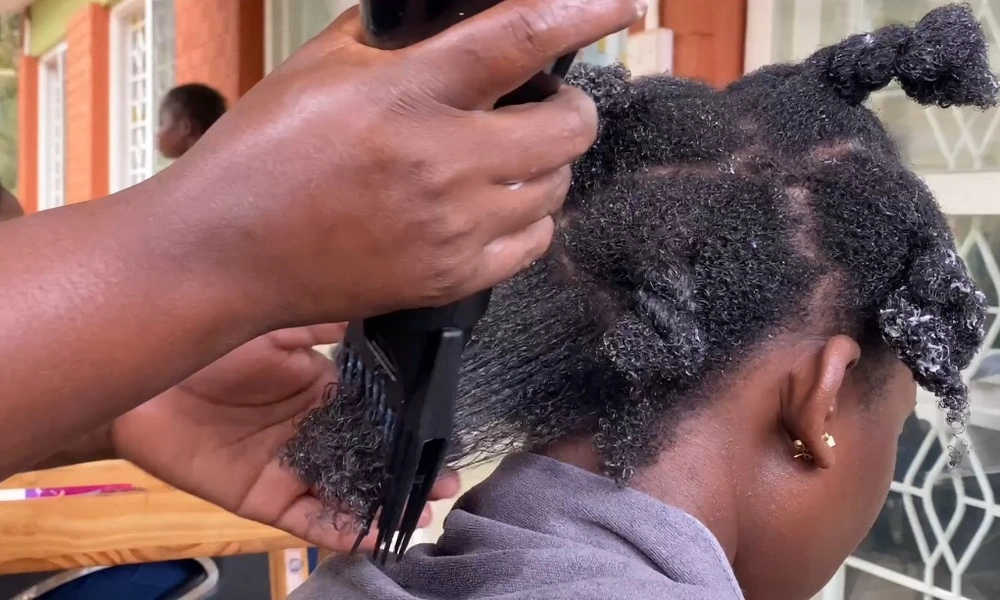
Over-Manipulating Strands: High-frequency daily combing, picking, and constant restyling cause ongoing mechanical stress and breakage. Stick to low-manipulation styles that last for several consecutive days.
-
Skipping Regular Trims: Neglecting split ends allows them to travel further up the hair shaft over time, causing severe tangling, matting, and ultimate breakage. Trim ends every 3 to 4 months or as needed.
-
Applying Heavy Sealants to Dry Hair: Pure sealants like raw shea butter or heavy castor oil contain no water, they only lock in existing moisture. Applying them to bone-dry hair seals moisture out, worsening dryness. Always apply sealants over water or water-based leave-in products.
Frequently Asked Questions
How often should 4C hair be washed?
Washing every 7 to 14 days is ideal for most 4C hair routines. This timeframe keeps the scalp clean, removes product buildup, and refreshes moisture levels without stripping away the scalp’s natural protective sebum.
Why does 4C hair shrink so much?
Shrinkage occurs because 4C coils possess a tight, spring-like structural pattern that contracts as water evaporates. High shrinkage is a clear indicator of proper elasticity, healthy protein structures, and optimal internal moisture absorption.
Can 4C hair grow long?
Yes, absolutely. 4C hair grows at the exact same average rate as all other hair types (approximately six inches per year). Achieving long 4C hair depends on effective length retention protecting the fragile ends from breaking off faster than the hair grows from the root.
What is the difference between 4B and 4C hair?
4B hair features a distinct “Z” shape pattern with somewhat more visible curl definition when wet, whereas 4C hair consists of significantly tighter, denser coils that typically do not clump together naturally without specific styling products and techniques.
Should you oil your scalp daily?
Daily heavy oiling can clog scalp pores, disrupt the natural scalp microbiome, and attract environmental dust. Instead, oil your scalp only 1 to 2 times per week with lightweight oils if dryness occurs, focusing heavy oil application primarily on the mid-lengths and ends.
Is heat damaging to 4C hair?
Frequent or high-heat styling breaks down the delicate hydrogen and disulfide bonds in natural coils, resulting in irreversible heat damage, loss of elasticity, and altered curl patterns. Always use a quality heat protectant and reserve direct heat tools for rare, special occasions.
What is hair porosity and why does it matter for 4C hair?
Porosity refers to your hair’s ability to absorb and retain moisture. High-porosity hair absorbs water quickly but loses it just as fast, requiring heavy creams and butter to seal. Low-porosity hair has tightly closed cuticles that resist water, requiring heat during deep conditioning to open the shaft.
Final Thoughts
Caring for 4C hair requires patience, intentional moisture management, and consistently gentle physical handling. By establishing a balanced routine that prioritizes deep hydration, low manipulation, proper nighttime protection, and protective styling, you can maintain strong, healthy coils while achieving steady length retention. Embrace your hair’s inherent volume, versatility, and elasticity with the right care and attention; 4C hair will thrive.
