
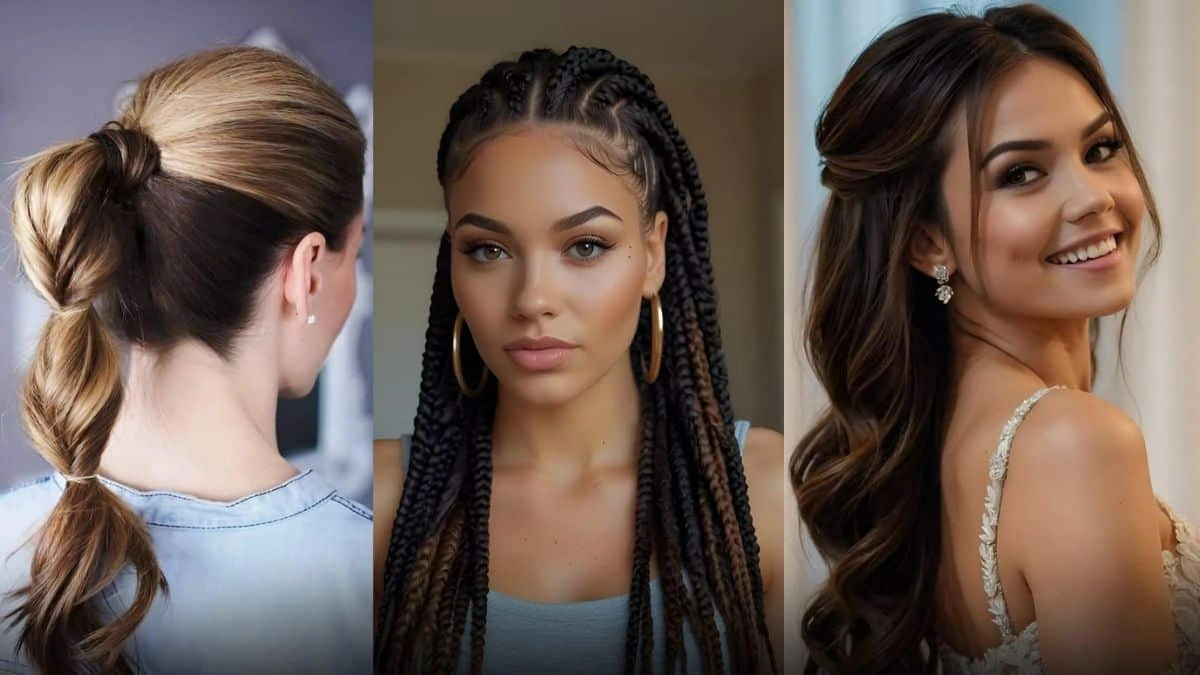
Choosing the right hair style is one of the quickest ways to refine your overall aesthetic, complement your natural features, and boost your daily confidence. With thousands of trends, cuts, and techniques cycling through salons each year, finding a look that fits your unique personality and lifestyle can feel overwhelming. Furthermore, a great hair style goes beyond following current fashion trends because it works harmoniously with your facial structure, hair density, texture, and personal routine.
Whether you want a dramatic transformation, a low-maintenance trim, or guidance on styling your natural texture, understanding the fundamentals of hair styles helps you make informed choices before you sit in the salon chair.
Understanding Hair Styles: Texture, Density, and Shape
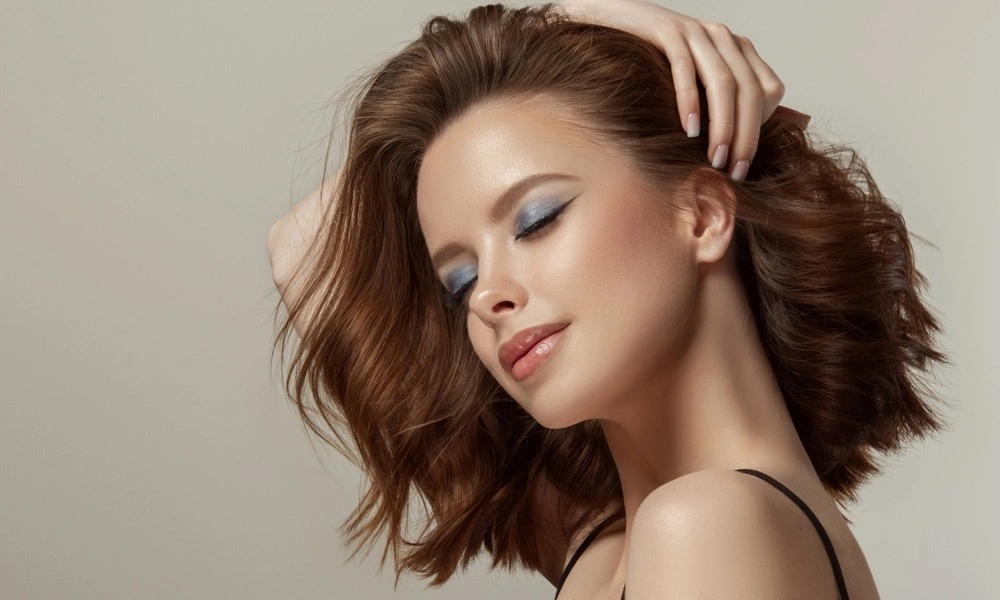
Before committing to a specific cut, it is essential to evaluate three physical attributes: hair texture, density, and face shape. Consequently, these core elements determine how a hair style falls, holds volume, and behaves throughout the day, while decorative options like hair tinsel can add a touch of sparkle to your finished look.
Hair Texture and Patterns
Hair texture generally falls into four main categories, and each requires a different approach to cutting and styling:
-
Straight (Type 1): Straight hair lies flat against the scalp and reflects light easily, giving it high natural shine. As a result, cuts that feature precise lines, blunt edges, or structured layers work particularly well.
-
Wavy (Type 2): Wavy hair features S-shaped bends ranging from subtle body to defined waves. In addition, layered cuts enhance movement and prevent a bulky, triangular silhouette.
-
Curly (Type 3): Curly hair forms defined loops and ringlets. Because curl patterns bounce up as they dry, cuts must accommodate natural shrinkage and shape build-up.
-
Coily/Kinky (Type 4): Coily hair features tight z-shaped or spiral patterns with significant density and volume. Therefore, protective styles, tailored shaping, and hydration-focused cuts keep coily hair defined and resilient.
Hair Density
Density refers to the number of individual strands on your head per square inch, which is categorized as thin, medium, or thick. High-density hair benefits from weight-removal techniques like point cutting or interior layering. Meanwhile, low-density hair thrives with blunt perimeters and strategic stacking that create the illusion of fuller volume.
Face Shapes and Balance
A well-executed hair style creates visual balance by highlighting your favorite facial features while softening sharp angles:
-
Oval: Naturally balanced; as a result, it accommodates almost any length or style, from sleek pixies to flowing layers.
-
Round: Benefits from vertical length, height at the crown, and side-swept bangs to elongate appearance.
-
Square: Softened by textured layers, wispy curtain bangs, and soft, shoulder-length cuts that diffuse a strong jawline.
-
Heart: Works best with chin-length bobs, side parts, and jaw-level volume to balance a broader forehead and narrower chin.
-
Oblong/Long: Enhanced by wider side volume, full fringe, and medium-length waves that add horizontal width.
Popular Categories of Hair Styles
Short Hair Styles
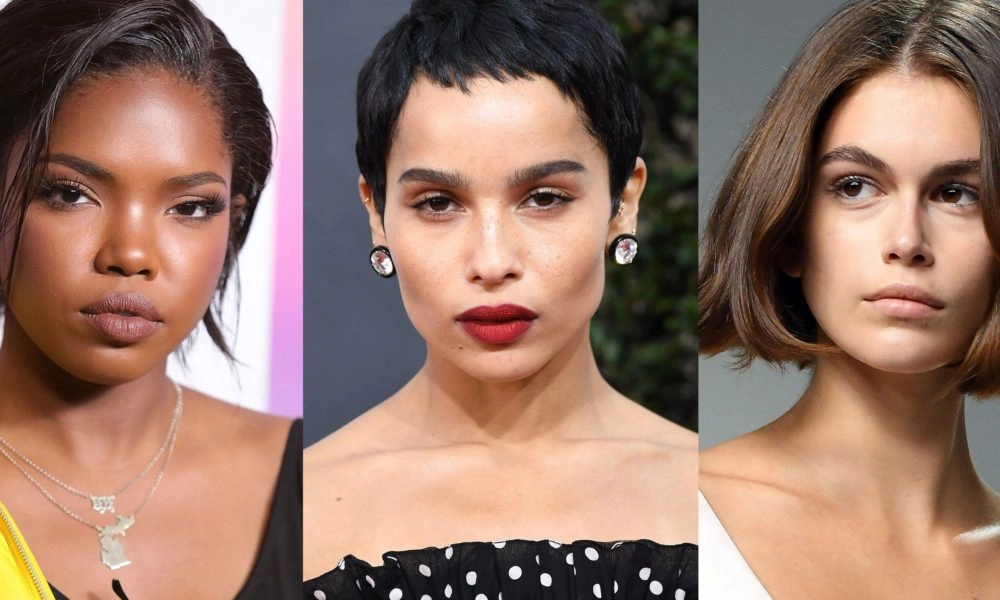
Short cuts offer bold framing, modern edge, and exceptionally fast styling routines.
-
The Pixie Cut: A classic crop featuring short back and sides with longer length on top. Furthermore, modern variations include textured pixie-bobs, undercut pixies, and feathered layers.
-
The Buzz Cut & Crew Cut: Minimalist cuts emphasizing facial structure and head shape, offering maximum simplicity and low product usage.
-
The French Bob: A jaw-length bob cut clean across, often paired with brow-grazing fringe for a chic, timeless profile.
Medium Hair Styles
Medium-length cuts strike an ideal balance between versatility and manageable daily care.
-
The Classic Lob (Long Bob): Resting right around the collarbone, the lob works across all hair types and can be styled straight, wavy, or pulled into an updo.
-
The Shag Cut: A heavily layered cut featuring choppy ends, a feathered crown, and full texture. Thus, it emphasizes natural wave and movement with minimal heat styling.
-
The Shoulder-Length Layered Cut: Incorporates subtle face-framing pieces to add movement without stripping density from thin hair.
Long Hair Styles
Long hair provides the maximum variety for styling, braids, updos, and heat work.
-
Long Blunt Cut: Keeps weight dense at the perimeter, delivering a polished, high-shine finish ideal for fine-to-medium straight hair.
-
V-Cut and U-Cut Layers: Shapes long hair toward the back, creating cascading length while removing excess weight from the sides.
-
Curtain Bangs with Long Layers: A soft, 70s-inspired style that frames the eyes and cheekbones, transitioning seamlessly into long cascading lengths.
Protective and Textured Hair Styles
Protective options safeguard natural hair from environmental wear and friction while promoting retention and low daily maintenance.
-
Box Braids and Knotless Braids: Versatile braided styles where hair is sectioned into square or diamond patterns. Additionally, knotless techniques reduce tension on the scalp.
-
Locs and Microlocs: A long-term style where strands intertwine and mature over time into uniform, structured locks.
-
Twist-Outs and Wash-and-Gos: Natural styling methods that define inherent curl patterns using hydration products and diffuse-drying.
Comparing Low-Maintenance vs. High-Maintenance Styles
When selecting a hair style, evaluate the daily commitment required to keep the cut looking fresh, especially if your look includes hair dye that requires regular color maintenance.
| Style Type | Examples | Daily Prep Time | Recommended Trim Frequency | Best Suited For |
| Low Maintenance | Long layers, One-length cuts, Natural wave shags, Knotless braids | 5–10 minutes | Every 10–12 weeks | Busy schedules, natural air-drying preferences |
| Medium Maintenance | Classic Bobs, Shoulder Lobs, Soft Fringe, Textured Pixies | 15–20 minutes | Every 6–8 weeks | Regular blow-drying or light heat tool usage |
| High Maintenance | Precision Blunt Bobs, Full Micro-Bangs, Platinum Pixies, Sleek Updos | 20–40 minutes | Every 3–5 weeks | Detailed styling routines, precise structure goals |
Practical Considerations for Choosing Your Style
1. Daily Lifestyle and Routine
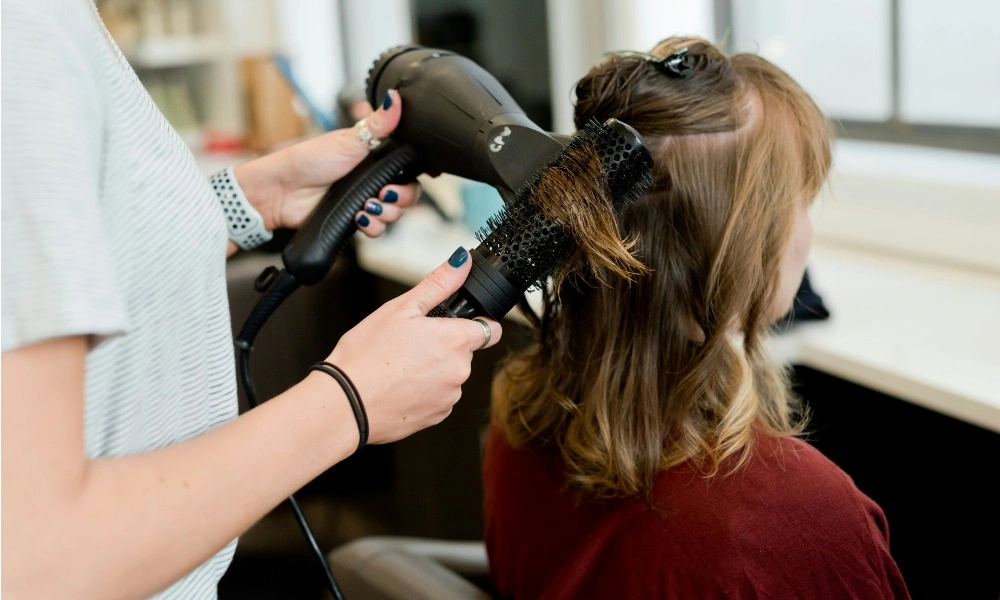
If your morning routine allows only ten minutes before leaving the house, a precision style requiring daily round-brush blowouts will lead to frustration. Therefore, be realistic about the time and effort you are willing to invest in styling tools, products, and treatments, including color-maintenance routines for shades such as brown hair.
2. Climate and Environment
Humidity, wind, and dry indoor heat impact how your hair behaves. High humidity causes wavy and curly hair to expand and frizz, making moisture-sealing oils and layered cuts advantageous. Conversely, dry winter air produces static in fine, straight textures, which benefit from weightier creams and smooth blunt edges.
3. Styling Tool Investment
Achieving specific finishes requires appropriate equipment. Sleek straight looks demand quality flat irons and heat protectants, whereas defined curls rely on diffusers, wide-tooth combs, and leave-in conditioners. Furthermore, factor in product costs and tool requirements before making a drastic cut change.
Essential Hair Maintenance and Care Tips
Keeping your chosen hair style crisp and vibrant relies heavily on foundational hair health, proper upkeep, and choosing the right hair cut to maintain its shape and overall appearance.
-
Schedule Regular Trims: Split ends travel up the hair shaft if left unaddressed, compromising overall shape and health. Therefore, trim short cuts every 4 to 6 weeks and medium-to-long cuts every 8 to 12 weeks.
-
Use Heat Protection: Always apply a thermal heat protectant spray or serum prior to using blow dryers, curling wands, or flat irons to prevent strand damage and breakage.
-
Tailor Product Choices: Choose shampoos, conditioners, and styling aids formulated specifically for your hair texture and scalp needs (e.g., volumizing mousse for fine hair; rich butter creams for coily hair).
-
Protect Hair Overnight: Sleep on silk or satin pillowcases, or wear a satin bonnet. Consequently, smooth fabric surfaces minimize friction, prevent tangles, and preserve hair moisture while you sleep.
Common Hair Styling Mistakes to Avoid
-
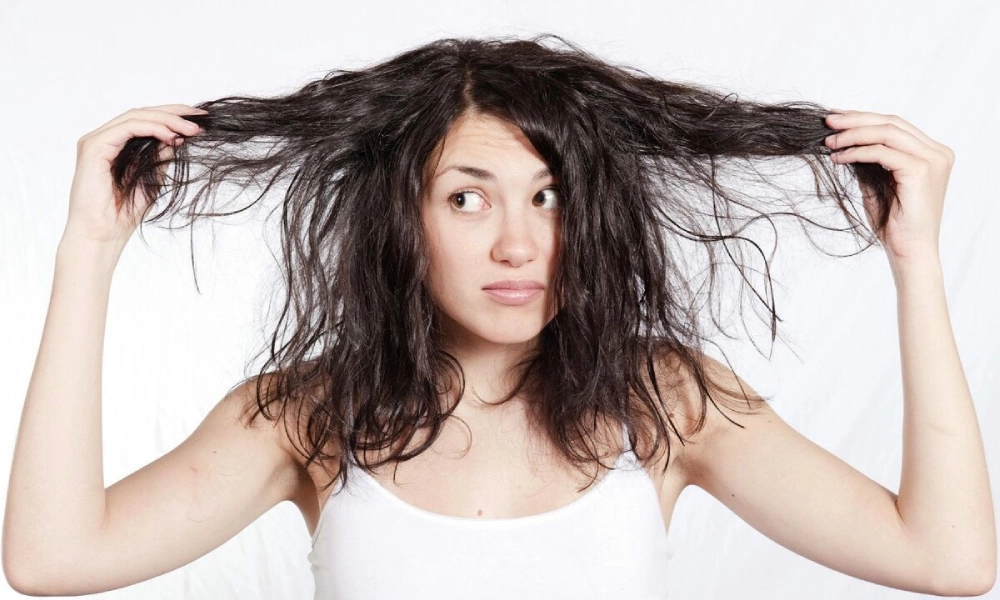
Cutting Hair Without Factoring Shrinkage: Curly and coily textures spring up significantly once dry. As a result, cutting textured hair while wet without accounting for shrinkage often leads to shorter results than intended.
-
Ignoring Scalp Care: Healthy hair growth stems from a balanced scalp. Because buildup from heavy products can clog follicles, it dulls hair shine and slows healthy growth. Use a clarifying shampoo once or twice a month to remove residue.
-
Over-Relying on Heat: Using high heat daily strips hair of its natural moisture, leading to dullness, frizz, and irreversible breakage. Instead, embrace heatless styling methods like flexi-rods, braid-outs, or silk heatless rollers.
-
Choosing a Style Based Solely on Photos: Inspiration photos are helpful references, but they show hair on a specific face shape, density, and texture. Therefore, always adapt a reference photo with your stylist to suit your unique hair characteristics.
Frequently Asked Questions
How do I know which hair style suits my face shape best?
Start by identifying your face shape through measuring or observing the proportions of your forehead, cheekbones, jawline, and overall length. Next, aim for a style that creates balance: add volume on top for rounder faces, use soft layers to diffuse square jawlines, and add side width for longer, oblong faces.
How often should I change or trim my hair style?
Hair typically grows about half an inch per month. To maintain the exact structure of a short or detailed cut, trim every 4 to 6 weeks. However, for longer hair styles or growth goals, a maintenance trim every 8 to 12 weeks removes split ends while preserving overall length.
Can fine hair support long hair styles without looking thin?
Yes. Fine hair can look full at long lengths when cut with light face-framing or blunt perimeters rather than heavy, sweeping layers. Additionally, using lightweight volumizing root sprays and avoiding heavy oils helps fine long hair maintain body and movement.
What is the best way to transition from short hair to a long style?
Transitioning requires strategic intermediate cuts to maintain shape as hair grows out. Therefore, schedule trims every 8 to 10 weeks to shape the back neck section while the top and sides catch up, avoiding an unstyled appearance during intermediate growth phases.
How do protective hair styles help with hair growth?
Protective styles such as braids, twists, and cornrows keep ends tucked away, minimizing physical manipulation, daily brushing, and environmental friction. Consequently, this reduces breakage and helps retain natural length growth over time.
Why does my hair style look different at home than in the salon?
Stylists use professional blow-drying techniques, specialized brushes, and precise product layering to finish a cut. For that reason, ask your stylist for a quick tutorial during your appointment on how to recreate the look using home tools and products.
Final Thoughts
A great hair style is a fusion of art and practical maintenance. By understanding how your natural texture, hair density, and face shape interact with different cut techniques, you can choose a look that fits seamlessly into your daily life. Above all, communication with a professional stylist remains the most vital step in achieving your desired result. Bring reference photos, discuss your daily styling habits honestly, and focus on maintaining healthy hair as the foundation for any style you choose.
