
Hair loss rarely happens all at once. It may begin with a few extra strands on your pillow, a widening part, a receding hairline, or a ponytail that suddenly feels thinner than before. At first, the change might seem insignificant. But when shedding continues, it is natural to wonder what is causing it and whether your hair can grow back.
The good news is that many types of hair loss can be managed, and some forms of temporary shedding improve once the underlying cause is addressed. The key is choosing a treatment that matches the problem rather than spending money on every oil, shampoo, or supplement advertised for hair growth.
From minoxidil and prescription medications to nutritional changes and gentle hair-care habits, this guide explains the main hair loss treatments, what to expect from them, and when professional advice may be necessary.
What Is the Best Treatment for Hair Loss?
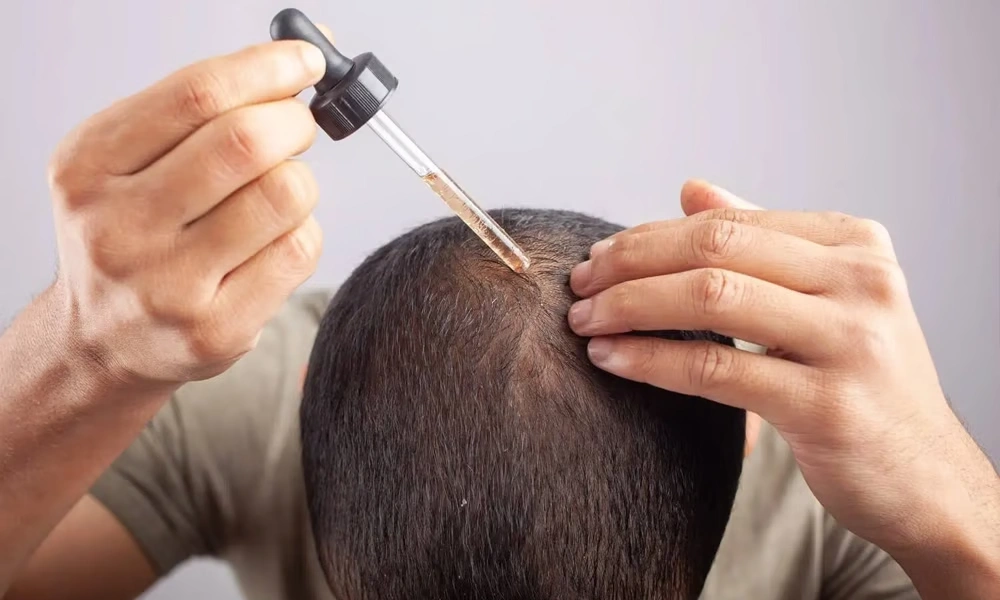
The best hair loss treatment depends on the reason your hair is thinning. For hereditary pattern hair loss, minoxidil is a commonly used treatment that may help slow hair loss and encourage regrowth. Some people may benefit from prescription medications or specialist procedures.
If shedding is related to a nutritional deficiency, thyroid disorder, scalp condition, or recent physical stress, treating that underlying problem may be more important. There is no single shampoo, oil, vitamin, or medication that works for every type of hair loss.
Before starting treatment, consider whether your hair loss is sudden or gradual, whether it affects the entire scalp or specific areas, and whether you have noticed other symptoms. A dermatologist can help identify the likely cause and recommend appropriate treatment.
What Causes Hair Loss?
Hair naturally sheds as part of its growth cycle. However, excessive shedding, gradual thinning, or bald patches can indicate a problem.
1. Hereditary Hair Loss
Hereditary hair loss, also known as androgenetic alopecia, is one of the most common causes of thinning.
In men, it may appear as a receding hairline, thinning at the crown, or both. In women, it often causes gradual thinning around the top of the scalp or a widening part.
Because this type of hair loss tends to progress over time, recognizing it early can help people explore treatment options before more hair is lost.
2. Stress and Physical Changes
Significant emotional stress, surgery, serious illness, childbirth, or rapid weight loss can trigger temporary hair shedding. Maintaining a consistent sleep schedule and practicing healthy sleep hygiene habits can support a more balanced daily routine.
This condition is often called telogen effluvium. The shedding may not begin immediately after the triggering event; it can become noticeable several weeks or months later.
Hair growth often improves once the underlying trigger has resolved, although recovery may take several months.
3. Nutritional Deficiencies
Hair growth requires adequate nutrition. Low iron levels, insufficient protein intake, and certain other nutritional deficiencies can contribute to hair loss. A balanced approach to nutrition is also an important part of maintaining overall health, as explained in our guide to healthy living, nutrition, and self-care.
Restrictive diets, rapid weight loss, and inadequate calorie intake may increase the risk.
Supplements are most useful when a deficiency has been identified. Taking excessive amounts of vitamins or minerals without medical guidance is not a reliable shortcut to thicker hair and may sometimes make the problem worse.
4. Hormonal and Thyroid Problems
Changes in thyroid function and certain hormonal conditions can affect hair growth.
Some people experience thinning alongside changes in menstrual cycles, weight, energy levels, or other symptoms. These accompanying changes can help a healthcare professional decide whether further investigation is needed.
Treatment depends on the underlying condition.
5. Scalp Conditions
Inflammation, fungal infections, and autoimmune conditions can cause hair loss.
Alopecia areata, for example, often produces round or oval patches of missing hair. Other conditions may cause itching, scaling, tenderness, redness, or changes in the scalp’s appearance.
Some scalp disorders can damage hair follicles if left untreated, so unexplained bald patches or persistent scalp symptoms deserve professional attention.
6. Tight Hairstyles and Hair Damage
Repeatedly wearing tight ponytails, braids, extensions, or hairstyles that pull on the roots can lead to traction alopecia.
Frequent bleaching, chemical treatments, excessive heat, and rough brushing can also weaken hair and cause breakage. Breakage is different from hair loss at the root, although both can make hair look thinner.
Loosening hairstyles and reducing damage can help protect existing hair.
1. Minoxidil for Hair Loss

Minoxidil is one of the best-known treatments for hereditary pattern hair loss. Topical versions are available as liquids and foams.
How Does Minoxidil Work?
Minoxidil can help stimulate hair growth and slow further loss in some people. Results vary, and it does not work equally well for everyone.
Treatment needs to be used consistently according to the product instructions or a clinician’s advice. Visible improvement often takes several months, and it may take around six to twelve months to judge the results properly.
Some people experience increased shedding early in treatment. Scalp irritation and unwanted hair growth on nearby areas are also possible side effects.
Is Minoxidil Suitable for Everyone?
Not necessarily. Its suitability depends on the type of hair loss, age, health circumstances, and the specific product.
People who are pregnant, trying to conceive, or breastfeeding should seek medical advice before using hair-loss medication. Anyone with unexplained hair loss should consider getting the cause assessed before beginning treatment.
Minoxidil is not generally a permanent cure. If it is helping maintain hair growth, stopping treatment may lead to a gradual loss of the benefits.
2. Prescription Medication for Hair Loss
When hair loss is progressive or linked to a particular condition, a clinician may recommend prescription medication.
Finasteride
Finasteride is an oral prescription medication used for male pattern hair loss. It may slow further loss and improve hair growth in some people.
However, it is not suitable for everyone. Possible side effects include sexual side effects, and it has important pregnancy-related risks because exposure can harm the development of a male fetus. Anyone considering finasteride should discuss the benefits, risks, and alternatives with a qualified prescriber.
Treatment Options for Women
Treatment for female pattern hair loss depends on the person’s medical history, age, and circumstances. Minoxidil is commonly considered. Other medications may be prescribed in selected cases, but some are unsuitable during pregnancy or when pregnancy is possible. A dermatologist can help determine which options are appropriate.
Treatment for Alopecia Areata
Alopecia areata is an immune-related condition that can cause patchy hair loss. Depending on the extent and severity, treatment may involve corticosteroids or other prescription therapies. Some people experience spontaneous regrowth, while others need ongoing care. The best approach depends on the individual case.
3. Hair Transplant Surgery
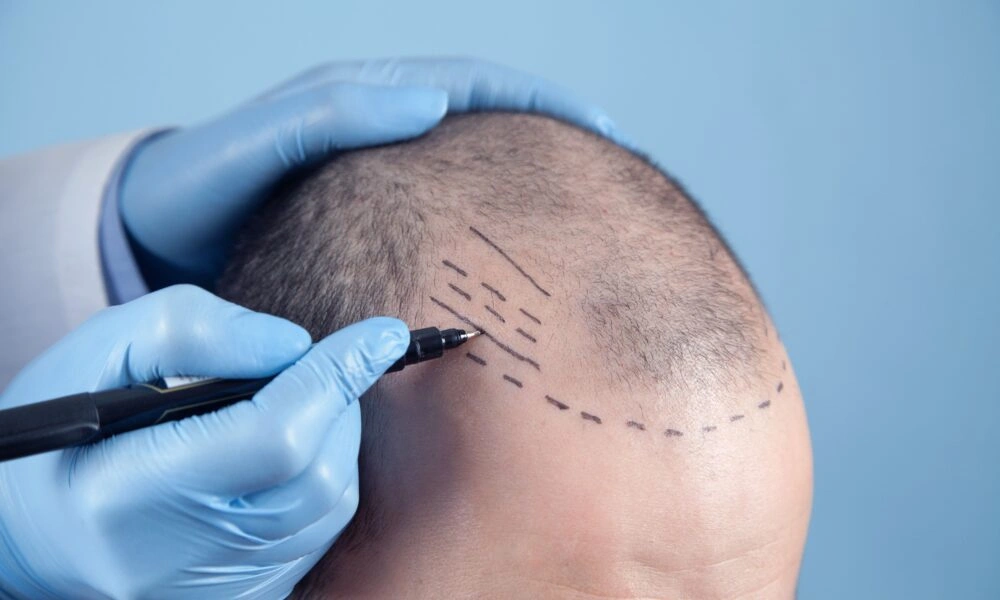
A hair transplant moves hair follicles from a donor area, usually the back or sides of the scalp, to areas affected by thinning. It can be an option for selected people with hereditary hair loss, but it is not appropriate for every type of hair loss. A specialist needs to assess the donor hair, scalp condition, pattern of thinning, and likely future progression.
A transplant also does not prevent untreated hair elsewhere on the scalp from continuing to thin. Some people need ongoing treatment to help maintain their results. Before choosing surgery, ask about the surgeon’s qualifications, expected density, recovery, potential complications, total cost, and long-term treatment plan.
4. Platelet-Rich Plasma (PRP) Treatment
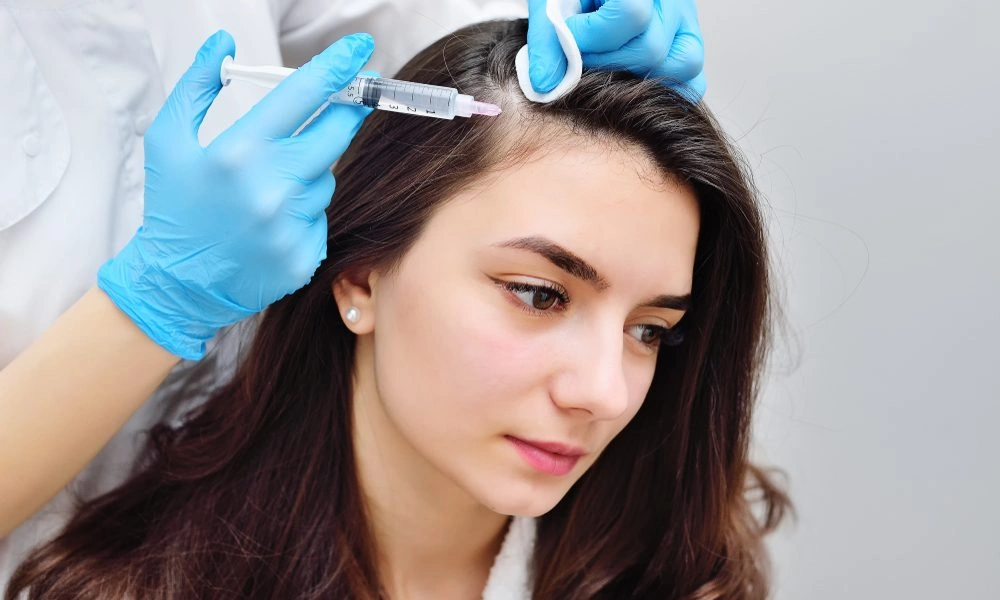
Platelet-rich plasma, commonly called PRP, uses a sample of the patient’s blood. The sample is processed to concentrate platelets, and the resulting preparation is injected into the scalp.
Some research suggests PRP may help selected people with pattern hair loss, but results vary and treatment methods are not standardized across all clinics.
Repeated sessions may be recommended, which can increase the overall cost.
Before committing, ask a qualified clinician what evidence supports the treatment for your type of hair loss, how many sessions are proposed, and what results are realistic.
5. Low-Level Laser Therapy
Low-level laser therapy uses devices such as caps, combs, or other wearable products that deliver light to the scalp.
Some studies suggest certain devices may help with hereditary pattern hair loss, but results are not guaranteed and the evidence varies by device and treatment protocol.
These devices generally require consistent use over several months. They are not a universal solution for sudden shedding, nutritional deficiencies, or every scalp condition.
Ask a healthcare professional whether this approach is suitable for your situation before investing in an expensive device.
6. Natural Remedies for Hair Loss
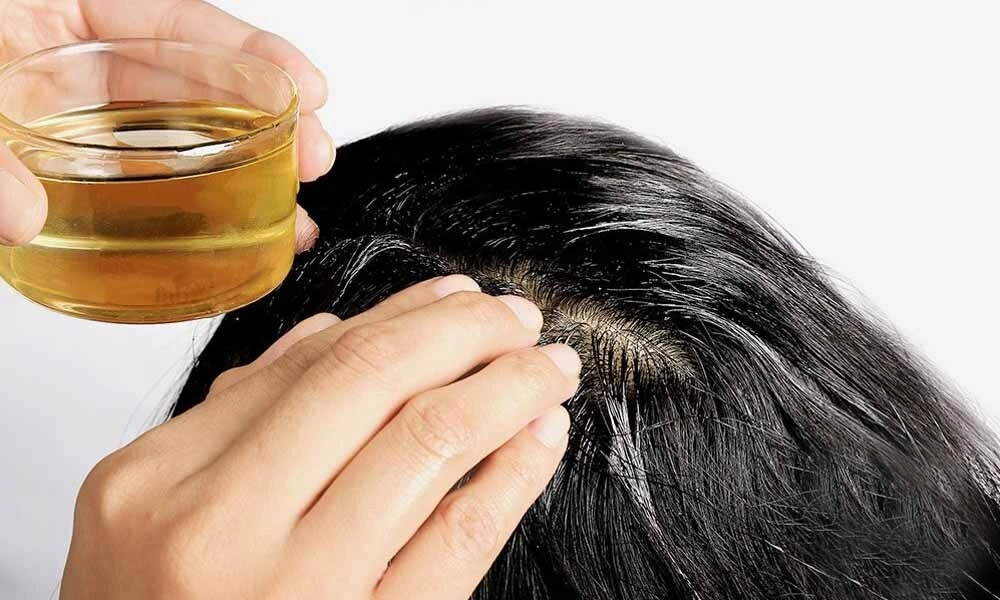
Natural hair-care methods can help protect existing hair and support general scalp health. However, a natural ingredient is not automatically effective or safe simply because it is popular online.
Eat Enough Protein
Hair is made largely of a protein called keratin. Eating enough protein supports normal hair growth and overall health.
Useful sources include eggs, fish, dairy products, beans, lentils, tofu, nuts, and meat.
A restrictive diet that does not provide enough calories or protein may contribute to shedding.
Correct Nutritional Deficiencies
If a healthcare professional identifies an iron, zinc, or other nutritional deficiency, correcting it may help address related hair loss.
Avoid taking high doses of supplements without a clear reason. Excessive intake of certain nutrients can be harmful and may even contribute to hair loss.
Maintain a Gentle Hair-Care Routine
Use a shampoo suited to your scalp, condition your hair lengths to reduce tangling, and limit excessive heat styling.
Avoid tight hairstyles that pull on the roots and harsh treatments that leave hair fragile.
These habits can reduce preventable breakage, although they cannot reverse every medical cause of hair loss.
What About Rosemary Oil?
Rosemary oil is frequently promoted as a natural hair-growth remedy. However, evidence remains limited compared with established treatments such as minoxidil.
Essential oils can irritate the skin or cause allergic reactions, particularly when applied undiluted. If you decide to try one, seek reliable safety guidance, use it cautiously, and stop if irritation develops.
Do Onion Juice and Rice Water Work?
Onion juice and rice water are popular home remedies, but strong evidence that they reliably treat common forms of hair loss is lacking.
They should not replace a medical assessment when shedding is persistent, severe, or unexplained.
7. Hair Loss Treatment at Home

A practical home routine should focus on reducing damage and supporting healthy growth rather than promising overnight results. Building consistent daily lifestyle habits can make it easier to maintain a manageable self-care routine.
- Wash your scalp as needed with a suitable shampoo.
- Use conditioner to reduce friction and breakage.
- Avoid repeatedly pulling hair into tight styles.
- Limit excessive heat, bleaching, and harsh chemical treatments.
- Eat a balanced diet with adequate protein and calories.
- Address ongoing stress and prioritize sufficient sleep.
- Follow any recommended treatment consistently.
- Take occasional photographs in similar lighting to monitor changes.
These steps can help protect existing hair and make progress easier to assess. However, persistent hair loss may require targeted treatment.
How Long Does Hair Loss Treatment Take to Work?
Hair grows gradually, so visible changes rarely happen overnight.
Temporary shedding may improve once the underlying trigger has resolved, but noticeable recovery can take several months. Treatments for hereditary hair loss also require consistent use before results can be evaluated.
It is useful to distinguish between reduced shedding, new growth, and increased thickness. These are related but different outcomes.
If a treatment causes significant irritation, worsening symptoms, or other concerning side effects, seek medical advice rather than continuing without guidance.
How to Prevent Further Hair Loss
Not all hair loss can be prevented, especially when genetics or certain medical conditions are involved. However, several habits can reduce avoidable damage.
Avoid excessive tension. Choose hairstyles that do not constantly pull on the roots.
Be gentle with wet hair. Wet hair can be more vulnerable to stretching and breakage, so avoid rough towel drying and aggressive brushing.
Limit chemical and heat damage. Frequent bleaching, straightening, and high-temperature styling can weaken the hair shaft.
Eat a balanced diet. Adequate protein, calories, and essential nutrients help support normal growth.
Treat scalp problems early. Persistent itching, scaling, inflammation, or patchy loss should not be ignored.
Seek help for ongoing shedding. Early assessment may help identify treatable causes and prevent unnecessary delays.
When Should You See a Dermatologist?
Consider seeking professional advice if you notice:
- Sudden or rapidly progressing hair loss.
- Smooth, round bald patches.
- Loss of eyebrows or eyelashes.
- Scalp pain, severe itching, redness, scaling, or sores.
- Hair loss accompanied by other unexplained symptoms.
- A receding hairline or widening part that continues to progress.
- Persistent shedding that concerns you.
A dermatologist may examine your scalp, review your family history and medications, and ask about recent illness, diet, stress, and hair-care practices. Blood tests or other investigations may be appropriate when a deficiency, thyroid problem, infection, or another underlying condition is suspected.
Getting the cause right helps you avoid treatments that are unlikely to work.
Frequently Asked Questions About Hair Loss Treatment
What is the most effective treatment for hair loss?
There is no single treatment that works best for everyone. Minoxidil is a common option for hereditary pattern hair loss, while other causes may require prescription medication, treatment of an underlying condition, or a specialist procedure.
Can hair grow back after hair loss?
Yes, hair can regrow in many cases. Temporary shedding may improve after the triggering problem resolves, and some conditions respond well to treatment. Regrowth is less predictable when hair follicles have been permanently damaged.
How can I stop hair fall naturally?
Start by reducing tight hairstyles and damaging treatments, eating a balanced diet, and addressing possible nutritional or health problems. If shedding continues, identify the cause instead of relying only on oils or home remedies.
Does oiling hair stop hair loss?
Oiling may help lubricate the hair and reduce friction or breakage, depending on the product and how it is used. It is not a proven stand-alone treatment for hereditary hair loss or every medical cause of shedding.
Do hair-growth vitamins work?
Vitamins and minerals can help when hair loss is linked to a deficiency. Taking additional supplements when you already get enough of a nutrient is unlikely to provide reliable benefits and can sometimes be harmful.
Final Thoughts
Hair loss can be frustrating, especially when every product seems to promise thicker, fuller hair. But the most useful first step is not buying another serum or supplement. It is understanding why your hair is falling out.
For some people, minoxidil or another clinician-recommended treatment may help. Others may need to correct a nutritional deficiency, treat a scalp condition, change damaging hair habits, or consider a specialist procedure.
Give evidence-based treatments enough time, be cautious with miracle-growth claims, and seek professional guidance when hair loss is sudden, severe, or unexplained. A treatment plan based on the actual cause offers a better starting point than guessing.
