
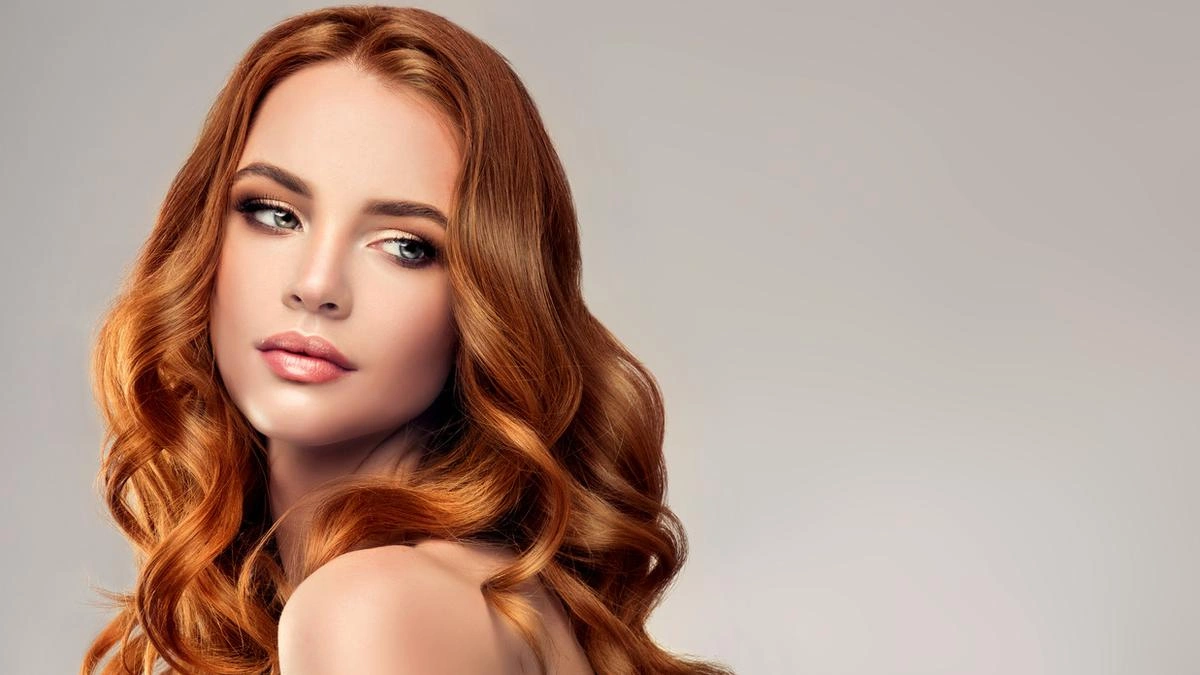
Auburn hair is a rich, dimensional hair color that blends warm red and brown pigments, creating tones ranging from soft copper-chestnut to deep burgundy-mahogany. Unlike pure ginger or true brunette shades, auburn sits squarely between red and brown on the color spectrum, giving it natural warmth, depth, and versatility across different skin tones and hair textures.
Whether it occurs naturally or is achieved through salon color, auburn remains one of the most requested multidimensional shades because it adds immediate vibrancy without requiring extreme bleaching for most base colors. Understanding the balance of red, orange, and brown undertones, along with how to prevent rapid fading, is essential for choosing and maintaining the right auburn shade.
What Makes Hair Color Auburn?
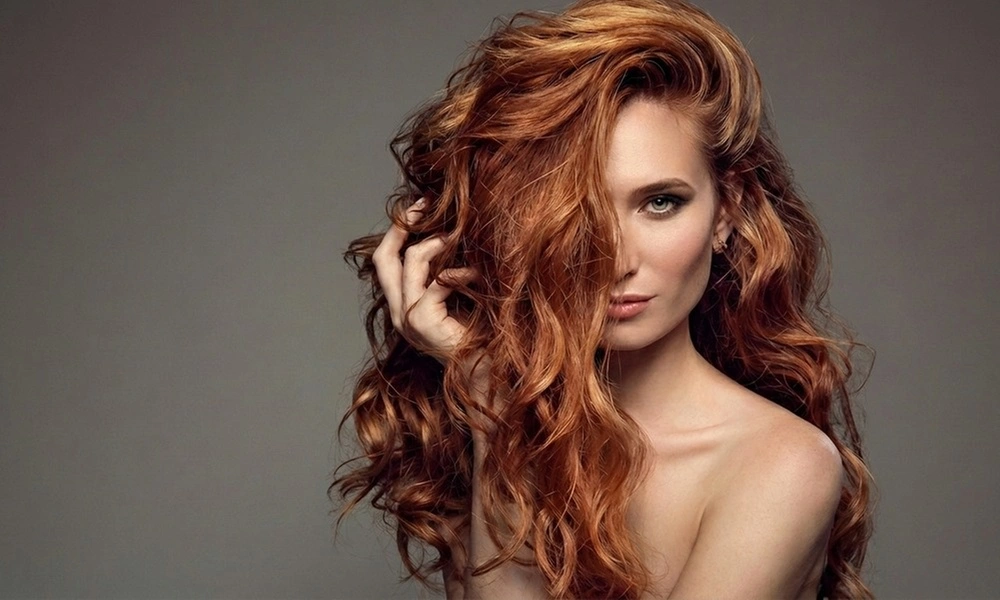
Technically, auburn is defined by a base of medium-to-dark brown pigment infused with noticeable red, copper, or violet-red undertones. In natural hair, this coloration results from a specific balance of two types of melanin: eumelanin (which produces brown and black pigments) and pheomelanin (which produces red and yellow pigments).
When a person carries moderate levels of eumelanin alongside elevated levels of pheomelanin, the hair reflects a warm reddish-brown hue rather than pure copper or flat brown.
In hair coloring, colorists formulate auburn using a combination of neutral or warm brown bases (typically levels 4 through 7) paired with red-orange (copper), pure red, or red-violet reflects.
Because it retains a brown foundation, auburn generally looks softer and more grounded than bright primary red shades while offering far more warmth and light reflection than standard chocolate or espresso brunette tones. For comparison, blonde hair relies on lighter shades and different undertones, creating a noticeably brighter look than the rich depth of auburn.
Popular Shades of Auburn Hair
Because auburn spans several color levels and undertones, selecting the right variation depends on how much warmth, brightness, or depth you want.
Light Copper Auburn
Light copper auburn leans closer to the ginger family while keeping a light brown or dark blonde foundation. It features strong golden-orange reflects that catch sunlight easily, making it bright, lively, and well-suited for people who want noticeable warmth without going full strawberry blonde.
Medium Classic Auburn
Classic auburn strikes an even balance between chestnut brown and warm red. At a medium level (around level 5 or 6), it has enough brown depth to look natural while retaining unmistakable crimson and copper warmth under indoor and outdoor lighting.
Deep Mahogany Auburn
Mahogany auburn combines a dark brown base with cool-leaning red and subtle violet undertones. Rather than flashing bright orange in the sun, mahogany reflects rich plum, wine, and cherry notes, making it an ideal choice for naturally dark hair.
Cinnamon and Spiced Auburn
Cinnamon auburn blends medium golden-brown tones with warm terracotta and rusty red accents. It avoids heavy purple or bright orange extremes, resulting in an earthy, muted red-brown shade that grows out gracefully.
Auburn Balayage and Dimensional Highlights
For those who prefer low-maintenance color, auburn balayage weaves copper, cinnamon, or cherry ribbons through a natural brunette base. Keeping the roots natural eliminates harsh regrowth lines while allowing the red tones to brighten the mid-lengths and ends.
Auburn vs. Chestnut vs. Copper: Key Differences
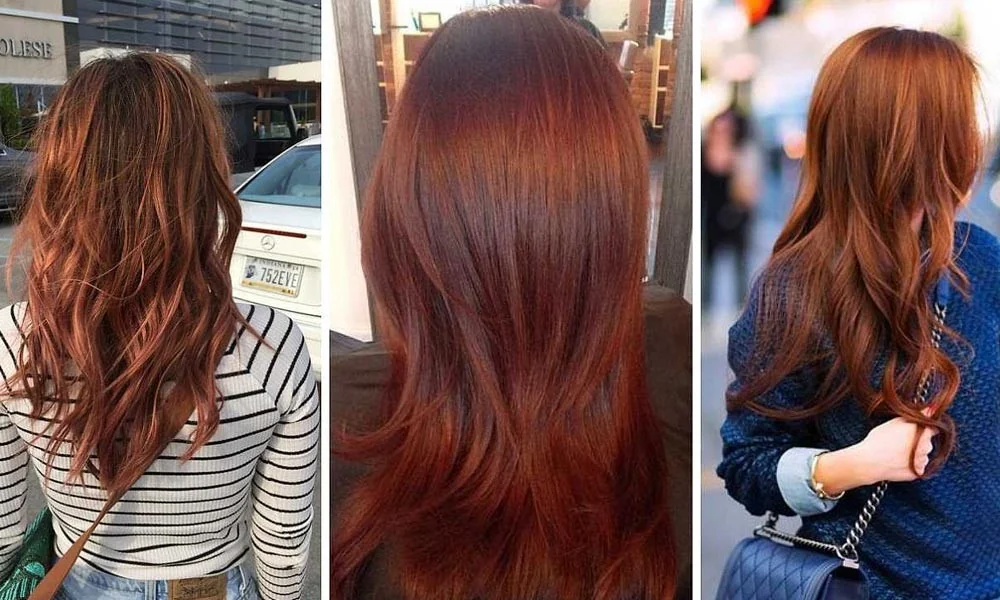
Shoppers and salon clients often confuse auburn with neighboring warm shades. Comparing their underlying pigments clarifies which direction fits your goals.
| Shade | Primary Base | Dominant Undertone | Visual Effect |
| Auburn | Medium to dark brown | Red, copper, or red-violet | Distinctly reddish-brown with rich warmth and depth |
| Chestnut | Medium brown | Warm gold and subtle red | Mostly brown with a soft, warm glow in direct light |
| Copper | Light brown to dark blonde | Vibrant orange and gold | Bright, fiery ginger-orange with minimal brown depth |
| Burgundy | Dark brown to black | Deep violet and blue-red | Cool, wine-toned dark red with plum reflections |
How to Choose the Right Auburn Shade for Your Skin Tone
Matching an auburn shade to your skin’s undertone ensures the color brightens your complexion rather than washing it out or accentuating redness.
-
Warm Undertones (Golden, Peachy, or Olive): Look best in copper-auburn, cinnamon, and golden-red blends. Yellow and orange-based reds harmonize naturally with golden skin.
-
Cool Undertones (Pink, Rosy, or Bluish): Pair well with mahogany, cherry-auburn, and deeper red-violet shades. The subtle blue or plum reflects counteract excess surface pinkness in the skin.
-
Neutral Undertones: Can wear nearly any variation across the spectrum, from soft light copper to deep espresso-auburn, depending on personal style and eye color.
Eye color also plays a helpful supporting role: green and hazel eyes pop dramatically against copper-leaning auburns, while dark brown and blue eyes stand out sharply against deeper mahogany and classic red-brown tones.
Getting Auburn Hair: Salon vs. At-Home Considerations
Achieving a flattering, even auburn depends heavily on your starting hair color and previous chemical history.
Starting From Virgin (Uncolored) Hair
If your hair has never been dyed and falls between light brown and dark brown, a colorist can typically lift and deposit an auburn shade in a single step using permanent hair color and a standard developer. Virgin dark black hair may require gentle lifting to expose enough underlying warmth for the red tones to appear clearly.
Starting From Previously Colored Dark Hair
Artificial hair dye cannot lighten existing artificial hair dye. If your hair is already dyed dark brown or black, applying an auburn box dye or salon tint directly over it will only darken the hair further or create hot roots (where natural roots turn bright red while the ends remain dark). A colorist will usually need to perform a gentle color remover or dimensional lightening session before toning to auburn.
Starting From Blonde or Highlighted Hair
Going from pale blonde to rich auburn requires a technique called filling. Bleached blonde hair lacks the underlying warm yellow, orange, and red pigments found in natural dark hair.
Applying a medium auburn directly over platinum or light blonde can result in a hollow, muddy, or overly pinkish tone. Filling the hair first with a warm copper-gold demi-permanent gloss restores missing pigment so the final auburn looks rich and uniform. Those who prefer a softer, more natural transition can also explore light brown hair as an alternative to deeper auburn shades.
How to Maintain Auburn Hair and Prevent Fading?
Red pigment molecules are larger than brown or black dye molecules, meaning they sit closer to the hair cuticle and wash out faster than most other shades. Consistent maintenance keeps auburn looking glossy rather than brassy or dull. Just as seasonal beauty trends influence choices like winter nail designs, maintaining vibrant hair color can also be part of your overall seasonal beauty routine.
-
Wait 48 to 72 Hours Before Your First Wash: Giving the hair cuticle time to close completely after coloring helps lock red pigment inside the cortex.
-
Switch to Sulfate-Free, Color-Safe Shampoo: Harsh detergents strip natural oils and accelerate dye runoff. Choose gentle, sulfate-free formulas designed specifically for color-treated hair.
-
Wash With Cool or Lukewarm Water: Hot water swells the hair shaft and allows red dye molecules to escape down the drain. Rinsing with cool water preserves shine and pigment longevity.
-
Use Color-Depositing Conditioners or Glosses: Weekly or biweekly use of a copper, red, or auburn color-depositing mask replenishes lost warmth between salon appointments without causing chemical damage.
-
Apply Heat Protectant Before Styling: High heat from flat irons, curling wands, and blow dryers oxidizes red dye quickly, shifting vibrant auburn toward faded orange. Keep styling tools below 350°F (175°C) whenever possible and always use thermal protection.
-
Shield Hair From UV Exposure: Sunlight breaks down both natural melanin and artificial red dyes. Wearing a hat or using UV-filtering leave-in sprays prevents sun bleaching during outdoor activities.
Common Mistakes to Avoid With Auburn Hair
-
Overusing Purple Shampoo: Purple shampoo is formulated to neutralize yellow brassiness in blonde hair. Used on auburn hair, it can dull the warm red reflects and leave the color looking muddy or flat. Use a dedicated red or copper color-depositing conditioner instead.
-
Washing Hair Every Day: Frequent shampooing is the fastest route to faded red hair. Extending wash days with dry shampoo preserves both scalp oils and color vibrancy.
-
Ignoring Porosity Differences: Damaged, porous ends absorb pigment quickly and release it just as fast. Regular deep conditioning treatments smooth the cuticle so color holds evenly from root to tip.
-
Choosing a Shade Too Light for Dark Roots Without a Plan: High-contrast light copper on naturally near-black hair requires root touch-ups every four to six weeks to prevent noticeable regrowth lines.
Frequently Asked Questions
Is auburn hair natural or dyed?
Auburn hair occurs naturally in a small percentage of the global population, most commonly among people of Northern and Western European descent, due to a genetic variation in the MC1R gene. However, it is also widely created in salons and at home using permanent, demi-permanent, and gloss hair color formulas.
Does auburn hair fade quickly?
Yes, auburn tends to fade faster than neutral brown or black hair colors because red dye molecules are larger and escape the hair cuticle more easily. With sulfate-free products, cool-water washes, and periodic color-depositing glosses, vibrant tone typically lasts four to eight weeks before needing a refresh.
Can you get auburn hair without bleaching?
In most cases, yes. If your natural hair is light brown, medium brown, or dark blonde, permanent hair color can lift your natural pigment slightly while depositing red and brown tones in a single process. Bleaching is usually only necessary if you have very dark hair and want a bright light-copper auburn, or if you are removing previous dark box dye.
Does auburn hair suit older women?
Auburn is often an especially flattering choice for mature skin because its warm, multidimensional reflects soften facial features and restore warmth to complexions that may look washed out by flat dark brown or stark black hair. Softer cinnamon, light copper-brown, and blended auburn highlights also camouflage gray regrowth effectively.
What is the difference between auburn and red hair?
True red or copper hair relies primarily on orange, gold, and bright red pigments with minimal brown depth. Auburn always contains a distinct brown base blended with red or copper reflects, making it deeper, richer, and more muted than pure red hair.
How do I tone down auburn hair that turned out too bright or orange?
If freshly dyed auburn looks too fiery or brassy, a salon or at-home demi-permanent gloss in a neutral brown or cool mahogany shade at the same color level can immediately balance excess orange warmth without stripping the hair.
Final Thoughts
Auburn hair offers a rare combination of natural depth and luminous warmth, bridging the gap between classic brunette and bold red. Choosing the right shade starts with identifying your skin’s undertone and accounting for your hair’s current color history, whether that means selecting a golden copper-auburn for warm skin or a rich mahogany blend for cool undertones.
Because red-based pigments fade faster than neutral tones, pairing your color with gentle, sulfate-free care, heat protection, and occasional color-depositing glosses will keep the shade rich, dimensional, and vibrant long after you leave the salon chair.
