

A hair mask is an intensive, deep-conditioning treatment formulated with high concentrations of nourishing ingredients, such as natural oils, proteins, humectants, and ceramides, designed to penetrate the hair shaft and repair damage, restore moisture, and improve overall hair texture. Unlike daily conditioners that primarily coat the outer cuticle for quick detangling, a hair mask works beneath the surface over a longer processing time to address dryness, breakage, and frizz at their source.
Whether your hair feels brittle from heat styling, dull from environmental stress, or dry from chemical color treatments, adding a weekly deep-conditioning treatment to your routine can make a measurable difference in strength, softness, and manageability. Understanding how these treatments work, and how to select and apply the right formula for your specific hair type, ensures you get genuine results without weighing your strands down.
How a Hair Mask Works on Your Hair?
To understand why a hair mask is effective, it helps to look at the basic anatomy of a strand of hair. Each strand consists of three layers: the inner medulla, the middle cortex (which gives hair its strength, elasticity, and color), and the outer cuticle, a protective layer of overlapping scales similar to shingles on a roof.
Daily exposure to UV rays, hard water, brushing, blow-drying, and chemical processing lifts and chips away at the cuticle. When the cuticle is raised or damaged, moisture escapes from the cortex, leaving hair rough, tangled, prone to split ends, and lacking shine.
A hair mask relies on smaller molecular ingredients and richer emollients combined with extended contact time, typically 5 to 20 minutes, to slip past the cuticle layer. Once inside, these ingredients replenish lost lipids, temporarily reinforce weakened protein bonds, and seal the outer cuticle back down so moisture stays locked inside.
Hair Mask vs. Conditioner vs. Leave-In Conditioner
Many people wonder whether a deep-conditioning mask is truly necessary if they already use a good rinse-out conditioner or leave-in spray. While all three products improve manageability, they serve distinct functions in a hair care routine.
| Feature | Rinse-Out Conditioner | Hair Mask | Leave-In Conditioner |
| Primary Purpose | Surface smoothing, detangling, static control | Deep repair, intense hydration, structural reinforcement | Ongoing moisture, heat/UV protection, frizz control |
| Ingredient Concentration | Light to moderate emollients and silicones | High concentration of oils, butters, proteins, and humectants | Lightweight humectants, water-based conditioning agents |
| Processing Time | 1 to 3 minutes | 5 to 30 minutes | Not rinsed out |
| Recommended Frequency | Every wash | Once per week (or every 3–4 washes) | After every wash or on dry hair as needed |
| Best Used For | Daily maintenance | Dry, damaged, color-treated, or coarse hair | Preventing tangles and dryness between washes |
Using a mask does not mean abandoning your regular conditioner; rather, it acts as a weekly reset when surface-level conditioning is no longer enough.
Common Types of Hair Masks and What They Do
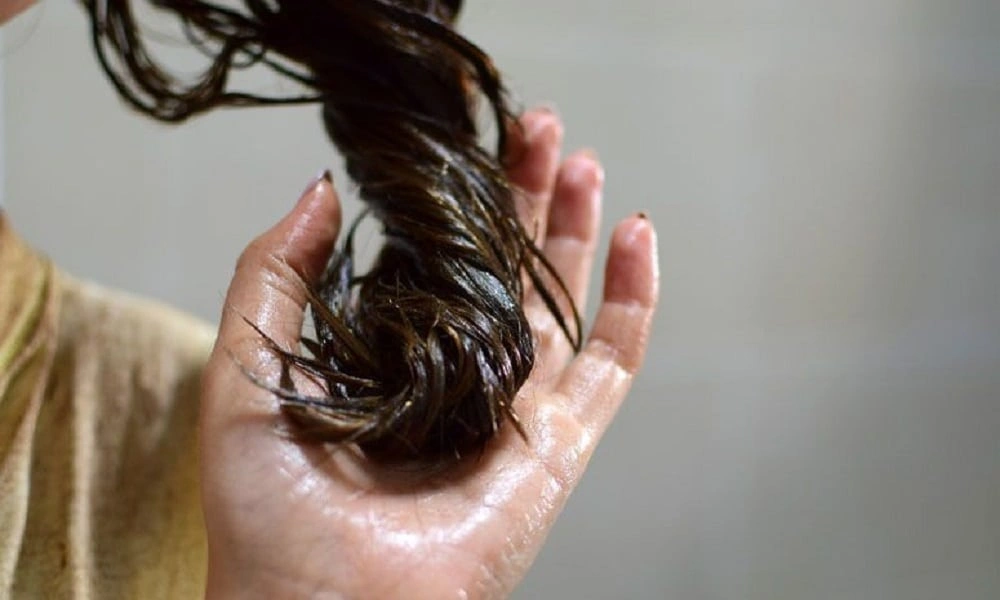
Not every deep treatment solves the same problem. Formulas are generally built around three core mechanisms: hydration, protein reconstruction, and bond repair. If you’re also exploring decorative hair accessories, hair tinsel offers a way to add sparkle to your hairstyle without changing its natural color.
Hydrating and Moisturizing Masks
These formulas focus on drawing water into the hair and sealing it in. They rely heavily on humectants (like glycerin, aloe vera, and hyaluronic acid) paired with rich emollients (such as shea butter, argan oil, coconut oil, and avocado oil). Hydrating masks are ideal for hair that feels rough, stiff, puffy, or chronically dry.
Protein and Strengthening Masks
Hair is composed primarily of a protein called keratin. Bleaching, perming, and frequent high-heat styling break down those protein structures, leaving hair limp, overly stretchy when wet, and prone to snapping. Protein masks use hydrolyzed wheat, silk, soy, or keratin proteins broken down into fragments small enough to enter the hair shaft—to patch weak spots and restore elasticity.
Bond-Building Treatments
Bond-building masks target the internal disulfide bonds broken during chemical lightening and heat damage. Rather than simply coating or moisturizing the strand, these specialized treatments cross-link broken sulfur-hydrogen bonds inside the cortex, improving structural integrity from within.
Scalp-Detoxifying and Clarifying Masks
While most masks focus on the mid-lengths and ends, scalp masks use ingredients like kaolin clay, salicylic acid, tea tree oil, or charcoal to remove excess sebum, product buildup, and dead skin cells. A clean, balanced scalp supports healthier hair growth over time.
Key Benefits of Using a Hair Mask Regularly
Incorporating the right deep-conditioning treatment into your weekly routine offers several practical benefits:
-
Restores Moisture Balance: Replenishes essential lipids and water content stripped away by harsh shampoos, dry climates, or indoor heating.
-
Reduces Breakage and Split Ends: By improving elasticity and reinforcing weakened spots along the hair shaft, strands bend rather than snap during brushing and styling.
-
Smooths Frizz and Flyaways: Sealing the outer cuticle prevents humid air from penetrating the hair shaft and causing strands to swell.
-
Enhances Shine and Softness: A flat, closed cuticle reflects light evenly, giving dull hair a healthier, glossier appearance.
-
Extends Hair Color Longevity: Color-treated hair is inherently more porous, allowing dye molecules to rinse out faster. Regular deep conditioning helps keep the cuticle sealed so color stays vibrant longer.
How to Choose the Best Hair Mask for Your Hair Type?

Selecting the wrong formula is the most common reason people feel a mask makes their hair greasy, heavy, or stiff. Match your choice to both your hair texture and its current condition.
-
Fine or Thin Hair: Look for lightweight, water-based formulas containing amino acids, panthenol (vitamin B5), or lightweight oils like jojoba or grapeseed oil. Avoid heavy raw shea butter or thick mineral oils, which can flatten volume.
-
Thick, Coarse, or Curly Hair: Coily and curly textures naturally struggle to retain moisture because scalp oils have a harder time traveling down spiral strands. Rich, creamy masks with shea butter, mango butter, castor oil, or olive oil provide the slip and deep hydration these textures need.
-
Color-Treated or Bleached Hair: Prioritize sulfate-free, pH-balanced formulas that combine bond-repairing technology with hydrolyzed proteins and ceramides to counteract chemical porosity.
-
Oily Roots with Dry Ends: Choose a targeted hydrating or strengthening mask, but apply it strictly from the ear level down to the tips, keeping it away from the scalp.
-
Heat-Damaged Hair: Alternate between a protein-rich strengthening mask one week and a deeply hydrating mask the next to restore both structure and softness.
Step-by-Step Guide: How to Apply a Hair Mask Properly
How you apply a deep-conditioning treatment matters just as much as the product you buy. Follow these steps to maximize absorption, especially if your hair has been treated with hair dye and needs extra moisture and care:
-
Start with Clean, Damp Hair: Wash your hair with shampoo to remove sebum, dirt, and styling residue that would otherwise block the mask from penetrating. Gently squeeze out excess water with your hands or a microfiber towel—hair should be damp, not dripping wet, so the product is not diluted.
-
Section Your Hair: Divide your hair into two to four manageable sections, especially if your hair is thick, long, or curly. This ensures even distribution rather than leaving inner layers untreated.
-
Apply from Mid-Lengths to Ends: Scoop a quarter-sized amount (adjusting for length and density) and work it through your hair starting at the mid-lengths and focusing heavily on the ends, which are the oldest and driest part of the hair. Only apply to the scalp if you are using a formula specifically labeled as scalp-safe.
-
Detangle Gently: Use a wide-tooth comb or your fingers to distribute the formula evenly from root to tip without pulling on fragile wet strands.
-
Let It Process: Leave the mask on for the exact duration recommended on the label—usually 5 to 20 minutes. To boost penetration, cover your hair with a shower cap; your body heat gently lifts the cuticle so ingredients absorb more efficiently.
-
Rinse Thoroughly with Cool or Lukewarm Water: Rinse until the water runs clear and no slippery residue remains. Cooler water helps encourage the outer cuticle to lie flat, locking in the treatment and boosting shine.
Common Mistakes to Avoid

Even high-quality treatments can underperform if used incorrectly. Watch out for these frequent missteps, especially when caring for color-treated hair or maintaining shades such as auburn hair:
-
Leaving the Mask On Overnight (Unless Directed): More time does not always mean better results. Leaving certain hydrating masks on for hours can lead to hygral fatigue a condition where hair repeatedly swells with excessive moisture and weakens while leaving protein masks on too long can make hair brittle and stiff.
-
Applying to Soaking-Wet Hair: Excess water creates a barrier that dilutes active ingredients and causes the product to slide straight down the drain.
-
Overusing Protein Treatments: Too much protein without enough moisture throws off your hair’s elasticity, leaving strands feeling straw-like and prone to snapping. Balance protein masks with moisturizing treatments.
-
Skipping Shampoo Beforehand: Applying a mask over unwashed hair traps product buildup and oils underneath, preventing the nourishing ingredients from reaching the hair shaft.
-
Using Too Much Product on the Roots: Unless treating scalp dryness with a dedicated scalp formula, applying rich butters or silicones near the roots will clog follicles and leave hair looking limp and greasy.
Frequently Asked Questions
How often should I use a hair mask?
For most hair types, using a hair mask once a week is ideal. If your hair is severely bleached, heat-damaged, or very coarse, you may benefit from using one twice a week until its condition improves. Fine or naturally oily hair typically only needs a lightweight mask every two weeks.
Should I use conditioner after a hair mask?
In most cases, no. A hair mask already provides deep conditioning and cuticle-sealing benefits, so applying regular conditioner afterward is redundant and can weigh hair down. The only exception is certain specialized bond-building treatments that explicitly instruct you to follow with a moisturizing conditioner.
Can I use a hair mask on dry hair?
While most masks are designed for clean, towel-dried hair after shampooing, some oil-based pre-shampoo treatments are meant to be applied to dry hair 20 to 30 minutes before washing. Always check the product label if a standard mask is applied to unwashed dry hair, styling residue may block it from absorbing properly.
What is the difference between a DIY hair mask and a store-bought one?
Homemade masks using kitchen ingredients like avocado, honey, or olive oil can offer temporary surface softness, but their molecules are often too large to penetrate deep into the hair cortex. Store-bought masks are professionally formulated with hydrolyzed proteins, emulsifiers, and balanced pH levels designed to absorb effectively and rinse out cleanly without leaving heavy residue.
How long does it take to see results from a hair mask?
You will usually notice immediate improvements in softness, shine, and detangling after your very first application. However, repairing cumulative damage from heat styling or chemical coloring takes consistency—expect visible improvements in strength and reduced breakage after three to four weekly treatments.
Can hair masks cause hair loss?
A properly used hair mask does not cause hair loss. However, applying heavy, butter- or silicone-rich masks directly to the scalp can clog hair follicles and weigh down roots, which may increase shedding or make hair appear thinner. Keep rich conditioning masks focused on the mid-lengths and ends.
Final Thoughts
A hair mask is one of the simplest, highest-impact upgrades you can make to a hair care routine. By delivering concentrated moisture, proteins, or bond-repairing ingredients past the outer cuticle, a weekly deep-conditioning session restores softness, improves elasticity, and protects your strands against everyday wear and tear.
The key to getting great results lies in matching the formula to your hair’s specific needs choosing lightweight hydration for fine strands, rich emollients for coarse or curly textures, and targeted protein or bond repair for chemically treated hair. Apply it consistently to clean, damp hair, respect the recommended processing time, and rinse thoroughly to keep your hair strong, smooth, and manageable.
