
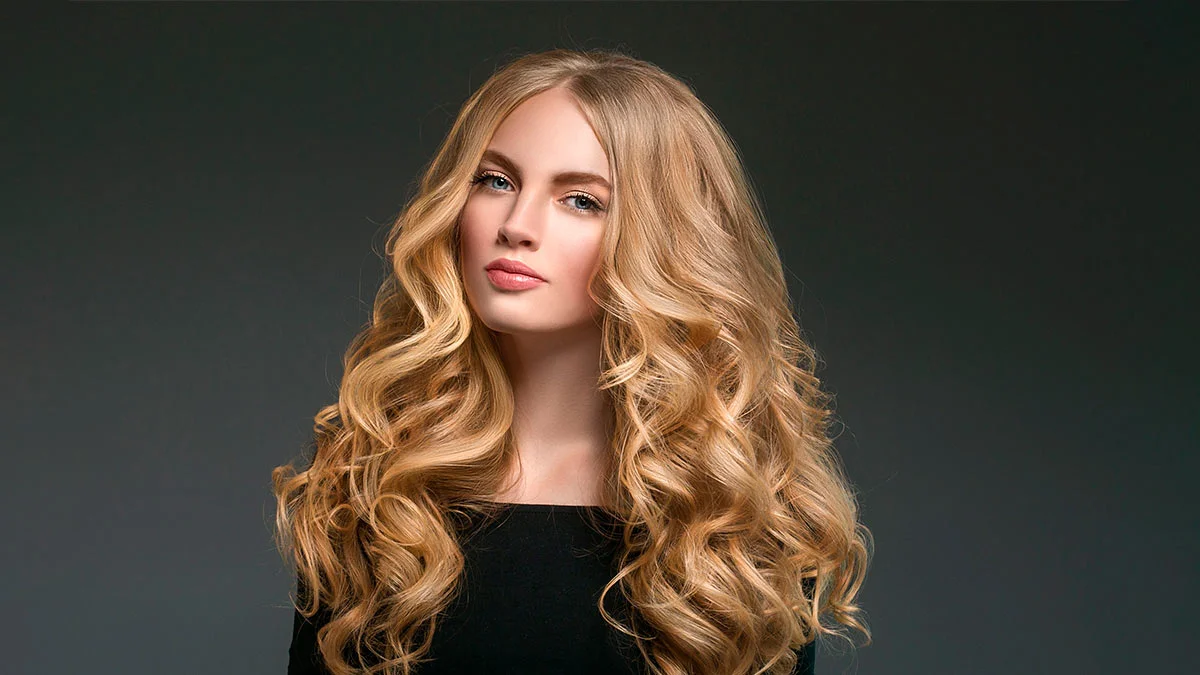
Wavy hair offers a beautiful balance between straight and curly textures. Its natural bends and flowing patterns create movement, volume, and dimension without requiring the tight curls associated with curly hair. Whether your waves are loose and subtle or defined with noticeable curves, the right care routine can help them look healthier, smoother, and more defined.
However, managing wavy hair can sometimes be challenging. It may become frizzy in humid weather, lose its shape throughout the day, or appear flat at the roots while the ends look dry. Understanding your hair type, choosing suitable products, and using the correct styling techniques can make a significant difference.
The good news is that wavy hair does not require an overly complicated routine. With appropriate cleansing, conditioning, moisture, and styling, you can enhance your natural texture and create different looks for everyday wear and special occasions.
What Is Wavy Hair?
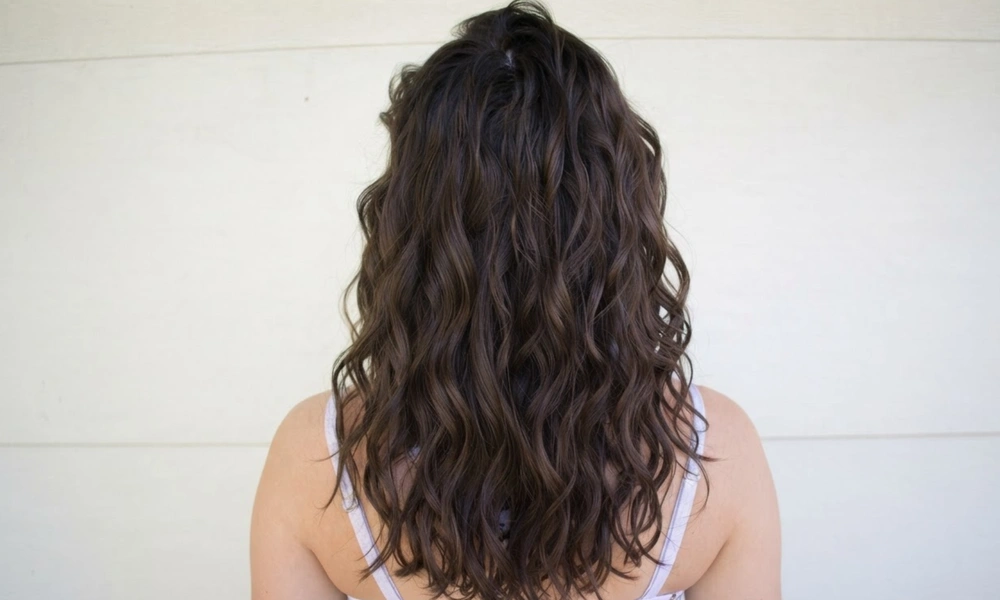
Wavy hair is a natural hair texture that falls between straight and curly hair. Instead of growing completely straight or forming tight spiral curls, individual strands develop gentle curves, bends, or an S-shaped pattern.
These waves can begin near the roots, around the middle of the hair shaft, or closer to the ends. The pattern depends on genetics, hair structure, and other individual characteristics. Wavy hair is often identified as Type 2 hair in the widely used hair typing system. It includes three main categories: 2A, 2B, and 2C.
Some people have loose, barely noticeable waves, while others have stronger patterns that resemble loose curls. Hair can also have multiple textures, meaning different sections of the same head may behave differently.
What Are the Different Types of Wavy Hair?
Understanding your wave pattern is the first step toward choosing suitable products and hairstyles. Although every person’s texture is unique, the following categories provide a helpful starting point.
1. Type 2A Wavy Hair
Type 2A hair features soft, loose waves that are usually more noticeable toward the middle and ends. The roots often appear relatively straight, giving this texture a relaxed and lightweight appearance. This hair type can lose volume easily, particularly when heavy styling products are used.
Common characteristics:
- Loose and subtle wave patterns.
- Relatively straight roots.
- Fine or lightweight appearance in many people.
- Waves that can become less defined throughout the day.
- A tendency to look flat when overloaded with products.
Best styling approach: Lightweight mousse, texturizing spray, and gentle scrunching can help bring out natural movement without weighing the hair down.
2. Type 2B Wavy Hair
Type 2B hair has more noticeable S-shaped waves than Type 2A. The wave pattern often begins around the middle of the hair, while the roots remain relatively straight. This texture generally offers a good balance between volume and definition. However, frizz can become more noticeable when the hair is exposed to humidity or excessive brushing.
Common characteristics:
- Clearly visible S-shaped waves.
- Moderate natural volume.
- Mostly straight roots.
- Greater texture and movement.
- Frizz around the crown and lengths.
Best styling approach: A lightweight leave-in conditioner followed by curl-enhancing mousse or gel can help define the waves and improve their staying power.
3. Type 2C Wavy Hair
Type 2C hair has the strongest wave pattern within the wavy hair category. Its texture features prominent S-shaped waves that may begin close to the roots. Some sections can even form loose curls. This hair type often has considerable volume and texture, but it may also be more prone to dryness and frizz. Pairing your hairstyle with complementary beauty details, such as elegant black nail designs, can also help create a polished overall look.
Common characteristics:
- Strong and clearly defined waves.
- Waves that begin closer to the roots.
- Fuller appearance and noticeable volume.
- Some loose curl formations.
- Greater need for moisture and frizz control.
Best styling approach: Hydrating conditioner, leave-in products, and medium-hold styling gel can help maintain definition while reducing unwanted frizz.
Wavy Hair vs. Straight Hair vs. Curly Hair
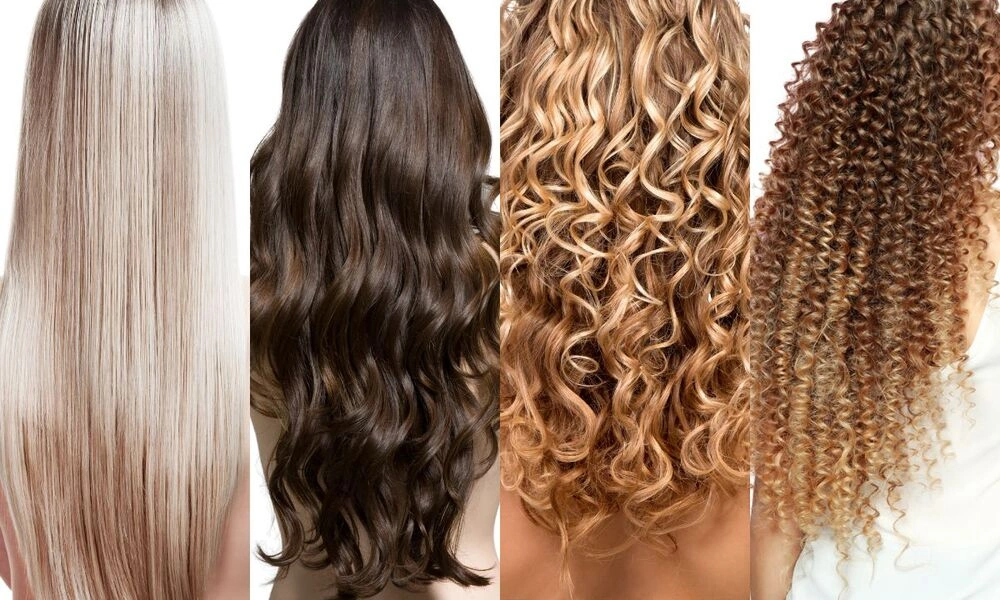
Although these textures can sometimes look similar, their natural patterns and styling requirements are different.
| Feature | Straight Hair | Wavy Hair | Curly Hair |
| Natural pattern | Straight strands | S-shaped waves | Spiral or ringlet curls |
| Volume | Often lower at roots | Moderate to high | Often naturally full |
| Definition | Smooth appearance | Wave definition | Curl definition |
| Frizz | Varies | Common concern | Can be more noticeable |
| Styling needs | Smoothness and volume | Wave enhancement | Curl definition and moisture |
Wavy hair sits between straight and curly textures, which gives it considerable styling flexibility. It can be worn naturally, straightened, or styled into more defined waves and loose curls.
Best Hairstyles for Wavy Hair
One of the biggest advantages of wavy hair is its versatility. Natural texture adds movement to many haircuts, making it easier to create attractive styles without extensive heat styling. Here are some popular hairstyles worth considering.
1. Long Layered Waves
Long layers are an excellent option for people who want to maintain their length while adding movement. They help remove excess weight from the ends and allow natural waves to appear more defined. This haircut works particularly well for medium-to-thick wavy textures.
2. Wavy Bob
A wavy bob is a stylish choice for anyone who prefers shorter hair. Its relaxed texture creates a soft, effortless appearance, while the shorter length can make the hair feel lighter.A chin-length or slightly longer bob can complement different wave patterns.
3. Shoulder-Length Wavy Hair
Shoulder-length hair offers a practical balance between short and long hairstyles. It is easy to maintain and works well with natural waves. Adding subtle layers can improve movement and prevent the hairstyle from looking too heavy.
4. Wavy Shag Haircut
The shag haircut features multiple layers, textured ends, and often curtain bangs. It works particularly well with naturally wavy hair because the texture adds softness and dimension. This style is ideal for people who enjoy a relaxed, slightly messy appearance.
How to Take Care of Wavy Hair?

A consistent hair care routine helps maintain softness, improve definition, and reduce frizz. The goal is to support your natural wave pattern rather than force your hair into a completely different texture. With proper care, you can also experiment with beautiful hairstyles for long hair that enhance your natural waves while maintaining a healthy, manageable appearance.
1. Choose a Suitable Shampoo
Use a gentle shampoo that cleans your scalp without leaving your hair feeling excessively dry. If your hair is fine, a lightweight formula may work better than a rich, heavy cleansing product. People with thicker or drier waves may prefer a more moisturizing shampoo. Focus shampoo on the scalp rather than repeatedly scrubbing the lengths. The product that rinses through the hair is generally sufficient to clean the rest.
2. Use Conditioner Regularly
Conditioner helps improve softness, reduce tangling, and make wavy hair easier to manage. Apply it mainly to the middle lengths and ends, adjusting the amount according to your hair thickness and dryness.If your hair becomes flat easily, avoid applying excessive conditioner near the roots.
3. Avoid Brushing Dry Waves
Brushing wavy hair when it is completely dry can separate the natural wave pattern and create a fluffy or frizzy appearance. Instead, detangle your hair while it is wet or damp, preferably when conditioner is applied. Use your fingers or a wide-tooth comb to remove knots gently. Start from the ends and gradually work toward the roots.
4. Apply Leave-In Conditioner
Leave-in conditioner provides additional moisture without requiring rinsing. It can make dry lengths feel softer and improve manageability. Choose a lightweight formula if your waves are fine. Thicker hair may benefit from a richer product. Apply a small amount to damp hair and distribute it evenly.
Best Products for Wavy Hair
Choosing products according to your specific texture is more important than buying every product marketed for waves or curls. Here are some useful product categories.
| Product | Main Purpose | Best For |
| Gentle shampoo | Cleans the scalp | All wavy hair types |
| Moisturizing conditioner | Improves softness | Dry or coarse waves |
| Leave-in conditioner | Adds lightweight moisture | 2B and 2C textures |
| Hair mousse | Adds volume and definition | 2A and 2B textures |
| Styling gel | Helps waves maintain their shape | 2B and 2C textures |
| Heat protectant | Reduces heat-related damage | Anyone using hot tools |
| Hair oil or serum | Smooths dry-looking ends | Hair that needs extra softness |
You do not need all these products in your daily routine. Start with shampoo, conditioner, and one styling product. Add other products only when you identify a specific need.
How to Style Wavy Hair Naturally?
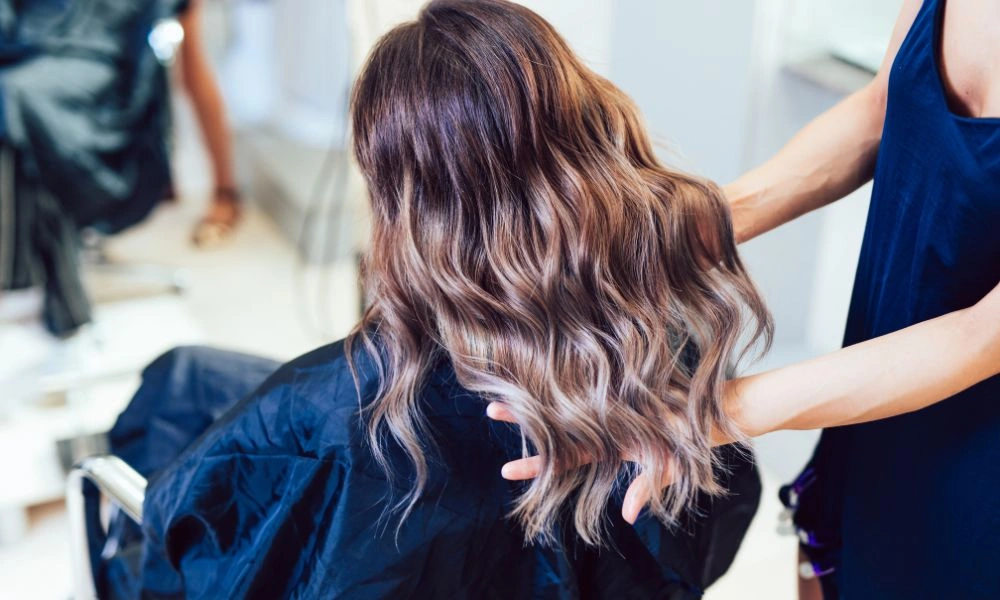
Natural styling techniques can help improve wave definition without relying on curling irons or other hot tools. You can also explore different hair color ideas, such as light brown hair, to complement your natural waves and create a fresh, effortless look.
Step 1: Start with Damp Hair
After washing, gently squeeze excess water from your hair. Avoid rough towel drying because friction can disturb the natural wave pattern. A microfiber towel or soft cotton T-shirt can be useful.
Step 2: Apply Your Styling Product
Distribute a small amount of mousse, leave-in conditioner, or styling gel through your damp hair. Choose the product according to your texture and desired finish.
Step 3: Scrunch Your Hair
Scrunching encourages the natural wave pattern. Take small sections of hair and gently push the ends upward toward your scalp using your palms. Repeat throughout the lengths.
Step 4: Air-Dry or Use a Diffuser
Allow your hair to dry naturally when possible. Alternatively, use a diffuser on a low or moderate heat setting. Avoid touching your hair too frequently while it dries, as this can create frizz.
Step 5: Finish with a Lightweight Serum
Once your hair is completely dry, gently smooth the ends with a small amount of serum if needed. If you have used gel, gently scrunch out any remaining stiffness to reveal softer waves.
Common Mistakes to Avoid When Caring for Wavy Hair
Small changes in your routine can make your waves easier to manage. Avoid these common mistakes:
- Using too much product: Heavy formulas can weigh down waves and reduce volume.
- Brushing dry hair: This can disrupt the wave pattern and increase frizz.
- Skipping conditioner: Insufficient conditioning can make lengths feel rough and difficult to detangle.
- Using excessive heat: Frequent high-temperature styling can contribute to dryness and breakage.
- Rubbing hair with a rough towel: Excessive friction can disturb the natural texture.
- Ignoring product buildup: Residue from styling products can make hair feel heavy and dull.
- Choosing haircuts without considering texture: Some cuts may not work well with your natural wave pattern or hair density.
The best approach is to understand what your hair needs rather than following every trending hair care recommendation.
How to Choose the Best Haircut for Your Wavy Hair?
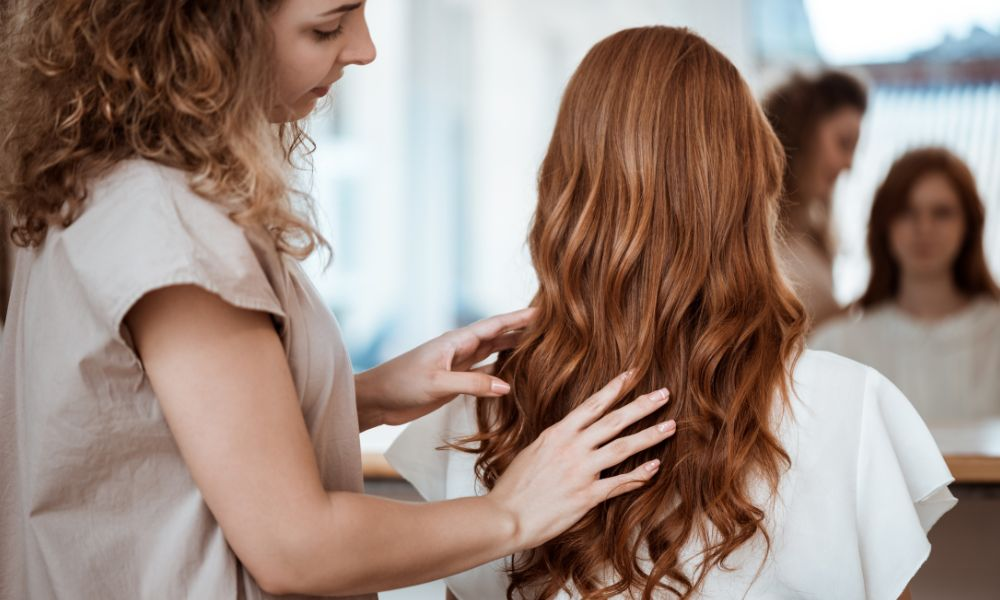
The right haircut depends on more than your wave type. Hair density, strand thickness, face shape, length preferences, and daily styling habits all matter. Hair color can also influence your overall appearance, so exploring different shades, such as blonde hair, may help you find a look that complements your hairstyle and personal style. Consider these factors before visiting a hairstylist:
For fine wavy hair: Choose soft layers or a blunt cut that maintains the appearance of fullness. Excessive layering can make the ends look thinner.
For thick wavy hair: Long layers can remove some weight and create better movement.
For short wavy hair: A textured bob or layered crop can highlight your natural pattern.
For long wavy hair: Face-framing layers, curtain bangs, or a long shag can add dimension without sacrificing length.
It is also helpful to show your hairstylist pictures of your hair in its natural state. This makes it easier to discuss a haircut that works with your actual texture.
Frequently Asked Questions About Wavy Hair
1. Is wavy hair considered curly or straight?
Wavy hair is a separate texture category between straight and curly hair. It is classified as Type 2 in the common hair typing system and includes 2A, 2B, and 2C patterns.
2. How do I know if I have wavy hair?
Wash your hair, apply conditioner, and allow it to dry naturally without brushing or heat styling. If your hair develops loose bends or noticeable S-shaped patterns, you may have naturally wavy hair.
3. Is wavy hair difficult to maintain?
Wavy hair is not necessarily difficult to maintain, but it can require specific products and techniques to preserve its natural shape. Gentle cleansing, regular conditioning, and lightweight styling products can make daily care easier.
4. How often should I wash wavy hair?
There is no universal washing schedule. It depends on your scalp’s oil production, activity level, hair density, and product use. Wash when your scalp needs cleansing rather than following a strict schedule.
5. Can wavy hair become curlier?
Waves can sometimes appear more defined when properly hydrated and styled. Scrunching, suitable styling products, and gentle drying can encourage the natural pattern. However, these techniques do not permanently change your natural hair texture.
Final Thoughts
Wavy hair is naturally versatile, offering a combination of softness, movement, and texture that works with many different hairstyles. Whether you have loose 2A waves, defined 2B patterns, or fuller 2C textures, understanding your hair type makes it easier to choose the right care routine. You can also explore different natural hair colors, such as red hair, to find inspiration for a fresh look that complements your personal style.
Focus on gentle cleansing, suitable conditioning, lightweight styling products, and techniques that support your natural wave pattern. Avoid excessive heat and unnecessary product buildup, and choose haircuts that complement your texture and lifestyle. Most importantly, you do not need perfectly uniform waves to have beautiful hair. Embracing your natural texture and finding a routine that works consistently can help your hair look healthier, more defined, and easier to manage.
