
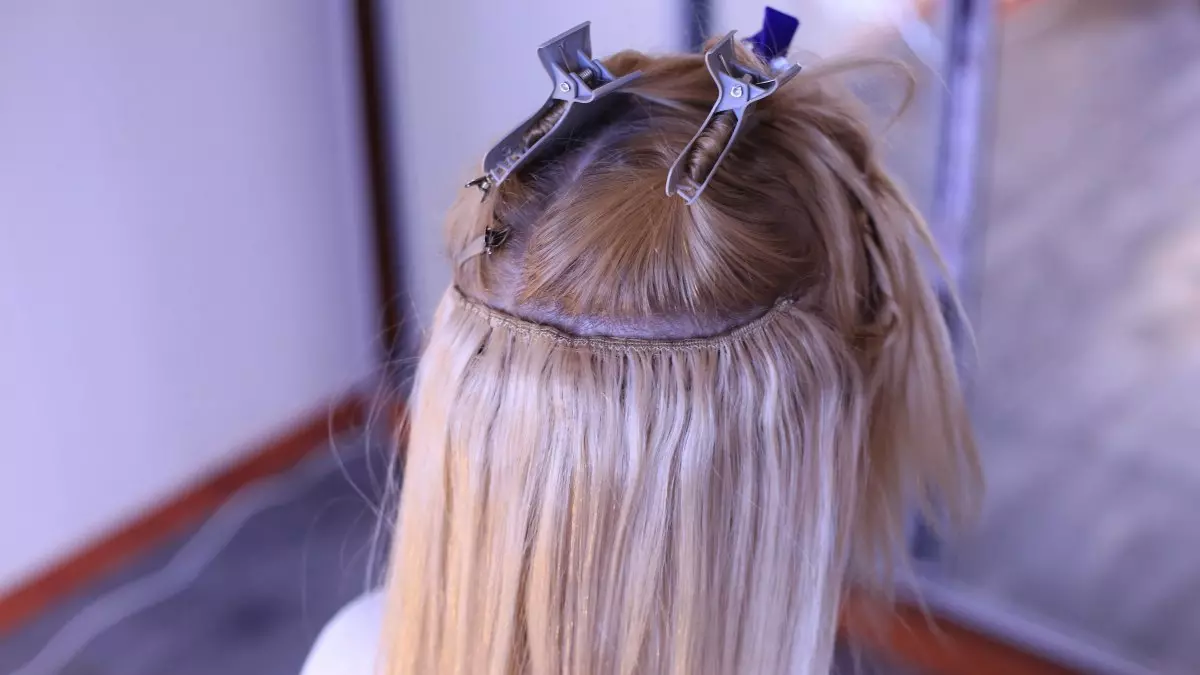
Hair extensions offer one of the most effective ways to instantly add length, volume, and thickness to your hair. Many people use them to conceal thinning strands, while others experiment with bold colors without using harsh dyes. Alternatively, you might simply want a fuller style for an upcoming event. Because beauty brands offer dozens of application methods, finding the right option can quickly feel overwhelming.
This comprehensive guide breaks down everything you need to know about hair extensions. Read on to learn about the main types, realistic costs, daily care routines, and common mistakes to avoid.
What Are Hair Extensions?
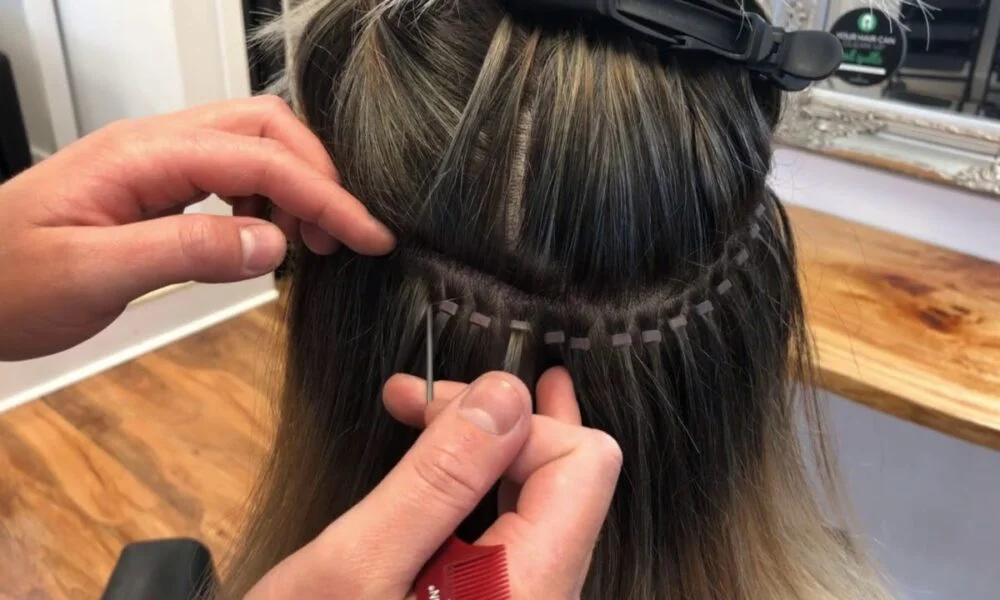
Hair extensions are hair strands that stylists attach to your natural hair to add length, volume, or color. Manufacturers craft them from either synthetic fibers or natural human hair. Furthermore, you can secure them using temporary clips, semi-permanent tapes, or micro-beads designed for long-term wear. They also offer a way to experiment with different looks without applying permanent hair dye or exposing your natural strands to frequent coloring.
Human Hair vs. Synthetic Hair
Choosing between real hair and synthetic strands is your first major decision.
-
Human Hair (Remy Hair): Stylists consider Remy human hair the top choice. Manufacturers keep the outer hair cuticles intact and running in the same direction, which prevents tangles and maintains a natural shine. Consequently, you can wash, heat-style, and color human hair extensions just like your own hair. They usually last between 6 and 12 months when you care for them properly.
-
Synthetic Hair: Factory workers produce synthetic extensions from fine plastic strands that imitate natural hair. Although these pieces cost less and arrive pre-styled, they cannot handle hot styling tools. In addition, synthetic pieces wear out in 1 to 3 months and can look overly shiny under bright light.
Popular Types of Hair Extensions and Application Methods
Each extension method matches specific hair types, daily routines, and budgets. Here is a clear breakdown of the most popular options available today.
1. Temporary Extensions
Clip-In Hair Extensions
Clip-in extensions feature contoured fabric or silicone strips with small pressure-sensitive clips. You simply snap these sections directly onto your natural hair near the roots.
-
Best For: Beginners, occasional wear, and special events.
-
Lifespan: 6 to 12+ months.
-
Application Time: 5 to 15 minutes at home.
Halo Extensions
A halo extension uses an invisible nylon wire that sits on top of your head like a headband. Afterward, you pull your natural hair over the wire to hide it completely.
-
Best For: Fine hair, quick daily wear, and zero damage.
-
Lifespan: 6 to 12+ months.
-
Application Time: 2 to 5 minutes at home.
2. Semi-Permanent Extensions
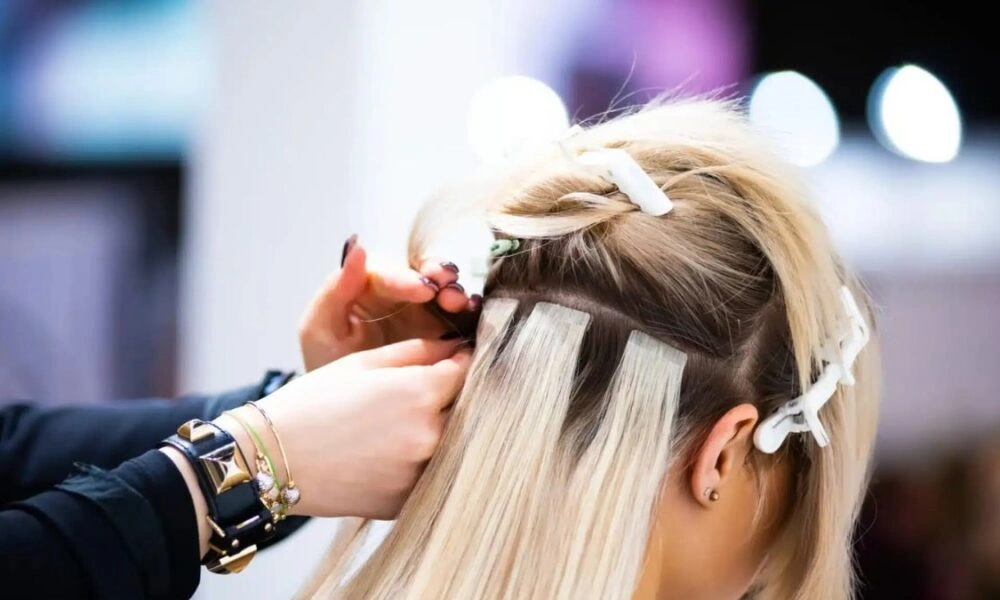
Tape-In Hair Extensions
Stylists sandwich thin sections of your natural hair between small pre-taped hair strips using strong medical tape. Because these pieces lie flat against your scalp, they blend seamlessly.
-
Best For: Fine to medium hair density seeking semi-permanent volume.
-
Lifespan: 6 to 8 weeks before a stylist moves them up.
-
Application Time: 30 to 60 minutes in a salon.
Keratin Bond (Fusion) Extensions
A stylist fuses individual hair strands to your natural hair using tiny keratin protein tips and a specialized heating tool.
-
Best For: Coarse, thick hair or active lifestyles requiring 360-degree ponytail mobility.
-
Lifespan: 3 to 5 months.
-
Application Time: 2 to 4 hours in a salon.
3. Professional Semi-Permanent Wefts
Micro-Loop / Micro-Bead Extensions
Stylists thread small bundles of extension hair onto your natural hair using tiny metal beads lined with silicone. Then, they clamp the beads shut with pliers without using any heat or glue.
-
Best For: Medium to thick hair looking for a heat-free, chemical-free method.
-
Lifespan: 6 to 8 weeks before maintenance.
-
Application Time: 1.5 to 3 hours in a salon.
Sew-In / Hand-Tied Wefts
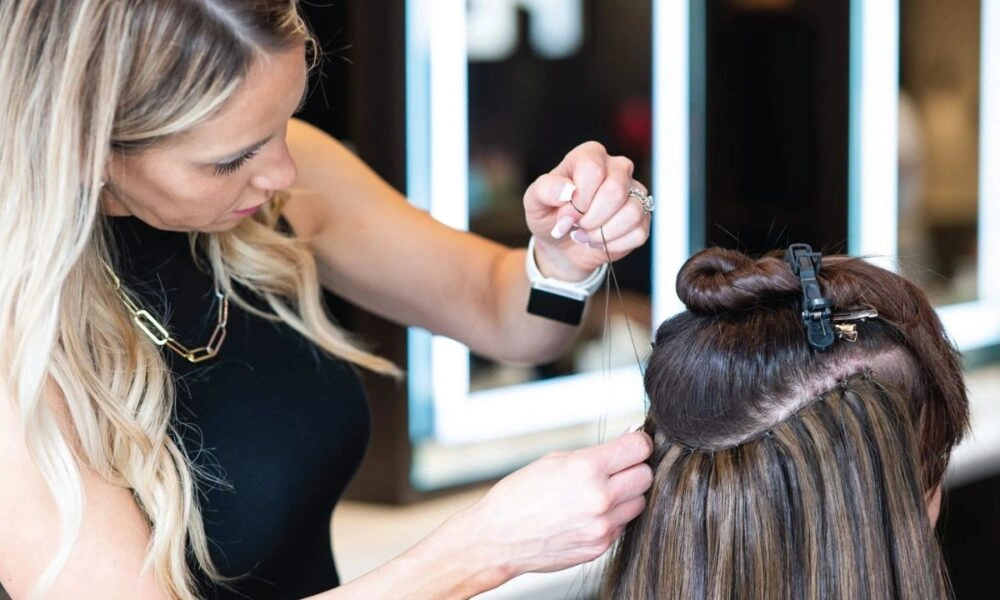
First, a stylist braids your natural hair into tight rows or secures it with a line of micro-beads. Next, they sew wide hair strips onto those rows using a specialized needle and thread.
-
Best For: Coarse, thick, or textured hair types.
-
Lifespan: 6 to 8 weeks before refitting.
-
Application Time: 2 to 4 hours in a salon.
Comparison of Key Hair Extension Methods
| Extension Type | Best Hair Type | Application Time | Maintenance Schedule | Damage Potential |
| Clip-In | All types | 5–15 mins | Wash every 15–20 wears | Extremely Low |
| Halo | Fine to Medium | 2–5 mins | Wash every 15–20 wears | None |
| Tape-In | Fine to Medium | 45–60 mins | Move-up every 6–8 weeks | Low to Moderate |
| Keratin Bond | Medium to Thick | 2–4 hours | Replacement every 3–5 months | Moderate |
| Sew-In / Hand-Tied | Thick / Textured | 2–4 hours | Move-up every 6–8 weeks | Low (when applied correctly) |
| Micro-Bead | Medium to Coarse | 1.5–3 hours | Move-up every 6–8 weeks | Low |
Benefits of Getting Hair Extensions
Besides adding length, quality extensions solve several everyday styling challenges:
-
Instant Density: Extensions rebuild fullness in thin or limp hair, restoring volume to sparse ends.
-
Safe Color Testing: You can add bright highlights or lowlights using colored extensions without bleaching your natural strands.
-
Easier Updos: Extra hair adds grip and structure, making full braids and intricate updos much easier to create.
-
Quick Disguise: They cover up uneven haircuts or awkward growing-out stages immediately.
How Much Do Hair Extensions Cost?
Total prices vary based on hair quality, your chosen method, and salon service fees.
-
Clip-In and Halo Extensions: High-quality human hair sets cost between $100 and $300. You save money because they require no salon fees.
-
Tape-In Extensions: Quality hair costs $200 to $500, while salon installation adds another $150 to $300.
-
Keratin Bond and Sew-In Extensions: Premium hand-tied or keratin sets usually cost between $500 and $1,500+ for the hair and professional fitting combined.
-
Ongoing Salon Care: Semi-permanent methods require maintenance every 6 to 8 weeks to move up growing strands. These visits average $100 to $300 each time.
How to Choose the Best Option for You?
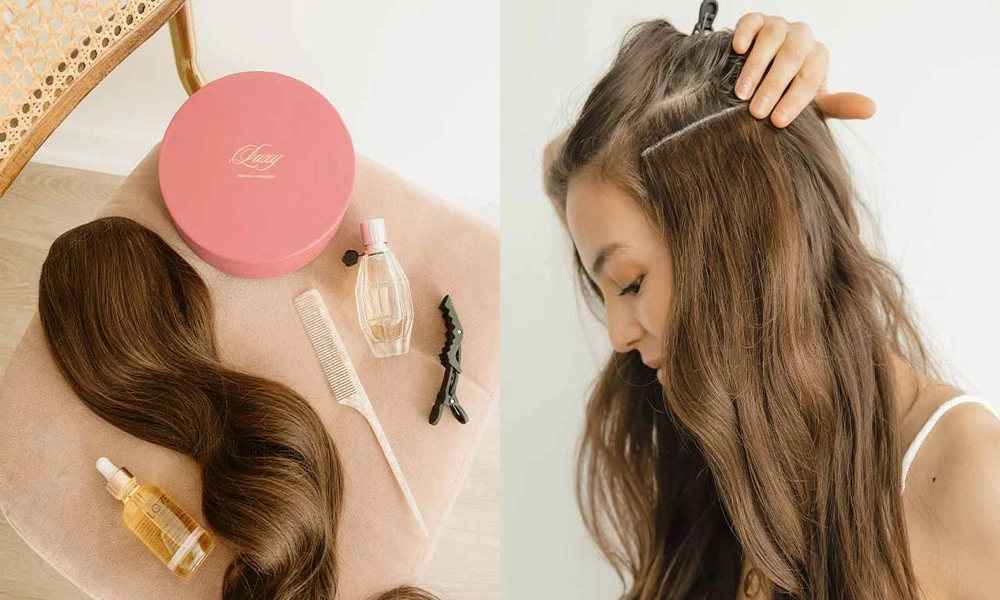
Selecting the right style requires matching your natural hair type, daily schedule, and care budget, while considering shades that complement your natural color, such as different brown hair tones.
-
Check Your Hair Density: If you have fine hair, lightweight choices like tape-ins or halo pieces protect your natural roots from strain. Conversely, thick hair easily supports heavier sew-in rows or fusion bonds.
-
Review Your Routine: If you exercise daily or swim often, temporary clip-in pieces might suit you better than tape-ins. Tape adhesives require careful blow-drying after every workout.
-
Set Your Budget: Factor in recurring maintenance appointment fees alongside your initial purchase price.
-
Match Color and Length: Always match extension colors to the mid-lengths and ends of your hair rather than your roots. Additionally, choose a length within 4 to 6 inches of your natural hair for the most seamless blend.
Daily Care and Maintenance Guide
A consistent care routine protects your extensions and keeps your natural hair healthy underneath, especially if you have a specific hair texture, such as 2A hair, that requires gentle maintenance.
Washing and Hydration
-
Choose Sulfate-Free Products: Sulfates weaken tape adhesives and dry out human hair pieces.
-
Wash Gently: Avoid rubbing your scalp in circular motions. Instead, wash gently in a downward direction and keep conditioner away from root attachments.
Brushing and Detangling
-
Use a Loop Brush: Pick a soft loop brush designed to glide over extension bonds without catching.
-
Hold the Roots: Support your hair roots with one hand while brushing out tangles starting from the ends up.
Heat Styling and Sleeping
-
Apply Thermal Protection: Always spray a heat protectant before blow-drying or curling your hair. However, keep hot tools away from synthetic strands and tape bonds.
-
Braid Before Bed: Secure your hair in a loose braid with a silk scrunchie before sleeping to prevent tangles. Switching to a silk pillowcase also reduces overnight friction.
Common Mistakes to Avoid
-
Tension That Is Too Tight: Excess strain on your scalp causes hair loss and root damage. If your head hurts after a salon visit, ask your stylist to loosen the attachments.
-
Skipping Salon Maintenance: Delaying maintenance past 8 weeks causes shedding hair to tangle around your bonds, leading to severe root matting.
-
Applying Oils to Attachment Points: Heavy oils and masks dissolve tape glue and cause micro-beads to slip down your hair.
-
Sleeping with Wet Hair: Going to bed with wet roots tangles your strands and creates scalp irritation. Always dry your hair completely before sleeping.
Frequently Asked Questions
Do hair extensions damage natural hair?
Hair extensions do not damage your natural hair if a professional applies them correctly and you follow standard care rules. Problems usually start when you choose pieces that are too heavy or leave them in past their maintenance date.
How long do semi-permanent hair extensions last?
Semi-permanent extensions stay in place for 6 to 8 weeks before your stylist needs to move them up. However, the extension hair itself can last up to a full year with proper care.
Can you wash your hair normally with extensions?
Yes, but you must adjust your washing routine slightly. Wash your hair standing upright in the shower, use sulfate-free products, and keep conditioner on the ends rather than near your scalp.
Can you tie your hair up with extensions?
Yes. Professional stylists place tape-ins and micro-beads strategically so you can wear high ponytails and buns. Just keep your hair styles slightly loose near the hairline to protect your scalp.
Can hair extensions be colored or bleached?
Stylists can safely darken or tone 100% Remy human hair extensions. However, bleaching extensions damages the hair fibers, while synthetic hair cannot absorb hair dye at all.
How do I know how many grams of hair I need?
If you have fine hair and only want extra volume, 50 to 100 grams is plenty. If you have medium hair density and want length, aim for 100 to 150 grams. Finally, thick natural hair requiring a dramatic transformation usually needs 150 to 200+ grams.
Final Thoughts
Hair extensions give you a practical, flexible way to transform your hairstyle and add instant volume. Success depends on picking an application method that fits your natural hair type, lifestyle, and care routine. By investing in quality human hair and following a smart brushing schedule, you can enjoy long, full hair while keeping your natural strands completely healthy.
