
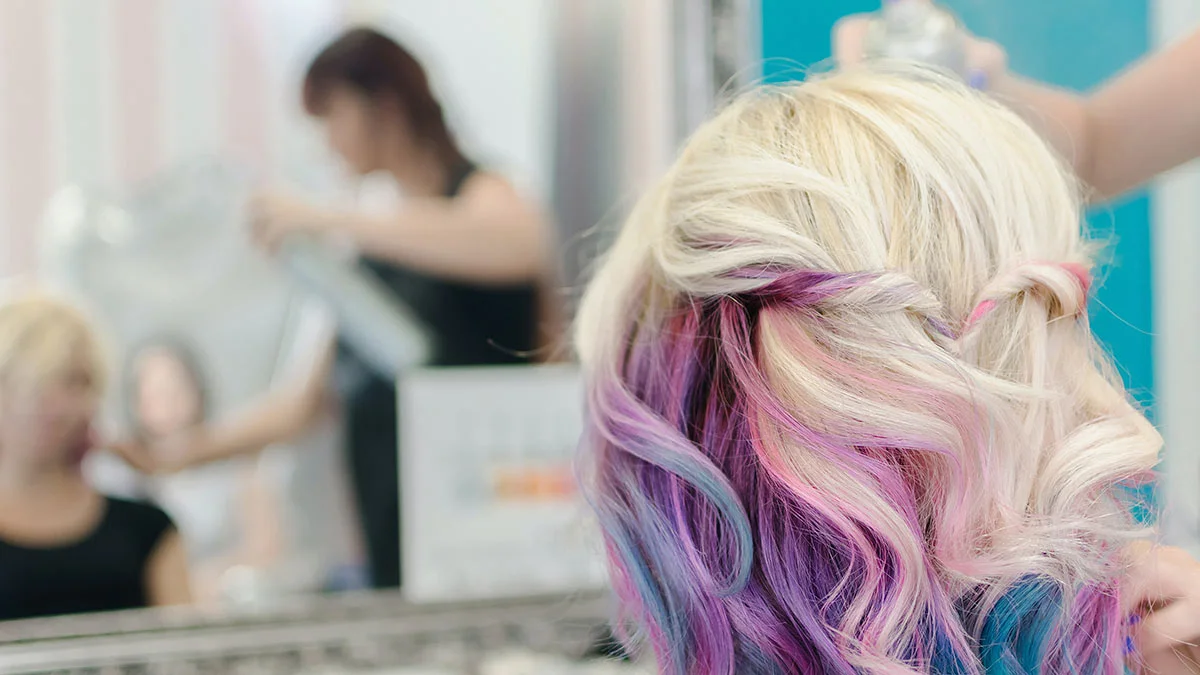
Hair color uses special pigments to change your natural shade, cover gray strands, or add soft highlights. Whether you want to hide silver hairs or try a bold new look, knowing how dye works helps you get great results.
However, picking a new shade takes more than grabbing a box off a store shelf. Your hair’s health, past dyes, and skin undertone all change how a color looks. In this guide, we break down the main dye types, popular styles, shade matching, and easy care tips.
How Hair Color Works?
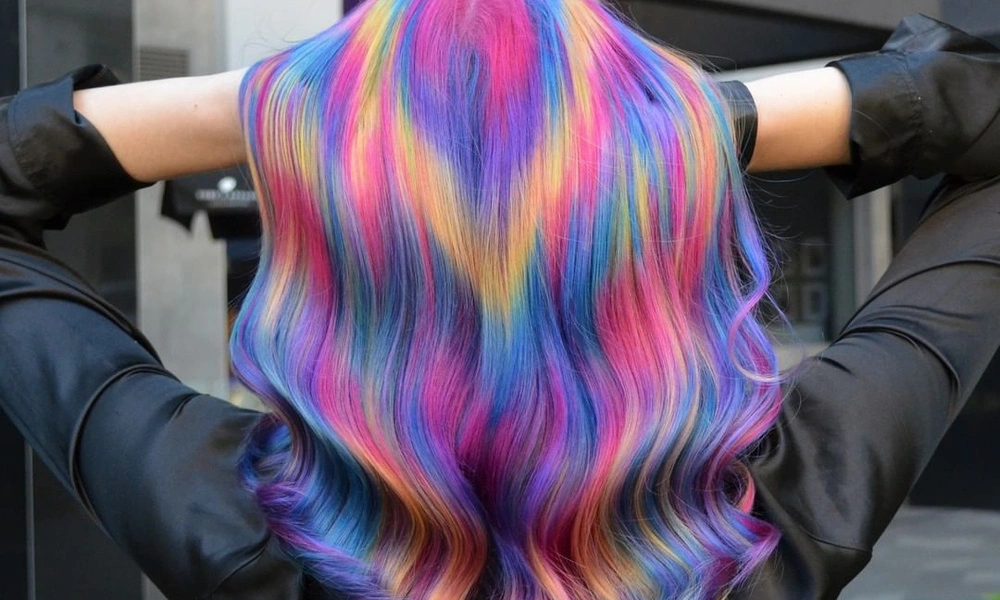
Every strand of hair has three layers. First, the cuticle is the tough outer shield made of tiny overlapping scales. Second, the cortex sits in the middle and holds your natural color pigments. Third, the medulla is the soft inner core.
Most hair dyes change these layers in one of two ways:
-
Depositing color: Gentle dyes without ammonia coat the outside of the hair shaft. They add fresh pigment without changing your natural base shade.
-
Lifting and depositing: Stronger dyes use an alkaline ingredient to open the outer cuticle. Next, a developer (hydrogen peroxide) lightens your natural pigment so new color can lock inside the cortex.
Main Types of Hair Color Formulas
Knowing how long each dye lasts helps you prevent hair damage and extra upkeep.
| Formula Type | How Long It Lasts | Developer Required? | Lightens Natural Hair? | Best For |
| Temporary | 1–2 washes | No | No | Costumes, one-day events, testing bold tints |
| Semi-Permanent | 4–12 washes | No | No | Boosting shine, refreshing faded color, toning |
| Demi-Permanent | 20–28 washes | Yes (low volume) | No | Blending early grays, rich shine, glossing |
| Permanent | Until hair grows out | Yes (10–40 volume) | Yes | Full gray coverage, big shade changes |
Temporary Hair Color
Temporary dyes come as sprays, chalks, waxes, and tinted foams. Because their color molecules are large, they sit right on top of the hair shaft. As a result, they wash out in one or two shampoos and cause no chemical damage.
Semi-Permanent Hair Color
Semi-permanent formulas use smaller dyes that slip just under the outer cuticle. They do not need ammonia or a developer. Instead, they fade slowly with each wash, so you never get harsh root lines. Since they cannot lighten dark strands, they work best on pre-lightened hair or for adding rich tone.
Demi-Permanent Hair Color
Demi-permanent dye mixes color with a gentle, low-volume developer. Therefore, the pigment reaches deeper into the hair than a semi-permanent rinse. It still will not lighten natural hair. However, it is great for adding shine, fixing brassy tones, or blending up to half of your gray hairs.
Permanent Hair Color
Permanent hair color uses both an opening agent and peroxide to swap out your natural pigment. Consequently, it covers gray hair completely and can lighten uncolored strands by several shades. While the dye stays in your hair for good, new root growth still needs touch-ups every four to six weeks.
Popular Hair Coloring Techniques
Modern coloring goes far beyond applying one flat shade all over your head. Today, stylists use smart placement methods to create soft movement and cut down on salon visits.
-
Single-Process Color: A stylist applies one steady shade from your roots to your ends. This method works well for covering grays or shifting your overall color slightly.
-
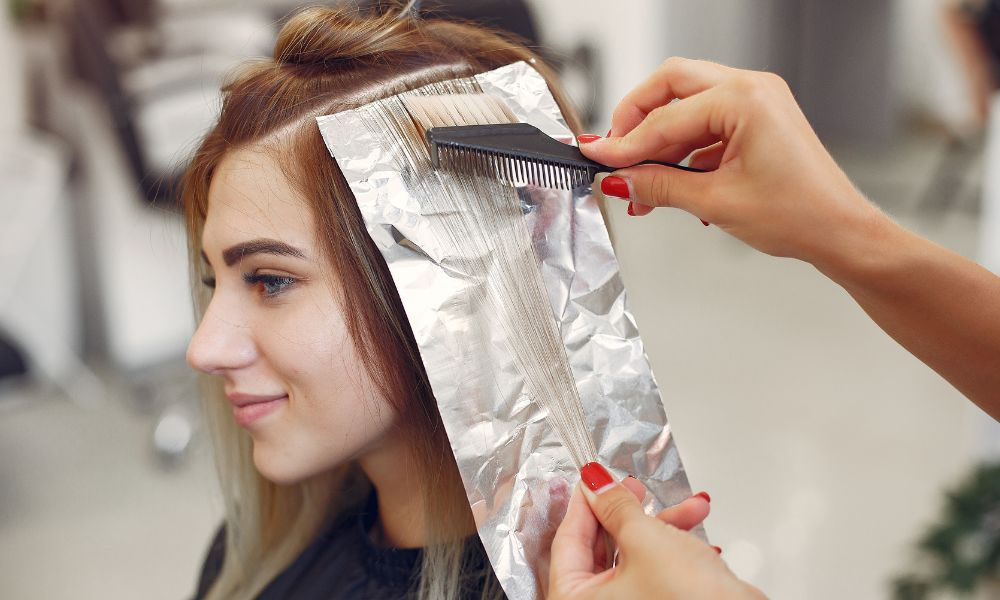
Traditional Highlights and Lowlights: Foil sheets separate thin sections of hair to make them lighter (highlights) or darker (lowlights). As a result, your hair gains rich depth and contrast.
-
Balayage: A stylist paints lightener onto the surface of your hair by hand. Because the color starts softly away from the scalp, it grows out smoothly with no harsh lines.
-
Root Smudge or Shadow Root: A deeper shade at the scalp blends softly into lighter ends. Thus, you can wait much longer between salon touch-ups.
-
Hair Glossing: A clear or tinted demi-permanent glaze seals the outer cuticle. In addition, it boosts shine and cancels out unwanted warm or cool tones.
How to Choose the Right Hair Color for Your Skin Tone
The best hair color matches your skin’s undertone, which is the subtle hue just beneath the surface.
Identifying Your Undertone
-
Cool undertones: Look at the veins on your inner wrist. If they look blue or purple, you likely have cool undertones. Silver jewelry also tends to brighten your face.
-
Warm undertones: Your wrist veins appear greenish. Furthermore, gold jewelry flatters your skin, and your complexion has golden or peachy hints.
-
Neutral undertones: Your veins look blue-green. In this case, both gold and silver jewelry look equally good on you.
Matching Shades to Undertones
-
Best shades for cool undertones: Try ash blonde, platinum, cool espresso, blue-black, or mushroom brown. These cool shades help calm down redness in your skin.
-
Best shades for warm undertones: Pick honey blonde, caramel, golden brown, copper, or auburn. Warm pigments bring out a healthy glow in golden or olive skin.
-
Best shades for neutral undertones: Almost any shade works well for you. For example, beige blonde, chocolate brown, soft black, and strawberry blonde are all great picks.
Understanding Hair Color Levels and Tones
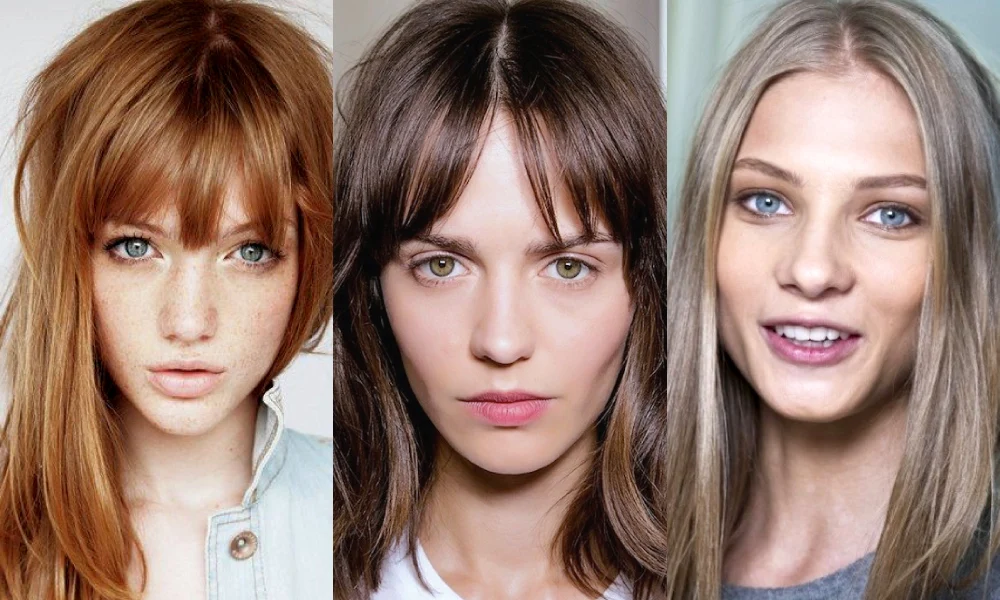
Color charts use simple numbers and letters to describe every shade accurately, making it easier to identify specific tones, including vibrant shades of red hair.
-
Levels (1 to 10): Numbers show how dark or light a shade is. Level 1 is pure black, while Levels 4 to 6 are dark to light brown. Meanwhile, Levels 8 to 10 cover light to palest blonde.
-
Tones (Letters): Letters after the number show the main hue. Common letters include N (Neutral), A (Ash/cool), G (Gold/warm), C (Copper), R (Red), and V (Violet).
Knowing your level and tone prevents bad surprises. For instance, lifting dark brown hair without a cool ash toner often leaves behind bright orange brassiness.
Salon vs. At-Home Hair Color: Key Considerations
Both salon visits and store-bought kits have clear perks depending on your hair goals.
-
When to visit a salon: Book a pro if you want to go much lighter or darker. You should also see a stylist for balayage, foil highlights, or fixing a bad dye job. Pros adjust developer strengths for different parts of your hair to keep strands healthy.
-
When at-home color works well: Box dyes and gloss kits work fine for basic root touch-ups. Similarly, they are handy if you want to dye your hair the same shade or slightly darker.
Essential Preparation and Safety Tips
A little prep work keeps your scalp safe and protects your hair from breakage.
-
Do a patch test 48 hours early: Dab a tiny bit of mixed dye behind your ear. Wait two days to make sure you do not have an allergic reaction.
-
Run a strand test: Test the dye on a hidden lock of hair underneath. That way, you can see the exact shade and timing before coloring your whole head.
-
Skip shampoo right before coloring: Let natural scalp oils build up for one or two days. These oils act as a gentle shield against scalp irritation.
-
Watch out for metallic dyes: Never put standard hair dye over progressive dyes or compound henna. Mixing them can cause a harsh chemical reaction that melts or breaks hair.
How to Maintain Colored Hair and Prevent Fading?
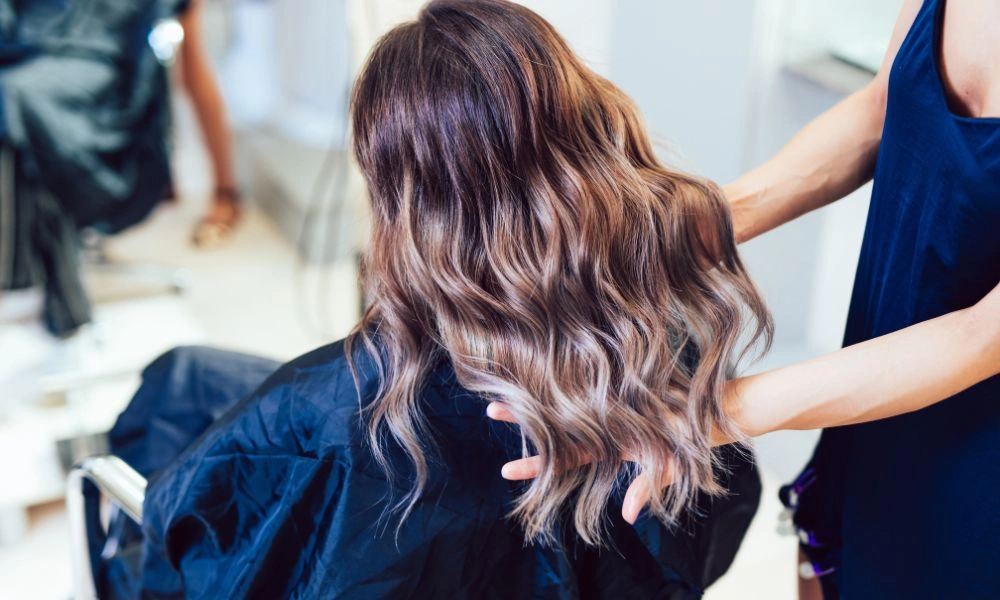
Color-treated hair has a raised outer cuticle, so it loses moisture and pigment fast. Whether you maintain a natural shade or a rich tone like auburn hair, a few habit tweaks will help keep your color bright and vibrant.
-
Wait two to three days before washing: Give your hair time to close its outer cuticle. As a result, the fresh pigment locks safely inside.
-
Use sulfate-free shampoo: Harsh sulfates strip away both natural oils and expensive hair dye. Instead, switch to a gentle, color-safe cleanser.
-
Rinse with cool water: Hot water opens the hair cuticle and lets color rinse down the drain. Therefore, always finish your shower with cool or lukewarm water.
-
Try toning masks: Purple shampoos cancel out yellow tones in blonde hair. Likewise, blue masks keep brown hair from turning orange.
-
Shield hair from heat and sun: Always spray on heat protection before using hot tools. In addition, wear a hat outdoors so sunlight does not fade your shade.
Common Hair Coloring Mistakes to Avoid
-
Putting light box dye over dark dyed hair: New hair dye cannot lighten old hair dye. If you try, only your fresh roots will turn light, leaving you with bright roots and dark ends.
-
Skipping toner after lightening: Bleaching natural hair always uncovers warm yellow or orange pigments. Because of this, you need a toner to reach a clean, balanced shade.
-
Pulling permanent dye through your ends: Only put permanent root touch-up dye on new growth. Coating your ends every month causes dark buildup, dryness, and split ends.
-
Trusting the photo on the box: Your final color depends on your starting shade and hair health, not the model’s picture.
Frequently Asked Questions
How often should I color my hair?
For permanent root touch-ups, plan to color every four to six weeks. During that time, hair grows about half an inch. On the other hand, balayage and demi-permanent glosses easily last eight to twelve weeks.
Does dyeing your hair cause permanent damage?
Hair dye changes the structure of your existing strands, which can cause dryness if you overdo it. However, dye never harms the root follicle under your scalp. Thus, your new hair will always grow in healthy and natural.
Can I lighten my hair without bleach?
Yes, permanent dye with a strong developer can lift uncolored hair by two or three shades. However, you will need bleach if your hair already has dark dye on it or if you want to go much lighter.
Why does my hair turn brassy after coloring?
Lightening dark hair uncovers natural warm red, orange, and yellow pigments. Over time, cool toners wash out faster than these warm base tones. Fortunately, using a purple or blue shampoo once a week fixes the brassiness.
How can I cover gray hair without harsh root lines?
Demi-permanent dye blends gray strands softly so the color fades away without a sharp line. Alternatively, adding thin highlights across the top helps silver roots blend right in.
Is ammonia-free hair color better for hair?
Ammonia-free dyes swap ammonia for milder opening agents like MEA. While they smell better and irritate the scalp less, they still use peroxide. Therefore, you still need good conditioners to keep your hair soft.
Final Thoughts
Great hair color starts with picking the right formula for your hair’s history and daily routine. When you match shades to your skin undertone and use gentle care products, your color stays rich and glossy. Take your time, test a small strand first, and enjoy your fresh new look.
