
Hair Cuttery is one of the largest value-focused, full-service hair salon chains in the United States, operating hundreds of neighborhood locations primarily across the East Coast and Midwest. Known for blending walk-in convenience with scheduled appointments, the brand provides accessible haircuts, color treatments, styling, and hair care products for adults and children without the steep price tags of luxury boutique salons.
Whether you are planning a quick trim, looking for dimensional highlights, or trying to figure out how salon pricing tiers work before booking, knowing what Hair Cuttery offers helps you walk in prepared. Understanding the service menu, stylist levels, and consultation best practices ensures you leave the chair with results that match your expectations and budget.
What Is Hair Cuttery?
Founded in 1974 in West Springfield, Virginia, Hair Cuttery built its reputation on making professional salon services approachable, convenient, and reasonably priced. Rather than operating as an ultra-budget quick-cut chain or an exclusive appointment-only studio, the company occupies a middle ground. Locations are commonly situated in neighborhood shopping centers and retail plazas, making them easy to visit during routine errands.
Hair Cuttery operates under Hair Cuttery Family of Brands (HCFB), which also includes related salon concepts such as Bubbles and Cibu. While corporate ownership and regional store counts have evolved over the decades, the core model remains centered on licensed cosmetologists offering full-service hair care ranging from basic cuts and blowouts to chemical color services and texture treatments.
For readers exploring different hair care options and styles, this broader overview of 2A hair can also provide useful insights into hair types and their characteristics.
Core Salon Services at Hair Cuttery
Unlike discount haircut chains that focus almost exclusively on dry trims and clipper cuts, Hair Cuttery functions as a full-service salon. While exact service availability can vary slightly depending on the individual salon and stylist specialization, most locations offer the following categories. Clients with naturally textured hair can also explore this guide to wavy hair to better understand their hair type and styling needs.
Haircuts and Styling
-
Signature Haircuts: Standard cuts typically include a personalized consultation, shampoo, conditioning treatment, precision cut, and basic blow-dry finish.
-
Kids and Senior Cuts: Dedicated pricing options are often available for children and older adults, focusing on quick, comfortable appointments.
-
Bang and Neck Trims: Short maintenance visits designed to keep existing shapes clean between full haircuts.
-
Blowouts and Formal Styling: Wash-and-style sessions using round brushes and heat tools, as well as updos and special-occasion styling for weddings, proms, and events.
Hair Color and Lightening
-
Single-Process Color: All-over permanent or demi-permanent color applied from roots to ends, or root touch-up services to cover gray hair and maintain an existing shade.
-
Highlights and Lowlights: Traditional foil placement to add brightness, depth, and contrast throughout the crown or full head.
-
Balayage and Dimensional Color: Hand-painted lightening techniques that create softer, more natural-looking grow-out lines compared to standard foil highlights.
-
Glosses and Toners: Demi-permanent treatments used to neutralize brassiness, enhance shine, or refresh faded color between major appointments.
Treatments and Texture Services
-
Deep Conditioning and Scalp Treatments: Intensive moisture or protein masks aimed at repairing heat damage, dryness, or breakage.
-
Keratin Smoothing Treatments: Semi-permanent smoothing services designed to reduce frizz, shorten blow-dry time, and improve manageability in humid weather.
-
Perms and Texture Waves: Chemical restructuring services for clients seeking lasting curls or added volume.
How Hair Cuttery Pricing and Stylist Tiers Work?
One of the most common questions first-time guests have involves pricing. Hair Cuttery does not use a single flat rate across every chair. Instead, prices generally vary based on geographic market, hair length or thickness, and stylist experience tiers.
Most locations organize their cosmetologists into progressive career levels—such as Designer, Senior Designer, Master Designer, or similar tiered titles. As stylists complete advanced education, build technical speed, and maintain strong client retention, they advance to higher tiers, and their service prices increase accordingly.
| Service Category | What Typically Influences the Final Cost | Best Choice For |
| Basic Haircut & Blowout | Stylist tier, regional location, and extra-long or thick hair surcharges | Routine trims, shape updates, and everyday maintenance |
| Root Touch-Up / Single Color | Amount of product required, hair density, and whether a cut is bundled | Gray coverage and refreshing solid shades |
| Partial or Full Highlights | Foil count, toner requirements, bond-building additives, and stylist level | Brightening around the face or achieving an all-over lighter look |
| Balayage / Specialty Color | Technique complexity, multiple processing steps, and appointment duration | Low-maintenance, blended dimension and lived-in color |
| Keratin / Smoothing | Hair length, product volume, and treatment formula | Frizz control and smoother daily styling |
Because color and specialty services depend heavily on your starting hair color and desired outcome, the price listed online or on a salon menu board usually represents a starting rate. Requesting an upfront price quote during your pre-service consultation prevents surprises at checkout.
Walk-Ins vs. Appointments: Booking Options
Hair Cuttery is well known for welcoming walk-in guests, which makes it a popular choice for last-minute haircuts. However, relying purely on walking in comes with trade-offs—especially on Friday afternoons, weekends, and back-to-school or holiday periods.
-
Online Booking and Mobile App: Checking in or scheduling ahead through the Hair Cuttery website or mobile app lets you choose a specific salon, view available time slots, and select a preferred stylist.
-
Phone Reservations: Calling your neighborhood location directly is especially helpful if you are booking a complex color correction, perm, or multi-step lightening service that requires extra time on the schedule.
-
Same-Day Walk-Ins: Walking in works best during weekday mornings or early afternoons when chair availability is highest. If there is a wait, the front desk can usually provide an estimated check-in time.
How to Prepare for a Great Salon Visit?
Because chain salons employ stylists with varying specialties and experience levels, clear communication plays a major role in getting the haircut or color you want. A few practical steps before and during your appointment can make a noticeable difference.
Bring Clear Reference Photos
Words like “trim,” “layers,” or “caramel highlights” mean different things to different people. Saving two or three photos of haircuts or colors on people with a similar hair texture and density gives your stylist a concrete visual target. Point out both what you like in the photo and anything you want to avoid.
Share Your Complete Hair History
Before any chemical service, tell your stylist everything that has been applied to your hair over the past two to three years—including box dye, henna, glosses, relaxers, or keratin treatments. Underlying pigments and previous chemical processes directly affect how lightener and hair color react.
Ask Specific Consultation Questions
Use the first five minutes in the chair to align on expectations:
-
How much length are we taking off in inches?
-
Will this cut require daily heat styling to look like the photo?
-
What is the total estimated price including toner, conditioning treatments, or blow-dry styling?
-
How often will I need to come back to maintain this look?
Be Realistic About Maintenance
A high-contrast platinum blonde or a structured, blunt bob looks sharp leaving the salon, but both require regular upkeep. If you prefer visiting the salon every three to four months rather than every four to six weeks, ask your stylist for a softer, lower-maintenance cut or blended color placement.
Hair Cuttery vs. Other Salon Options
Choosing where to get your hair done often comes down to balancing convenience, budget, and customization. Comparing Hair Cuttery with other common salon formats helps clarify where it fits best. If you’re considering a color change, exploring different auburn hair shades can also help you identify a look that suits your personal style.
-
Hair Cuttery vs. Budget Walk-In Chains: Budget chains typically focus on fast, standardized haircuts at lower flat prices, often without shampoo bowls at every station or extensive color menus. Hair Cuttery generally offers a fuller salon experience including shampoos, blow-dries, foils, balayage, and smoothing treatments at moderately higher prices.
-
Hair Cuttery vs. Independent Luxury Salons: High-end boutique salons often provide longer appointment blocks, customized beverages, and specialized master colorists, but prices can be two to three times higher. Hair Cuttery delivers accessible everyday services with transparent starting rates and wider scheduling flexibility.
-
Hair Cuttery vs. Salon Suites: Independent stylists working in private suites offer one-on-one privacy and direct control over their menus, though walk-in availability is rare. Hair Cuttery provides consistent storefront hours and multiple stylists on duty if your schedule changes unexpectedly.
Common Mistakes to Avoid at Chain Salons
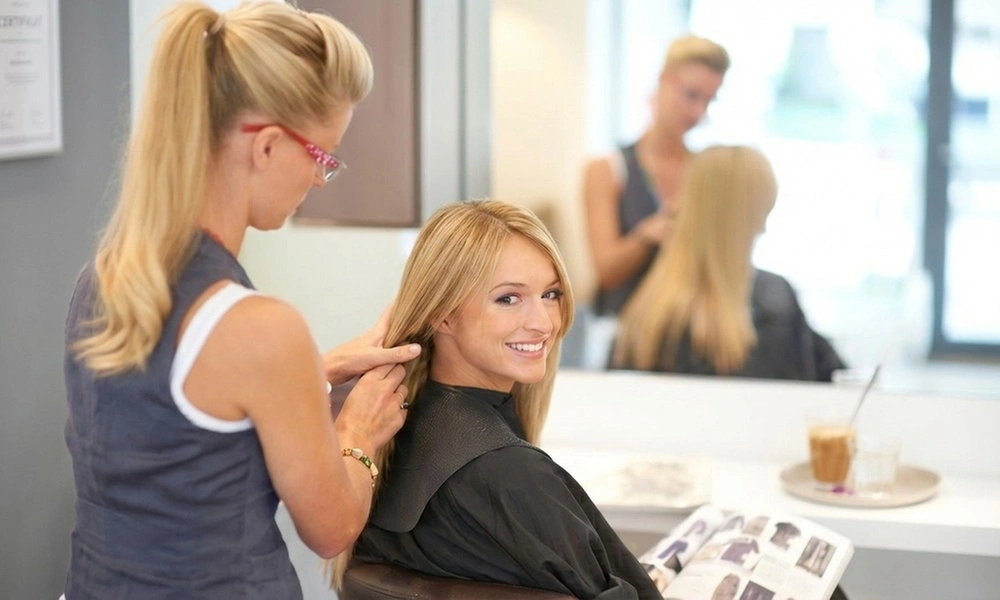
Even experienced salon-goers occasionally run into avoidable frustrations. Watching out for these common pitfalls leads to smoother appointments:
-
Booking a Basic Cut When You Need a Major Restyle: Going from waist-length hair to a textured pixie cut takes extra time and detailing. Let the salon know when booking so enough time is reserved.
-
Skipping Toner After Lightening: Freshly bleached or highlighted hair almost always needs a toner or gloss to cancel out warm orange or yellow undertones. Factor toner into your budget from the start.
-
Washing Hair Immediately After Color: Waiting 48 to 72 hours before your first shampoo and using color-safe, sulfate-free products helps lock in pigment and preserve shine.
-
Choosing a Stylist Based Only on the Lowest Tier: Entry-level stylists can be great for straightforward trims, while complex color corrections or razor cuts often benefit from booking a senior or master-level stylist.
Frequently Asked Questions
Does Hair Cuttery take walk-ins?
Yes, Hair Cuttery accepts walk-in guests at most locations based on stylist availability. However, scheduling an appointment online or by phone is strongly recommended for weekends, evenings, and color or chemical services.
How much does a haircut cost at Hair Cuttery?
Haircut prices vary by city, salon location, and stylist experience tier. A standard adult haircut and blow-dry generally falls into a moderate mid-range price point—higher than quick-cut budget chains, yet noticeably lower than upscale boutique salons. Checking your local salon’s online booking menu provides exact current pricing.
Does a haircut at Hair Cuttery include a shampoo and blow-dry?
Most standard adult haircut packages include a consultation, shampoo, conditioner, haircut, and basic blow-dry style. Children’s cuts, dry cuts, or express trims may not include a full wash and blowout unless requested.
Can I request a specific stylist at Hair Cuttery?
Yes. When booking online, through the mobile app, or over the phone, you can select a specific stylist by name and view their available appointment times. If you are walking in, you can also request a particular stylist at the front desk.
What hair care products does Hair Cuttery sell?
Hair Cuttery retail shelves typically carry professional salon brands alongside its sister brand Cibu. Depending on the location, shoppers can find shampoos, conditioners, heat protectants, styling creams, and color-care products tailored to different hair types.
How should I tip my stylist at Hair Cuttery?
Standard salon tipping etiquette applies. Most guests tip between 15% and 20% of the total service cost for good service, or slightly more for complex color transformations. Tips can usually be added at checkout or given directly in cash.
Final Thoughts
Hair Cuttery fills a practical middle ground in the hair care industry: it offers the convenience of neighborhood locations and walk-in availability alongside a full menu of cuts, color, highlights, and smoothing treatments. Because pricing and specialties vary across stylist tiers and individual locations, the key to a great experience is simple check your local salon’s service menu ahead of time, bring clear reference photos, and confirm pricing and maintenance expectations during your consultation.
