
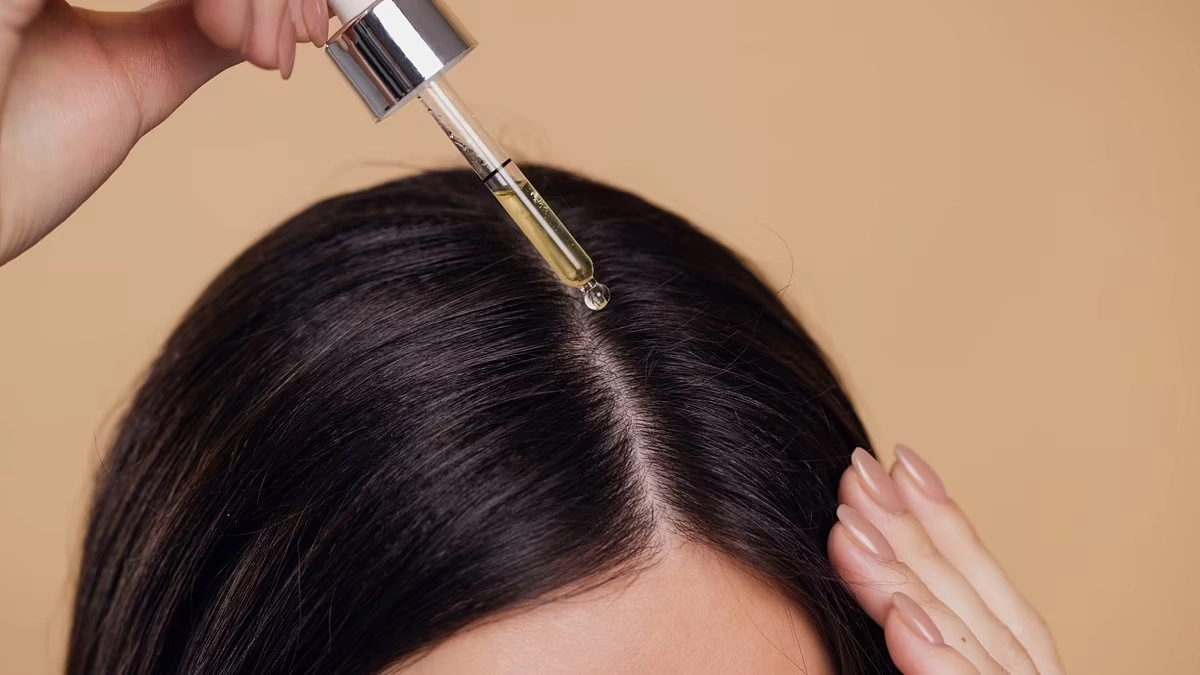
A hair growth serum is a concentrated, leave-in topical treatment formulated to nourish hair follicles, improve scalp health, and encourage thicker, fuller-looking hair over time. Unlike standard hair oils or styling serums that simply coat the hair shaft for shine and frizz control, a targeted growth serum delivers active ingredients directly to the scalp where hair is produced.
Whether you are noticing gradual thinning along your part, shedding more strands than usual in the shower, or simply trying to support overall hair density, choosing the right formula makes a measurable difference.
With dozens of peptide blends, botanical extracts, and medicated options on the market, knowing how these products actually function and what sets clinically supported formulas apart from clever marketing helps you invest in a routine that delivers real results.
How Hair Growth Serums Actually Work?
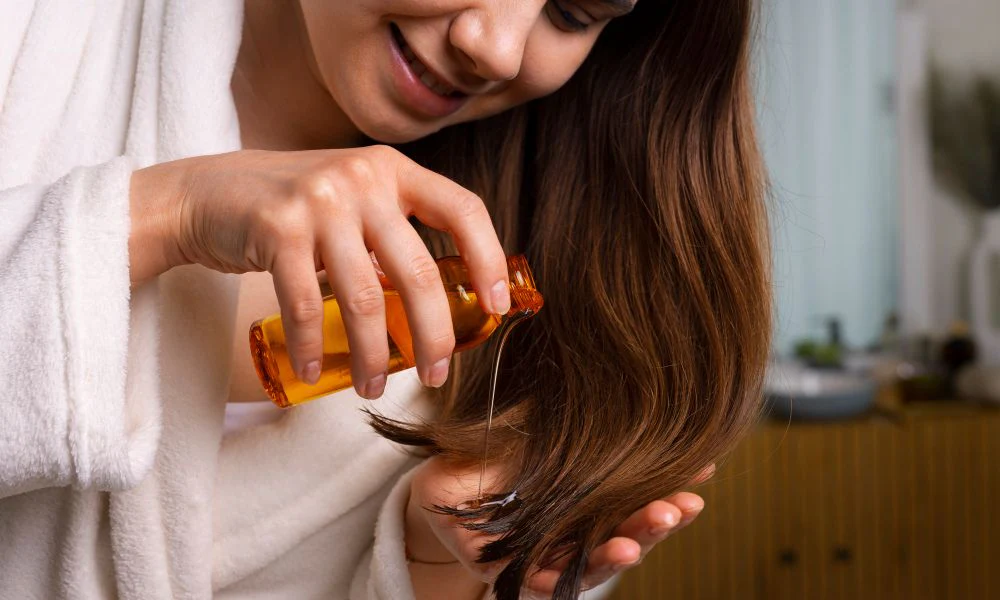
To understand what a hair growth serum can and cannot do, it helps to look at the natural hair growth cycle. Every strand on your head moves through three main phases:
-
Anagen (Growth Phase): The active phase where follicle cells divide rapidly to produce new hair. On the scalp, this phase lasts anywhere from two to seven years.
-
Catagen (Transition Phase): A brief two-to-three-week stage where hair growth slows and the follicle shrinks slightly.
-
Telogen (Resting and Shedding Phase): A three-month period where the follicle rests before releasing the old strand and beginning a new growth cycle.
Hair thinning often happens when the anagen phase shortens, follicles miniaturize due to hormonal sensitivity, or scalp inflammation disrupts normal cell turnover. A well-formulated hair growth serum supports this cycle by increasing microcirculation around the follicle, reducing localized scalp inflammation, blocking hormones linked to follicle shrinkage, and supplying amino acids and vitamins needed to build strong keratin fibers.
Because hair grows roughly half an inch per month, topical serums require consistent daily or nightly use for at least three to six months before visible improvements in density and coverage appear. Meanwhile, incorporating a nourishing hair mask into your routine can help condition dry strands and improve overall hair health.
Common Types of Hair Growth Serums
Not all growth serums rely on the same mechanism. Most formulas on the market fall into four main categories, each suited to different types of hair loss and scalp sensitivities.
1. Medicated Vasodilator Serums
Formulas containing minoxidil remain the gold standard for androgenetic alopecia (pattern hair loss). Minoxidil works as a vasodilator, widening blood vessels in the scalp to deliver more oxygen and nutrients to dormant or shrinking follicles while extending the anagen phase. These formulas are widely available over the counter in liquid and foam versions, though they require ongoing use to maintain results.
2. Peptide-Based Growth Serums
Peptide serums use short chains of amino acids—such as copper peptides, acetyl tetrapeptide-3, and biotinoyl tripeptide-1—to signal skin cells to produce more collagen and elastin around the hair bulb. Stronger dermal anchoring helps prevent premature shedding, making peptide serums popular among people seeking thicker strands without the potential irritation or initial shedding phase sometimes associated with medicated treatments.
3. Botanical and Essential Oil Serums
Plant-derived serums rely on ingredients like rosemary extract, pumpkin seed oil, saw palmetto, peppermint oil, and caffeine. Many of these botanicals act as mild natural DHT (dihydrotestosterone) blockers or circulation boosters. They tend to be gentle on the scalp and work well for early-stage thinning or general maintenance, though results are typically subtler than those from pharmaceutical ingredients.
4. Scalp-Barrier and Microbiome Serums
Sometimes poor hair growth is driven by chronic dryness, buildup, or dandruff rather than genetics. Barrier-focused serums combine niacinamide, hyaluronic acid, panthenol, and prebiotics to calm irritation, balance oil production, and keep follicle openings clear so new hairs can emerge unimpeded.
Key Ingredients to Look For on the Label
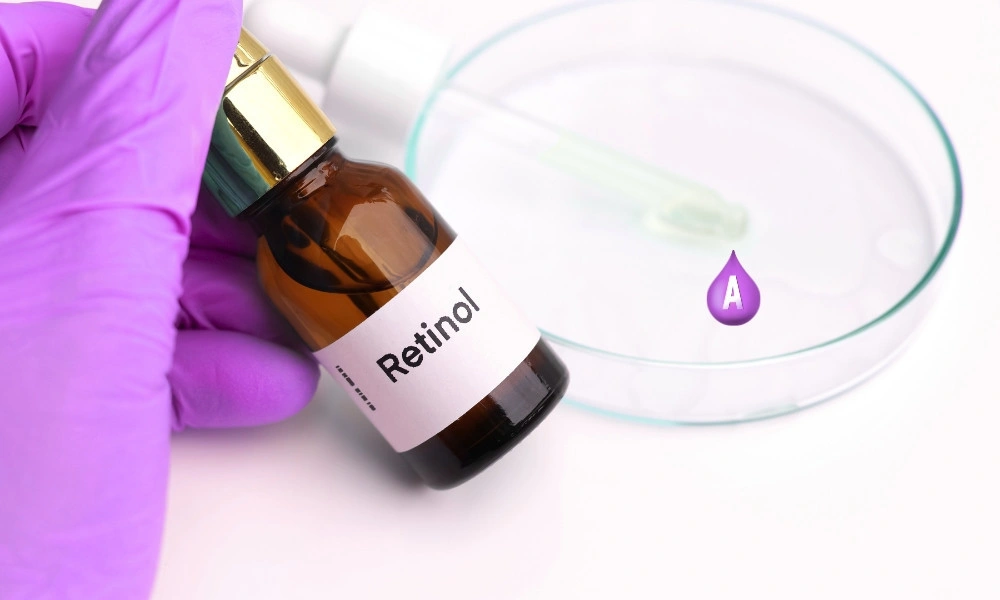
When evaluating a hair growth serum, turn the bottle around and check the active ingredients rather than relying on front-label promises. The most reliable formulas feature one or more of the following components:
-
Minoxidil (2% or 5%): Clinically proven to stimulate regrowth in hereditary thinning by prolonging the active growth phase.
-
Rosemary Leaf Extract or Oil: Research suggests rosemary oil can support circulation and reduce scalp inflammation similarly to low-strength topical treatments, with fewer reports of scalp itching.
-
Caffeine: Helps counteract the suppressive effects of DHT on hair follicles while stimulating cellular energy in the root.
-
Peptides (Copper Tripeptide-1, Acetyl Tetrapeptide-3): Reinforce the extracellular matrix around the follicle, supporting thicker hair diameter and reduced fallout.
-
Red Clover Extract and Saw Palmetto: Botanical compounds frequently paired with peptides to help inhibit 5-alpha reductase, the enzyme that converts testosterone into follicle-shrinking DHT.
-
Niacinamide (Vitamin B3): Improves scalp barrier function, boosts microcirculation, and enhances the delivery of other active ingredients.
Comparing Popular Hair Growth Serum Approaches
Choosing between a drug-based, peptide-based, or botanical formula depends on the root cause of your hair thinning, your budget, and your scalp sensitivity.
| Serum Category | Primary Active Ingredients | Best Suited For | Expected Timeline | Key Considerations |
| Medicated | Minoxidil | Hereditary pattern thinning and noticeable widening parts | 3 to 6 months | Must be used continuously; may cause temporary shedding in weeks 2–6 |
| Peptide-Rich | Copper peptides, biotinoyl tripeptide-1 | Overall density, fragile strands, and early-stage thinning | 3 to 4 months | Non-greasy, gentle on sensitive scalps, often higher price point |
| Botanical | Rosemary, caffeine, saw palmetto | Mild shedding, preventive care, and natural-routine preference | 4 to 6 months | Essential oils can irritate sensitive skin if not properly diluted |
| Scalp-Health | Niacinamide, panthenol, prebiotics | Flaky, tight, or inflamed scalps hindering healthy growth | 1 to 3 months | Improves scalp environment and hair feel, though less effective for genetic loss |
How to Apply a Hair Growth Serum for Maximum Absorption?
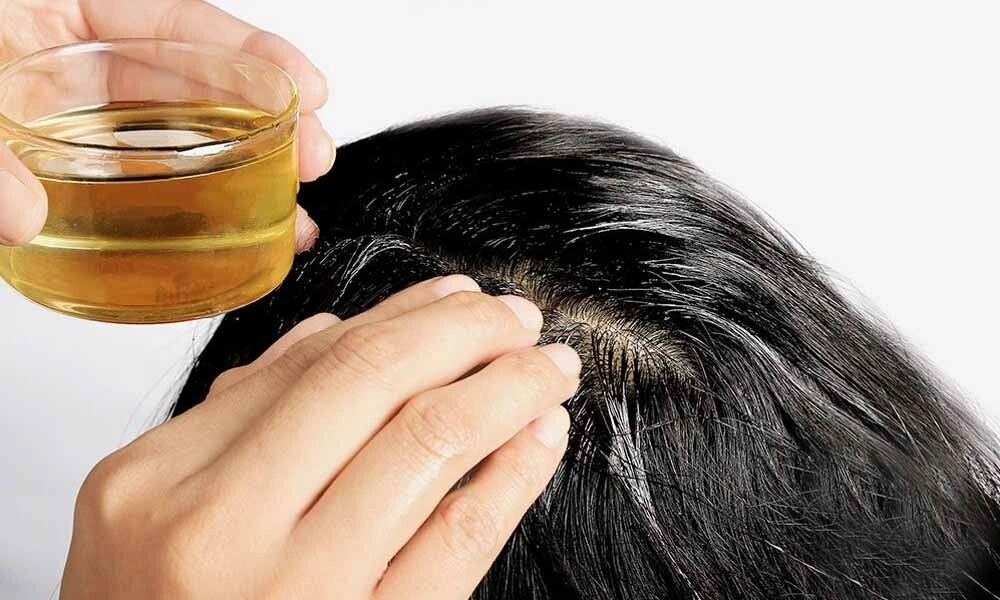
Even the best hair growth serum will underperform if most of it ends up coating your hair strands instead of reaching your scalp. Follow a targeted application method to get the full benefit of every drop:
-
Start with a clean, dry, or slightly damp scalp. Excess sebum, dry shampoo, and styling buildup form a barrier that blocks active ingredients from penetrating the skin. Applying serum after washing—or on a scalp free of heavy buildup—improves absorption.
-
Part your hair into sections. Use the dropper tip or nozzle to create four to six clean parts across the crown, temples, and any areas of visible thinning.
-
Apply directly to the skin. Dispense the recommended amount (usually one full dropper or a few targeted sprays) straight onto the scalp along each part line.
-
Massage gently with your fingertips. Spend one to two minutes using light, circular pressure with the pads of your fingers—not your fingernails—to distribute the liquid evenly and stimulate blood flow.
-
Allow the serum to dry completely. Wait at least 15 to 20 minutes before applying styling products, wearing a hat, or resting your head on a pillow so the formula stays on your scalp rather than transferring onto fabric.
Tips for Choosing the Best Hair Growth Serum
With hundreds of options available across drugstores and specialty brands, narrowing down the right bottle comes down to matching the product to your specific hair and scalp profile. If your hair also needs repair from damage or chemical processing, exploring the K18 hair mask can help you understand additional hair repair options.
-
Identify your type of hair loss first. Sudden, diffuse shedding after illness, childbirth, or major stress (telogen effluvium) often resolves with nutritional support and gentle peptide or caffeine serums. Gradual thinning at the temples or crown usually points to pattern hair loss, which responds better to minoxidil or targeted DHT-blocking blends.
-
Check the texture and base formula. If you have fine or oily hair, choose a lightweight, water-based serum that dries invisible without weighing down your roots. If your scalp is dry or flaky, look for soothing humectants like glycerin or panthenol alongside the active ingredients.
-
Look for opaque, UV-protective packaging. Peptides, botanical extracts, and antioxidants degrade quickly when exposed to direct sunlight and air. Amber glass dropper bottles or airless pumps help keep the formula potent until the last drop.
-
Prioritize fragrance-free options if you have a reactive scalp. Synthetic perfumes and high concentrations of undiluted essential oils can trigger contact dermatitis, which causes inflammation that works against healthy hair growth.
Common Mistakes to Avoid
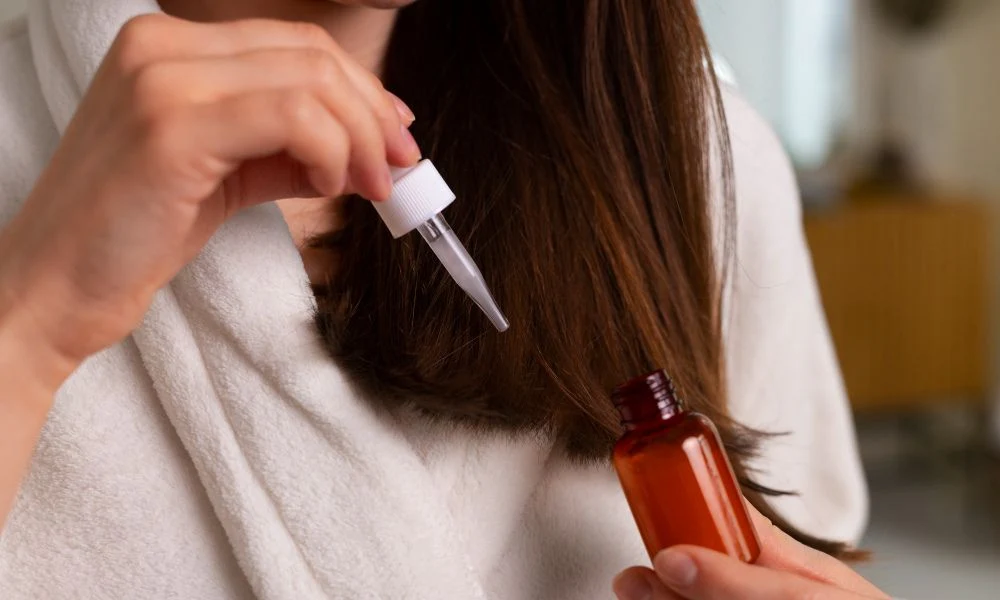
Many people abandon a hair growth serum prematurely or inadvertently sabotage their progress through simple application habits. Understanding your hair’s needs and exploring different hair styles can also help you make better choices for your hair care routine. Keep these common pitfalls in mind:
-
Quitting after three or four weeks: Hair follicles operate on a slow biological clock. Stopping a serum before the 90-day mark means quitting before new anagen hairs have had time to reach the surface of the scalp.
-
Using more than the directed dose: Applying three droppers instead of one will not make hair grow three times faster. Over-applying simply wastes product, leaves a sticky residue, and increases the risk of scalp irritation.
-
Panicking during the initial shedding phase: Active vasodilators and follicle stimulators sometimes push resting telogen hairs out faster to make room for thicker new strands. This temporary shedding typically peaks around week four and settles within a few weeks.
-
Skipping wash days to avoid seeing hair fall: Avoiding shampooing because you dislike seeing loose hairs in the drain allows oil and dead skin to accumulate, clogging follicles and worsening scalp inflammation.
Frequently Asked Questions
How long does it take for a hair growth serum to work?
Most people begin noticing reduced shedding after six to eight weeks of consistent daily use, while visible improvements in fullness and baby hairs along the hairline typically take three to six months. Full evaluation of a serum’s effectiveness usually requires six months of uninterrupted application.
Can I use a hair growth serum every day?
Yes, most hair growth serums are designed for once- or twice-daily use. Always follow the specific instructions on your product’s label, as consistency matters far more than applying large amounts sporadically.
Will my hair fall out if I stop using a hair growth serum?
If your hair thinning is driven by genetics or hormones, stopping a serum especially a medicated one like minoxidil will gradually allow follicles to return to their previous miniaturized state over three to four months. If you used a serum to recover from temporary stress-related shedding, your results are much more likely to hold after tapering off.
Can I use a hair growth serum with rosemary oil or scalp oils?
Yes, you can combine a water-based peptide or caffeine serum with a lightweight botanical oil, though it is best not to layer heavy oils underneath a water-based serum. Apply your water-based serum first so it absorbs cleanly into the skin, or use your growth serum at night and a nourishing scalp oil as a pre-wash treatment once or twice a week.
Are hair growth serums safe for color-treated or chemically processed hair?
Most peptide, botanical, and water-based growth serums are safe for color-treated, bleached, or keratin-treated hair because they are applied directly to the scalp rather than pulled through the lengths. However, formulas high in denatured alcohol can occasionally dry out hair near the roots, so look for alcohol-free or low-alcohol bases if your hair is heavily processed.
What is the difference between hair oil and hair growth serum?
A hair oil primarily coats and conditions the hair shaft to lock in moisture, smooth the cuticle, and prevent breakage. A hair growth serum is formulated with smaller molecules and targeted actives designed to penetrate the scalp skin and stimulate hair follicles at the root.
Final Thoughts
Finding the right hair growth serum requires evidence-backed ingredients, patience, and a clean scalp routine. You can choose minoxidil, a gentle peptide complex, or a botanical blend with rosemary and caffeine. Apply your chosen formula consistently for three to six months to support the hair growth cycle. Keep your scalp clean and balanced. Consult a dermatologist if hair loss is sudden, patchy, or accompanied by scalp pain.
